Encyclopedia
Definitive guides for crops, pests, and agricultural diseases.

Take-all
Take-all is a devastating root and crown disease primarily affecting cereal crops like wheat and barley, caused by the soilborne fungus Gaeumannomyces tritici. It leads to poor nutrient and water uptake, causing stunted growth, premature ripening, and significant yield losses up to 50% in severe cases. Effective management relies on cultural practices, resistant varieties, and crop rotation rather than chemical controls.
View Profile
Tall Coconut
Tall Coconut refers to the traditional, vigorous tall-growing coconut palm types cultivated across humid tropical regions for copra, tender nuts, oil, fiber, and landscape value. These palms are long-lived, cross-pollinated, and highly productive under warm, frost-free conditions with deep, well-drained soils, but they require patience because they usually begin bearing later than dwarf types.
View Guide
Tam Dew Honeydew
Tam Dew Honeydew is a warm-season honeydew-type melon valued for its sweet, pale-green flesh, smooth rind, and strong performance in hot growing conditions. Like other inodorus melons, it requires a long frost-free season, excellent drainage, controlled irrigation, and careful harvest timing to achieve peak sugar, texture, and storage quality.
View Guide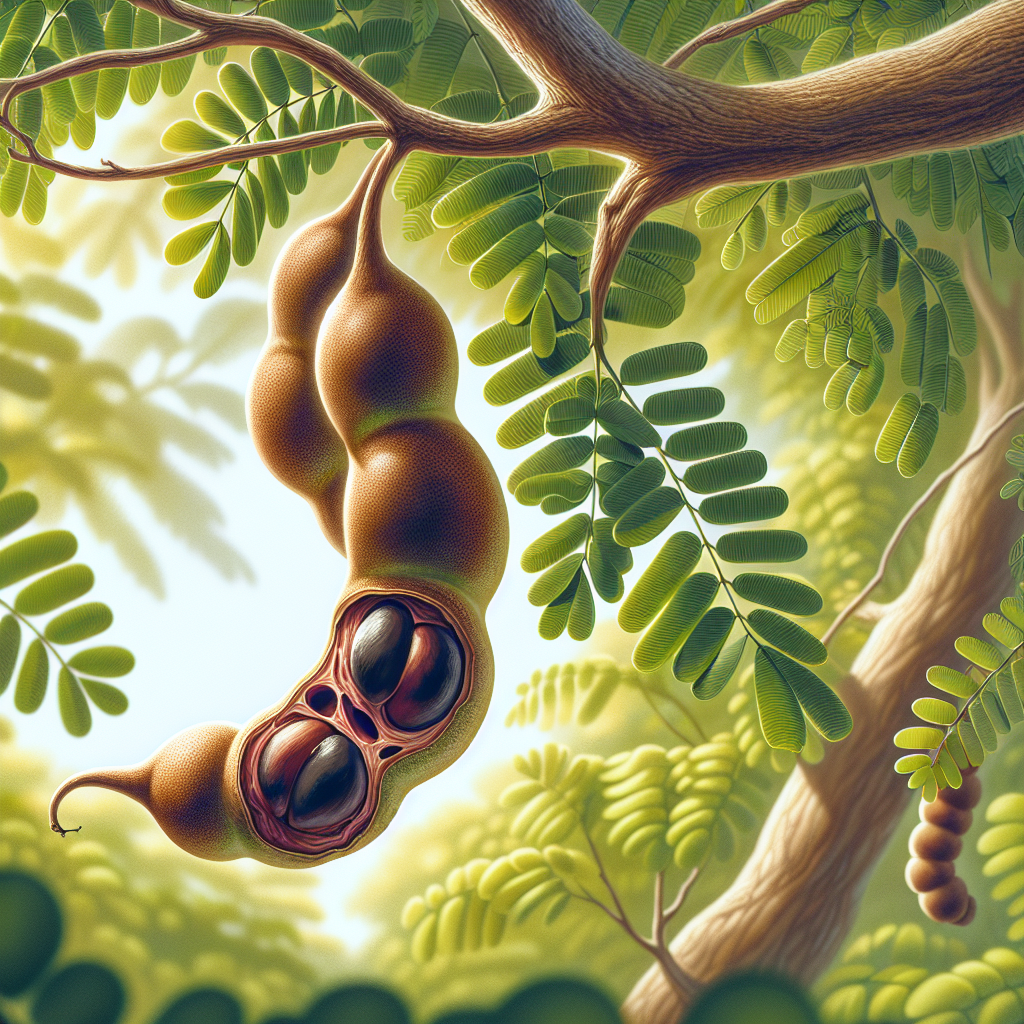
Tamarind (Makham Wan)
Tamarind (Makham Wan), known scientifically as Tamarindus indica, is a tropical evergreen tree prized for its tangy pods used in cuisines worldwide. This resilient crop thrives in hot climates, offers multiple harvests over decades, and provides nutritious fruit rich in antioxidants and vitamins. Ideal for small farms seeking long-term profitability with minimal maintenance.
View Guide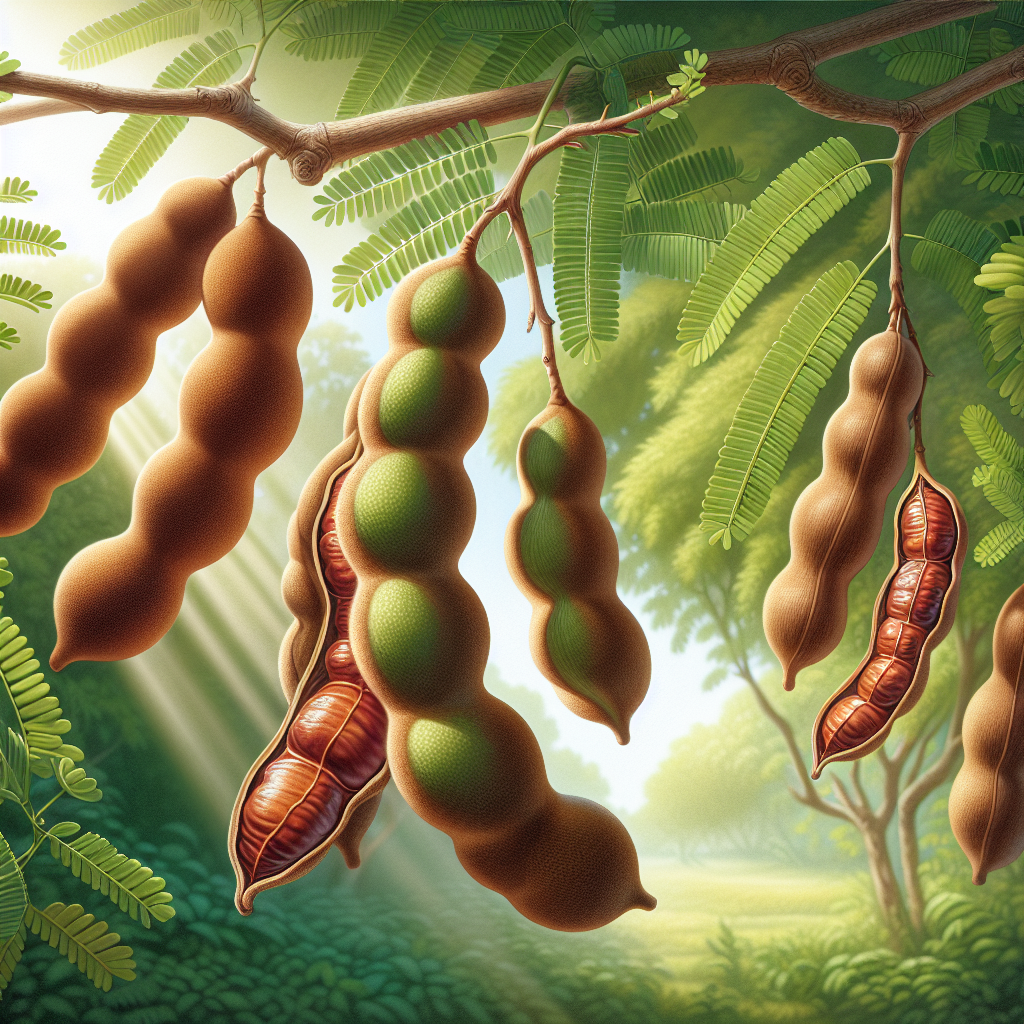
Tamarind (Sweet Thailand)
Tamarind (Sweet Thailand) is a premium Thai cultivar of Tamarindus indica renowned for its exceptionally sweet, low-acid pods ideal for fresh eating and culinary uses. This evergreen tree thrives in tropical climates, producing abundant yields of plump, sugary fruits after 7-10 years. Farmers value its drought tolerance, longevity up to 200 years, and versatility in agroforestry systems.
View Guide
Tan spot
Tan spot is a widespread foliar disease of wheat caused by the fungus Pyrenophora tritici-repentis, leading to significant yield losses in susceptible varieties. It manifests as tan-colored lesions on leaves, reducing photosynthesis and grain quality. Effective management relies on resistant cultivars, crop rotation, and cultural practices.
View Profile
Tangelo (Minneola)
Minneola tangelo is a distinctive bell-shaped citrus hybrid prized for its deep orange rind, rich sweet-tart flavor, and strong juice content. This cultivar is productive in warm citrus regions but requires careful site selection, pollination planning, moisture management, and disease monitoring to achieve premium fruit quality.
View Guide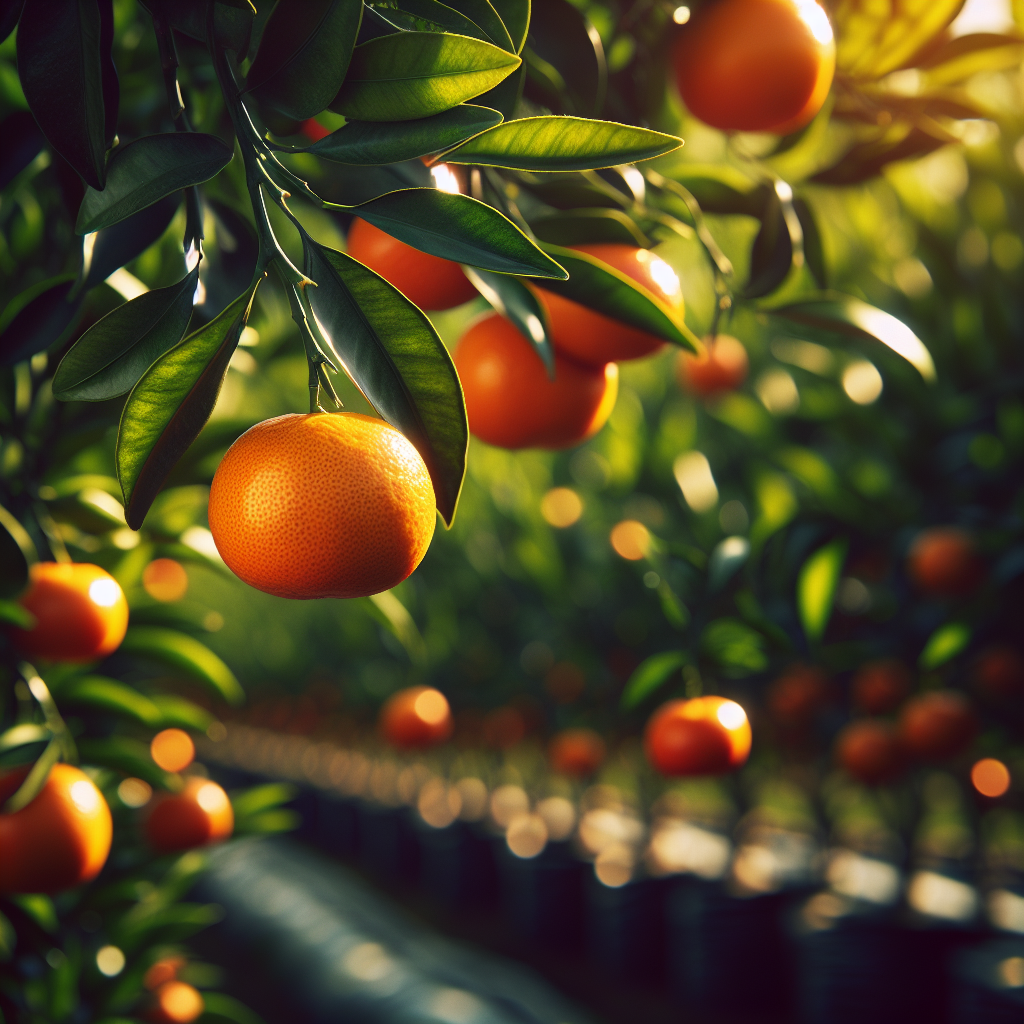
Tangerine (Dancy)
Tangerine (Dancy) is a classic mandarin-type citrus cultivar valued for its rich, spicy-sweet flavor, deep orange-red peel, and historical importance in American citrus growing. It performs best in warm subtropical to tropical climates with excellent drainage, careful nutrition, and vigilant pest management, especially because fruit quality declines under stress and the variety can be prone to alternate bearing.
View Guide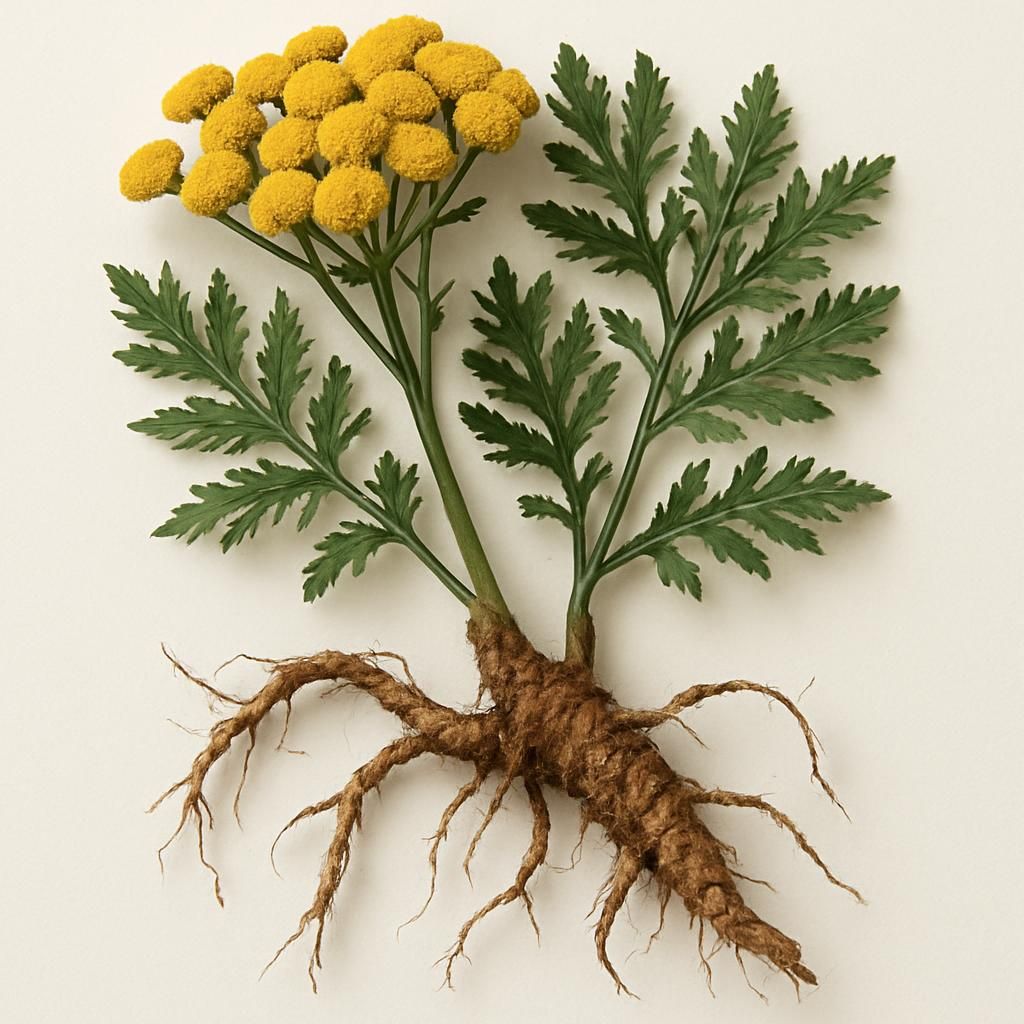
Tansy Root
Tansy Root is a hardy perennial herb cultivated primarily for its aromatic roots and insect-repellent foliage. This comprehensive guide covers soil preparation, planting techniques, organic pest management, and harvest protocols for commercial and home growers seeking reliable yields of this traditional medicinal and culinary crop.
View Guide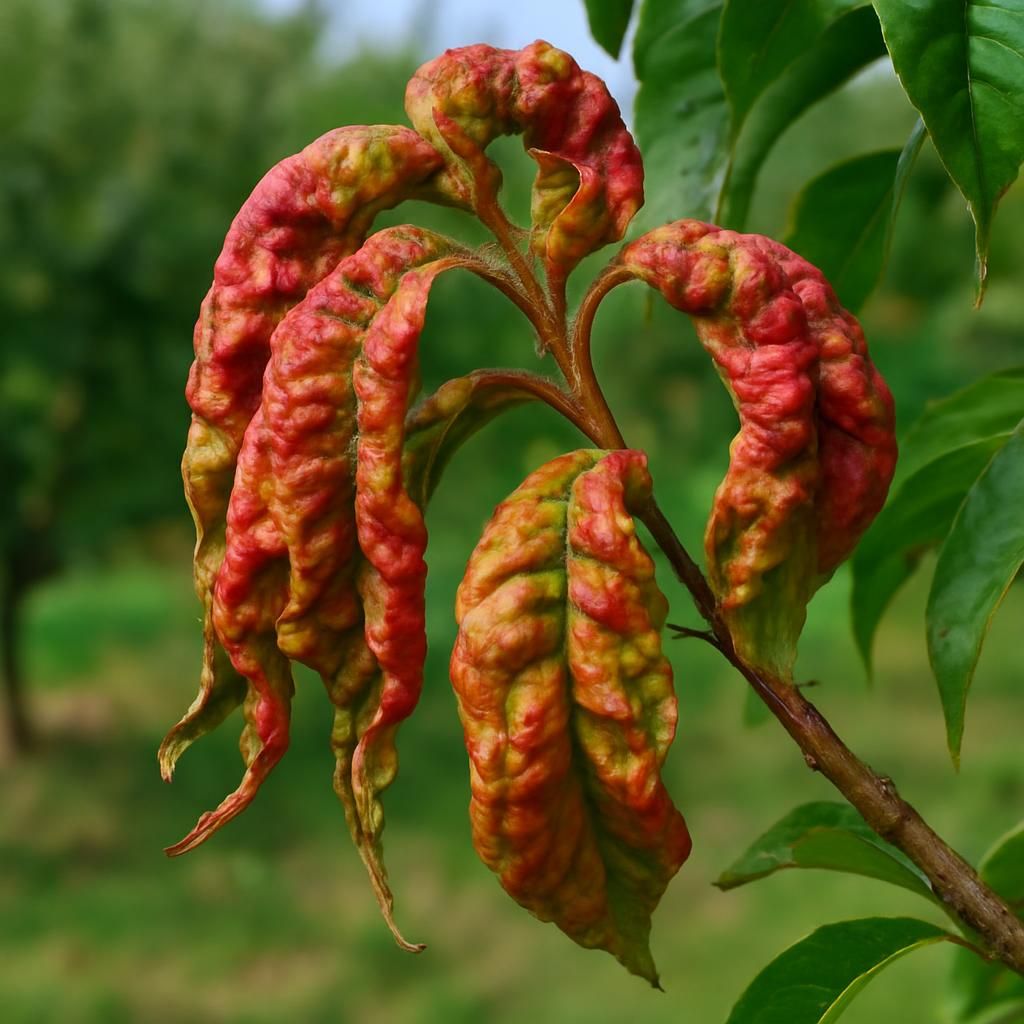
Taphrina deformans
Taphrina deformans is a fungal pathogen causing peach leaf curl, a widespread disease affecting peach and related stone fruit trees. It produces characteristic distorted, thickened, and discolored leaves that reduce photosynthesis and tree vigor. Effective management relies on timely dormant-season fungicide applications and cultural practices.
View Profile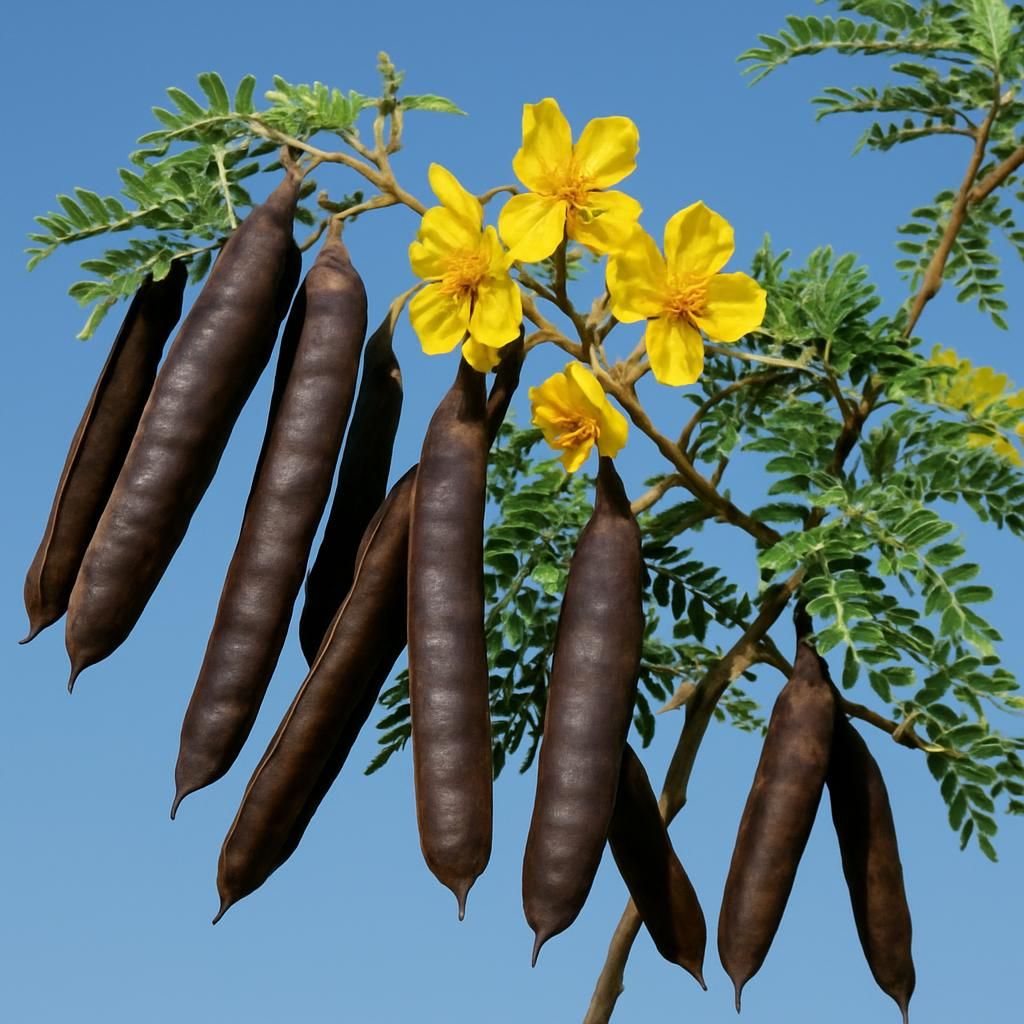
Tara Gum
Tara gum is a high-value industrial and food-grade galactomannan extracted from the seeds of the tara tree, native to the Andean highlands. This guide covers complete agronomic practices for commercial and smallholder cultivation of the tara tree to produce consistent, high-quality seed yields.
View Guide
Tarnished plant bugs
Tarnished plant bugs (Lygus spp.) are highly destructive piercing-sucking pests that damage a wide range of crops by feeding on tender tissues, causing distorted growth, blossom drop, and yield losses up to 50%. This guide provides comprehensive diagnostics, organic management strategies, and prevention tactics for farmers targeting fruits, vegetables, and field crops. Effective control requires understanding their lifecycle and implementing integrated approaches for sustainable agriculture.
View Profile
Taro
Taro is a tropical root crop grown for its starchy corms, edible leaf stalks, and in some cultures, the leaves themselves when properly cooked. It thrives in warm, humid conditions and can be cultivated in flooded paddies, wetland systems, or well-irrigated upland fields depending on the cultivar and production style.
View Guide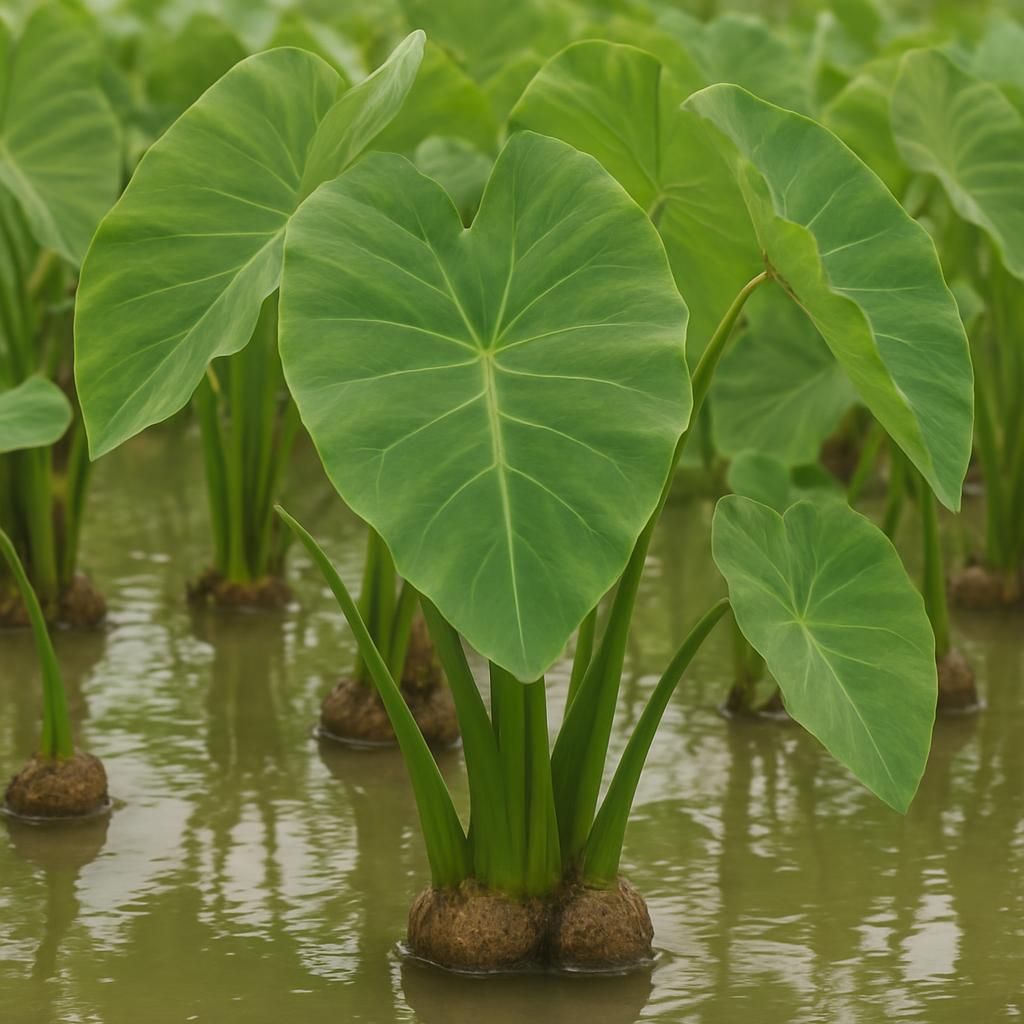
Taro (Colocasia esculenta - Bun-long)
Bun-long taro is a high-yielding wetland aroid prized for its large, starchy corms and adaptability to flooded or irrigated production systems. This guide delivers professional-grade practices for soil preparation, planting, irrigation, nutrition, pest management, and post-harvest handling to maximize yield and quality.
View Guide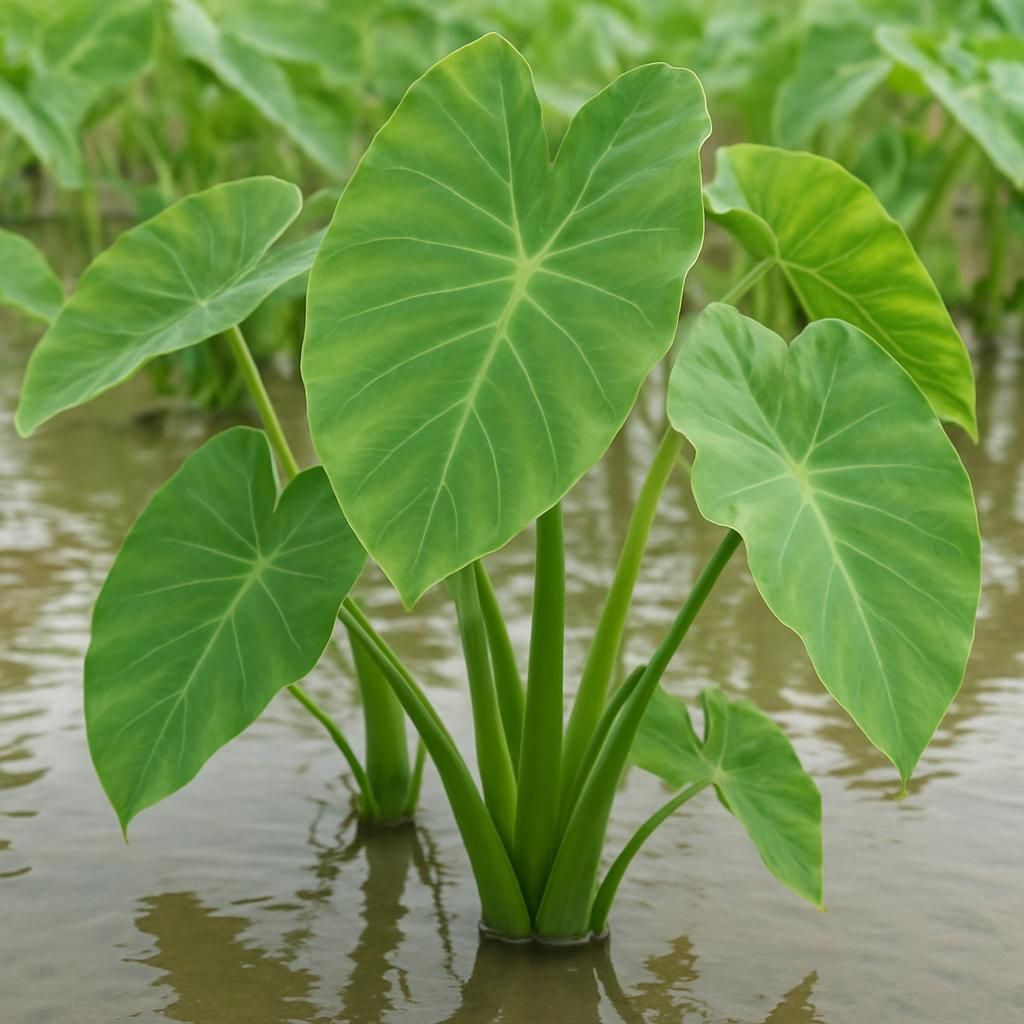
Taro (Dasheen)
Taro (Dasheen) is a tropical wetland perennial grown primarily for its starchy corms and nutritious leaves, thriving in flooded or moist conditions across subtropical and tropical regions. This guide covers complete cultivation practices from soil preparation to harvest and storage.
View Guide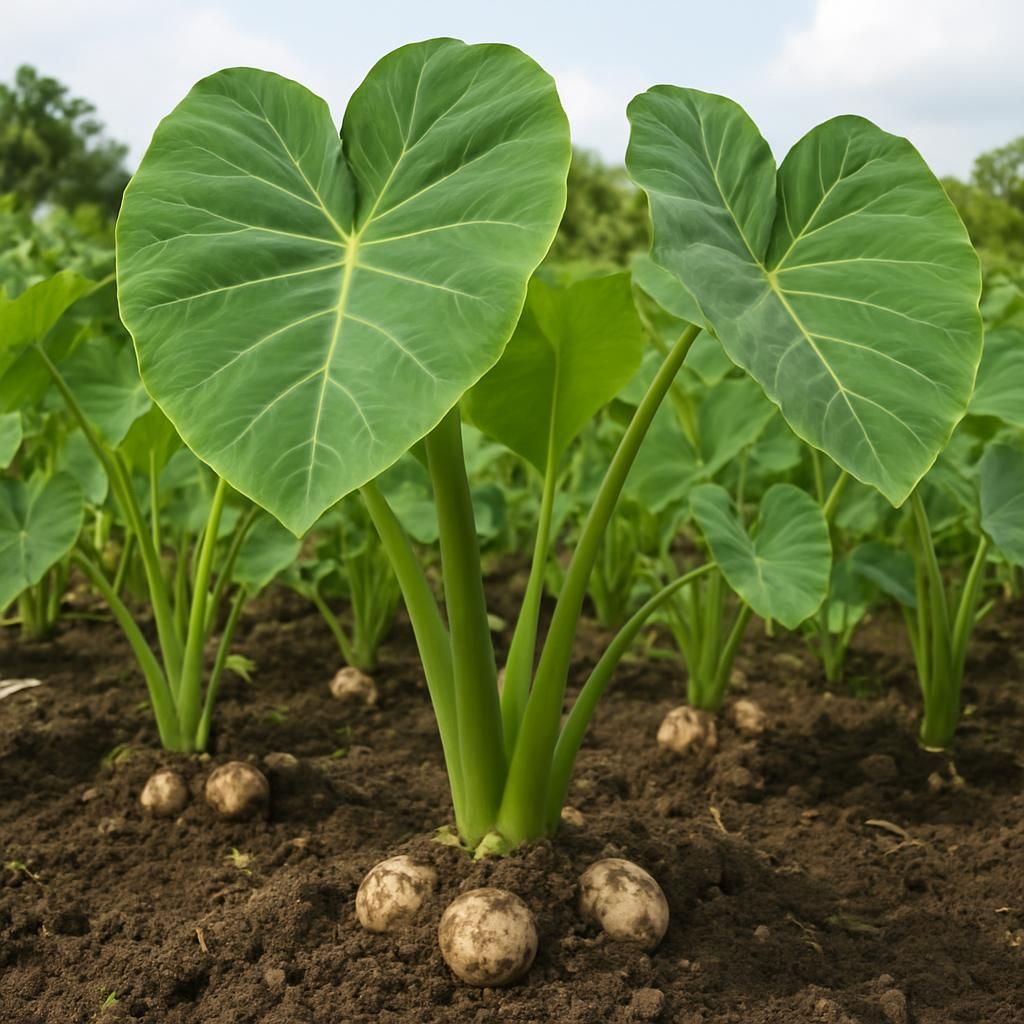
Taro (Eddoe)
Taro (Eddoe) is a tropical aroid grown for its edible corms and leaves, thriving in warm, moist conditions with fertile, well-drained soil. This guide covers everything from botanical traits to organic pest management, harvesting, and companion planting strategies for reliable yields.
View Guide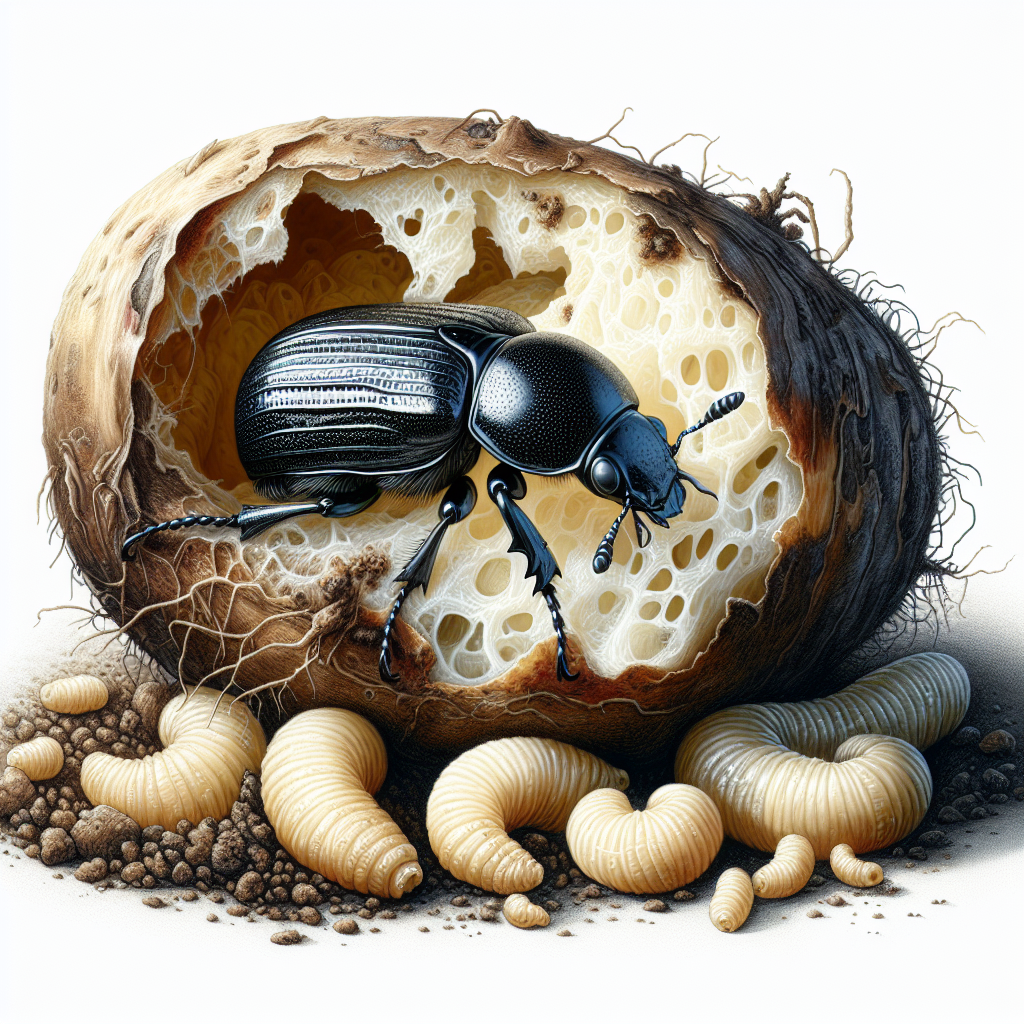
Taro beetles
Taro beetles are destructive pests targeting taro and other aroids, with grubs causing severe root and corm damage leading to plant wilting and crop failure. Native to Southeast Asia and Papua New Guinea, they have spread to Pacific islands, Hawaii, and parts of Africa, thriving in wet tropical conditions. Effective management combines cultural practices, biological controls, and targeted organic treatments for sustainable control.
View Profile
taro leaf blight
Taro leaf blight, caused by the oomycete Phytophthora colocasiae, is a devastating foliar disease affecting taro crops worldwide, leading to significant yield losses through rapid leaf necrosis and plant defoliation. This guide provides comprehensive diagnostics, organic management strategies, and prevention tactics tailored for small-scale farmers growing [Taro](/wiki/taro). Early detection and cultural practices are key to minimizing damage in humid tropical environments.
View Profile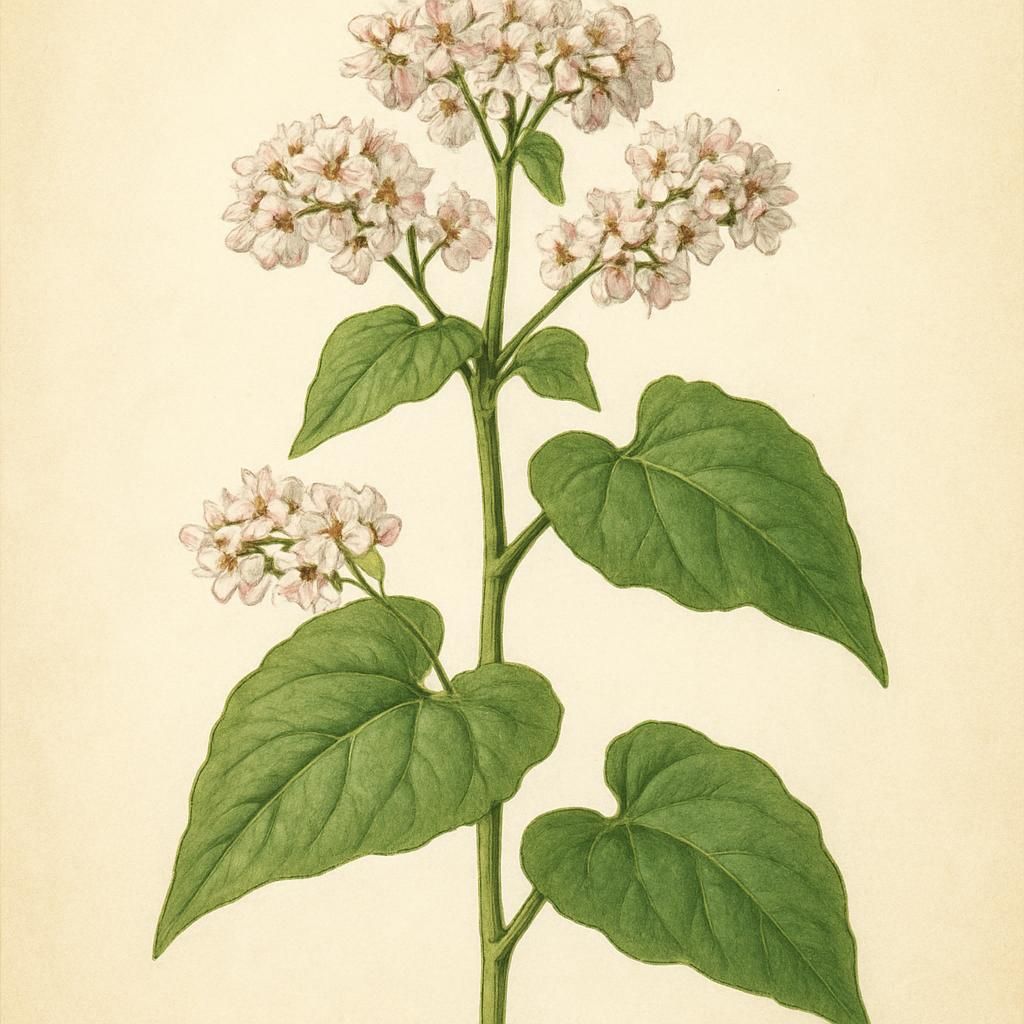
Tartary Buckwheat
Tartary Buckwheat, known for its resilience and nutritional value, is a versatile crop flourishing in poor soil conditions. It is particularly popular in Asia and Eastern Europe for making noodles, porridge, and other health foods.
View Guide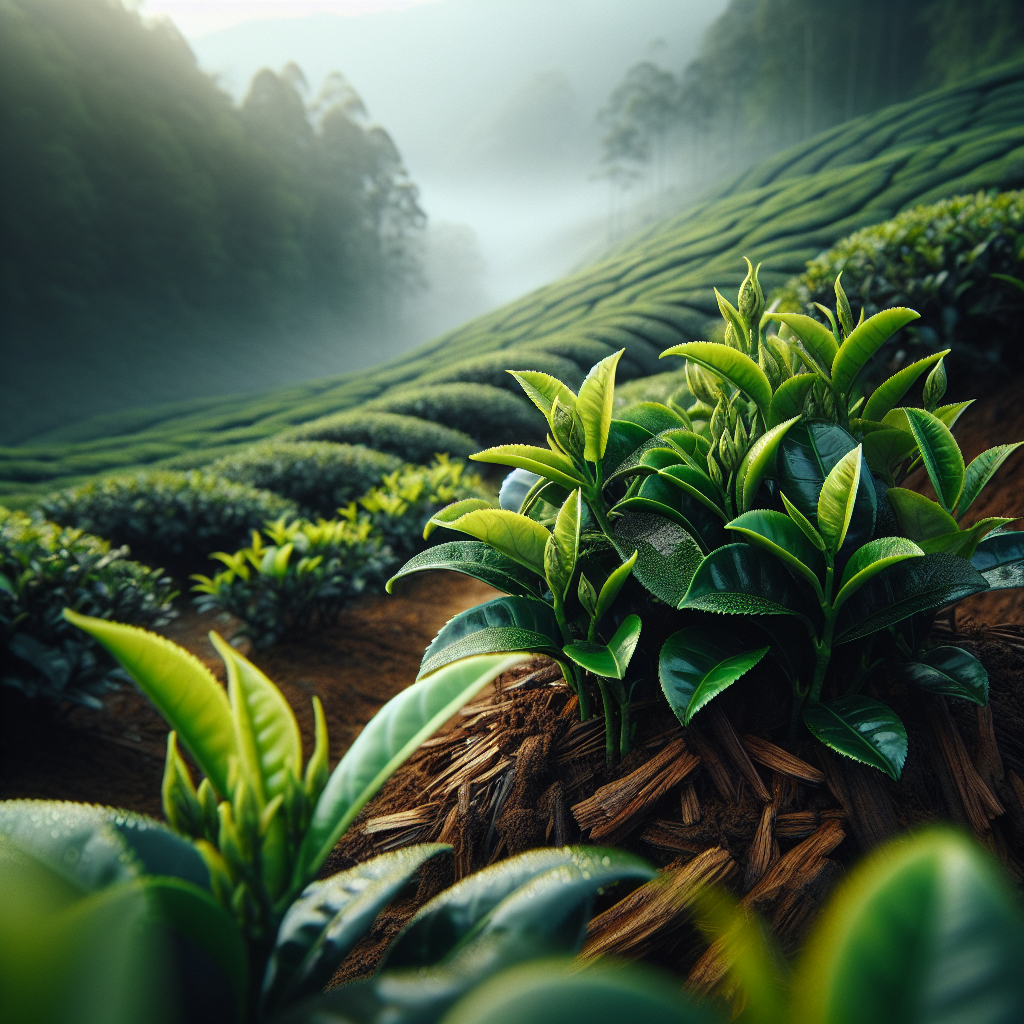
Tea
Tea is a long-lived evergreen shrub grown for its tender leaf flushes, which are processed into green, black, oolong, white, and other tea styles. High-quality production depends on acidic, well-drained soils, abundant humidity, careful pruning, and precise harvest timing, making tea a crop that rewards close observation and skilled management.
View Guide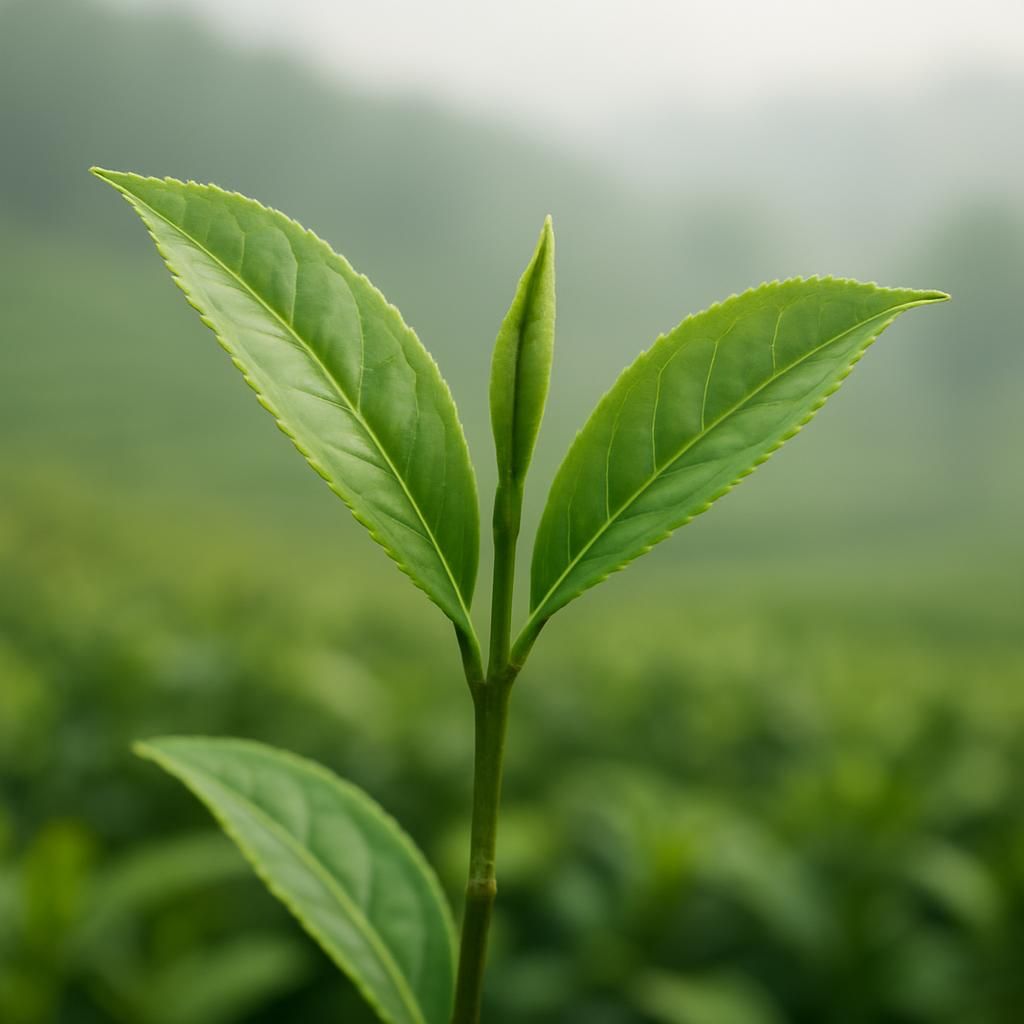
Tea (Camellia sinensis - Assamica)
Tea (Camellia sinensis var. assamica) is a vigorous evergreen shrub grown for its young leaves and buds used to produce black, green, and oolong teas. It thrives in tropical and subtropical high-rainfall regions with acidic soils and requires precise pruning and harvesting cycles to maintain quality and yield.
View Guide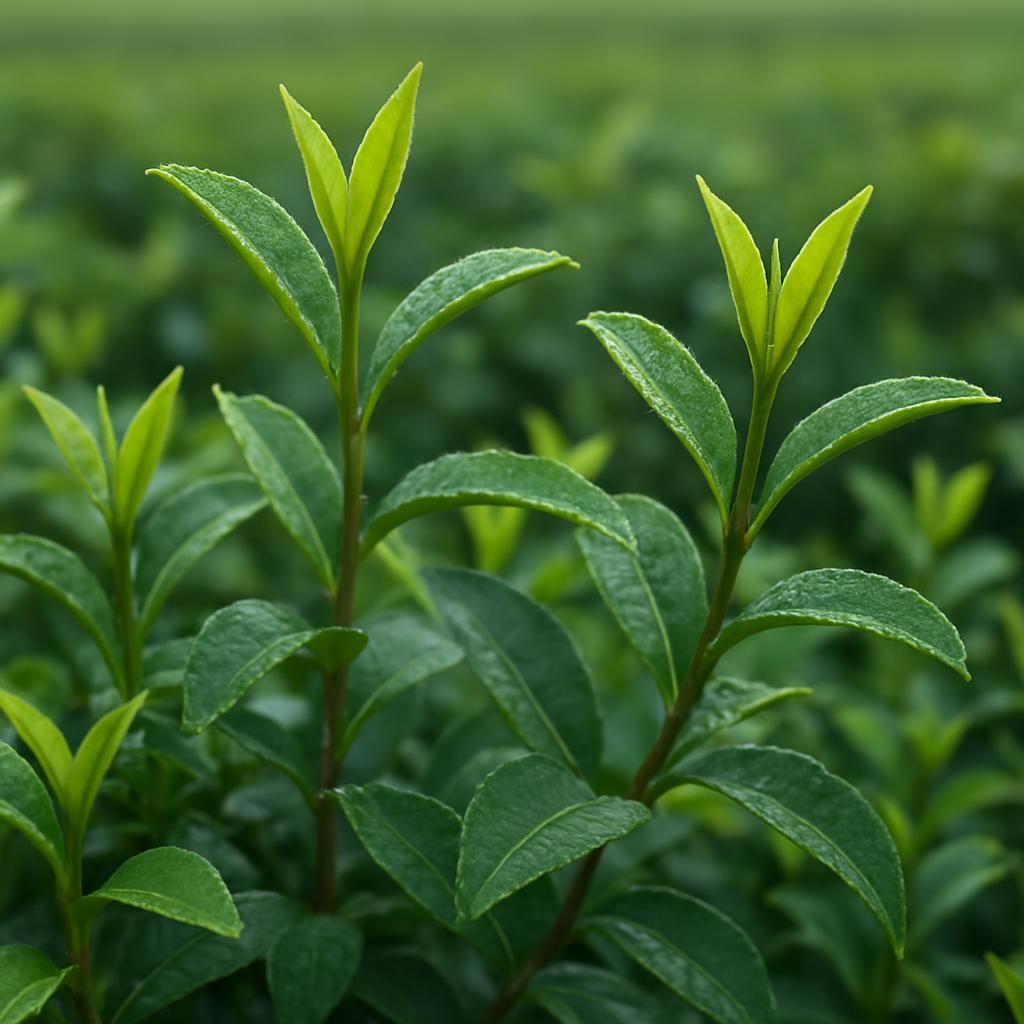
Tea (Camellia sinensis - Sinensis)
Tea (Camellia sinensis var. sinensis) is a slow-growing evergreen shrub prized for its tender leaves that are processed into white, green, oolong, and black teas. This comprehensive guide covers every stage from soil preparation through harvest and curing with professional-grade agricultural advice.
View Guide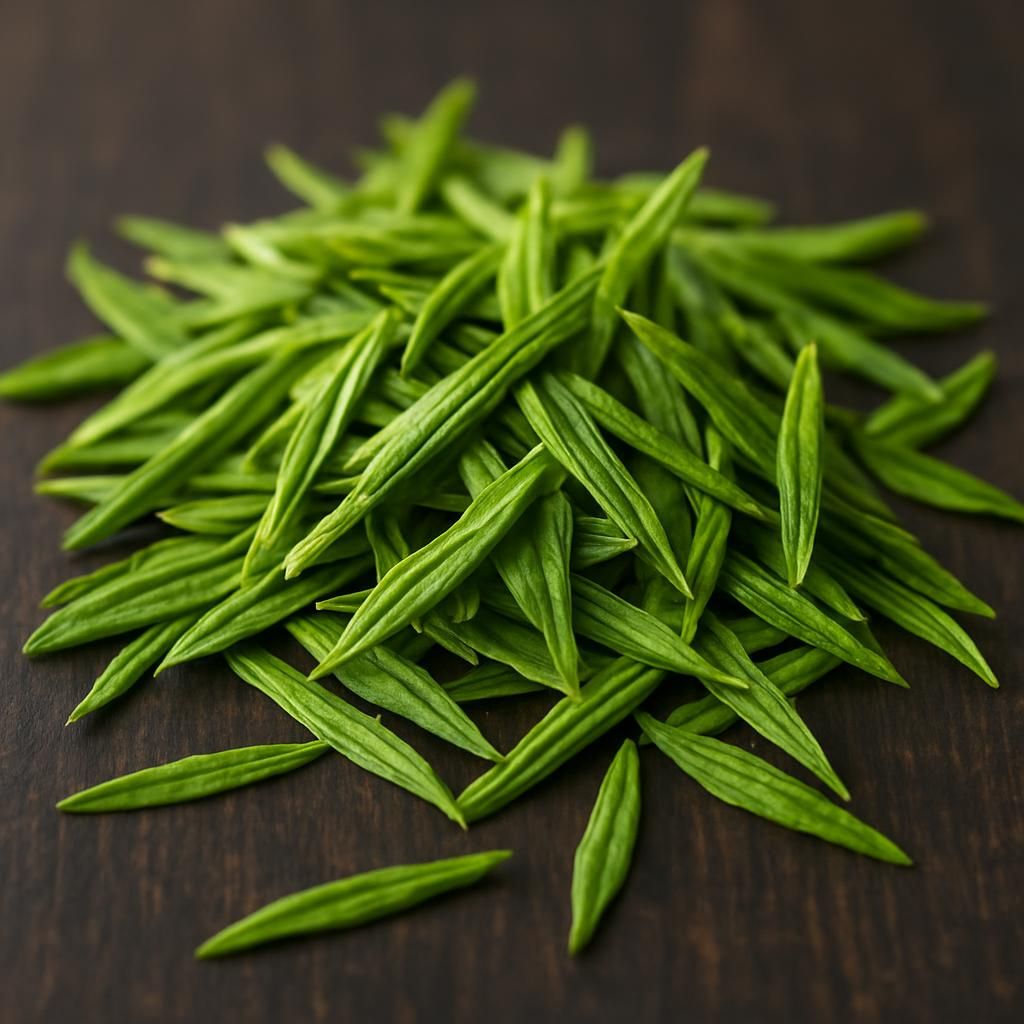
Tea (Green - Dragonwell)
Dragonwell (Longjing) is a premium flat-leaf green tea cultivar prized for its chestnut aroma and jade-green appearance. This guide covers climate, soil, planting, seasonal care, organic pest control, and precise harvesting techniques for high-quality leaf production.
View Guide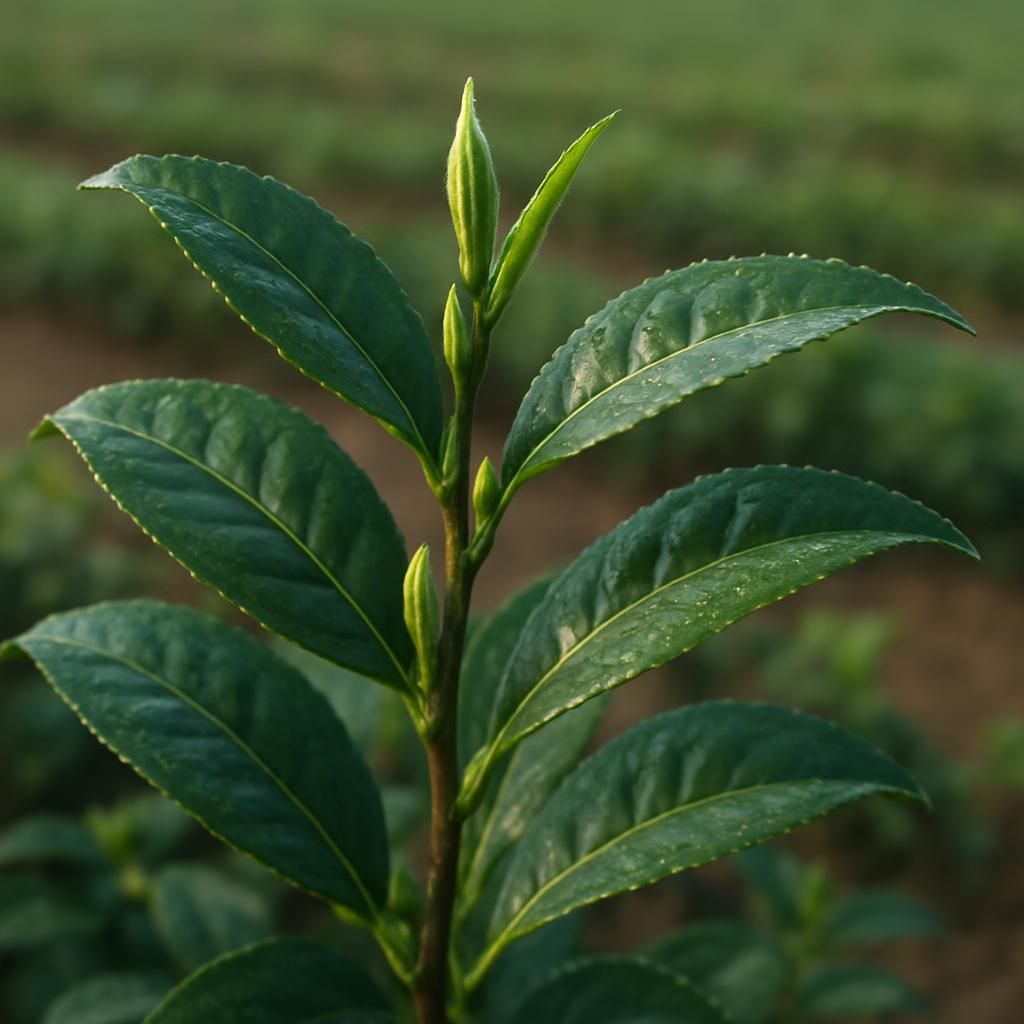
Tea (Oolong - Tie Guan Yin)
Tie Guan Yin (Iron Goddess of Mercy) is a premium semi-oxidized Oolong tea cultivar prized for its floral aroma and creamy texture. This guide delivers professional-grade cultivation techniques for commercial and serious home growers seeking high-quality leaf production.
View Guide