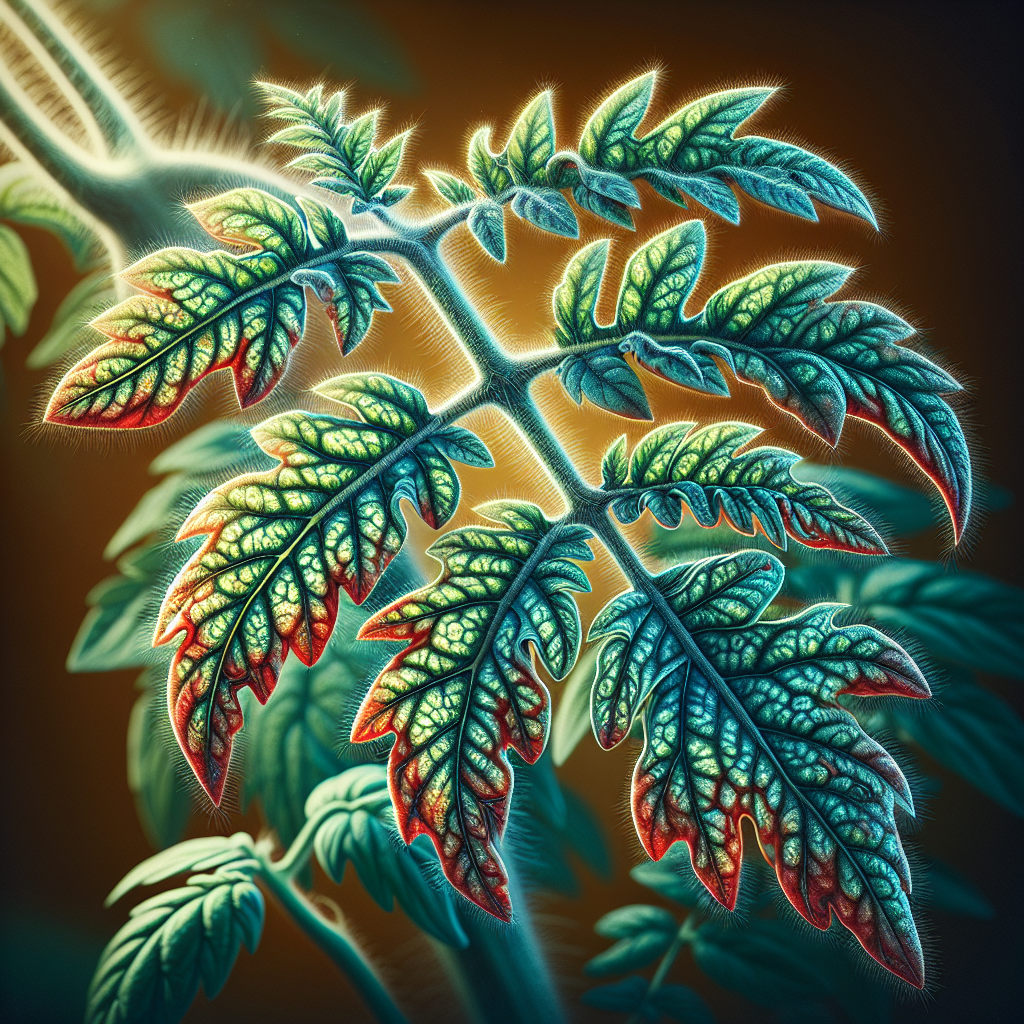
Introduction to Tomato Mosaic Virus
Tomato Mosaic Virus (ToMV), a member of the genus Tobamovirus, ranks among the most destructive pathogens affecting tomato production worldwide. First identified in the early 20th century, ToMV infects over 350 plant species, primarily in the Solanaceae family, including tomatoes, peppers, eggplants, and potatoes. This single-stranded RNA virus spreads rapidly via mechanical means, making it a persistent threat in both commercial fields and home gardens. Infected plants exhibit characteristic mosaic patterns on leaves, leading to significant yield losses of up to 50-100% in severe cases. Unlike many fungal diseases, ToMV thrives in all climates and has no known natural predators, emphasizing the need for vigilant cultural practices. For growers cultivating Tomato (crop) or varieties like Roma Tomato (crop), early detection is crucial to limit spread. This guide provides comprehensive diagnostics, lifecycle insights, organic management, and prevention strategies to safeguard your crops.
Identifying Symptoms & Damage
Recognizing Tomato Mosaic Virus early is essential for containment. Symptoms typically appear 7-14 days post-infection, starting on younger leaves. The hallmark is a mottled mosaic pattern: alternating light and dark green patches, often with a fern-like malformation where leaves narrow and become brittle. Severe cases show necrosis, where tissues turn brown and die, particularly along veins. Plants may exhibit stunted growth, with shortened internodes and overall bushiness rather than the typical upright habit.
Fruit damage is profound; tomatoes develop uneven ripening, with yellow or brown streaking on skins, rendering them unmarketable. Yields drop dramatically, and surviving fruits are small and misshapen. Distinguish ToMV from similar issues like tobacco mosaic virus (disease) or nutrient deficiencies by its systemic nature—no recovery in upper leaves—and absence of pests. In Bell Pepper (crop), symptoms mimic ToMV but confirm via lab testing like ELISA. Damage escalates in high-density plantings, where yield losses compound with secondary infections from weakened plants. Inspect regularly, especially after handling tobacco products, a common vector.
Lifecycle and Progression of Tomato Mosaic Virus
ToMV lacks an insect vector, relying on mechanical transmission. The virus enters plants through wounds on leaves, stems, or roots, replicating rapidly in epidermal cells before spreading systemically via the phloem. Once inside, it induces host cell changes, producing virions that accumulate in high concentrations—up to 1% of plant sap weight. Infected plants remain sources for months, with virions stable in dried debris for years.
Progression unfolds in stages: initial chlorotic spots expand to full mosaic within a week, followed by growth cessation and fruit deformation by flowering. Under stress, necrosis dominates, killing meristems. Seeds from infected fruits carry the virus at 1-20% rates, perpetuating cycles. Soil persistence occurs via root debris, surviving 20+ years without hosts. Temperature optima (20-30°C) accelerate spread in greenhouses. Unlike Fusarium wilt (disease), ToMV shows no vascular browning on cross-sections, aiding differentiation.
Environmental Triggers & Risk Factors
ToMV flourishes in warm conditions (68-86°F), with high humidity aiding sap transmission during pruning or staking. Poor sanitation amplifies risks: contaminated tools, hands, or clothing transfer virions effortlessly— a single infected leaf can doom an acre. Smoking near crops introduces the closely related tobacco mosaic virus (disease). Overcrowding and overhead irrigation splash inoculum, while weeds like black nightshade harbor the virus asymptomatically.
Risk spikes in grafted plants if rootstocks carry latent infections, and volunteer tomatoes from cull piles serve as reservoirs. High nitrogen fertilizers exacerbate symptoms by promoting lush growth susceptible to distortion. Global trade in seeds spreads strains, with necrotic variants deadlier in cooler climates. For Eggplant (crop) intercropped with tomatoes, shared tools heighten cross-infection. Read our blog on Why Misidentifying Plants Costs Small Farms Thousands - And How AI Camera Diagnosis Fixes It Fast for tools to spot early signs.
Organic Control & Treatment Plans
No chemical cure exists for ToMV; management hinges on removal and sanitation. Rogue infected plants immediately, bagging and destroying them off-site—do not compost. Disinfect tools with 10% bleach or 20% milk solutions between plants; alcohol fails against ToMV's robust coat. Cross-protection using mild strains (e.g., tomato strain L) immunizes plants but requires expertise.
Boost plant vigor with balanced organic fertilizers like compost tea, enhancing tolerance. Milk sprays (1:9 dilution) applied weekly show antiviral effects via proteins binding virions. Introduce reflective mulches to deter aphids, indirect vectors. Thermotherapy—hot water treatment of seeds at 50°C for 25 minutes—eliminates 90% seedborne virus. For established infections, prune affected leaves and support remaining growth, harvesting usable fruits early. Integrate with aphids (pest) control using neem oil to prevent secondary spread. In severe outbreaks, solarization (clear plastic over soil, 4-6 weeks at 40°C+) reduces soil inoculum by 95%.
Preventing Tomato Mosaic Virus in the Future
Prevention trumps cure for ToMV. Source certified virus-free seeds and resistant varieties like 'Tygress' or 'Belladonna', offering partial immunity. Practice strict hygiene: worker training on tool disinfection, footbaths at field entries, and no-smoking policies. Use separate tools for solanaceous crops, and rogue volunteers ruthlessly. Crop rotation with non-hosts like corn (crop) for 2-3 years starves soil reservoirs.
Greenhouse protocols include steam sterilization of benches and worker PPE. Grafting onto resistant rootstocks like 'Maxifort' protects scions. Mulch with straw to minimize soil splash, and monitor with sentinel plants. Quarantine new transplants for 2 weeks. Long-term, breed for Tm-2/Tm-2² genes conferring hypersensitive resistance. Combine with broad IPM targeting whiteflies (pest). Check Soil Health Mastery: 5 Proven Strategies for Small Farms to Build Fertile Ground Without Breaking the Bank for resilient soils resisting stress-amplified spread.
Crops Most Affected by Tomato Mosaic Virus
Tomato reigns as the primary host, with all varieties susceptible, though beefsteak types suffer most from fruit necrosis. Peppers (Bell Pepper (crop), chilies) show milder mosaics but yield drops. Eggplant (crop) develops severe stunting, while potatoes exhibit mild symptoms rarely impacting tubers. Tobacco and ornamentals like petunias amplify reservoirs. Wild hosts include nightshades and bittersweet, underscoring wide host range. In mixed plantings, isolate solanaceae to curb epidemics.