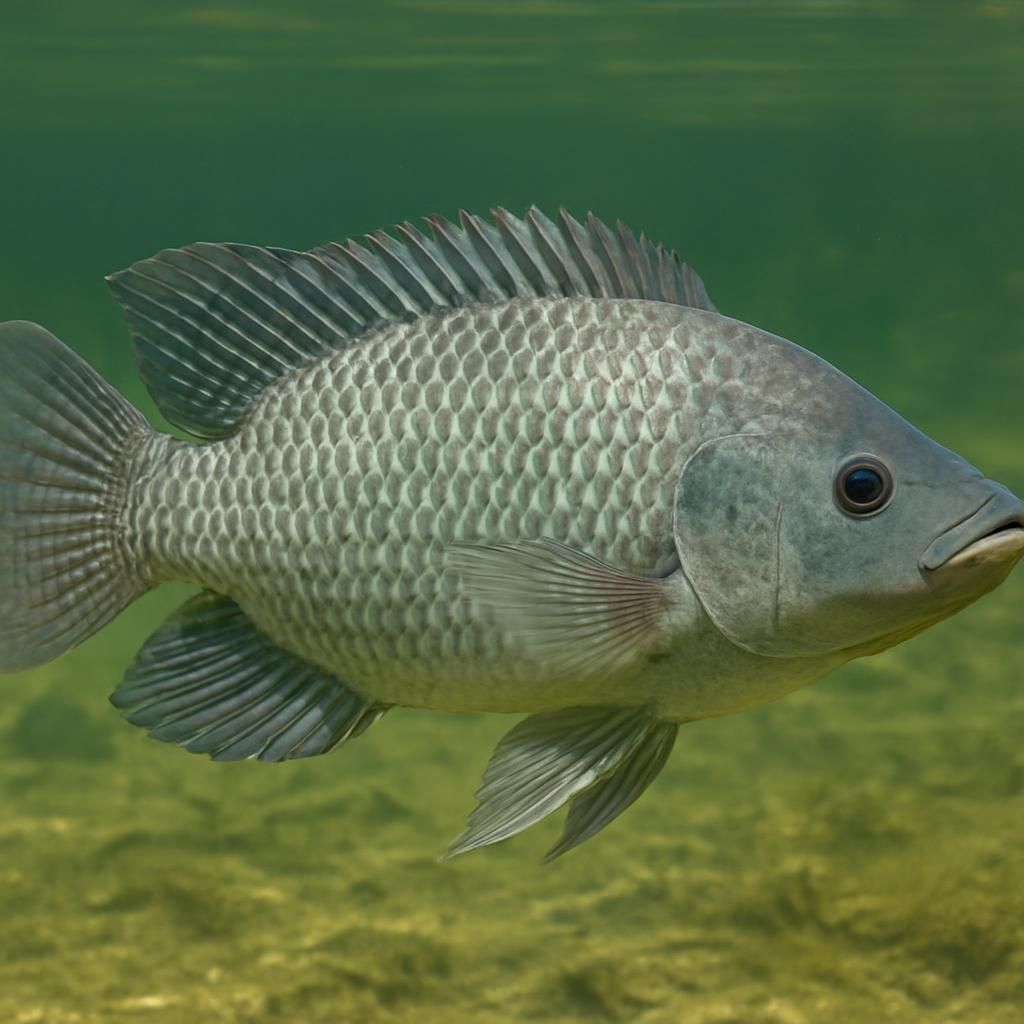
Introduction to Tilapia
Tilapia has become one of the most important farmed fish species globally due to its rapid growth rate, tolerance of a wide range of environmental conditions, and high feed conversion efficiency. Originally native to Africa and the Middle East, tilapia is now cultivated in tropical and subtropical regions worldwide. Its mild white flesh and versatility in culinary applications have driven consistent market demand, making it a staple protein source for both smallholder and commercial operations. Successful tilapia production requires careful attention to water quality, stocking density, nutrition, and biosecurity to maximize yield while minimizing environmental impact.
Botanical Profile of Tilapia
Although tilapia is an animal rather than a plant, understanding its biological characteristics is essential for successful culture. Oreochromis niloticus belongs to the Cichlidae family and exhibits rapid growth, reaching market size (400–600 g) in 6–8 months under optimal conditions. Tilapia are omnivorous, consuming algae, aquatic plants, detritus, and formulated feeds. They are mouth-brooders, with females incubating eggs in their buccal cavity for 10–14 days. The species tolerates temperatures between 16–36 °C and pH levels of 6.0–9.0, with optimal growth occurring at 26–30 °C. Tilapia exhibit sexual dimorphism, with males growing faster than females; all-male populations are often preferred in commercial systems to prevent uncontrolled reproduction.
Soil, pH, and Climate Requirements for Tilapia (MUST INCLUDE A MARKDOWN TABLE OF IDEAL CONDITIONS)
Tilapia culture is primarily water-based, but pond soil characteristics significantly influence water quality and productivity. Clay-loam soils with high water-holding capacity are preferred for earthen ponds, while sandy or gravelly substrates should be avoided. The ideal soil pH for tilapia ponds ranges from 6.5 to 8.5, as extreme acidity or alkalinity can stress fish and reduce natural productivity. Climate suitability is determined by consistent water temperatures above 20 °C; production in temperate regions often requires greenhouse or recirculating systems.
| Parameter | Ideal Range | Notes |
|---|---|---|
| Pond Soil Type | Clay-loam or silty-clay | High water retention, low seepage |
| Soil pH | 6.5–8.5 | Prevents metal toxicity and stress |
| Water Temperature | 26–30 °C | Optimal growth; below 20 °C slows growth |
| Water pH | 6.5–8.5 | Stable pH reduces stress and disease |
| Dissolved Oxygen | >5 mg/L | Critical for feed intake and survival |
| Salinity | 0–10 ppt | Freshwater to low-brackish tolerance |
| Ammonia (NH₃) | <0.05 mg/L | Toxic above this level |
| Nitrite (NO₂⁻) | <0.5 mg/L | Causes brown blood disease |
Step-by-Step Planting & Propagation
Tilapia production begins with site selection and pond construction. Choose a level area with access to a reliable water source and good drainage. Construct ponds with a minimum depth of 1.0–1.5 m and a gentle slope toward the outlet for complete draining. Line ponds with high-density polyethylene if soil permeability is high. Source high-quality, disease-free fingerlings (3–5 g) from certified hatcheries. Acclimate fish gradually by floating transport bags in pond water for 20–30 minutes before release. Stock all-male fingerlings at 2–4 fish/m² in semi-intensive systems or 10–20 fish/m³ in intensive tank or cage culture. Provide shade structures or floating vegetation to reduce heat stress and predation.
Care & Maintenance regimes for Tilapia (MUST INCLUDE A MARKDOWN TABLE OF WATER, FERTILIZER, AND PRUNING SCHEDULES)
Daily monitoring of water quality parameters is essential. Maintain dissolved oxygen above 5 mg/L through aeration or water exchange. Perform partial water exchanges (20–30%) weekly to control ammonia and nitrite levels. Apply organic or inorganic fertilizers to stimulate natural productivity in extensive and semi-intensive ponds. Use high-protein (28–32%) floating pellets fed at 3–5% body weight daily, divided into two or three feedings. Monitor fish behavior and adjust feeding rates based on consumption. In integrated systems, plant floating macrophytes such as Lettuce or Water spinach to absorb excess nutrients.
| Activity | Frequency | Details |
|---|---|---|
| Water Exchange | Weekly (20–30%) | Replace water to maintain ammonia <0.05 mg/L and nitrite <0.5 mg/L |
| Aeration | Continuous/Daily | Use paddlewheels or diffusers during night and early morning |
| Organic Fertilizer | Every 2 weeks | Apply 500–1000 kg/ha chicken manure or compost to boost plankton |
| Inorganic Fertilizer | Monthly | Use urea (46% N) at 20–30 kg/ha or diammonium phosphate at 10–15 kg/ha |
| Supplemental Feeding | Daily | 28–32% protein pellets at 3–5% body weight, split into 2–3 meals |
| pH Adjustment | As needed | Add agricultural lime (CaCO₃) at 100–200 kg/ha if pH drops below 6.5 |
| Macrophyte Harvest | Every 3–4 weeks | Remove excess floating plants to prevent oxygen depletion |
Pests, Diseases & Organic Management
Common disease challenges include bacterial diseases such as columnaris and streptococcosis, as well as parasitic infections by Trichodina and Ichthyophthirius. Viral diseases are rare but can cause high mortality. Maintain biosecurity by disinfecting equipment and quarantining new stock. Use probiotics and immunostimulants in feed to enhance resistance. For external parasites, apply salt baths (3–5 ppt) or approved organic treatments such as potassium permanganate. Control predatory birds with netting and scare devices. In integrated systems, introduce compatible species such as Common Carp or Silver Carp to consume uneaten feed and detritus, improving overall system efficiency.
Harvesting, Curing & Optimal Storage
Harvest tilapia when fish reach 400–600 g, typically after 6–8 months. Use seine nets or complete pond draining for efficient collection. Sort fish by size and transfer immediately to clean, oxygenated water to reduce stress. For live transport, use aerated tanks with 10–15 ppt salt to reduce osmoregulatory stress. For processing, stun fish humanely, then gut and gill immediately. Ice fish within 30 minutes of harvest to maintain quality. Store on ice at 0–2 °C for up to 5 days or freeze at –18 °C for longer storage. Value-added products include fillets, smoked tilapia, and ready-to-cook portions that command premium prices.
Companion Planting for Tilapia
Tilapia integrates well with various crops and aquatic plants in aquaponic and polyculture systems. Pair tilapia with floating leafy greens such as Lettuce and Kale to absorb nitrogenous waste while providing additional revenue streams. Root crops like Carrot and Beet can be grown in media beds irrigated with tilapia effluent. Include nitrogen-fixing plants such as Clover around pond banks to reduce erosion and improve soil fertility. Floating macrophytes including water spinach and duckweed provide natural feed and shade. Avoid toxic plants and species that may harbor pests. This integrated approach enhances nutrient cycling, reduces feed costs, and increases overall farm resilience.