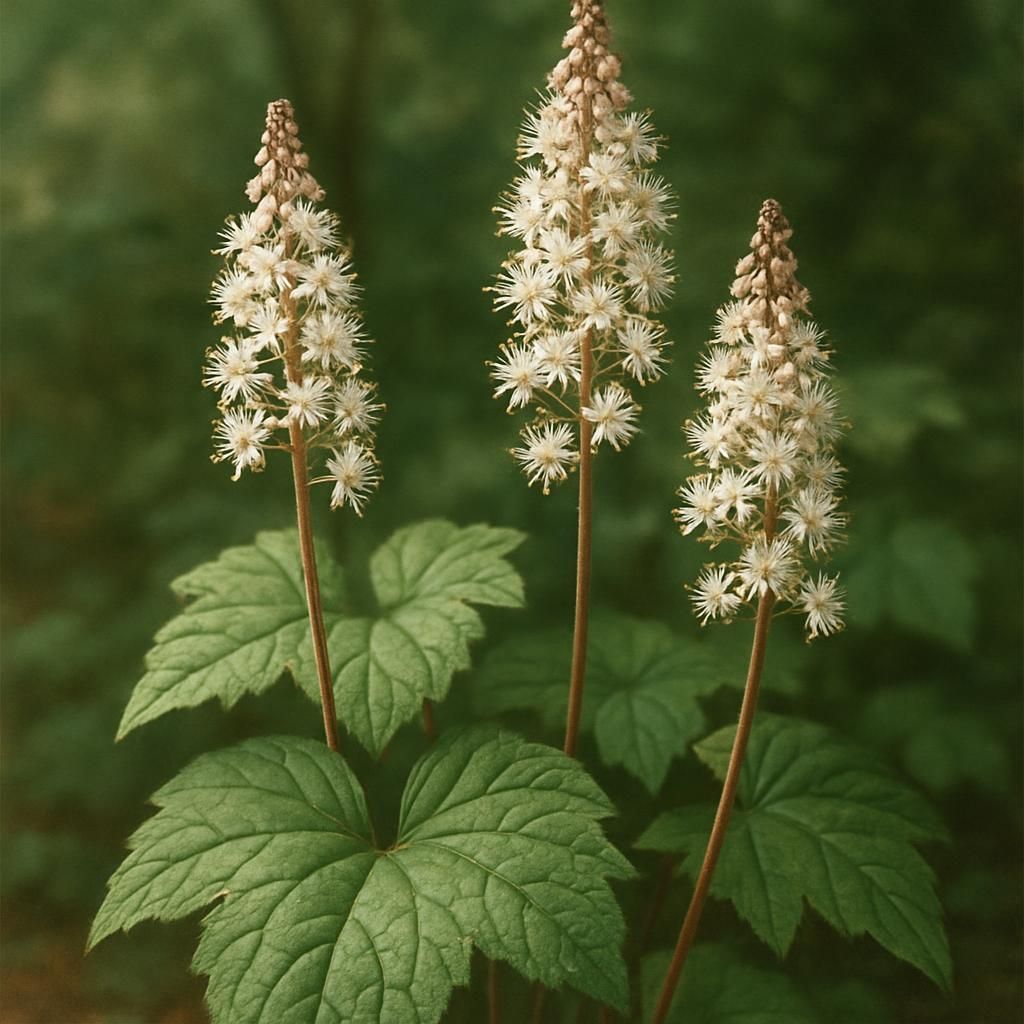
Introduction to Tiarella
Tiarella, or foamflower, is a low-growing herbaceous perennial native to the woodlands of eastern North America. Gardeners value it for its evergreen or semi-evergreen foliage that often features striking burgundy veining and its airy spikes of tiny star-shaped flowers that appear in mid-to-late spring. As a groundcover, Tiarella excels in moist, shaded conditions where many other plants struggle, providing year-round texture and suppressing weeds naturally.
The plant spreads slowly via stolons, forming dense mats that stabilize soil on slopes and reduce erosion in woodland settings. Its tolerance for deep shade and consistent moisture makes it a reliable choice for understory planting beneath deciduous trees or along north-facing walls. Tiarella is also deer-resistant and low-maintenance once established, making it an excellent addition to native plant gardens and pollinator habitats.
Botanical Profile of Tiarella
Tiarella cordifolia belongs to the Saxifragaceae family and produces heart-shaped, deeply lobed leaves that emerge in basal rosettes. The foliage typically reaches 4–8 inches in height while the flowering stems extend 12–18 inches tall, topped with racemes of fragrant white or pale pink blooms. Each individual flower has five petals and prominent stamens, giving the inflorescence a frothy appearance that inspired the common name “foamflower.”
In addition to the straight species, numerous cultivars offer enhanced leaf coloration, such as ‘Brandywine’ with its deep purple veins and ‘Oakleaf’ with more deeply lobed foliage. Tiarella is rhizomatous and slowly colonizes suitable sites without becoming invasive. It is hardy in USDA zones 3–8 and maintains attractive foliage through mild winters in many regions.
Soil, pH, and Climate Requirements for Tiarella
Tiarella thrives in fertile, well-drained yet consistently moist soils rich in organic matter. The plant prefers a slightly acidic to neutral pH and performs poorly in heavy clay or waterlogged conditions. Good air circulation helps prevent foliar diseases in humid climates.
| Parameter | Ideal Range | Notes |
|---|---|---|
| Soil Type | Loamy, humus-rich | Incorporate leaf mold or compost |
| Soil pH | 5.5 – 7.0 | Slightly acidic to neutral |
| Moisture | Consistently moist | Avoid standing water |
| Temperature Range | 50–75 °F (10–24 °C) | Cool woodland conditions preferred |
| USDA Hardiness | Zones 3–8 | Mulch in colder zones for winter protection |
| Light | Partial to full shade | Dappled sunlight or north-facing exposure |
Step-by-Step Planting & Propagation
Begin by preparing the planting area in early spring or fall. Remove weeds and incorporate 2–3 inches of well-rotted compost or leaf mold into the top 8–10 inches of soil. Space plants 12–18 inches apart to allow for gradual spreading. Dig holes twice the width of the root ball and set plants at the same depth they were growing in the nursery container. Water thoroughly after planting and apply a 1–2 inch layer of shredded bark mulch to conserve moisture.
Propagation is most successful by division in early spring or fall. Carefully lift established clumps and separate into smaller sections, each with several leaves and healthy roots. Replant divisions immediately and keep evenly moist until new growth appears. Tiarella can also be grown from seed, though germination is slow and seedlings require protection from slugs during the first year.
Care & Maintenance regimes for Tiarella
Tiarella requires minimal intervention once established. Focus on maintaining consistent soil moisture, removing spent flower stems, and refreshing mulch annually. In very dry summers supplemental watering may be necessary, especially for young plants. Fertilization is rarely needed in rich woodland soils; a light application of balanced organic fertilizer in early spring supports vigorous growth in poorer sites.
| Task | Schedule | Details |
|---|---|---|
| Watering | Weekly during dry spells | Deep soak to 6 inches; reduce in cool weather |
| Fertilizer | Early spring (optional) | Low-nitrogen organic blend at half strength |
| Pruning | After flowering & late fall | Remove spent blooms; cut back damaged foliage |
| Mulch Refresh | Early spring & late fall | Maintain 1–2 inches of organic mulch |
| Division | Every 3–4 years | Rejuvenate clumps in spring or fall |
Pests, Diseases & Organic Management
Tiarella is generally pest-resistant, though slugs and snails may damage young foliage in damp conditions. Hand-pick or use iron-phosphate baits for control. Occasional outbreaks of Aphids or Spider Mites can be managed with strong water sprays or insecticidal soap. Fungal issues such as Powdery Mildew may appear in overcrowded plantings with poor air circulation; thin clumps and improve airflow to prevent recurrence.
Root rot can occur in poorly drained soils; always plant in amended beds and avoid overwatering. Deer rarely browse Tiarella, but rabbits may nibble tender growth in early spring. Floating row covers provide effective protection during vulnerable periods.
Harvesting, Curing & Optimal Storage
Tiarella is grown primarily as an ornamental rather than a harvested crop. If collecting seed for propagation, allow flower spikes to dry on the plant until the seed capsules turn brown. Cut entire stems, place in paper bags, and allow further drying in a cool, airy location for 1–2 weeks. Store cleaned seeds in labeled paper envelopes inside airtight containers at 35–40 °F with low humidity. Viability declines after one year, so sow fresh seed whenever possible.
Foliage can be harvested lightly for floral arrangements; cut stems just above the basal rosette and place immediately in cool water. Fresh-cut foliage lasts 5–7 days in a vase when kept out of direct sunlight.
Companion Planting for Tiarella
Tiarella pairs beautifully with other shade-loving perennials that share similar moisture requirements. Excellent companions include Heuchera, ferns, and Trillium for layered woodland effects. The fine texture of foamflower foliage contrasts nicely with the bold leaves of Hosta and the evergreen fronds of Christmas fern. Avoid planting near aggressive spreaders such as English ivy that may outcompete Tiarella.
For added pollinator support, interplant with native woodland species like Wild Ginger and Solomon’s Seal. These combinations create resilient, low-maintenance plant communities that thrive in shaded garden conditions year after year.