Encyclopedia
Definitive guides for crops, pests, and agricultural diseases.

Basmati Rice
Basmati rice is a premium aromatic long-grain rice traditionally grown in the Indo-Gangetic plains, prized for its fragrance, elongation on cooking, and delicate texture. Successful production depends on precise water management, fertile but not excessively nitrogen-rich soil, warm growing conditions, and careful harvest timing to preserve grain quality and aroma.
View Guide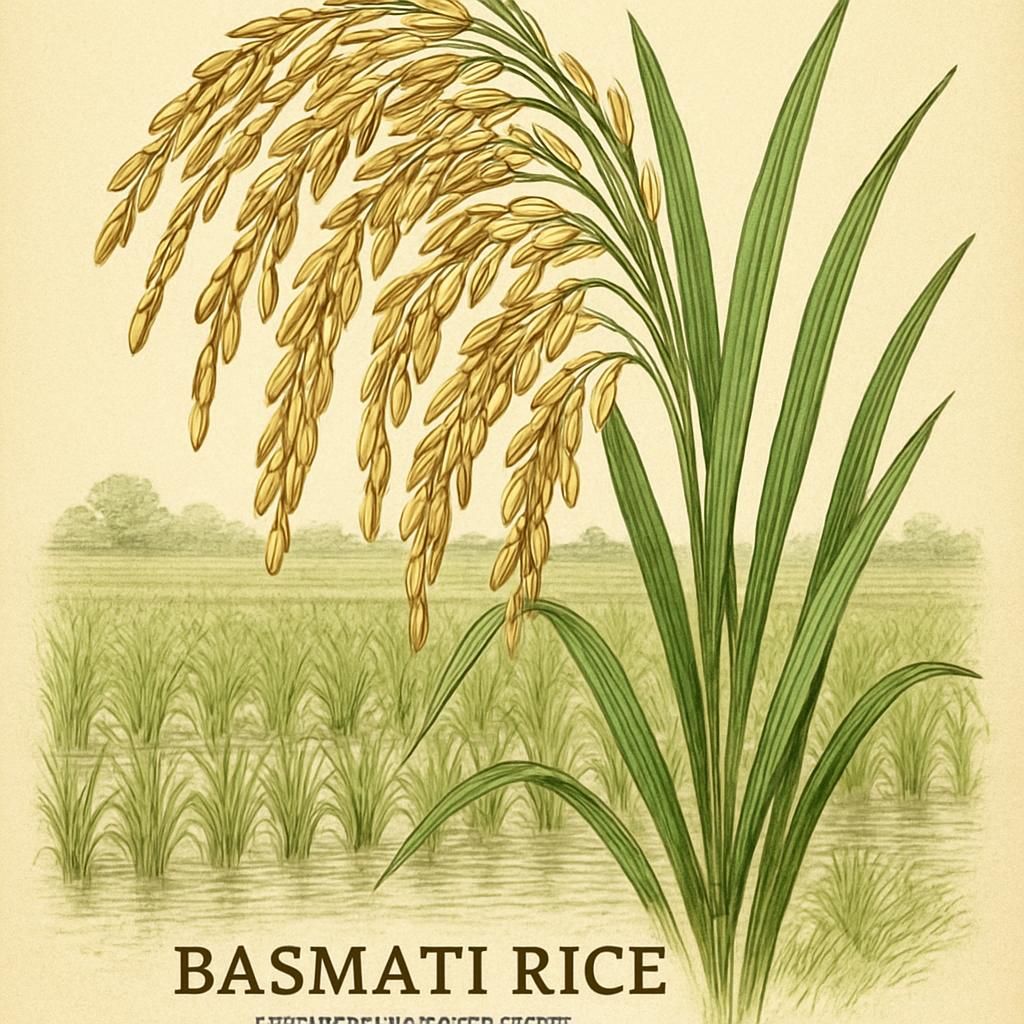
Basmati Rice (Dehraduni)
Basmati Rice (Dehraduni) is a renowned variety of rice known for its unique aroma and long grains. This variety is highly sought after for its distinct flavor and is predominantly grown in northern parts of India. Cultivating Dehraduni Basmati requires specific conditions to emulate its native environment for optimal yield and quality.
View Guide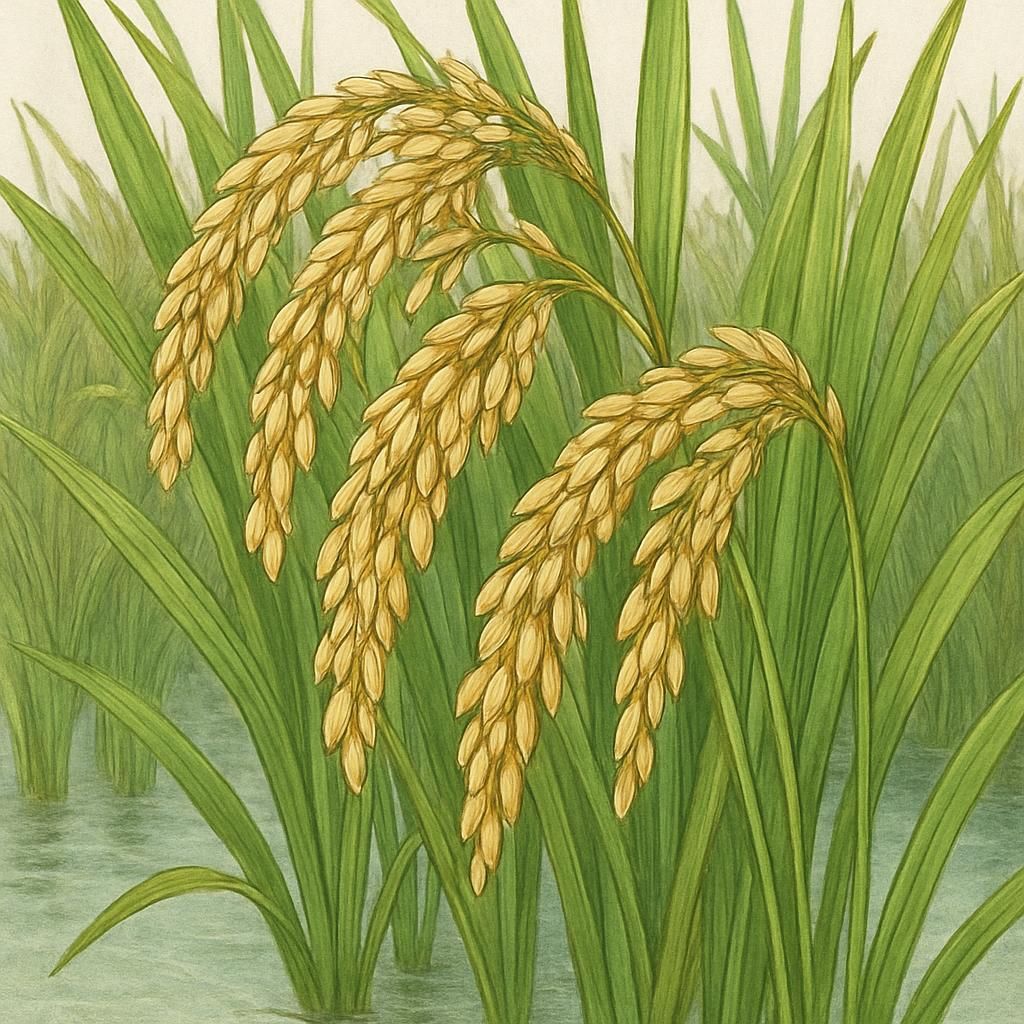
Basmati Rice (Pusa 1121)
Basmati Rice (Pusa 1121) is a high-quality rice variety renowned for its long grains and aromatic fragrance. It requires specific climatic and soil conditions for optimal growth, making it suitable for cultivation in certain subtropical and tropical regions.
View Guide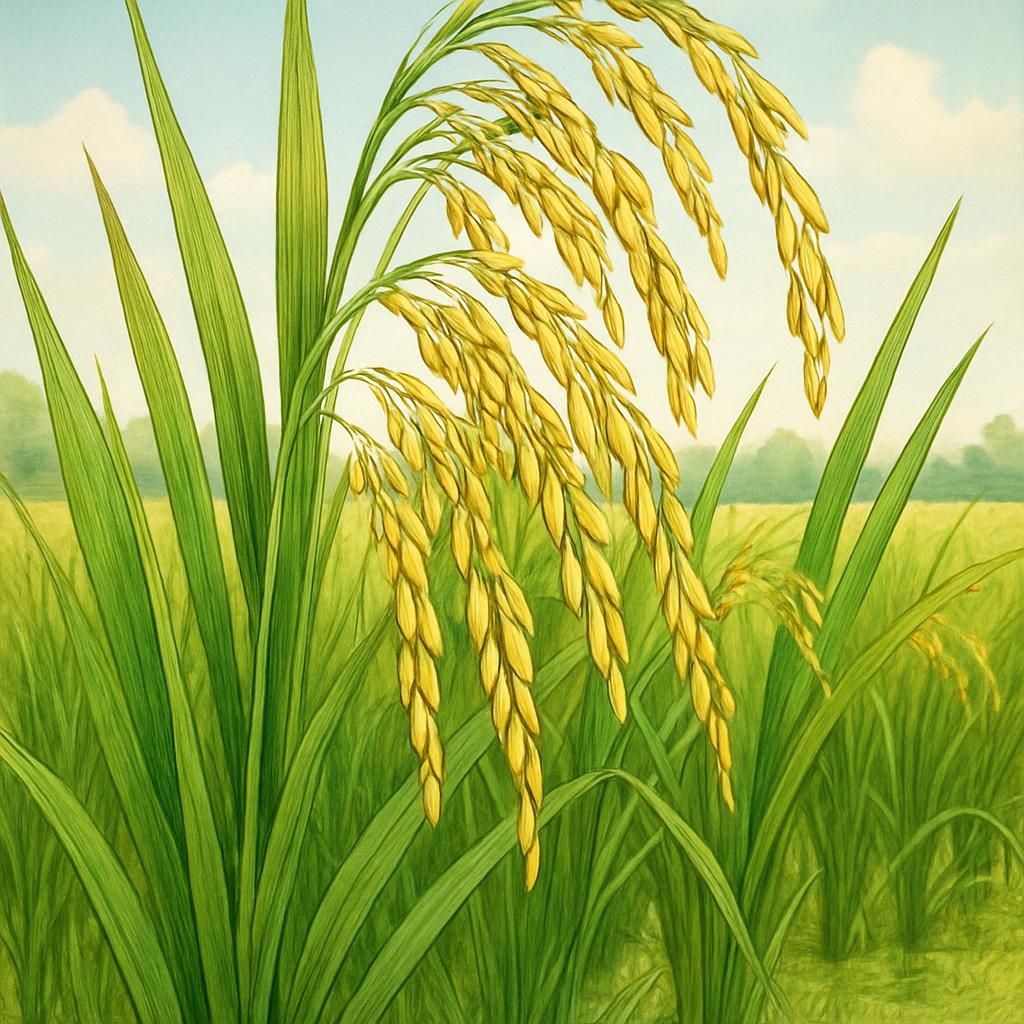
Basmati Rice (Taraori)
Basmati Rice (Taraori) is a traditional long-grain rice variety known for its distinctive aroma and delicate texture, primarily cultivated in northern India. It thrives in fertile, well-drained soils and requires specific climate conditions for optimal yield.
View Guide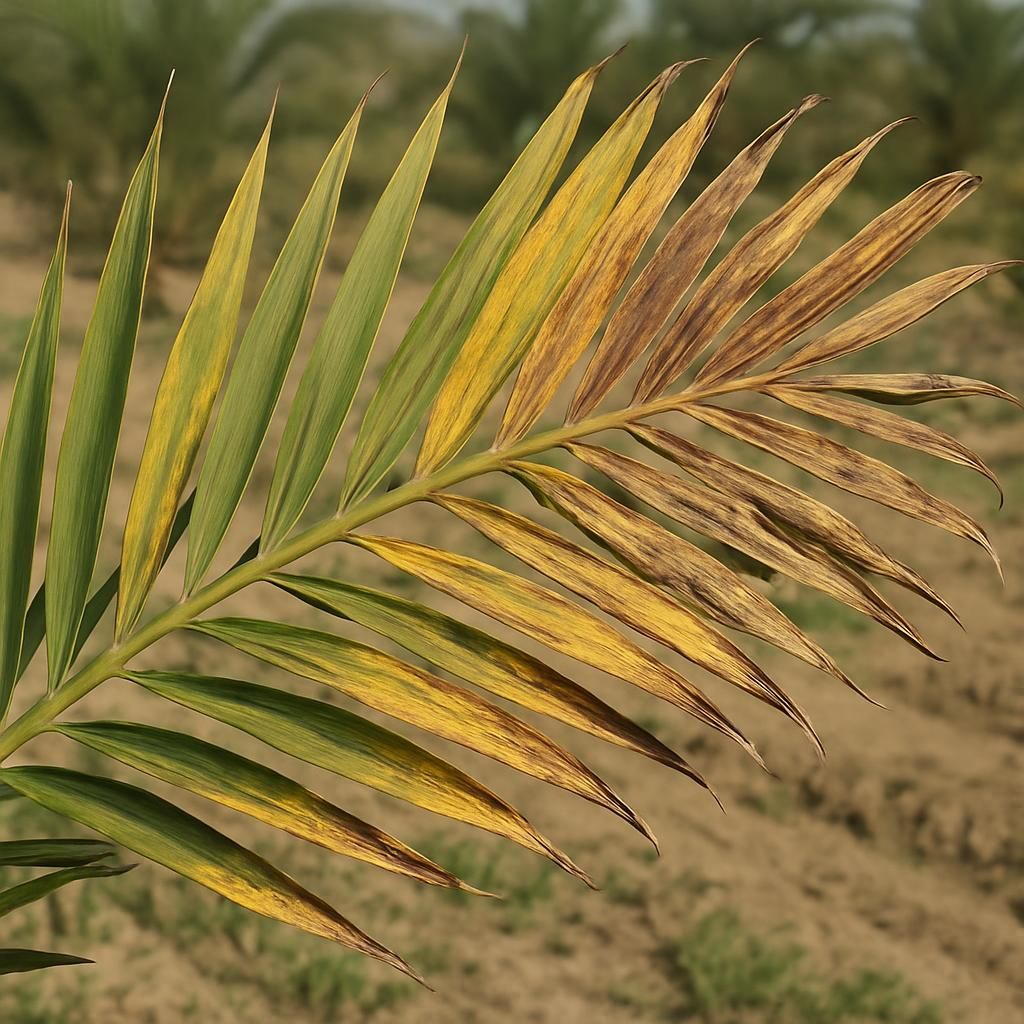
Bayoud disease
Bayoud disease is a lethal soil-borne fungal wilt that primarily attacks date palms, causing progressive yellowing, wilting, and eventual death of infected trees. The pathogen spreads through contaminated soil, irrigation water, and infected offshoots, making it one of the most destructive diseases in North African and Middle Eastern date-growing regions. Effective management relies on resistant varieties, strict sanitation, and long-term soil health practices.
View Profile
Beach Cherry (Eugenia arnhemica)
Beach Cherry (Eugenia arnhemica) is a resilient Australian native shrub prized for its salty-sweet berries and salt-tolerant nature, ideal for coastal gardens and harsh environments. This guide provides expert cultivation techniques, from propagation to harvest, ensuring bountiful yields of antioxidant-rich fruit. Perfect for home growers seeking low-maintenance, drought-hardy crops.
View Guide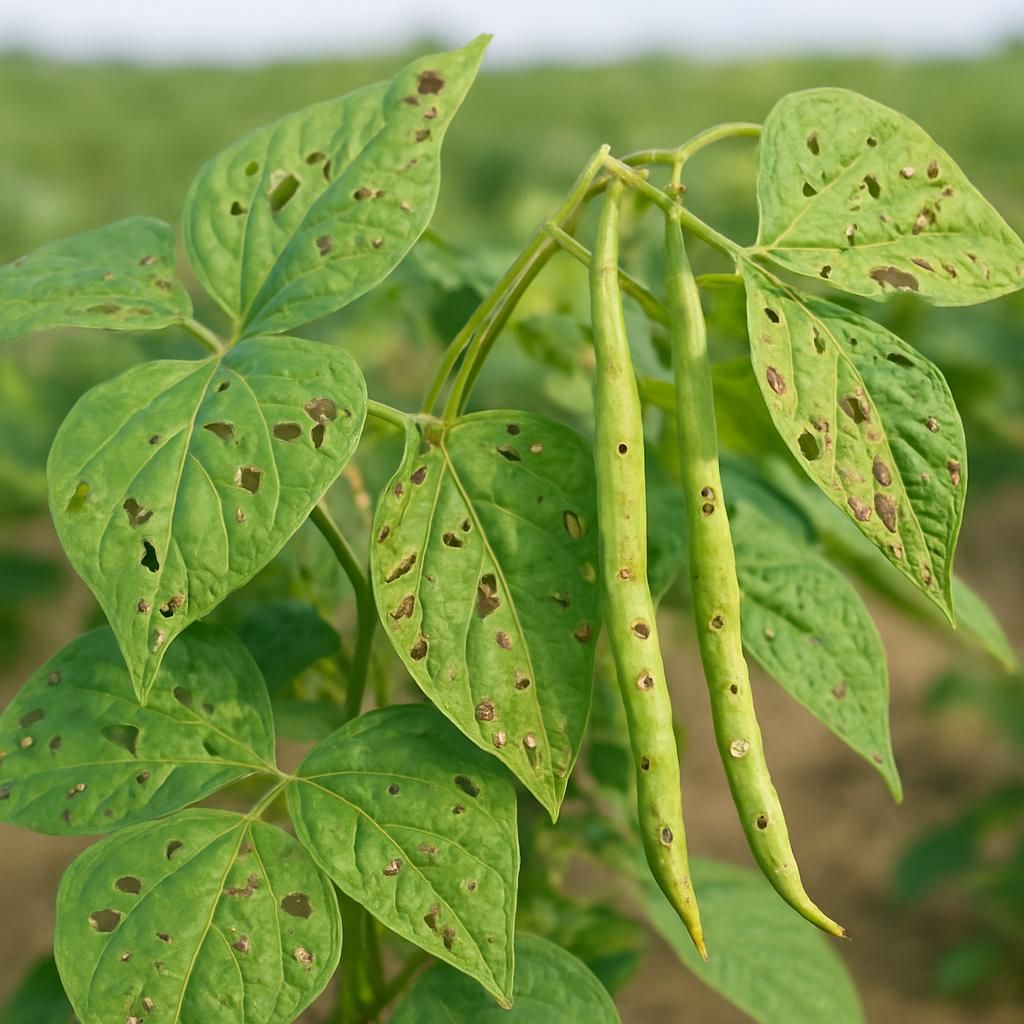
bean
Bean refers to the common dry and snap bean crops widely cultivated for their edible pods and seeds. This guide provides a definitive diagnostic and integrated management framework for the key pests and diseases impacting bean production across commercial and small-scale farms.
View Guide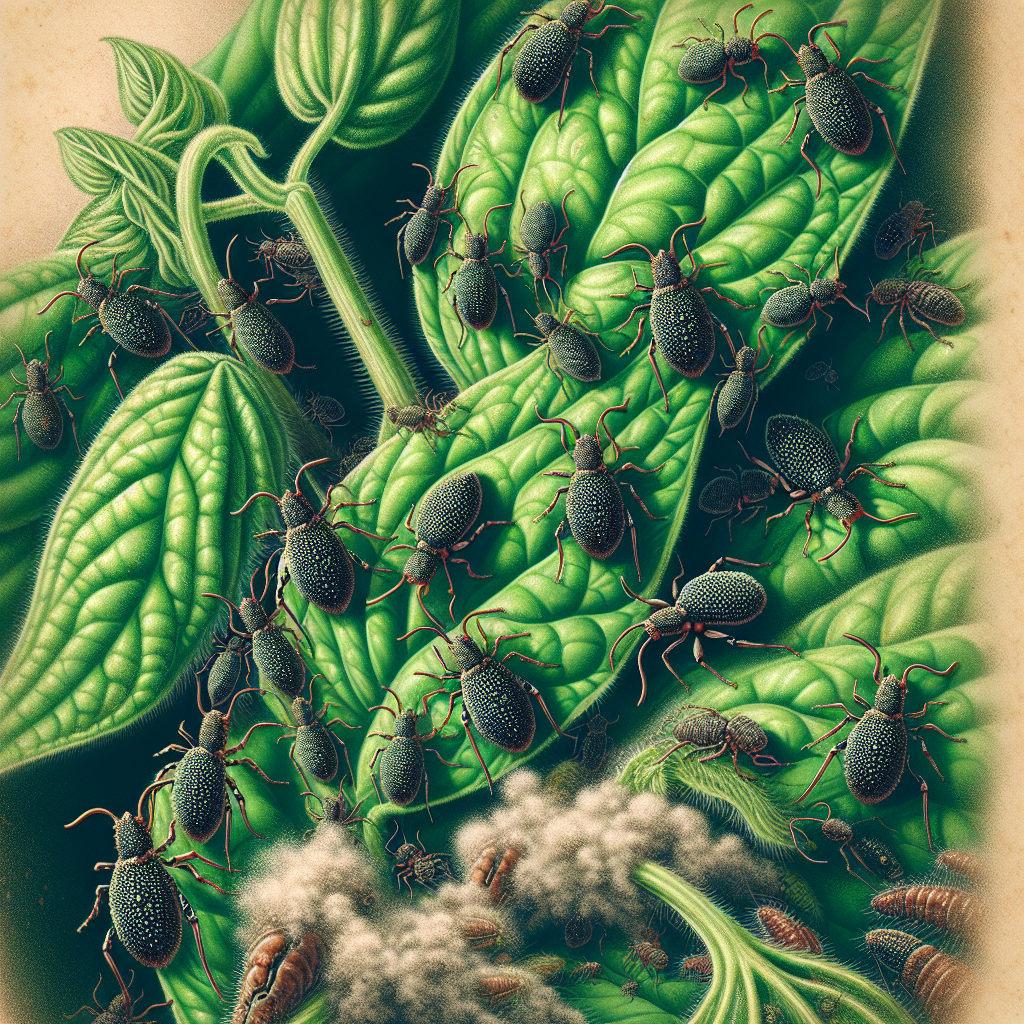
Bean Aphid
The bean aphid (Aphis fabae) is a pervasive sap-sucking pest that targets legumes, causing stunted growth, leaf curl, and honeydew production leading to sooty mold. This guide provides comprehensive diagnostics, lifecycle insights, organic management strategies, and prevention tactics for farmers battling infestations. Effective control combines monitoring, biological agents, and cultural practices to safeguard yields.
View Profile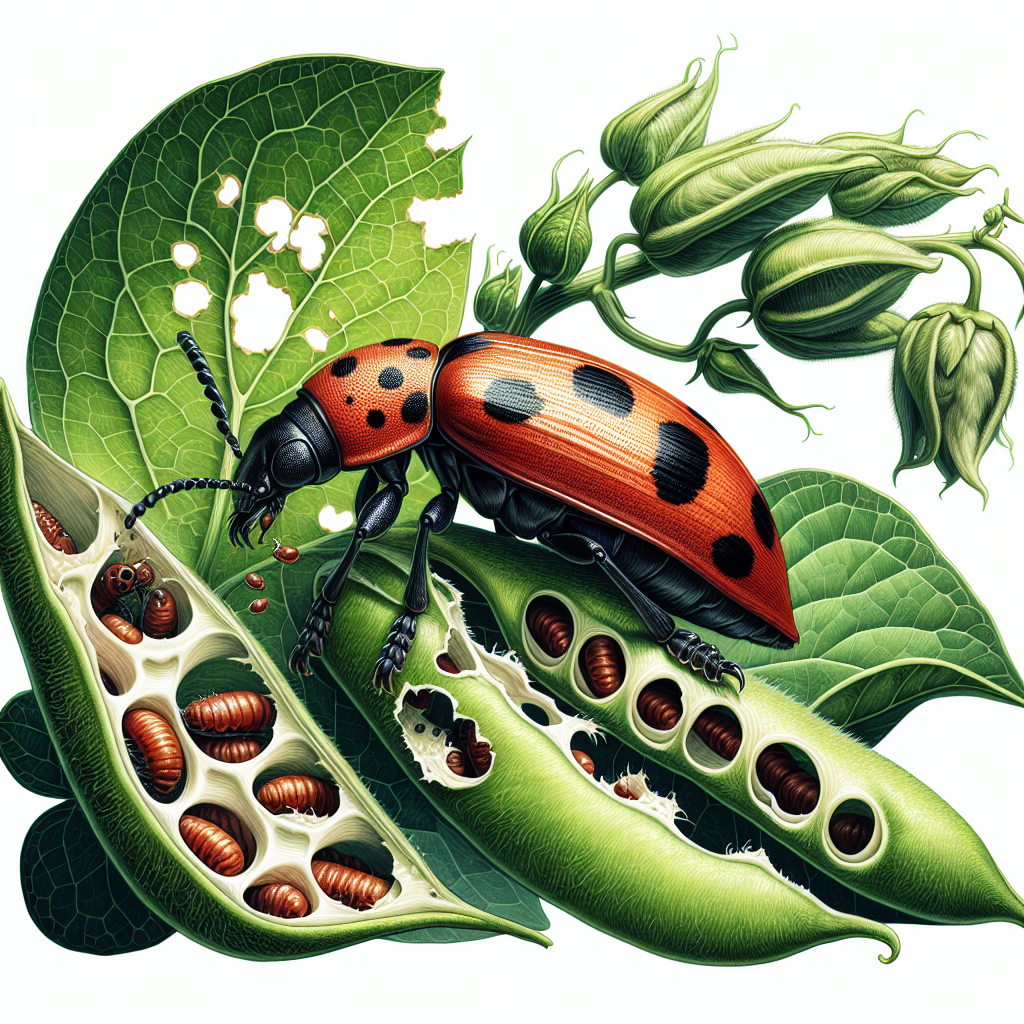
Bean beetles
Bean beetles, including seed beetles like Acanthoscelides obtectus and leaf-feeding species like the bean leaf beetle (Cerotoma trifurcata), are destructive pests targeting legumes worldwide. They cause significant damage by feeding on foliage, pods, and seeds, leading to yield losses up to 50% in untreated fields. This guide provides comprehensive diagnostics, lifecycle insights, organic controls, and prevention strategies for effective management.
View Profile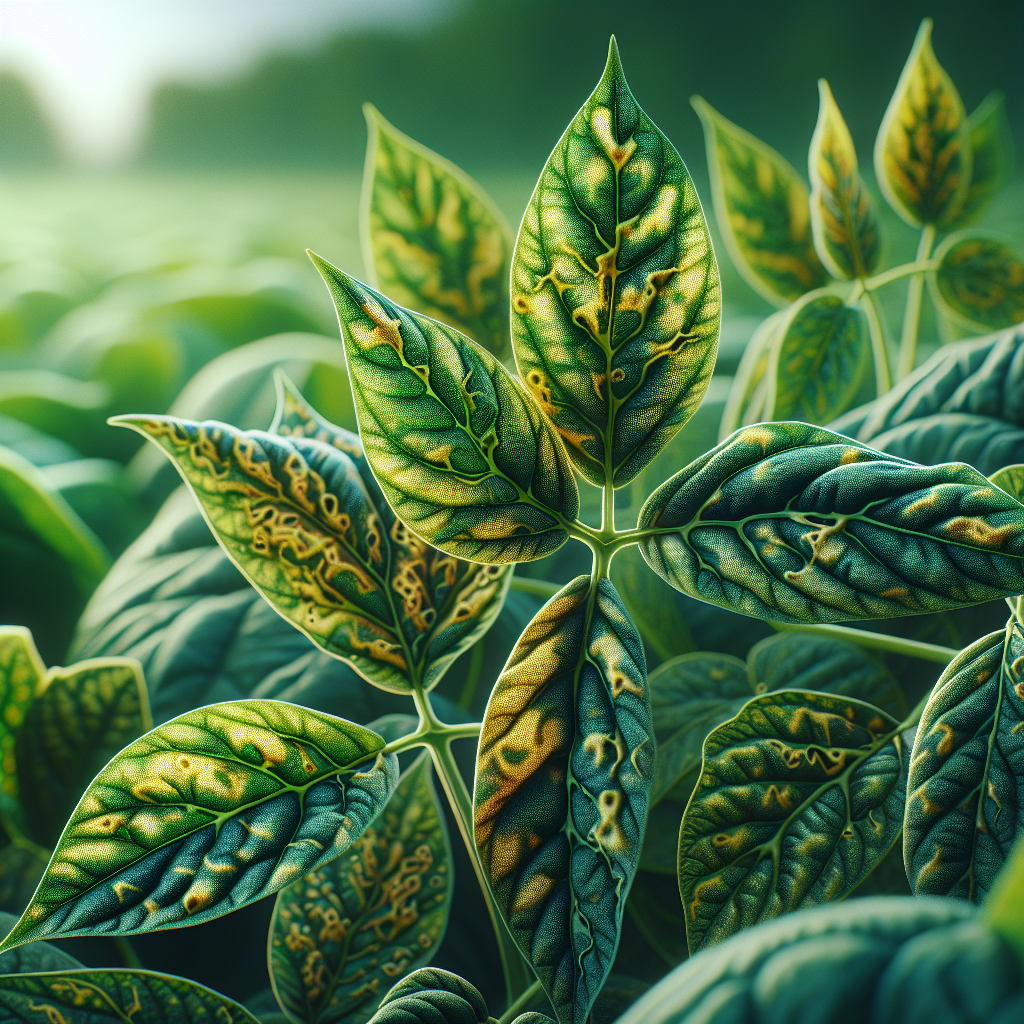
Bean common mosaic virus
Bean common mosaic virus (BCMV) is a widespread potyvirus that infects beans and legumes, causing mosaic patterns, leaf distortion, and yield losses up to 100% in severe cases. Transmitted primarily by aphids in a non-persistent manner and through infected seeds, it poses a significant threat to bean production worldwide. Effective management relies on virus-free seeds, resistant varieties, and vector control.
View Profile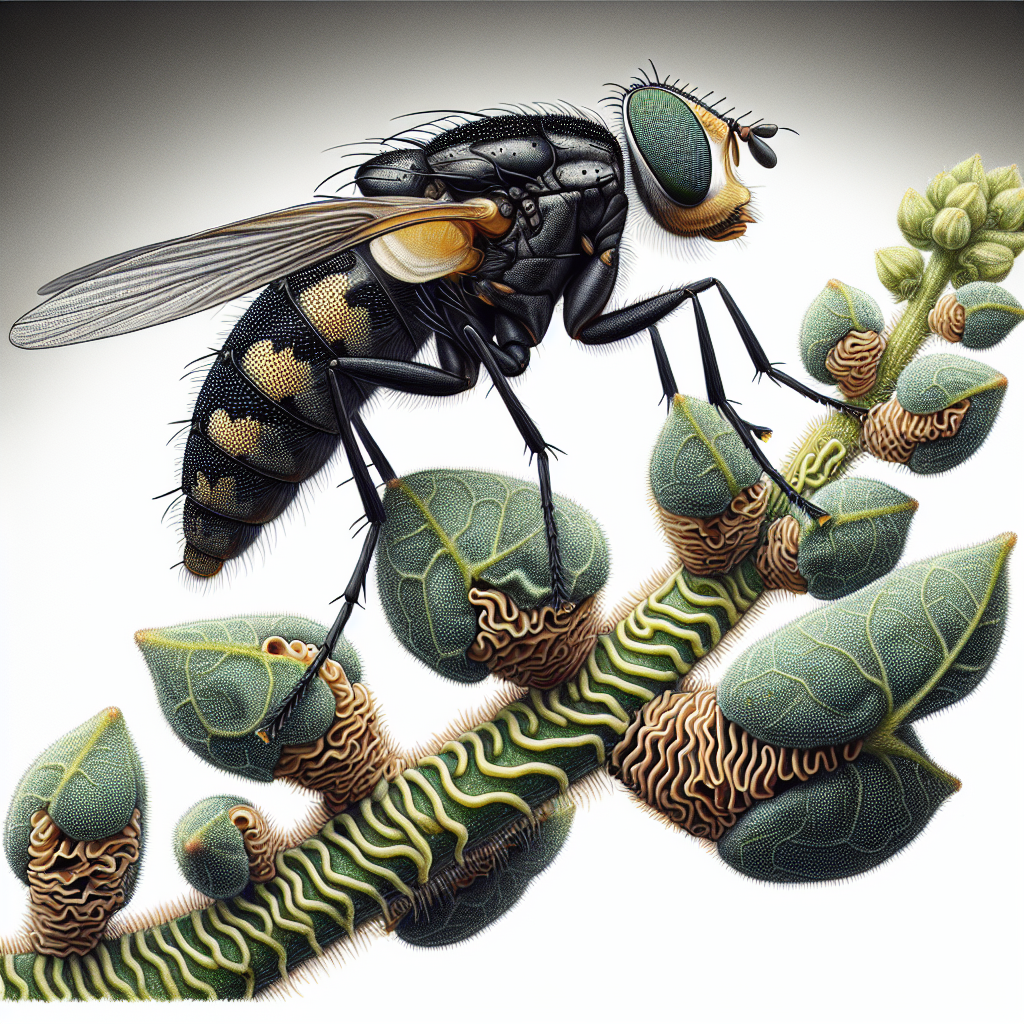
bean flies
Bean flies are small, insidious pests that target legume crops by laying eggs in stems, with larvae mining tunnels that cause wilting and plant death. Primarily affecting beans and related crops in warm climates, they can devastate seedlings and young plants. Effective management combines cultural practices, organic treatments, and vigilant monitoring for sustainable control.
View Profile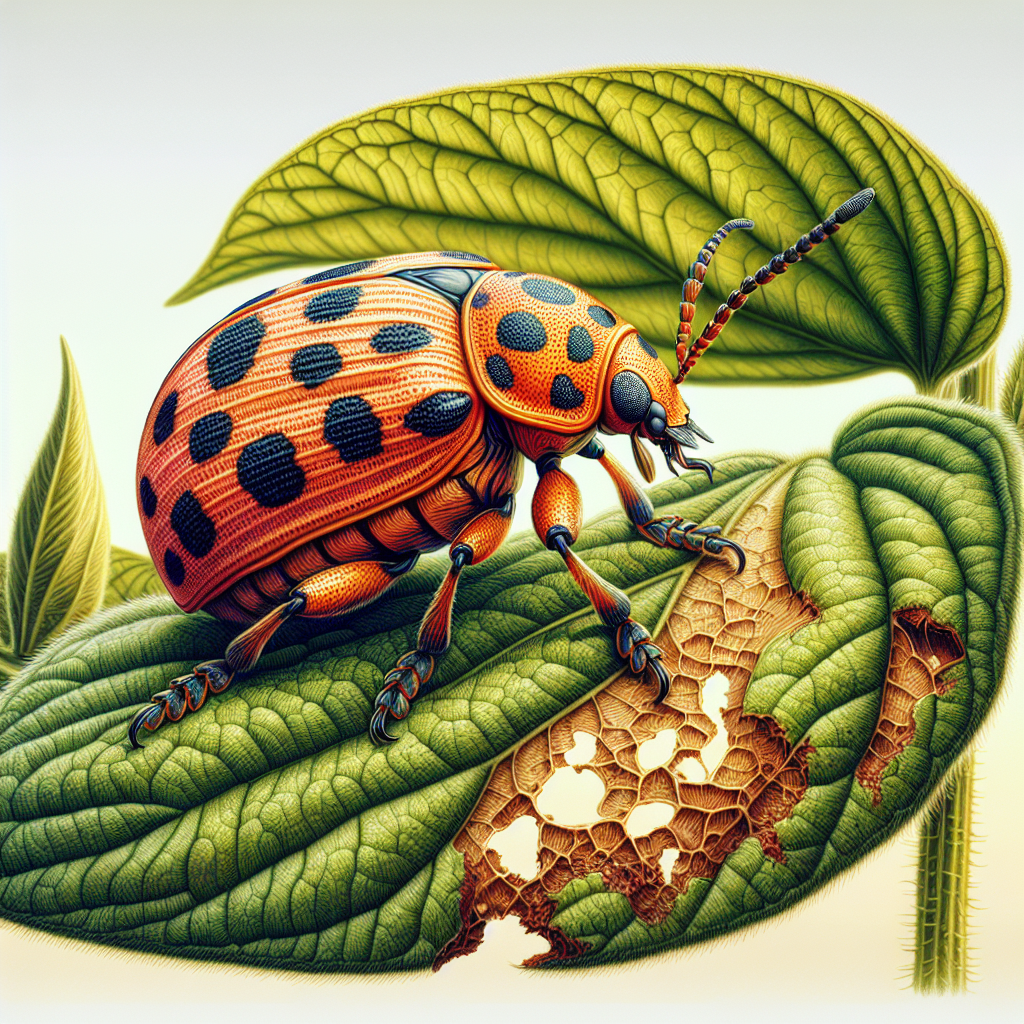
bean leaf beetles
Bean leaf beetles (Cerotoma trifurcata) are small, colorful pests that chew on leaves and pods of legume crops, causing significant defoliation and transmission of bean pod mottle virus. Native to North America, they thrive in warm, humid conditions and can reduce yields by up to 40% in severe infestations. Effective management combines cultural practices, organic controls, and vigilant scouting for optimal results.
View Profile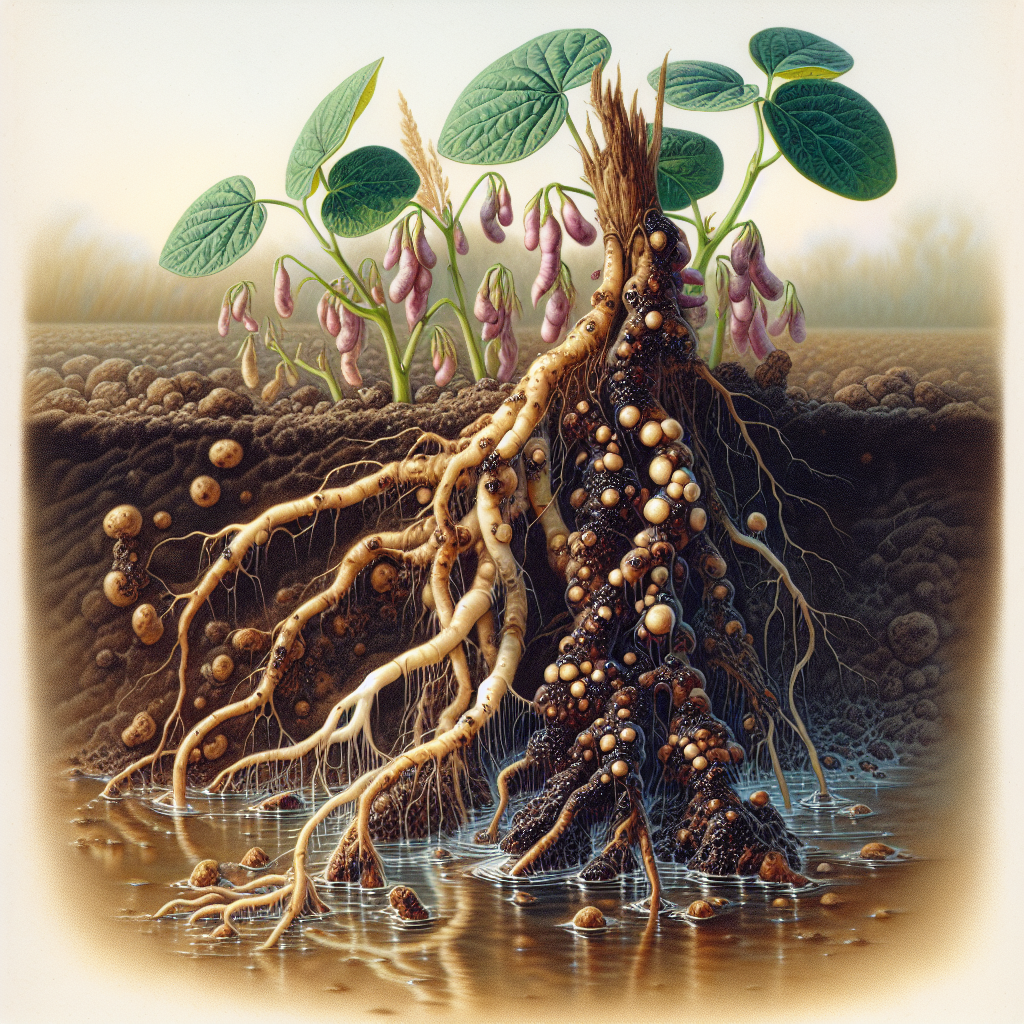
Bean root rot
Bean root rot is a devastating soilborne fungal disease primarily caused by Pythium, Rhizoctonia, and Fusarium species that attacks bean roots, leading to wilting, stunting, and plant death. It thrives in poorly drained, waterlogged soils and can wipe out entire crops if not managed properly. This guide provides comprehensive diagnostics, organic treatments, and prevention strategies for bean growers.
View Profile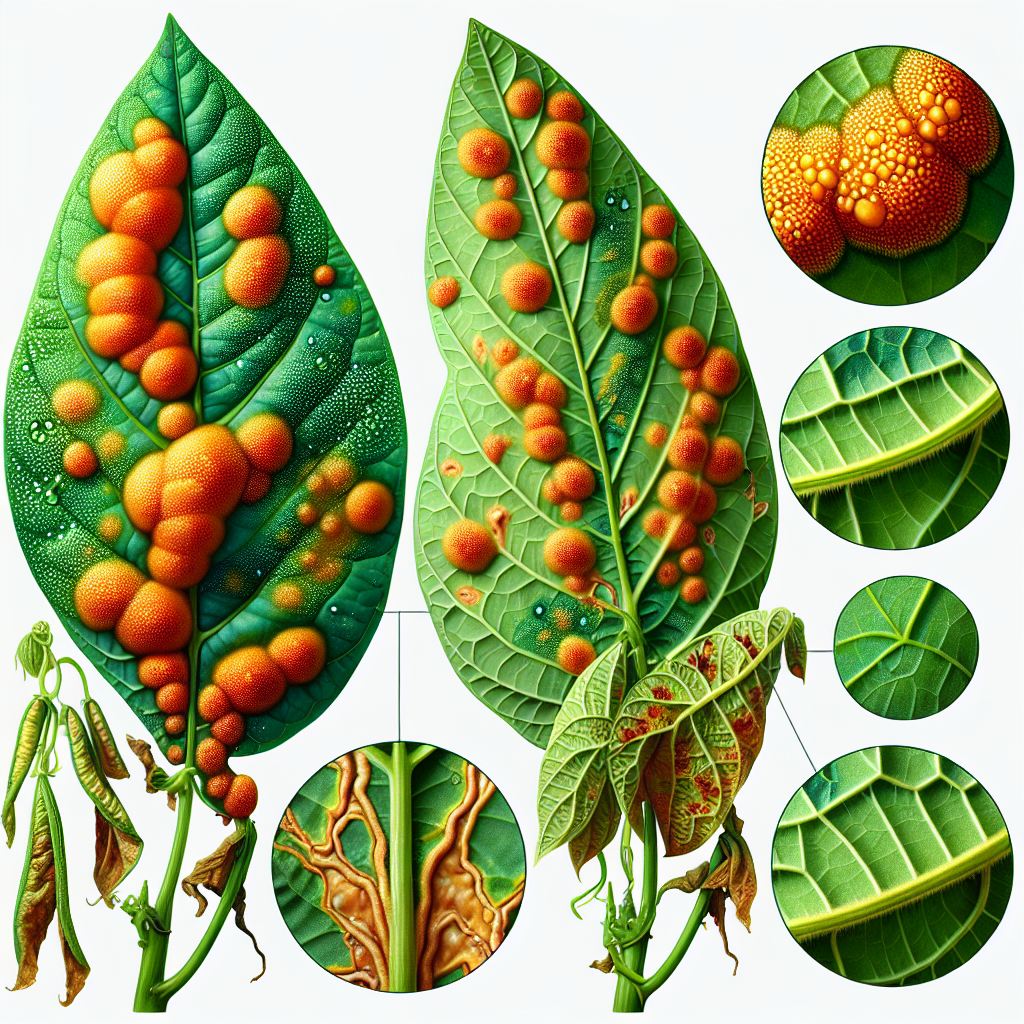
Bean rust
Bean rust is a destructive fungal disease caused by Uromyces appendiculatus that produces distinctive reddish-brown pustules on bean leaves, stems, and pods, leading to severe defoliation and yield losses up to 90% in susceptible varieties. It thrives in warm, humid conditions and can devastate both commercial fields and home gardens. Effective management relies on resistant varieties, cultural practices, and timely organic fungicide applications.
View Profile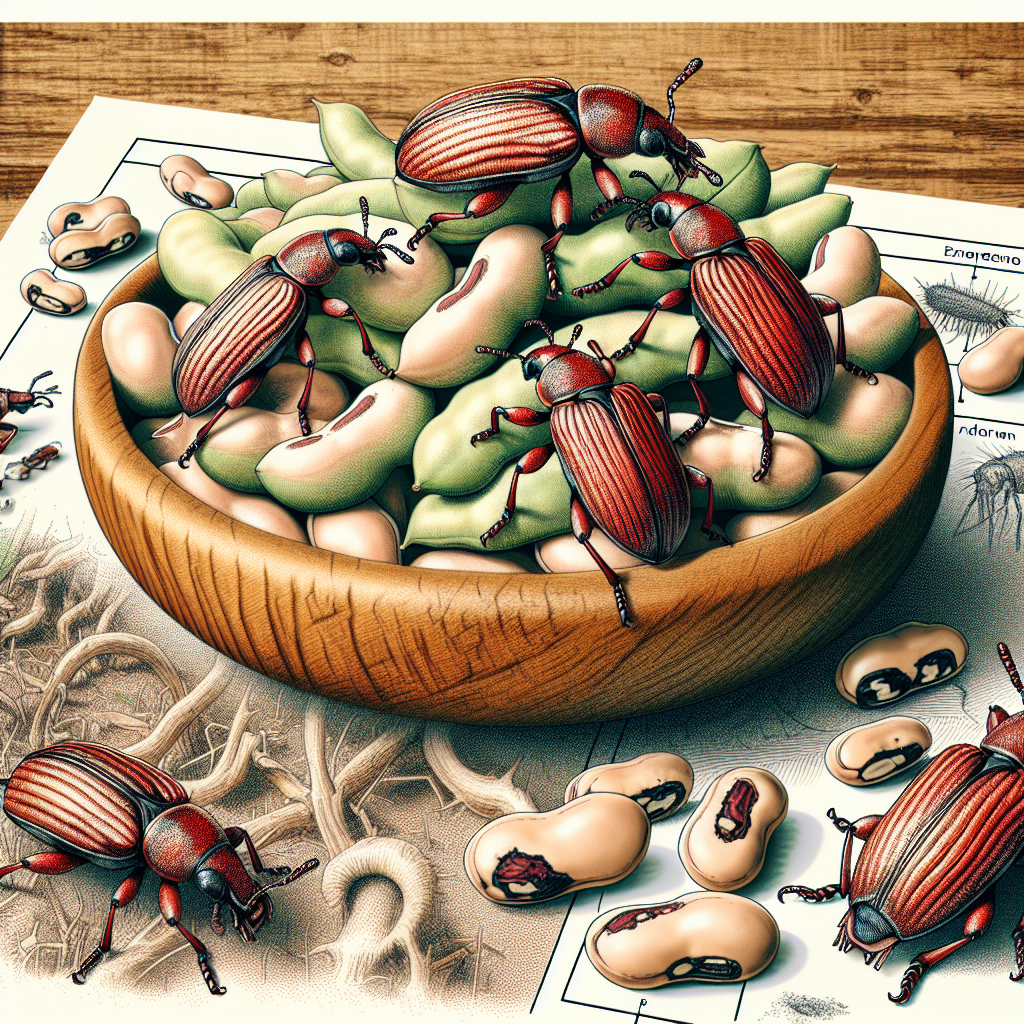
Bean weevils
Bean weevils are small beetles that infest stored legumes, causing significant damage to beans, peas, and lentils by laying eggs inside seeds. Their larvae feed internally, rendering seeds unfit for consumption or planting. Effective management combines sanitation, storage practices, and targeted controls.
View Profile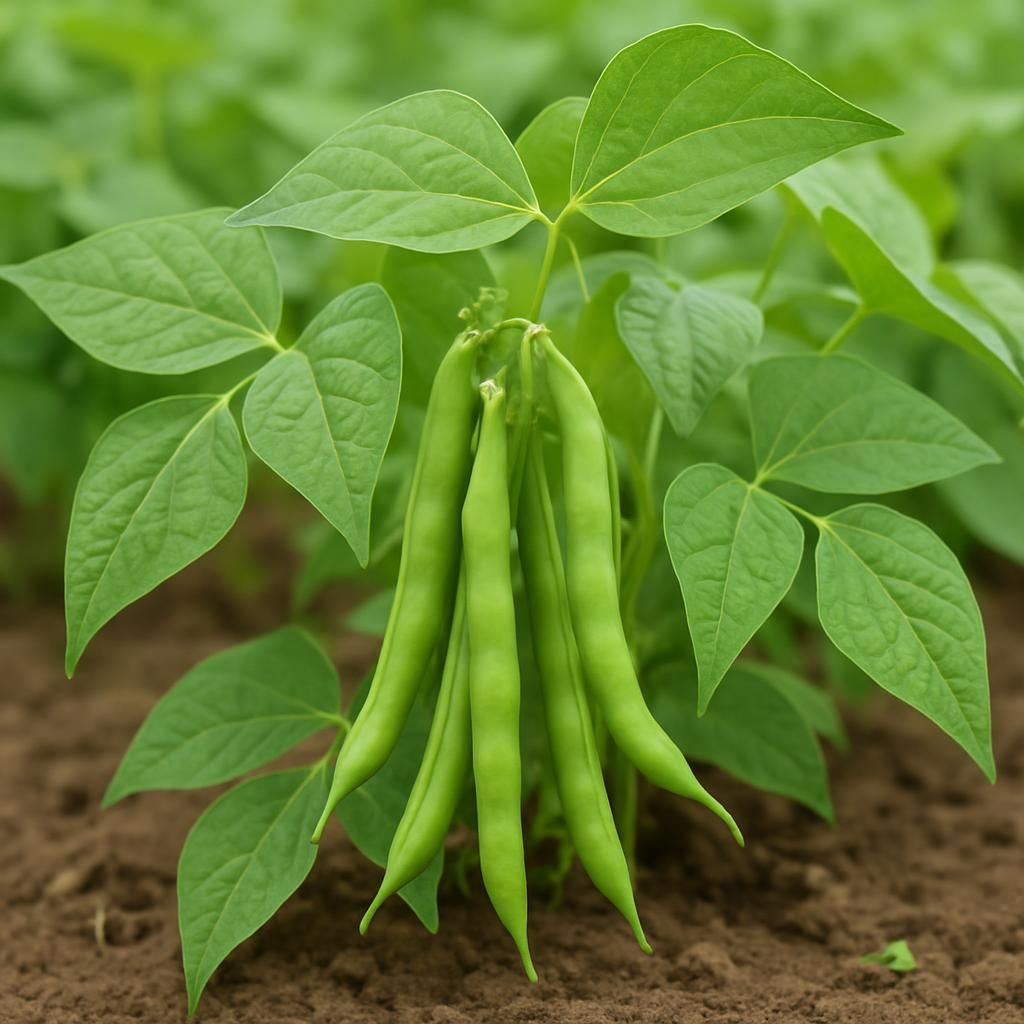
Beans
Beans are versatile, nitrogen-fixing legumes prized for their edible pods and seeds. This definitive guide covers everything from soil preparation to harvest and storage for home gardeners and commercial growers.
View Guide
Beaumont Macadamia
Beaumont Macadamia is a vigorous, productive hybrid macadamia cultivar valued for its heavy bearing, pink-red new flush, and attractive ornamental form as much as for its rich nuts. It performs best in warm, frost-free to lightly frosted subtropical climates with excellent drainage, careful irrigation management, and long-term canopy training to balance vigor, flowering, and harvest efficiency.
View Guide
Beauregard Sweet Potato
Beauregard is one of the most widely grown orange-fleshed sweet potato cultivars in North America, valued for high yields, attractive copper-rose skin, deep orange flesh, and dependable performance across a broad range of warm growing regions. It is especially prized for relatively uniform roots, good disease tolerance, and excellent eating quality, making it a favorite for home gardens, market farms, and commercial production.
View Guide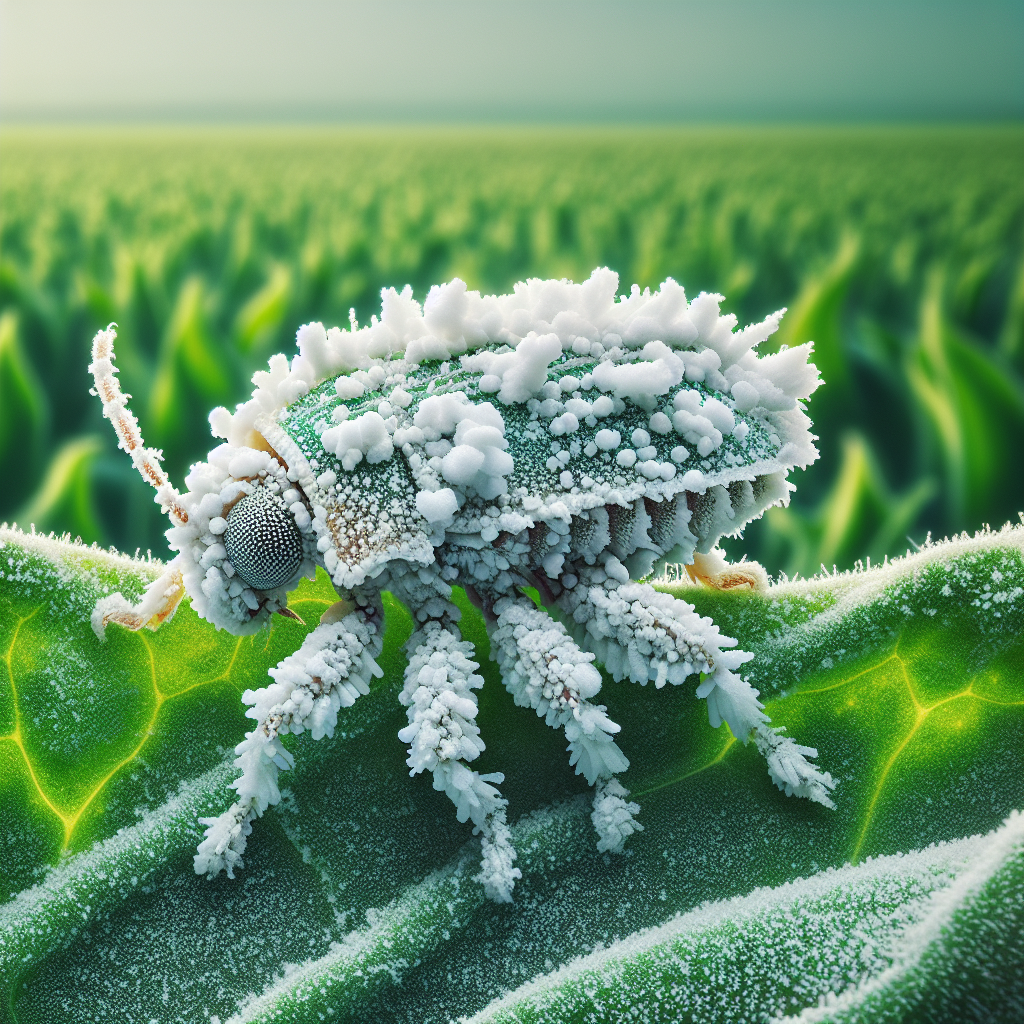
Beauveria bassiana
Beauveria bassiana is an entomopathogenic fungus widely used as a biological insecticide to control insect pests in agriculture, infecting and killing a broad range of arthropods. While harmless to plants, mammals, and beneficial insects when applied correctly, it can sometimes appear as a white fungal growth on dead insects in crops. This guide covers its identification, lifecycle, beneficial applications, and management strategies for optimal use in organic farming.
View Profile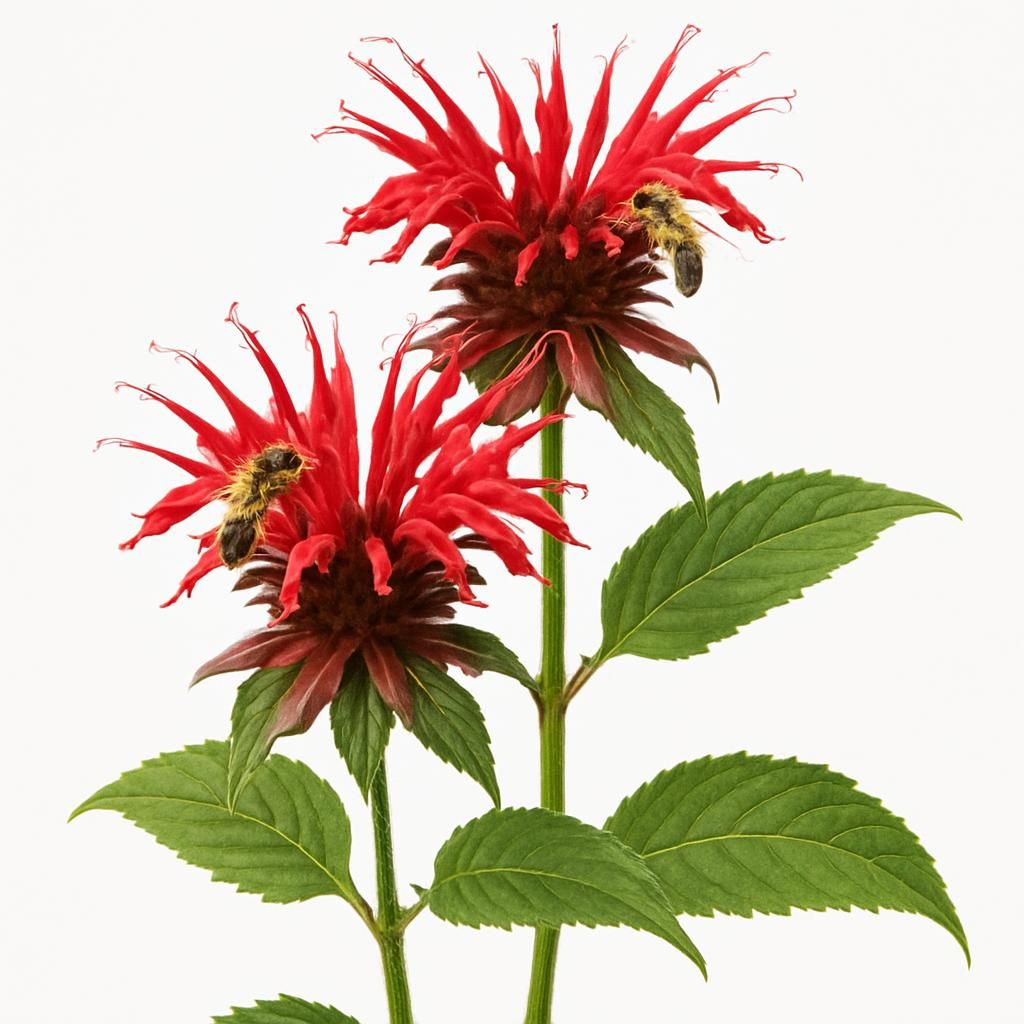
bee balm
Bee balm is a fragrant, nectar-rich perennial herb in the mint family prized for attracting pollinators while producing aromatic leaves and showy flowers suitable for both culinary and medicinal use.
View Guide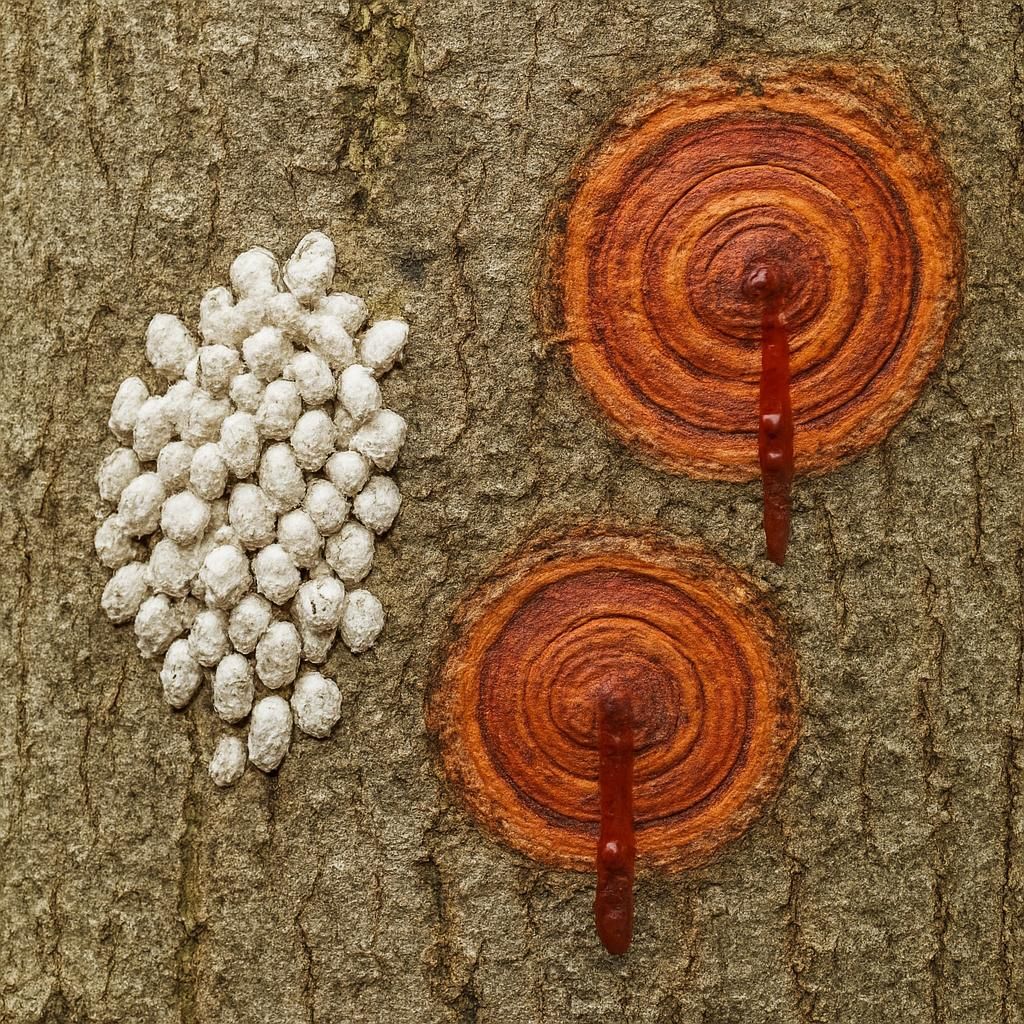
Beech bark disease
Beech bark disease is a lethal complex affecting American beech (Fagus grandifolia) caused by the scale insect Cryptococcus fagisuga and the fungal pathogens Neonectria faginata and Neonectria ditissima. The scale feeds on bark, creating entry points for fungal invasion that results in cankers, girdling, and eventual tree death. This guide covers identification, lifecycle, risk factors, and integrated management strategies for foresters and land managers.
View Profile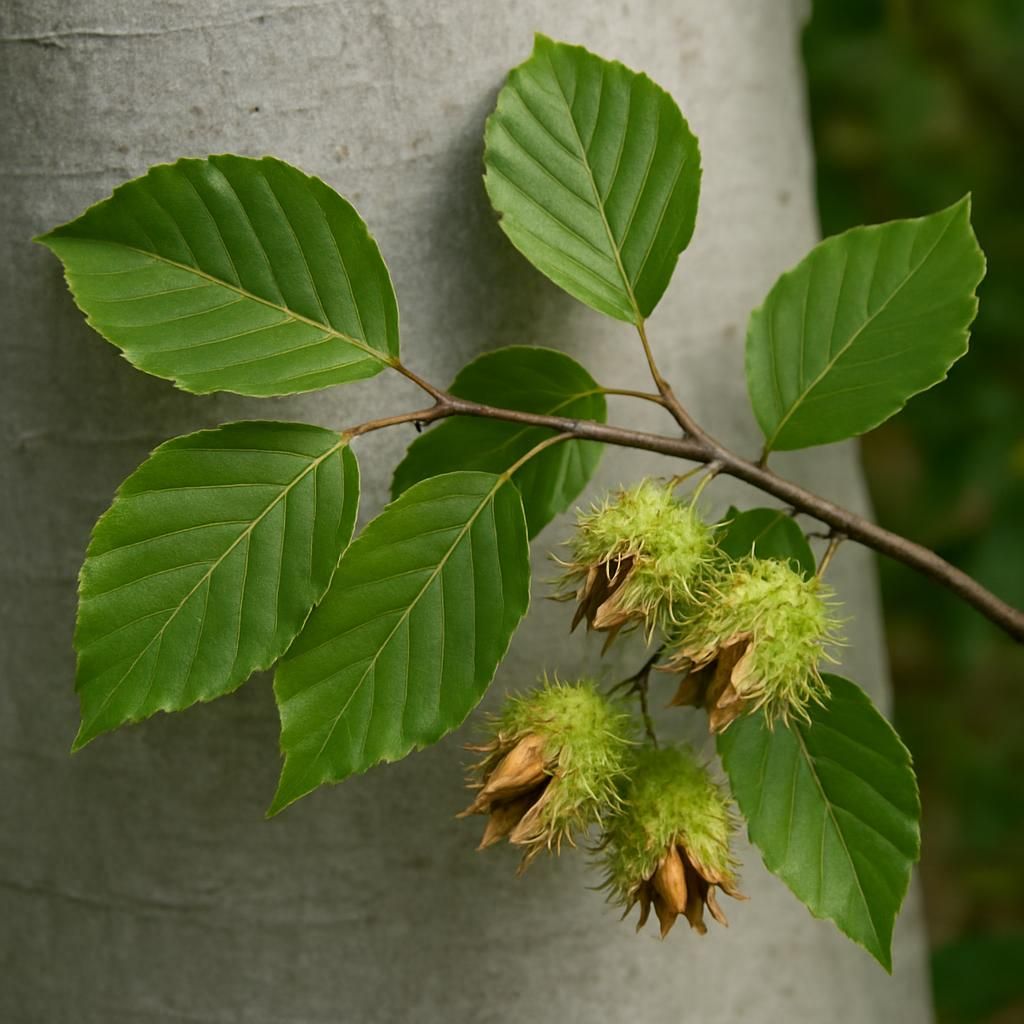
Beech Nut (Fagus sylvatica)
Beech Nut (Fagus sylvatica) is a long-lived deciduous tree valued for its edible triangular nuts and high-quality timber. This comprehensive guide covers optimal growing conditions, propagation, maintenance, and sustainable management practices for reliable nut production.
View Guide
Beefsteak Tomato
Beefsteak tomato is a large-fruited tomato type prized for its meaty texture, broad slices, and rich fresh-eating flavor. Because these vigorous plants carry exceptionally heavy fruit, they demand better staking, steadier irrigation, and tighter nutrient management than many smaller tomato types. With proper soil preparation, pruning, and disease prevention, beefsteak tomatoes can produce premium-quality fruit for home gardens and market-scale production alike.
View Guide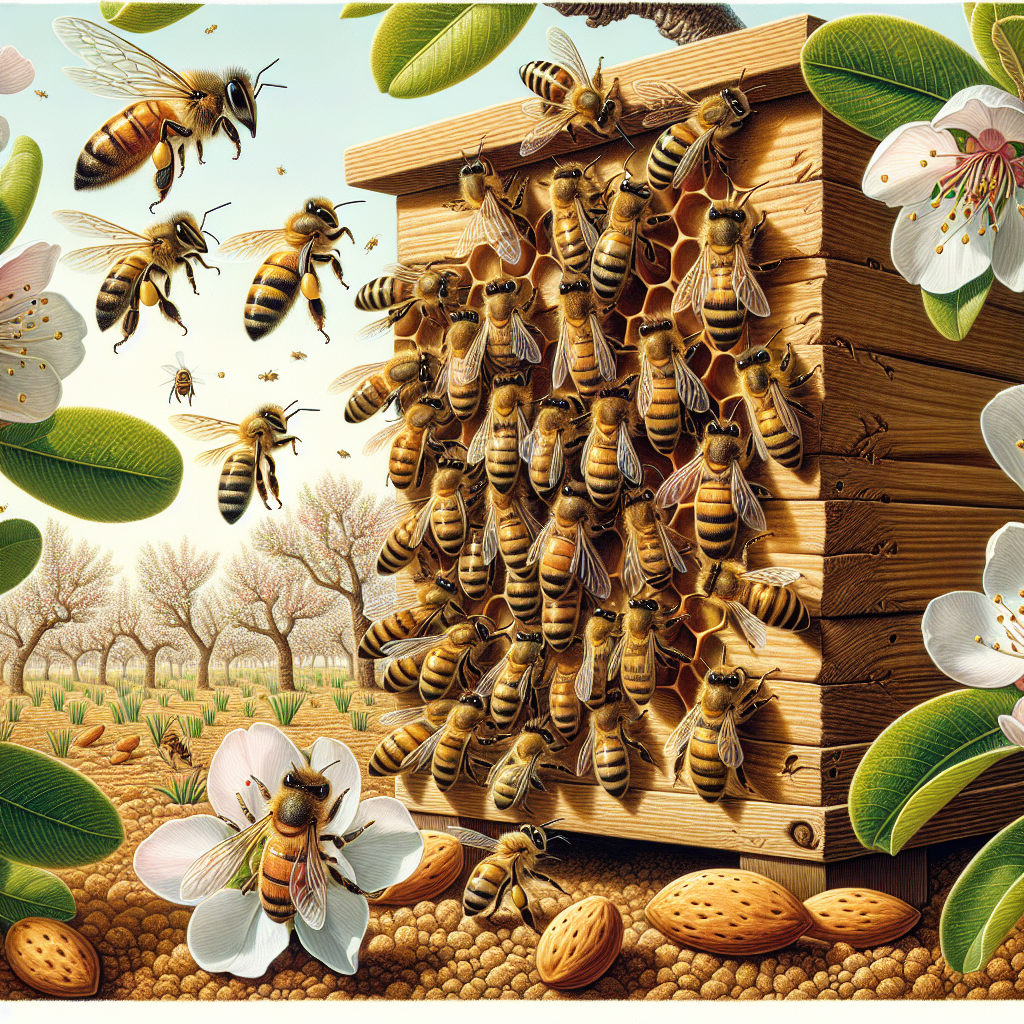
bees
Bees are essential pollinators in agriculture but can become problematic pests when nesting near crops or structures, causing structural damage, stings to workers, and contamination risks in sensitive areas. This guide provides diagnostic symptoms, lifecycle details, and organic management strategies for minimizing bee-related issues while preserving their vital pollination role. Farmers can implement prevention tactics to coexist safely with bees in agricultural settings.
View Profile