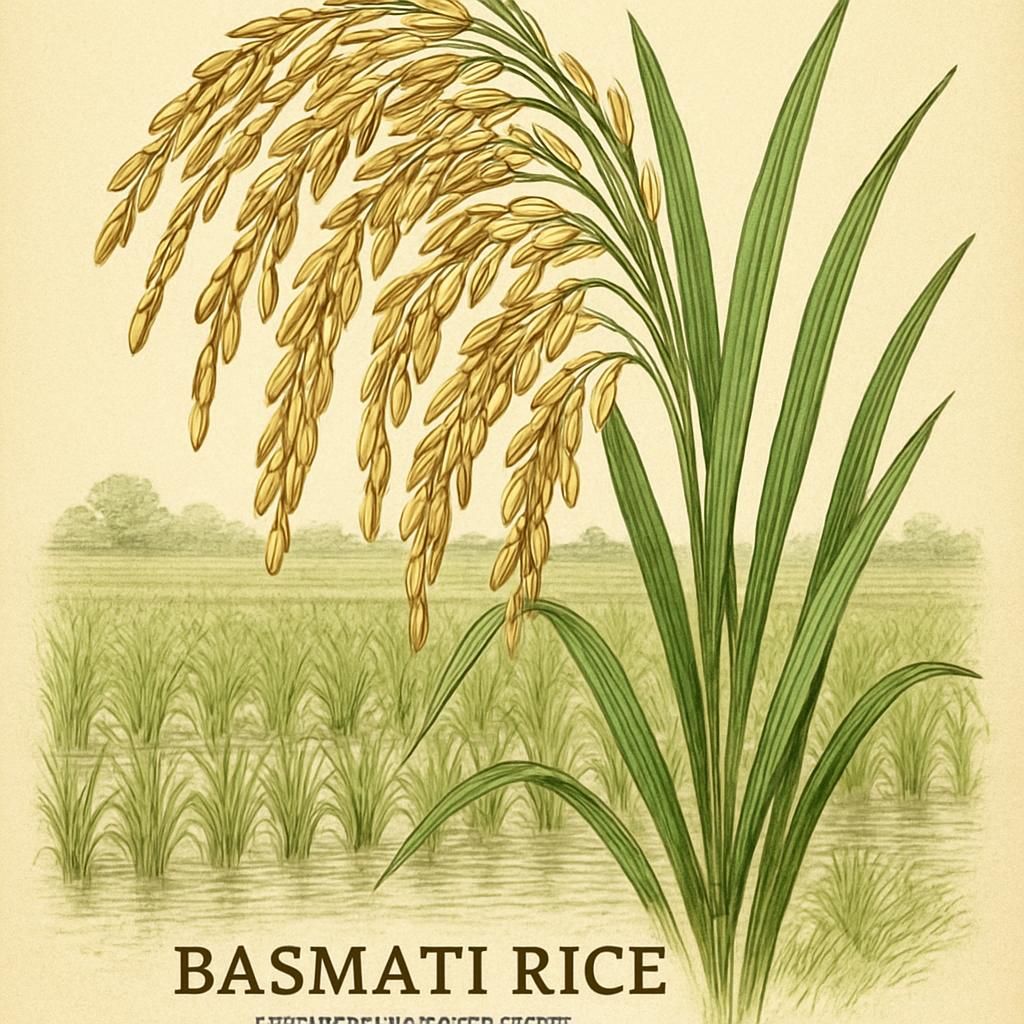
Introduction to Basmati Rice (Dehraduni)
Basmati Rice (Dehraduni) is one of the most esteemed varieties in the world due to its fragrant aroma and elongated grains. Originating from the Dehradun region in India, this rice is celebrated for its exceptional quality and is a staple in many traditional South Asian cuisines. The delicate flavor and the unique texture of the grains make Dehraduni Basmati a preferred choice for special dishes.
Botanical Profile of Basmati Rice (Dehraduni)
Basmati Rice (Dehraduni), scientifically known as Oryza sativa, belongs to the family Poaceae. This annual grass is native to the Indian subcontinent, and its cultivation requires attention to various agronomic practices for successful yields.
Soil, pH, and Climate Requirements for Basmati Rice (Dehraduni)
Ideal growing conditions for Basmati Rice (Dehraduni) include well-drained alluvial soil, with a preference for a hot and humid climate. The ideal soil pH and environmental conditions are crucial to mimic the crop's native environment as closely as possible.
| Parameter | Ideal Condition |
|---|---|
| Soil Type | Well-drained alluvial soil |
| Soil pH | 5.0 - 6.5 |
| Temperature Range | 20°C - 37°C (68°F - 99°F) |
| Humidity | High humidity during growing season |
Step-by-Step Planting & Propagation
To plant Basmati Rice (Dehraduni), follow these steps:
- Seed Selection: Choose high-quality seeds from a reputable provider to ensure genetic purity and good yield.
- Nursery Preparation: Prepare a nursery bed with well-tilled soil and optimum moisture. Sow seeds evenly at a depth of 2-3 cm.
- Transplantation: Transplant seedlings to the main field when they reach 15-20 cm in height, typically after 20-25 days of sowing.
- Spacing: Plant seedlings at a distance of 15 cm apart within rows, and maintain 20 cm between rows.
- Irrigation: Ensure the field is flooded with 5 cm of water after transplantation and maintain it during the active tillering stage.
Care & Maintenance regimes for Basmati Rice (Dehraduni)
Maintaining Basmati Rice involves regular water management, fertilization, and crop protection measures.
| Care Aspect | Description |
|---|---|
| Watering | Keep fields flooded during vegetative stage |
| Fertilization | Apply nitrogen and phosphorus nutrients |
| Pruning | Not applicable for rice; manage weeds |
Pests, Diseases & Organic Management
Basmati Rice (Dehraduni) is susceptible to various pests and diseases such as Spider Mites and blast.
Pests
- Spider Mites: Manage using natural predators like ladybugs or introduce neem oil sprays for organic control.
Diseases
- Blast: Control through the application of silica and using resistant cultivars.
Harvesting, Curing & Optimal Storage
Basmati Rice should be harvested when grains mature and turn golden. Avoid delays to prevent loss from shattering. Harvesting is followed by sun-drying for a week to reduce the moisture content to around 13% for storage.
Store dried rice in a cool, dry place, ideally in airtight containers, to prevent contamination by pests.
Companion Planting for Basmati Rice (Dehraduni)
Companion planting can enhance the growth environment for Basmati Rice. Examples include planting Sesame nearby to deter pests and Marigold to attract pollinators and protect against nematodes.