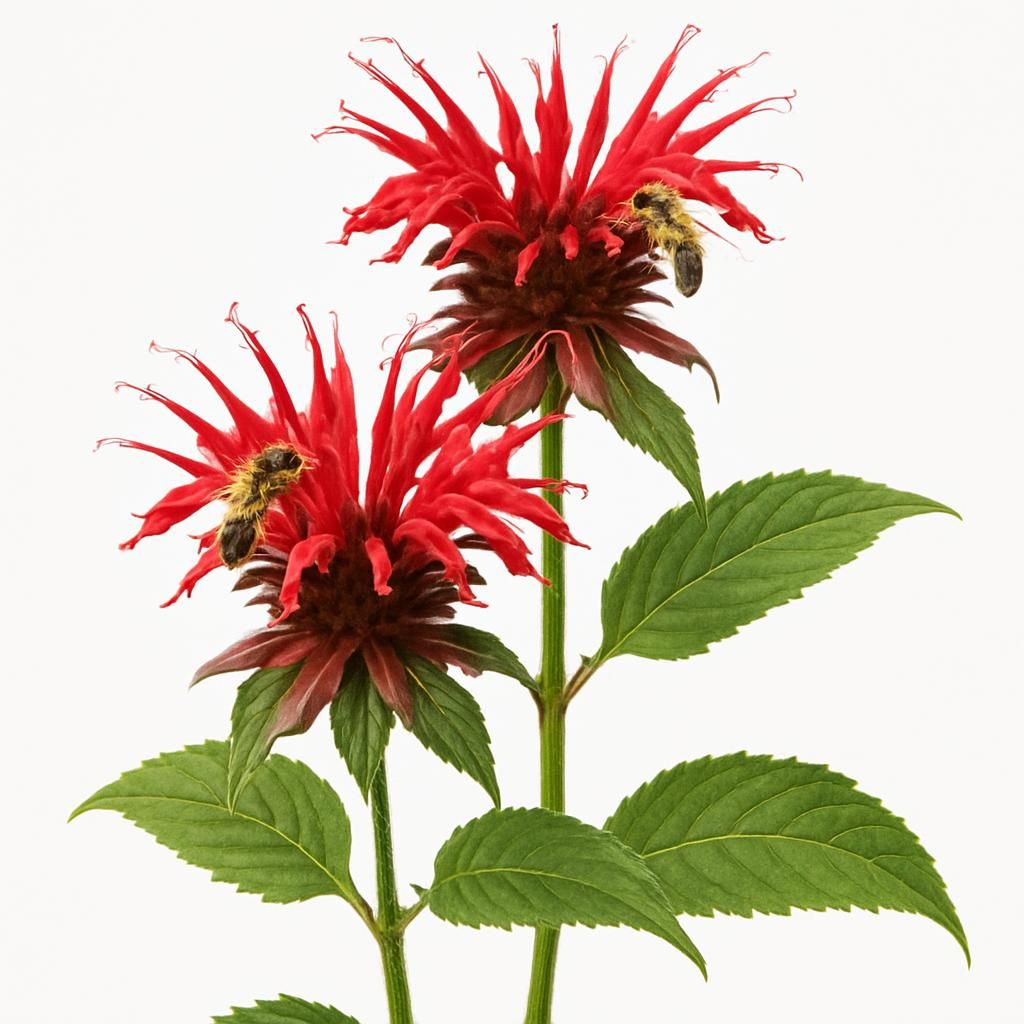
Introduction to bee balm
Bee balm (Monarda didyma), also known as Oswego tea or bergamot, is a North American native perennial herb belonging to the Lamiaceae family. Valued for its vibrant scarlet, pink, or purple flowers and its potent mint-citrus aroma, bee balm serves as both a pollinator magnet and a versatile herb in home gardens and small-scale farms. Its square stems, opposite leaves, and distinctive tubular blooms make it easy to identify throughout the growing season.
This definitive growing guide covers every aspect of successful bee balm cultivation, from soil preparation and propagation through harvest and storage. Whether you are establishing a dedicated herb bed or integrating bee balm into mixed perennial plantings, the following sections deliver professional-grade, research-backed recommendations tailored for consistent yields and plant health.
Botanical Profile of bee balm
Bee balm is a clump-forming herbaceous perennial that reaches 2–4 feet in height with an equal spread. The plant produces square, reddish stems typical of the mint family and opposite, ovate-lanceolate leaves that are dark green with serrated margins and prominent veins. In midsummer, dense terminal whorls of tubular flowers appear in shades of scarlet, pink, lavender, or white, each bloom surrounded by colorful, leafy bracts.
The flowers are highly attractive to bees, butterflies, and hummingbirds, providing a critical nectar source during peak summer. After flowering, bee balm sets small nutlet seeds and continues vegetative growth from its spreading rhizomes. The entire plant is aromatic; when crushed, the foliage releases a strong bergamot-like scent used historically as a tea substitute and in traditional herbal medicine.
Soil, pH, and Climate Requirements for bee balm (MUST INCLUDE A MARKDOWN TABLE OF IDEAL CONDITIONS)
Bee balm performs best in fertile, well-drained soils with consistent moisture. It tolerates a range of soil types provided drainage is adequate and organic matter is plentiful. The plant prefers full sun (6+ hours) but benefits from afternoon shade in hotter climates to prevent foliar stress. It is hardy in USDA zones 4–9 and thrives in temperate regions with moderate summer temperatures.
| Parameter | Ideal Range | Notes |
|---|---|---|
| Soil Type | Loamy, well-drained | Avoid heavy clay without amendment |
| Soil pH | 6.0–7.0 | Slightly acidic to neutral |
| Temperature Range | 60–80 °F (15–27 °C) daytime | Protect from extreme heat above 90 °F |
| USDA Hardiness | Zones 4–9 | Mulch in zones 4–5 for winter protection |
| Sun Exposure | Full sun to partial shade | Afternoon shade recommended in zone 8–9 |
| Moisture | Moderate, consistent | 1 inch water/week; avoid waterlogging |
Step-by-Step Planting & Propagation
- Site Selection: Choose a location with at least six hours of direct sun and good air circulation to minimize disease pressure.
- Soil Preparation: Incorporate 2–3 inches of well-rotted compost or aged manure into the top 12 inches of soil. Conduct a soil test and adjust pH if below 6.0 with agricultural lime.
- Propagation Methods: Bee balm can be started from seed, division, or softwood cuttings. Seeds require 30 days of cold stratification at 35–40 °F before sowing indoors 8–10 weeks prior to last frost.
- Division: The most reliable method is spring or fall division of established clumps. Dig the plant, separate healthy rhizomes with 3–5 shoots, and replant immediately at the same depth.
- Spacing: Space plants 18–24 inches apart in rows 24–36 inches wide to allow airflow and accommodate mature spread.
- Transplanting: Harden off seedlings for 7–10 days. Transplant after all danger of frost has passed when soil temperature reaches 55 °F.
Care & Maintenance regimes for bee balm (MUST INCLUDE A MARKDOWN TABLE OF WATER, FERTILIZER, AND PRUNING SCHEDULES)
Consistent moisture and moderate fertility keep bee balm vigorous while preventing excessive vegetative growth that can lead to floppiness. Annual division every 3–4 years maintains plant health and flower production. Remove spent blooms promptly to encourage reblooming and reduce self-seeding.
| Season | Water Schedule | Fertilizer Schedule | Pruning Schedule |
|---|---|---|---|
| Spring | 1 inch/week; increase during dry spells | Apply balanced organic fertilizer (5-5-5) at 1 lb per 100 sq ft when new growth emerges | Cut back dead stems to 2–3 inches; divide overcrowded clumps |
| Summer | Maintain even moisture; mulch to conserve water | Side-dress with compost tea or fish emulsion monthly until flowering ends | Deadhead spent flowers weekly; pinch tips in early summer for bushier growth |
| Fall | Reduce watering as growth slows | Apply 1–2 inches of compost as top-dressing after first frost | Cut entire plant to 4–6 inches after foliage yellows |
| Winter | Minimal supplemental water needed | None required | Apply 2–3 inches of mulch for winter protection in zones 4–6 |
Pests, Diseases & Organic Management
Bee balm is relatively pest-resistant but can be affected by powdery mildew, rust, and leaf spot diseases in humid conditions. Common insect visitors include aphids, spider mites, and Japanese beetles. Preventive cultural practices such as proper spacing, morning watering, and resistant cultivars (e.g., ‘Jacob Cline’, ‘Purple Mildew’) significantly reduce problems.
Organic management begins with monitoring. Spray aphids and mites with insecticidal soap or neem oil at the first sign of infestation. For powdery mildew, improve airflow by thinning plants and apply a weekly spray of 1 part milk to 9 parts water or a potassium bicarbonate solution. Remove and destroy severely infected foliage in fall to reduce overwintering spores. Rotate plantings every 3–4 years and avoid overhead irrigation to limit disease spread.
Harvesting, Curing & Optimal Storage
Harvest bee balm leaves and flowers at peak fragrance just before or at the beginning of flowering. Cut stems in the morning after dew has dried, selecting the top 6–8 inches of growth. For fresh use, rinse gently and store in a perforated bag in the refrigerator for up to 5 days.
For drying, bundle 5–7 stems and hang upside down in a warm, dark, well-ventilated area. Drying typically takes 7–14 days. Once leaves are crisp, strip them from stems and store in airtight glass jars away from light and heat. Properly dried bee balm retains flavor for 12–18 months. Flowers can be dried separately for potpourri or tea blends.
Companion Planting for bee balm
Bee balm pairs well with other pollinator-friendly herbs and vegetables. Plant it alongside thyme, rosemary, and yarrow to create a diverse, aromatic border that supports beneficial insects. In vegetable gardens, bee balm enhances pollination of nearby tomato, cucumber, and squash when placed at bed edges.
Avoid planting bee balm near mint family members that may compete aggressively for space. Its aromatic foliage also helps deter certain pests when interplanted with brassicas. Use bee balm as a living mulch between rows of lettuce or kale to improve biodiversity and reduce weed pressure while attracting predatory insects.