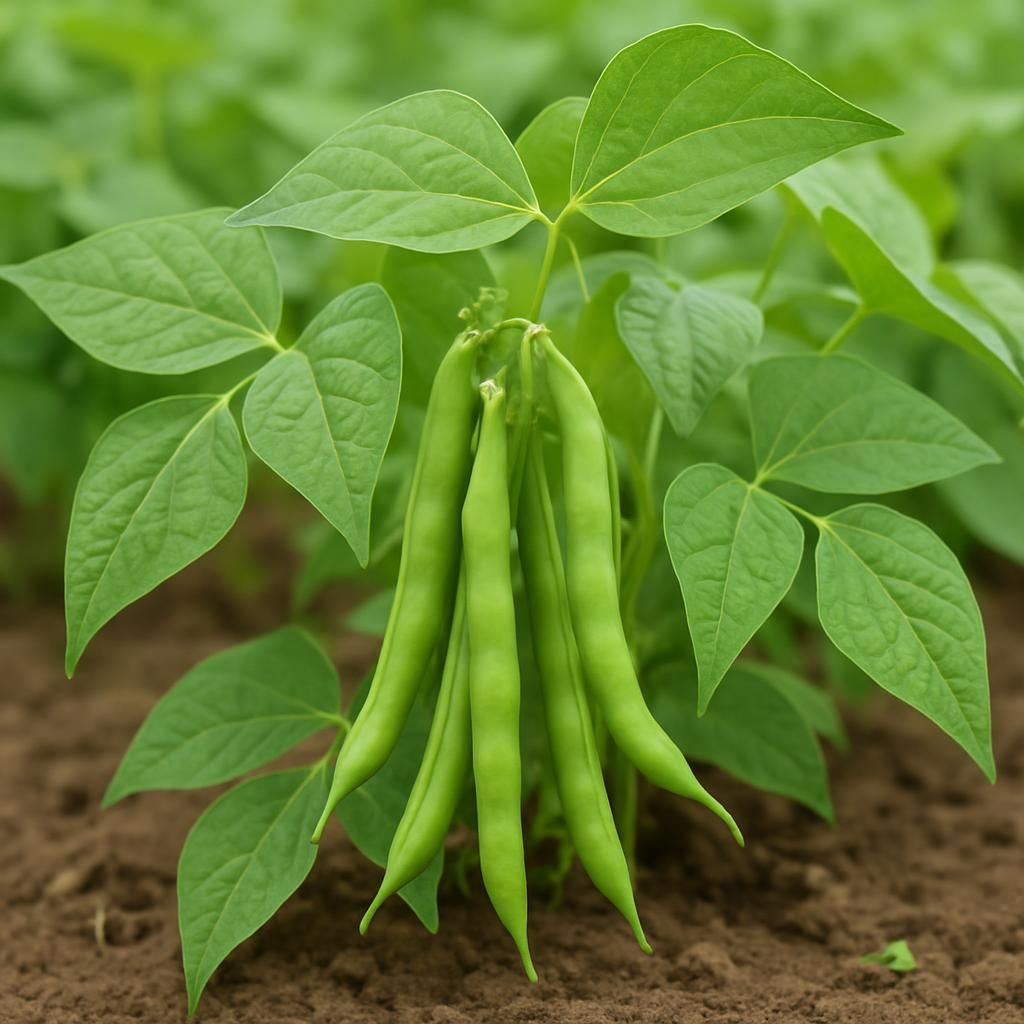
Introduction to Beans
Beans (Phaseolus vulgaris) are one of the most widely cultivated legumes globally, valued for their high protein content, soil-improving properties, and adaptability across temperate and subtropical regions. Whether grown as bush or pole varieties, beans provide a reliable source of fresh pods, dry seeds, and green manure. Their ability to fix atmospheric nitrogen makes them an essential rotation crop that reduces reliance on synthetic fertilizers.
Commercial and home growers alike appreciate beans for their relatively short growing cycle, high yield potential, and nutritional density. From fresh snap beans harvested at the immature pod stage to dry beans left to fully mature, the crop offers multiple market opportunities and dietary uses.
Botanical Profile of Beans
Beans belong to the Fabaceae family and exist in two primary growth habits: determinate bush types that reach 30–60 cm and indeterminate pole types that can climb 2–3 meters with support. Leaves are trifoliate with ovate leaflets, and flowers range from white to purple depending on cultivar. Pods develop from fertilized flowers and contain 4–8 seeds each.
Nodules formed by Rhizobium bacteria on the root system convert atmospheric nitrogen into plant-available forms, contributing 40–60 kg N/ha under optimal conditions. This symbiotic relationship improves soil fertility for subsequent crops and reduces input costs.
Soil, pH, and Climate Requirements for Beans
Beans thrive in well-drained, fertile loams with good organic matter content. Heavy clay soils should be amended with compost or raised beds to prevent waterlogging. Ideal conditions are summarized below:
| Parameter | Ideal Range | Notes |
|---|---|---|
| Soil Type | Loam to sandy loam | Well-drained; avoid compacted clays |
| Soil pH | 6.0–7.0 | Below 5.8 limits nodulation |
| Temperature (Day) | 20–30 °C | Optimal flowering at 24–26 °C |
| Temperature (Night) | 15–20 °C | Frost will kill seedlings |
| Soil Temperature | 18–24 °C at planting | Below 15 °C delays germination |
| Annual Rainfall | 400–800 mm | Supplemental irrigation needed in dry spells |
Step-by-Step Planting & Propagation
Site Selection & Preparation: Choose a sunny location with at least 6 hours of direct sunlight. Perform a soil test and incorporate well-rotted compost or aged manure at 2–3 kg/m². Avoid planting where other legumes have grown in the past two seasons to reduce disease buildup.
Inoculation: Treat seeds with a compatible Rhizobium inoculant immediately before planting to ensure effective nodulation, especially in soils without a recent legume history.
Sowing Timing: Plant when soil temperature reaches 18 °C and all frost risk has passed. In temperate zones this typically occurs 1–2 weeks after the last spring frost.
Planting Depth & Spacing: Sow seeds 2.5–4 cm deep. Bush beans: 5–8 cm apart in rows 45–60 cm apart. Pole beans: 10–15 cm apart in rows 75–90 cm apart with trellises or poles installed at planting.
Succession Planting: Sow new blocks every 10–14 days for continuous harvest until 8–10 weeks before expected first frost.
Care & Maintenance regimes for Beans
Consistent moisture, balanced nutrition, and structural support are critical for high-quality yields. The following table outlines recommended schedules:
| Growth Stage | Watering Frequency | Fertilizer Application | Pruning / Training |
|---|---|---|---|
| Pre-flowering | 25–30 mm/week; keep soil moist | Low-nitrogen (5-10-10) at 200 kg/ha | Install trellises for pole types |
| Flowering | Increase to 35–40 mm/week | Side-dress with compost tea | Remove lower leaves for airflow |
| Pod Development | Maintain even moisture; avoid wetting foliage | Light potassium boost if needed | Continue training vines weekly |
| Pre-harvest | Reduce slightly 7–10 days before | None | Remove diseased foliage |
Mulch with 5–8 cm of straw or shredded leaves to conserve moisture, suppress weeds, and moderate soil temperature. Avoid overhead irrigation to minimize foliar disease.
Pests, Diseases & Organic Management
Common insect pests include Bean Aphid, Mexican bean beetle, and cutworms. Scout weekly and use floating row covers during early growth. Release beneficial insects such as lady beetles and lacewings for aphid control.
Major diseases are Bean rust, halo blight, and Fusarium wilt. Practice 3–4 year crop rotations, remove crop debris, and select resistant cultivars. Copper-based sprays or neem oil provide organic suppression when applied at first sign of symptoms.
Harvesting, Curing & Optimal Storage
Harvest snap beans when pods are firm, smooth, and seeds are barely visible—typically 50–60 days after planting. Pick every 2–3 days to encourage continuous production. For dry beans, allow pods to yellow and rattle before harvesting entire plants; hang in a well-ventilated area until seeds reach 12–14% moisture.
Store fresh beans at 4–7 °C and 90–95% relative humidity for up to 7 days. Dry beans should be kept in airtight containers in a cool, dark place; viability lasts 2–3 years when moisture is controlled.
Companion Planting for Beans
Beans pair well with Corn and Squash in the classic Three Sisters system, where corn provides vertical support, squash suppresses weeds, and beans fix nitrogen. Additional beneficial companions include Carrot, Cabbage, and Strawberry.
Avoid planting near Onion, Garlic, or Chives as these can inhibit bean growth. Marigolds and nasturtiums deter pests while attracting pollinators.