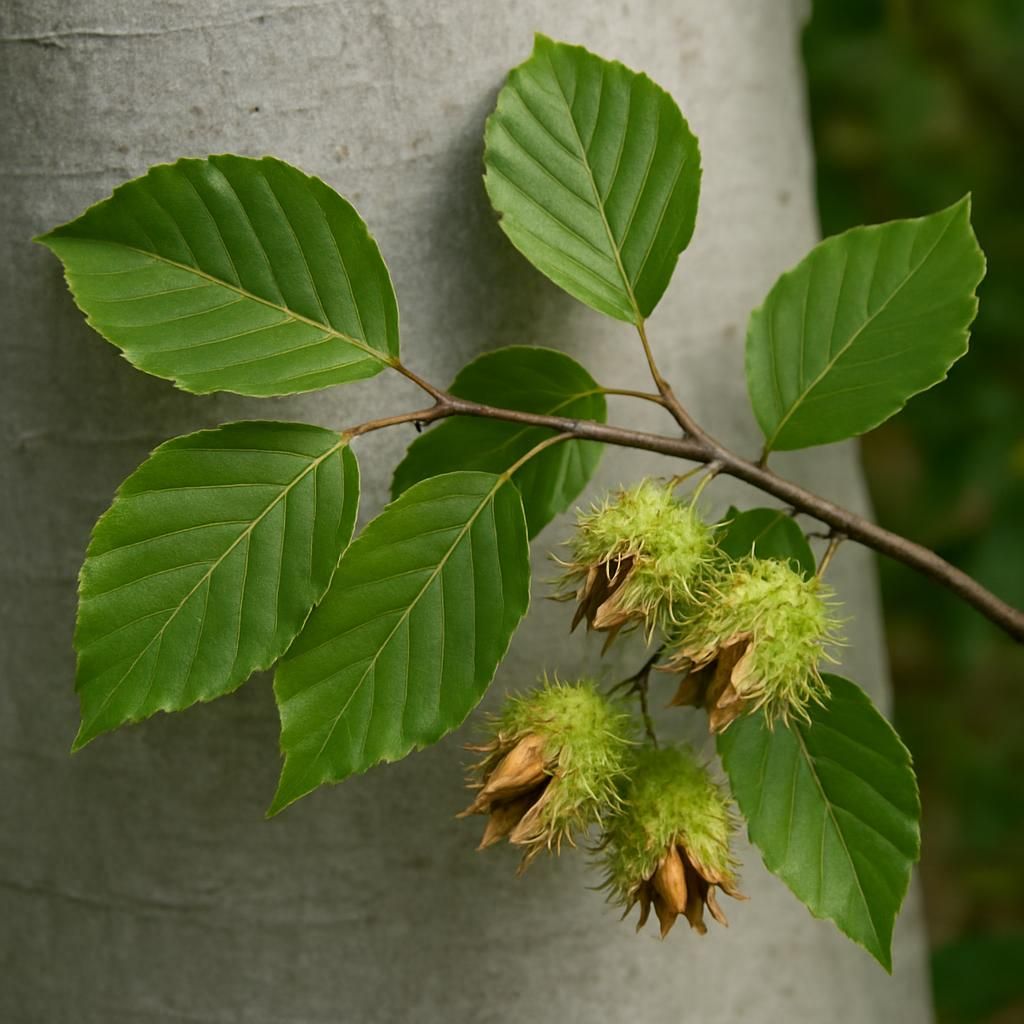
Introduction to Beech Nut (Fagus sylvatica)
Beech Nut (Fagus sylvatica), also known as European beech, is a majestic deciduous tree native to temperate regions of Europe. It produces small, triangular edible nuts that have been harvested for centuries as a nutritious food source. The tree is also prized for its dense wood used in furniture, flooring, and tool handles. While primarily grown in forests and large estates, commercial and home-scale cultivation is possible with proper site selection and long-term management.
Growing Beech Nut trees requires patience, as they are slow-growing and may take 20–40 years to reach full nut-bearing maturity. However, once established, a healthy tree can produce nuts for several centuries. The nuts are rich in oils and proteins, making them valuable for both human consumption and wildlife forage.
Botanical Profile of Beech Nut (Fagus sylvatica)
Fagus sylvatica belongs to the Fagaceae family and is characterized by smooth, silver-gray bark, ovate leaves with wavy margins, and a broad, rounded crown. The tree typically reaches 25–35 meters in height with a trunk diameter of up to 1.5 meters at maturity. Male and female flowers appear on the same tree in spring; wind-pollinated catkins produce the characteristic three-sided beechnuts enclosed in spiny husks.
The root system is shallow but extensive, making the tree sensitive to soil compaction and drought. Beech trees form symbiotic relationships with mycorrhizal fungi that enhance nutrient uptake. Leaves turn a striking copper-bronze in autumn before falling, contributing valuable organic matter to the soil.
Soil, pH, and Climate Requirements for Beech Nut (Fagus sylvatica)
Beech Nut trees thrive in deep, well-drained loamy soils with good moisture retention. They prefer slightly acidic to neutral conditions and perform best in regions with cool, moist winters and mild summers.
| Parameter | Ideal Range | Notes |
|---|---|---|
| Soil Type | Loam, sandy loam | Avoid heavy clay and waterlogged sites |
| Soil pH | 5.5 – 7.0 | Slightly acidic to neutral |
| Temperature Range | -20°C to 25°C | Hardy to USDA Zone 5; avoid extreme heat |
| Annual Rainfall | 600 – 1200 mm | Consistent moisture essential |
| Elevation | 0 – 1500 m | Performs well in hilly and lowland areas |
| Sunlight | Full sun to partial shade | Young trees tolerate light shade |
Step-by-Step Planting & Propagation
- Site Selection: Choose a sheltered location with deep, fertile soil and protection from strong winds.
- Soil Preparation: Test soil pH and amend with lime if below 5.5. Incorporate well-rotted compost to improve structure.
- Propagation Methods: Beech is primarily grown from seed (beechnuts). Collect fresh nuts in autumn, stratify for 90–120 days at 4°C, then sow in spring. Grafting is used for selected cultivars.
- Planting Time: Plant seedlings or saplings in early spring or late autumn when the soil is workable.
- Spacing: Allow 8–12 meters between trees for timber or 6–8 meters for nut production orchards.
- Initial Care: Water thoroughly after planting and apply a 5–10 cm layer of organic mulch to conserve moisture and suppress weeds.
Care & Maintenance regimes for Beech Nut (Fagus sylvatica)
Established beech trees require minimal intervention but benefit from consistent moisture during the first 5–10 years. Mulching and weed control are critical in the establishment phase.
| Task | Schedule | Details |
|---|---|---|
| Watering | Weekly for first 3 years | 20–30 liters per tree during dry spells |
| Fertilizer | Early spring (Year 1–5) | Low-nitrogen organic fertilizer or compost |
| Pruning | Late winter (dormant season) | Remove dead, damaged, or crossing branches |
| Mulching | Annually in spring | Maintain 5–10 cm depth around drip line |
| Weed Control | As needed | Hand pull or shallow cultivation |
Pests, Diseases & Organic Management
Beech Nut trees are relatively resistant to pests but can be affected by aphids, scale insects, and beech woolly aphid. Fungal issues such as Phytophthora root rot may occur in poorly drained soils. Regular monitoring and good cultural practices are the first line of defense.
Organic management includes encouraging beneficial insects, applying neem oil sprays for aphids, and improving soil drainage to prevent root diseases. Remove and destroy infected leaves or branches promptly. Avoid over-fertilization, which can increase susceptibility to pests.
Harvesting, Curing & Optimal Storage
Beechnuts ripen in autumn and fall naturally when husks split open. Collect nuts promptly to avoid mold and wildlife predation. Dry nuts in a well-ventilated area at 20–25°C for 2–3 weeks until moisture content drops below 10%. Store in cool, dry conditions in airtight containers or vacuum-sealed bags. Properly cured and stored beechnuts remain viable for 12–18 months.
Companion Planting for Beech Nut (Fagus sylvatica)
Beech trees form excellent companions with shade-tolerant understory plants. Consider planting Clover or Yarrow beneath the canopy to improve soil nitrogen and attract beneficial insects. Avoid heavy feeders such as Corn or Tomato near young trees. Nasturtium can be grown as a living mulch to deter aphids and improve biodiversity.
For more insights on resilient farm systems, see The Truth About Weather Patterns and Small Farm Resilience.