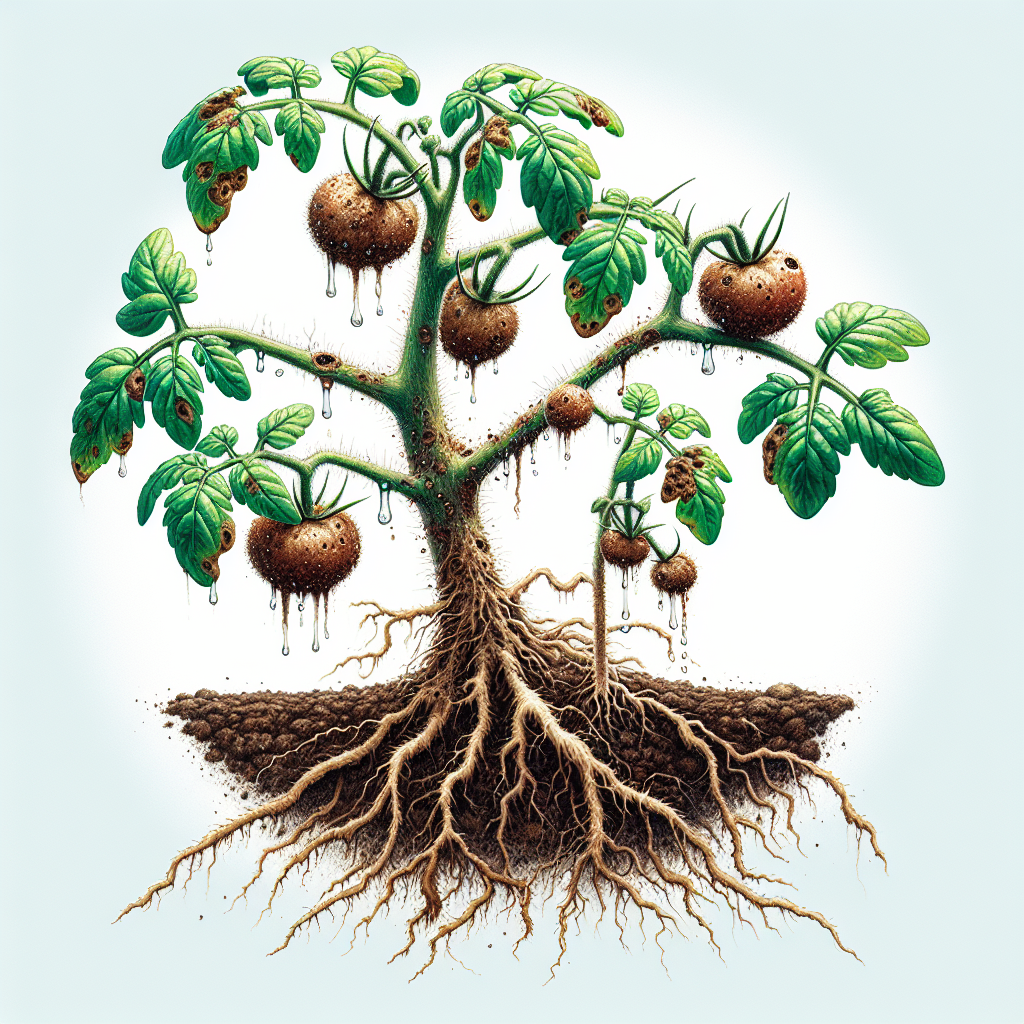
Introduction to Seedling Rots
Seedling rots represent one of the most critical challenges in early-stage crop production, striking without warning and wiping out entire seedbeds overnight. These diseases, often lumped under the umbrella of damping-off and pre-emergence rot, are caused by a complex of soilborne fungal and oomycete pathogens including Pythium, Rhizoctonia, Fusarium, and occasionally Phytophthora. They target the most vulnerable phase of plant life—germination and emergence—where seeds and seedlings lack robust defenses against infection.
In agricultural settings, seedling rots can cause stand reductions of 50-100%, devastating for small farms and large operations alike. Pre-emergence rot kills seeds before they break the soil surface, resulting in patchy or failed germination. Post-emergence rot attacks the hypocotyl or root just as seedlings emerge, causing them to topple over like miniature trees felled by a storm. This guide provides professional-grade diagnostics, organic management strategies, and prevention tactics optimized for modern growers. Understanding these diseases is essential for tomato, corn, soybeans, and countless other crops where uniform stands are key to profitability.
The economic impact is staggering: global losses from seedling diseases exceed billions annually, with organic producers hit hardest due to limited chemical options. Early detection and intervention are paramount, as infected tissues spread pathogens rapidly through water films in soil. For more on mastering seed starting in challenging conditions, check out this Winter Sowing Mastery guide.
Identifying Symptoms & Damage
Accurate diagnosis begins with recognizing the telltale signs of seedling rots, which vary slightly by pathogen but share core characteristics. Pre-emergence symptoms are sneaky: seeds rot in soil, turning soft, discolored, and mushy. Excavate affected areas to find decayed embryos with fuzzy white mycelium (Rhizoctonia) or watery brown lesions (Pythium). Germination rates plummet, leaving gaps in rows.
Post-emergence rot is more dramatic. Seedlings emerge crooked or 'water-soaked' at the soil line, with hypocotyls developing brown, sunken lesions. Affected stems become thin, thread-like, and pinched, causing plants to collapse in a phenomenon called 'wirestem' for Rhizoctonia. Roots appear dark, shriveled, and sparse—often just a stump of rotted tissue. Pythium infections spread rapidly in saturated soils, producing a slimy, necrotic base; Fusarium may show pinkish sporulation under magnification.
Secondary signs include stunted growth in survivors, yellowing cotyledons, and wilting even under adequate moisture. Differentiate from other issues: cutworms cleanly sever stems at night, while seedling rots leave rotted, discolored tissue. Fungus gnats indicate overwatering but don't cause rot alone. Use a hand lens to spot diagnostic mycelium: cottony-white for Rhizoctonia, sparse for Fusarium. Damage thresholds: losses >20% warrant immediate action. In potato seedlings, rots mimic blackleg but occur earlier.
Lifecycle and Progression of Seedling Rots
Seedling rot pathogens are soil inhabitants with resilient survival structures. Pythium, an oomycete, produces zoospores that swim in saturated soils, infecting seeds within hours. Resting structures (oospores) persist years in soil. Rhizoctonia solani survives as sclerotia or dormant mycelium on debris, germinating when seeds exude sugars during imbibition. Fusarium spp. form chlamydospores, enduring dry spells and colonizing weakened tissues.
The infection cycle starts at planting: cool, wet soils (<20°C/68°F) favor Pythium; warmer (25°C/77°F) suit Rhizoctonia. Seeds imbibe water, softening coats and leaking nutrients that trigger pathogen germination. Penetration occurs via wounds or natural openings, with enzymes dissolving cell walls. Progression is explosive: pre-emergence kills in 2-5 days; post-emergence topples seedlings in 24-48 hours. Sporulation follows, releasing billions of propagules to infect neighbors.
In advanced stages, rots girdle hypocotyls, blocking vascular flow and causing collapse. Survivors may harbor latent infections, leading to root rot later. Crop rotation fails against these polycyclic pathogens, as they survive saprophytically. In wheat, Fusarium progression links to seedling blights, amplifying losses.
Environmental Triggers & Risk Factors
Seedling rots explode under specific conditions: excessive soil moisture is the top trigger, with saturation from overwatering, poor drainage, or heavy rains. Cool temperatures (10-20°C) prolong germination, exposing seeds longer to pathogens. Compacted, heavy soils retain water, while low oxygen favors anaerobes like Pythium.
Risk factors include cool-season planting in warm-season crops, e.g., early corn in spring chills. Contaminated seeds or tools splash inoculum. High residue from prior crops harbors Rhizoctonia. Acidic soils (pH<6) boost Fusarium; over-fertilization with nitrogen stresses seedlings. Poor-quality seed (<85% germination) amplifies damage. In greenhouses, high humidity (>90%) and dense seeding create pathogen hotspots. For peas or beans, clay soils post-rain are prime.
Climate change exacerbates risks with erratic rains. Monitor soil moisture: >60% volumetric water content is danger zone. Acidify risks tie to root-knot nematodes, which predispose roots.
Organic Control & Treatment Plans
Organic management emphasizes integrated strategies. Start with biocontrol: Trichoderma harzianum or Bacillus subtilis seed treatments outcompete pathogens, applied at 10g/kg seed. Compost teas with actinomycetes suppress Pythium. Hydrogen peroxide drenches (3% solution, 1:10 dilution) oxygenate soil, killing anaerobes acutely.
Remove and destroy infected seedlings immediately to curb spread. Solarize soil pre-planting: clear plastic for 4-6 weeks kills 80% surface pathogens. Apply cornmeal (20 lbs/1000 sq ft) to stimulate Trichoderma. Biofumigants like mustard cover crops release isothiocyanates toxic to Fusarium.
Treatment timeline: Day 0—inspect, remove sick plants. Day 1—drench with Serenade (Bacillus) at 2-4 oz/gal. Week 1—reseed treated areas with primed seeds. For cucumber, integrate with squash bugs monitoring. Rotate with brassicas to biofumigate. Efficacy: 70-90% control in trials. Avoid overhead watering; use drip.
Preventing Seedling Rots in the Future
Prevention is 90% of success. Select certified, treated seed (hot water or thiram for organics). Use raised beds or grow bags for drainage. Plant in warm soils (>20°C Pythium, >25°C Rhizoctonia). Space seeds widely to reduce humidity. Pre-germinate indoors for uniform emergence.
Soil solarization or steam sterilization for high-value crops. Incorporate lime to pH 6.5-7.0. Crop rotation: avoid solanaceae after solanaceae. Mulch with coarse materials post-emergence. Monitor with soil probes; vent greenhouses. Resistant varieties: choose hybrids like disease-tolerant Roma Tomato. Scout weekly; act at 5% incidence.
Long-term: build soil biology with cover crops (clover), vermicompost. For small farms, Soil Health Mastery details resilient systems.
Crops Most Affected by Seedling Rots
Seedling rots plague a wide array, especially small-seeded crops. Cereals like corn, wheat, rice suffer pre-emergence losses up to 30%. Legumes (soybeans, peas, chickpeas) are highly susceptible due to slow germination. Vegetables: tomato, cucumber, lettuce, cabbage in transplants. Root crops (carrot, radish) show wirestem. Tropicals like ginger and cassava in wet nurseries. Even ornamentals and turf.
Susceptibility rankings: Pythium hits cucurbits hardest; Rhizoctonia beans/onions. In potato, links to black scurf. Global hotspots: tropics for Phytophthora, temperate springs for Pythium.