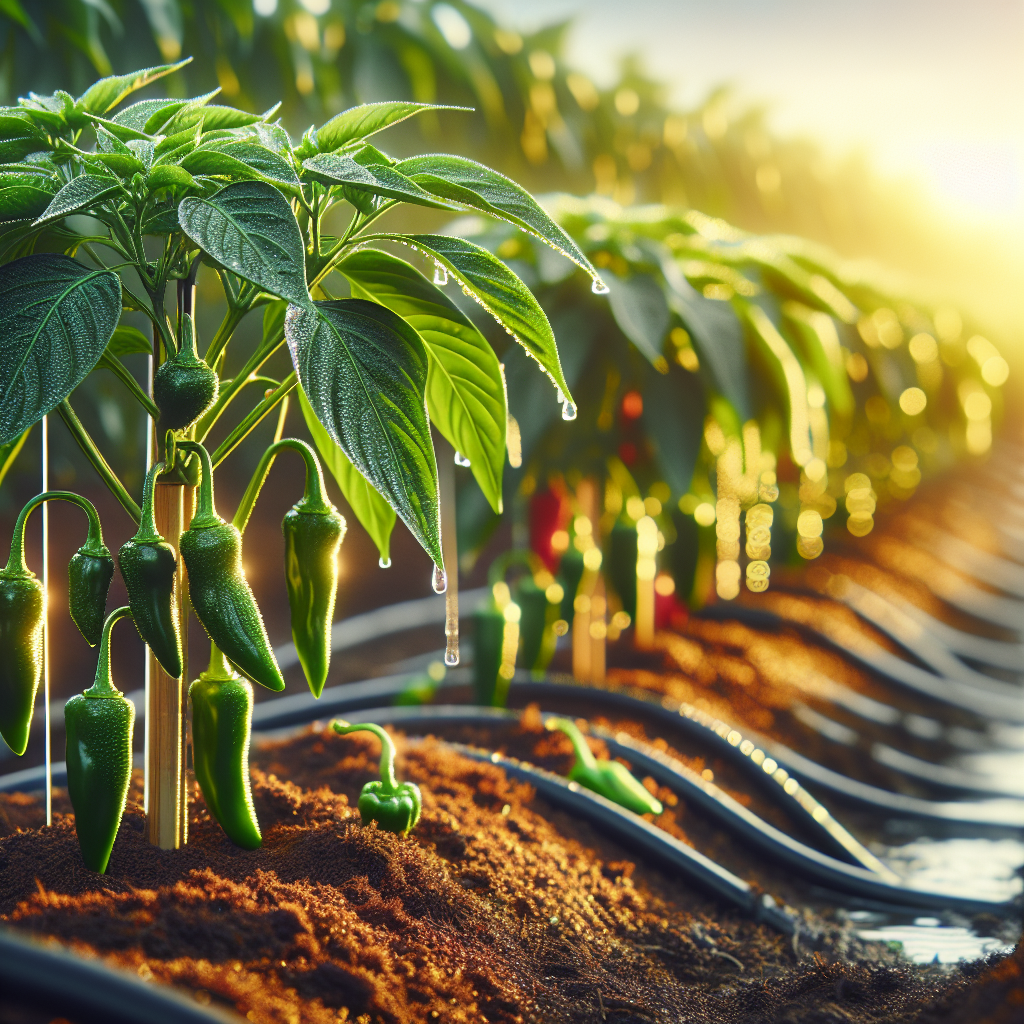
Introduction to Serrano Pepper
Native to the mountainous regions of Puebla and Hidalgo in Mexico, this chili has become one of the most important fresh-use hot peppers in home gardens, market gardens, and commercial pepper production. It is especially valued for a clean, sharp heat, usually in the 10,000-23,000 Scoville Heat Unit range, and for a flavor that stays bright and herbaceous even when used green. Unlike thicker-walled peppers bred for stuffing or roasting, serranos are typically slender, smooth-skinned, and relatively thin-fleshed, making them ideal for salsas, pickling, hot sauces, and fresh chopping.
Growers appreciate the plant for another reason: it can be highly productive over a long harvest window when heat, fertility, and irrigation are managed well. In frost-free or long-season climates, a single healthy plant can continue setting and ripening fruit for months. Serrano plants are usually more vigorous and upright than many small hot peppers, yet compact enough for raised beds, in-ground rows, tunnels, and large containers.
From a crop-management standpoint, serrano behaves like other warm-season peppers but is less forgiving of cold soil, prolonged root saturation, and nutrient imbalances than many beginners realize. For general pepper culture comparisons, see our Chili Pepper guide. If you want broader background on building fertile vegetable ground before planting, the principles in soil health strategies are especially relevant.
Botanical Profile of Serrano Pepper
This crop belongs to the species Capsicum annuum, the same species that includes bell peppers, jalapeños, poblanos, cayennes, and many other cultivated peppers. Despite the wide variation in fruit size, pungency, and plant habit across the species, they share similar floral structure, pollination biology, and temperature preferences.
Serrano plants typically mature into bushy, upright perennials in frost-free environments, though they are usually grown as annuals in temperate regions. Plant height commonly ranges from 18 to 48 inches depending on cultivar, fertility, spacing, and season length. Leaves are medium green, smooth, and lance-shaped. Flowers are usually white, self-fertile, and borne singly or in small clusters at branch nodes. Fruit begins green, then matures through red, though some selected strains may ripen to orange or brownish-red tones.
Several practical varietal characteristics distinguish serrano from jalapeño-type peppers. Fruits are generally narrower, 2 to 4 inches long, with a pointed tip and less corking on the skin. Wall thickness is moderate to thin, which helps fruit dry faster after rain and reduces some rot pressure, but also means rapid water fluctuation can more easily affect fruit shape and texture. Compared with very small chili types, serrano often produces a stronger central canopy and benefits from light staking once fruit load increases.
Capsaicin concentration is highest in the placental tissue and internal ribs rather than in the seeds themselves, although seeds often carry heat because they contact those tissues. Heat level varies with genetics, harvest maturity, temperature stress, and water management. Severe drought stress does not reliably improve quality; it often reduces yield, causes blossom drop, and toughens fruit.
Soil, pH, and Climate Requirements for Serrano Pepper
This crop performs best in a deep, friable, well-aerated loam or sandy loam rich in stable organic matter. Ideal soil pH is 6.2 to 6.8, though plants can still perform reasonably between about 6.0 and 7.0 if nutrient availability is well balanced. Below pH 5.8, phosphorus, calcium, and magnesium availability often becomes less favorable, while manganese toxicity risk increases. Above pH 7.2, iron, manganese, and zinc deficiencies become more common, often showing up as interveinal chlorosis on younger leaves.
Drainage is not optional. Serrano roots require oxygen in the root zone, and waterlogged soils quickly reduce vigor, especially when temperatures are still mild. If your soil forms a sticky ribbon, puddles after irrigation, or stays cold and wet for more than 48 hours, improve drainage with raised beds, broadforking where appropriate, and high-quality compost rather than planting into a compacted flat row.
A target organic matter level of roughly 3% to 6% is excellent for field or garden production. Too little organic matter causes weak moisture buffering and uneven nutrient release. Too much poorly finished organic matter can hold excess water and create ammonium toxicity or fungal pressure around the roots.
Temperature is the central driver of performance. Optimal daytime temperatures are about 75-85°F (24-29°C), with nighttime temperatures around 60-70°F (16-21°C). Growth slows below 55°F (13°C), and chilling injury becomes likely with repeated exposure below 50°F (10°C). Flowers may abort when daytime temperatures exceed 95°F (35°C), especially if nights remain above 75°F (24°C), because pollen viability declines and plant stress rises.
Serranos need full sun, ideally 8 or more hours of direct light. In very hot desert climates, light afternoon shade can reduce sunscald and heat stress, but heavy shade lowers flowering and increases disease pressure by reducing leaf drying.
For irrigation, the most practical target is consistently moist but never saturated soil in the active root zone. In field terms, aim to keep moisture near moderate field capacity in the top 8 to 12 inches once plants are established. In practical observation, soil should feel cool and slightly moist 2 inches below the surface without being muddy or anaerobic-smelling. Overwatered plants often show drooping that gardeners misread as drought; leaves may hang limp despite wet soil, lower foliage may yellow, and stem bases can become darkened if root disease begins. Underwatered plants wilt in heat, recover slowly in evening, drop blossoms, and produce smaller, hotter, tougher fruit.
Step-by-Step Planting & Propagation
Start seed indoors 8 to 10 weeks before the last expected frost in short-season climates. In long warm seasons, 6 to 8 weeks may be enough, but earlier sowing often improves first harvest timing. Use a sterile seed-starting medium with good aeration rather than heavy compost-rich potting soil. Seeds germinate best at 80-90°F (27-32°C), with 85°F being a strong target for fast, uniform emergence. Bottom heat is extremely helpful; without it, germination may be slow and erratic.
Sow seed 1/4 inch deep and maintain evenly moist media, not soaked. Seedlings need bright light immediately after emergence; insufficient light causes leggy stems that seldom recover into top-performing plants. Provide 14 to 16 hours of strong grow light if natural light is weak.
At the first true-leaf stage, thin or prick out seedlings into individual cells or pots. Keep air circulation moving to reduce damping-off. Begin light feeding once plants have 2 to 3 true leaves using a balanced, diluted soluble fertilizer or a biologically active transplant mix. Avoid excess nitrogen at this stage; overly lush seedlings transplant poorly.
Harden plants off over 7 to 10 days by gradually exposing them to outdoor wind, sun, and fluctuating temperatures. Do not transplant until soil temperatures are reliably above 65°F (18°C), and preferably near 70°F (21°C). Cold soil causes stalled growth, purpling, and long delays in flowering.
Space plants 14 to 24 inches apart in rows 24 to 36 inches apart depending on fertility and production system. Closer spacing can work in intensive beds if pruning and airflow are managed, but overcrowding raises humidity around leaves and fruit. In containers, use at least a 5-gallon pot per plant, though 7 to 10 gallons is better for season-long production.
Before transplanting, incorporate well-finished compost and a balanced pre-plant fertilizer guided by soil test results. A common target is moderate phosphorus for root establishment, adequate potassium for fruit quality, and enough calcium to support cell wall strength. Avoid heavy fresh manure, which can create excessive vegetative growth and salt issues.
Transplant in late afternoon or on a mild overcast day to reduce shock. Plant at the same depth as in the nursery pot; peppers generally do not benefit from deep stem burial the way tomatoes sometimes do. Water in thoroughly to settle soil around roots, then mulch once the soil has warmed. Black plastic mulch can accelerate early growth in cool climates, while straw or leaf mulch is useful later for moisture control and splash reduction.
Care & Maintenance regimes for Serrano Pepper
Once established, this crop responds best to steady, even growth. The biggest production mistakes are irregular watering, excessive nitrogen, and delayed pest intervention.
During establishment, irrigate frequently enough to keep the root ball and surrounding soil uniformly moist. After roots spread, move toward deeper, less frequent watering to encourage root exploration. In many garden soils, this means roughly 1 to 1.5 inches of water per week, but actual need varies with heat, wind, mulch, and soil texture. Sandy soils may need smaller, more frequent irrigations; clay loams may need fewer but longer irrigations. Drip irrigation is strongly preferred because it keeps foliage dry and delivers moisture directly to the root zone.
A useful field check is to dig 4 to 6 inches down near the plant. If soil at that depth is powdery or barely cool, irrigate. If it is shiny, sticky, and excludes air when squeezed, irrigation is too frequent or drainage is poor. Peppers dislike a repeated cycle of bone-dry soil followed by saturation.
Nutrition should shift over the season. Early growth benefits from balanced fertility, but once flowering begins, avoid pushing too much nitrogen. Excess nitrogen creates large dark-green plants with delayed fruiting, brittle succulent growth, and higher aphid pressure. Side-dress with compost, a low-to-moderate nitrogen organic fertilizer, or a fertigation program that supports fruit set with sufficient potassium and calcium. Magnesium may be needed in sandy soils or where high potassium applications suppress uptake.
Calcium-related disorders are often caused more by erratic moisture than by a literal lack of calcium in the soil. Keep soil moisture even to prevent blossom-end rot on developing fruit. While less common in serrano than in larger-fruited peppers, it can still occur under stress.
Staking is recommended once plants begin carrying heavy fruit clusters. A single stake with soft ties or a small tomato cage helps prevent branch snapping and keeps peppers off wet soil. Light pruning is optional; remove damaged, diseased, or crowded interior shoots, but avoid aggressive pruning that exposes fruit to sunscald.
In very hot climates, flowers may drop during peak heat. Maintain mulch, water early in the day, and avoid salt buildup from overfertilization. Foliar feeding rarely solves heat-induced blossom drop. The most effective strategy is reducing stress and waiting for temperatures to moderate.
Pests, Diseases & Organic Management
Common insect pests include aphids, thrips, whiteflies, spider mites, flea beetles, and pepper weevils in regions where they occur. aphids cluster on tender growth and undersides of leaves, causing curling and sticky honeydew. thrips can scar young fruit and transmit viruses. spider mites thrive in hot, dusty, dry conditions and produce fine stippling before webbing becomes visible. whiteflies weaken plants and also vector disease.
Scout at least twice weekly, especially during early flowering and first fruit set. Turn over leaves and inspect growing points, blossoms, and tiny fruit. Yellow sticky cards can help monitor winged pests but should not replace direct scouting.
For organic management, prevention is more effective than rescue. Maintain weed control, avoid excess nitrogen, preserve beneficial insects, and use reflective mulch where virus-vectoring insects are severe. A strong water spray can suppress aphids on small plantings. Insecticidal soap works on soft-bodied pests if complete contact is achieved and temperatures are not excessively hot at application. Neem-based products can help in rotation, but repeated use during peak heat may stress foliage. Predatory mites and lacewings are useful in protected culture or diversified gardens.
Disease pressure increases with poor airflow, splash irrigation, infested transplants, and repeated planting of solanaceous crops in the same bed. Important diseases include bacterial leaf spot, Phytophthora root and crown rot, anthracnose fruit rot, powdery mildew, and multiple viruses such as cucumber mosaic virus, tobacco mosaic virus, and tomato spotted wilt virus.
bacterial leaf spot appears as small water-soaked lesions that darken and may develop yellow halos. It spreads rapidly in warm wet weather, especially with overhead irrigation. Phytophthora often causes sudden collapse in wet soils, with dark lesions at the crown and root decline. Anthracnose may remain latent until fruit matures, then forms sunken circular lesions, especially in humid conditions.
The core organic disease strategy is integrated sanitation. Start with clean seed or reputable transplants, rotate away from peppers, tomatoes, eggplants, and potatoes for at least 3 years when disease has been present, mulch to reduce splash, irrigate with drip, and remove infected fruit promptly. Copper-based sprays may help suppress bacterial diseases when started early, but they are protectants, not cures, and must be used carefully to avoid soil accumulation. Biofungicides based on Bacillus species can be helpful as a preventive program, especially in humid climates.
Viruses require strict hygiene. Remove symptomatic plants showing mosaic, severe distortion, ring spots, or unexplained stunting. Wash hands and tools after handling plants, and control vector insects early. Do not smoke or handle tobacco products around peppers because tobacco mosaic can spread mechanically.
Harvesting, Curing & Optimal Storage
Harvest timing depends on intended use. Most serranos are picked green for fresh salsa and culinary use, when fruits are full-sized, glossy, firm, and typically 2 to 4 inches long. At this stage, heat is already significant and flavor is crisp and bright. Red-ripe fruit develops sweeter undertones and often somewhat fuller heat complexity, making it excellent for sauce making and drying.
Use pruners or scissors rather than pulling fruit by hand, especially on heavily loaded branches. Pulling can tear stems, snap branches, or dislodge immature fruit nearby. Harvest every few days during peak production to keep plants setting new fruit.
Peak quality fruit is smooth-skinned, well colored for its stage, and free from soft spots or sunken lesions. Dull, slightly flexible fruit is past prime for fresh market use but can still be processed quickly. Handle gently; thin-walled hot peppers bruise less obviously than sweet peppers but still deteriorate faster after rough harvest.
Unlike thick-walled storage crops, serranos are usually not "cured" in the same sense as onions or winter squash. However, a short postharvest conditioning period can be useful. Keep harvested peppers shaded in the field, then move them promptly to a cool, dry packing area to remove field heat. Washing should be minimized unless fruit will be dried immediately afterward; free moisture on the surface encourages decay.
For fresh storage, hold at about 45-50°F (7-10°C) with relative humidity around 90-95%. Below about 45°F, chilling injury can develop, appearing as pitting, dull skin, poor flavor, and increased decay after removal from storage. Under good conditions, fresh serranos can hold for 1 to 2 weeks, sometimes a bit longer if perfectly harvested and handled.
For longer preservation, serranos are excellent for pickling, fermenting, freezing, and dehydrating. Red-ripe fruit dries more predictably for powder or flakes, but green fruit can also be dried if sliced lengthwise. Dry to brittle texture before storage in airtight containers. If processing high volumes, wear gloves and avoid touching eyes or face, since capsaicin remains potent on hands and tools.
Companion Planting for Serrano Pepper
The most useful companion strategy is not folklore but microclimate and pest management. Good companions either improve beneficial insect activity, suppress weeds, or occupy different root and canopy zones without competing heavily.
Thai Basil is one of the best companions because it tolerates similar warmth, attracts pollinators and predatory insects when flowering, and fits neatly beside pepper rows without overshading them. Onion can help fill bed edges, reduce open soil, and contributes a different root profile and canopy architecture that often complements peppers in intensive plantings. Nasturtium works well as a living border or nearby trap and pollinator plant, drawing aphids and supporting beneficial insect diversity. Carrot can share space in wider beds because it uses deeper soil zones and matures without major canopy competition when peppers are still sizing up.
Avoid planting serranos immediately adjacent to vigorous sprawling crops that smother airflow, or next to fennel-like allelopathic competitors if used in mixed gardens. Also avoid repeated interplanting with other heavy-feeding solanaceous crops in the same bed year after year, because pest and disease carryover becomes more likely.
In market gardens and home systems alike, the best companion design for serrano is usually a sun-exposed, mulched bed with peppers as the central crop, low aromatic or insectary companions along the shoulders, and a strict emphasis on airflow, sanitation, and irrigation efficiency rather than overcrowded polyculture.