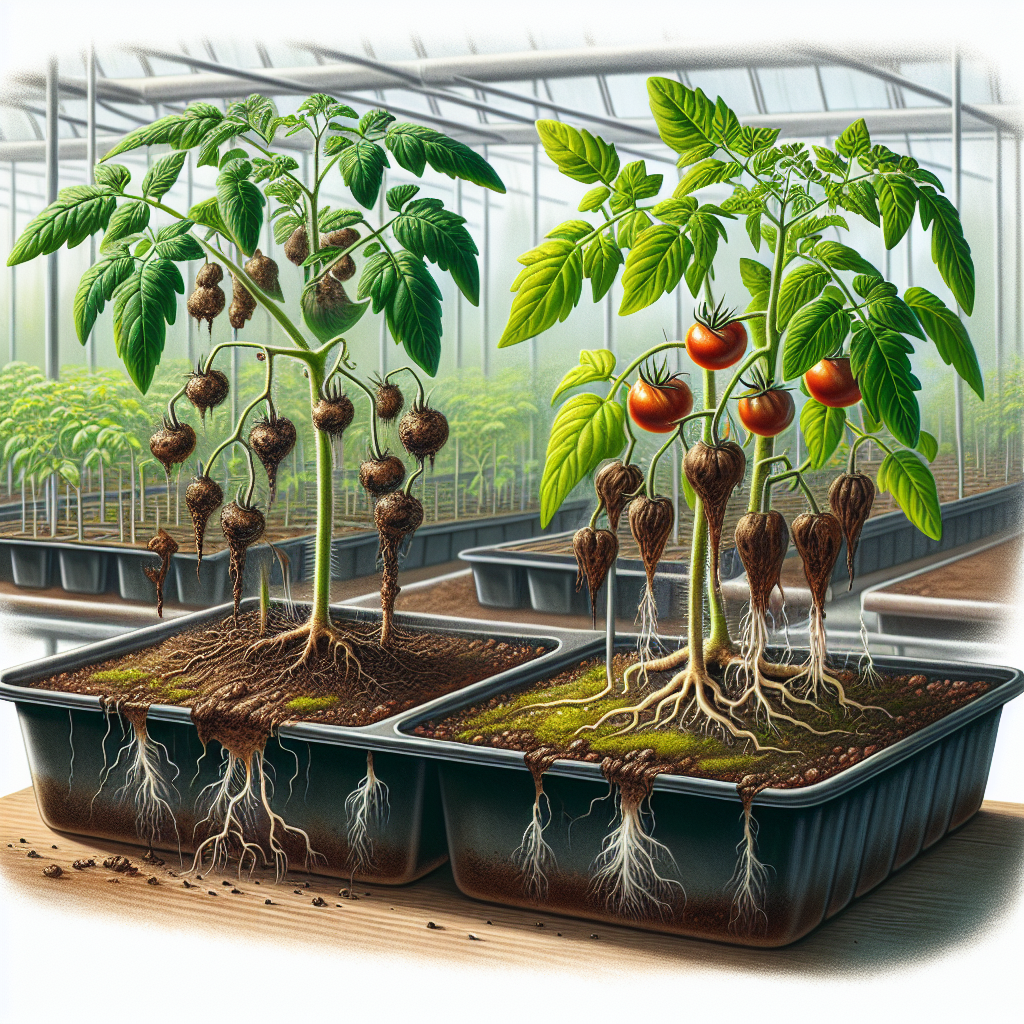
Introduction to Seedling damping-off
Seedling damping-off represents one of the most critical challenges in early crop production, striking tender seedlings just as they emerge from the soil. This disease complex, primarily driven by soil-borne pathogens including Pythium, Rhizoctonia, and Fusarium species, leads to rapid seedling death, often wiping out entire trays or beds overnight. Farmers and gardeners worldwide lose significant yields annually to this issue, particularly in greenhouses, nurseries, and direct-seeded fields where conditions favor pathogen proliferation.
The name 'damping-off' originates from the characteristic wilting and toppling of seedlings, as if damped by excessive moisture. Pre-emergence damping-off rots seeds before they sprout, while post-emergence attacks the hypocotyl or stem base, causing water-soaked lesions that girdle the plant. Understanding this disease is essential for sustainable agriculture, as it affects virtually all crops but hits vegetable seedlings hardest. Early diagnosis and cultural management can prevent outbreaks, saving time, seeds, and resources. For more on related seedling issues, see our comprehensive guide in Damping-off (disease).
In commercial settings, damping-off can result in 50-100% mortality rates if unchecked, underscoring the need for proactive strategies. This guide provides definitive diagnostic criteria, lifecycle insights, risk factors, organic treatments, prevention protocols, and lists of most susceptible crops to empower growers with professional-grade knowledge.
Identifying Symptoms & Damage
Accurate identification of seedling damping-off is crucial for timely intervention, as symptoms mimic other seedling stressors like nutrient deficiency or pest damage. Pre-emergence symptoms appear as seeds rotting in soil, failing to germinate, or producing only frail, discolored radicals that never breach the surface. Seeds may show brown, mushy decay with sparse white mycelium under humid conditions.
Post-emergence damping-off is more visible: seedlings emerge normally but soon develop dark, water-soaked lesions at the soil line on the hypocotyl or stem base. Affected tissues become soft and shriveled, often with a pinched appearance, leading to stem collapse and seedling toppling like tiny fallen soldiers. Roots may appear brown and rotted, lacking healthy white feeder roots. In advanced cases, a grayish-white fungal growth (mycelium) covers the soil surface around collapsed seedlings.
Damage extends beyond direct mortality; surviving seedlings often emerge stunted, with weakened vascular systems prone to secondary infections like root rot. Yield impacts are severe: in dense sowings, patchy stands reduce overall productivity by 20-80%, depending on crop and timing. Differentiate from non-pathogenic issues—overwatering causes similar wilting but without lesions or mycelium, while fungus gnats indicate insect involvement via larval tunnels.
Diagnostic tip: Gently lift suspect seedlings; healthy ones have firm, white roots, while damping-off victims show rotted, blackened root systems emitting a foul odor from anaerobic decay. Microscopic confirmation reveals oospores (Pythium), sclerotia (Rhizoctonia), or macroconidia (Fusarium). Early detection via regular scouting prevents spread in propagation areas.
Lifecycle and Progression of Seedling damping-off
Seedling damping-off pathogens are soil inhabitants with complex lifecycles adapted to survive harsh conditions. Pythium, a water mold (oomycete), produces zoospores that swim in saturated soils to infect seeds and roots. Under cool (15-25°C), wet conditions, it germinates rapidly, colonizing tissues within 24-48 hours. Resting oospores persist in soil for years, reactivating with moisture.
Rhizoctonia solani, a true fungus, spreads via thread-like hyphae and robust sclerotia—hard, survival structures enduring dry spells and tillage. Optimal at warmer temperatures (25-35°C), it causes 'wirestem' symptoms with reddish-brown lesions. Fusarium species produce chlamydospores for long-term soil survival, thriving in slightly acidic, poorly drained media and progressing from root infection to systemic wilt.
Progression follows a predictable pattern: pathogen activation in wet, cool soils → zoospore/hyphal invasion of imbibed seeds → enzymatic tissue maceration → lesion expansion girdling the hypocotyl → plant collapse and death. Secondary spread occurs via splashing water, tools, or contaminated media. In greenhouses, cycles repeat multiple times per season; in fields, they align with planting windows. Understanding this enables targeted prevention during vulnerable germination phases.
Environmental Triggers & Risk Factors
Damping-off epidemics erupt under specific conditions favoring pathogen activity over seedling vigor. Excessive soil moisture is the primary trigger—saturated media (>60% volumetric water) limits oxygen, stressing roots and enabling pathogen motility. Cool temperatures (10-20°C for Pythium) slow seedling growth while pathogens proliferate unchecked.
Compacted, heavy soils with poor drainage exacerbate issues, as do high soluble salts from over-fertilization, which injure roots. Contaminated growing media, especially reused potting mixes or unsterilized field soil, harbor high pathogen loads. Overcrowded sowings create humid microclimates, while deep planting buries seeds in pathogen-rich zones.
Risk factors include cold-stored seeds sown into cold soil, suppressing germination speed, and planting into fields with root rot history. Acidic soils (pH <6.0) favor Fusarium, while neutral-alkaline suits Rhizoctonia. Learn how to optimize sowing timing with insights from Why Timing Kills Small Farm Profits - And How AI Task Scheduling Saves Your Harvests. Poor sanitation—dirty tools, splash irrigation—spreads inoculum rapidly.
Organic Control & Treatment Plans
Once damping-off appears, curative options are limited; focus shifts to salvage and containment. Remove and destroy infected seedlings immediately, avoiding composting to prevent pathogen survival. Improve airflow with fans in greenhouses and avoid overhead watering—use bottom-watering or drip systems to keep foliage dry.
Organic biocontrols shine here: Trichoderma harzianum (e.g., RootShield) colonizes roots antagonistically, outcompeting pathogens; apply as drench at sowing (1-2 tsp/gal). Bacillus subtilis (Serenade) produces antifungal lipopeptides; foliar or drench at 2-4 oz/gal. Streptomyces lydicus (Actinovate) suppresses via antibiotics; mix into media at label rates.
Strengthen seedlings with organic nutrition: compost teas rich in micronutrients boost defenses, while silicon amendments (potassium silicate) fortify cell walls. Hydrogen peroxide (3% solution, 1:10 dilution) drench provides short-term oxygenation and pathogen kill. For severe outbreaks, solarization—clear plastic over moist beds for 4-6 weeks pre-planting—kills soil pathogens via heat.
Integrated plans: Scout daily, isolate trays, and treat prophylactically in adjacent areas. Success rates exceed 70% with prompt action and biocontrols, minimizing losses without synthetics.
Preventing Seedling damping-off in the Future
Prevention trumps cure for damping-off, emphasizing cultural practices that disrupt pathogen lifecycles. Start with pathogen-free, high-quality seeds treated organically (e.g., hot water or biofungicides). Use sterile or pasteurized media—bake at 180°F for 30 min or microwave damp mixes. Opt for soilless mixes (peat-perlite-vermiculite 1:1:1) with pH 6.2-6.8.
Sow shallowly (2x seed diameter), space adequately for airflow, and maintain media moisture at field capacity without saturation. Warm soils to 24-27°C pre-sowing accelerates germination outpacing pathogens. Employ bottom-heat mats for even warmth. Mulch fields with organic matter to moderate moisture but ensure drainage.
Crop rotation (2-3 years away from susceptibles) and cover cropping with brassicas suppress soil pathogens. Sanitize tools (10% bleach or alcohol), clean benches, and disinfect greenhouses annually. Boost seedling immunity with mycorrhizal inoculants and seaweed extracts. Monitor with Spring Pest Patrol: Organic AI Strategies to Shield Your Crops from Common Invaders—adapt for diseases. Consistent practices reduce incidence by 90%.
Crops Most Affected by Seedling damping-off
Seedling damping-off plagues a wide array of crops, but seedlings of vegetables, ornamentals, and field crops suffer most due to direct sowing or propagation. Cucurbits top the list: cucumber, squash, pumpkin, and watermelon seedlings succumb rapidly in cool, wet springs. Brassicas like cabbage, broccoli, cauliflower, and kale show high sensitivity, often rotting en masse.
Legumes including peas, beans (e.g., Blue Lake bush bean), chickpeas, and soybeans experience severe pre-emergence losses. Solanaceae—tomato (Roma Tomato, Cherry Tomato), potato (Russet Burbank Potato), eggplant, and peppers—are notorious victims. Alliums such as onion (Yellow Onion (Walla Walla)), garlic, and leeks frequently affected.
Grains like corn (Sweet Corn (Honey Select)), wheat, rice (Basmati Rice), and sorghum seedlings vulnerable in compacted fields. Root crops (carrot (Danvers Carrot), beet, radish) and leafy greens (lettuce, spinach) round out high-risk groups. Perennials like strawberries and woody ornamentals in nurseries also impacted. Tailor prevention to your rotation for optimal results.