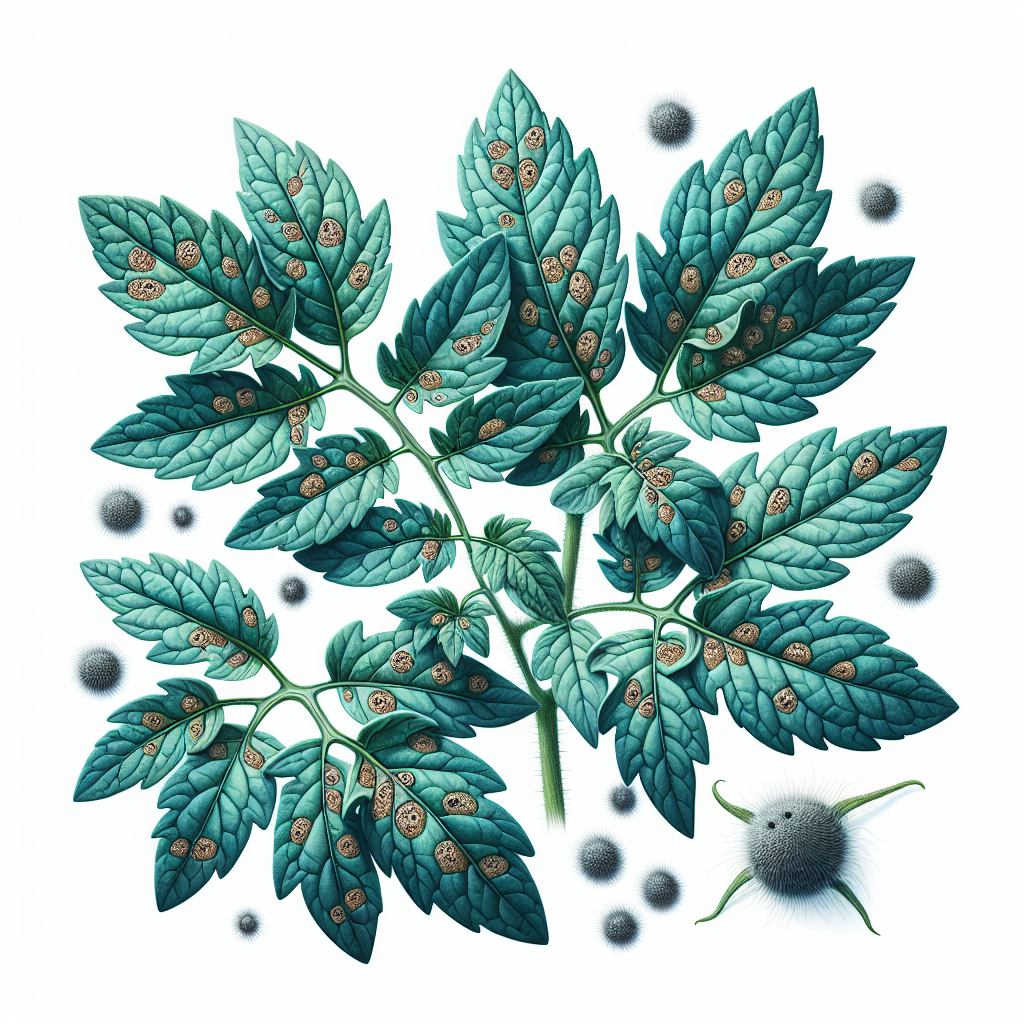
Introduction to Septoria-type blotches
Septoria-type blotches represent a group of fungal diseases primarily caused by pathogens in the Septoria genus and morphologically similar fungi, leading to significant defoliation and yield losses in agricultural crops worldwide. These diseases manifest as distinctive leaf lesions that start as tiny, water-soaked spots evolving into larger, necrotic blotches with characteristic fruiting bodies, often surrounded by chlorotic halos. Unlike bacterial leaf spots, which may ooze, Septoria-type blotches feature pycnidia—tiny black fungal structures visible under magnification—making microscopic confirmation key for accurate diagnosis.
First identified in the 19th century on tomato crops, Septoria-type blotches have since spread to cereals, vegetables, and ornamentals, costing farmers billions annually in lost productivity. In wheat, Septoria tritici blotch alone can reduce yields by 20-50% in severe epidemics, while in tomatoes, it triggers early defoliation, exposing fruits to sunscald. Climate change exacerbates outbreaks by prolonging wet periods, underscoring the need for integrated management. This guide provides professional-grade diagnostics, lifecycle insights, and organic strategies to safeguard your fields. For small farms, early detection via AI plant identification tools can prevent escalation—check out Why Misidentifying Plants Costs Small Farms Thousands - And How AI Camera Diagnosis Fixes It Fast for practical tips.
Understanding these pathogens is crucial: Septoria spp. are necrotrophic fungi that kill host tissue to feed, differing from biotrophs like rusts. Spores splash via rain, infect through stomata or wounds, and cycle rapidly in humid microclimates. Global trade and monoculture amplify risks, but diversified rotations and sanitation offer robust defenses. This comprehensive resource equips growers with actionable steps to minimize damage.
Identifying Symptoms & Damage
Accurate identification hinges on symptom progression and microscopic traits. Initial signs appear on lower, older leaves as small (1-3 mm), circular, dark brown to black spots with light gray centers. As lesions expand to 5-10 mm, they become irregular blotches with yellow halos, often merging into extensive blighting. Key diagnostic feature: black pycnidia (0.1-0.2 mm) embedded in lesions, exuding cirrhi (spore masses) in moist conditions—use a 10x hand lens to spot them.
Damage escalates with defoliation: in tomatoes, 50% leaf loss halves fruit size and quality; in wheat, flag leaf infection slashes grain fill by 30%. Secondary effects include increased susceptibility to powdery mildew or sunscald. Differentiate from lookalikes: early blight has concentric rings; bacterial spots lack pycnidia and show angular margins. Conduct a quadrant sample: if >10% leaves affected, intervention is urgent.
Field scouting protocol: Walk zigzag patterns weekly from tillering/flowering stages, rating severity (e.g., Griffiths scale for wheat: 1-10%). Lab confirmation via culturing or PCR distinguishes Septoria from leaf spots. Yield impacts are crop-specific—in potatoes, tuber quality drops 15-25%; in soybeans, pod set declines. Early symptoms mimic nutrient deficiencies, but blotch edges remain sharp, not diffuse.
Lifecycle and Progression of Septoria-type blotches
Septoria-type blotches follow a polycyclic lifecycle, with 5-20 infection cycles per season in favorable conditions. Primary inoculum overwinters in crop debris, infected seeds, or weeds as pycnidia or stromata. Spring rains (threshold: 10+ hours leaf wetness at 15-25°C) release conidia, splashing to lower canopy. Germination occurs in 6-12 hours; appressoria penetrate stomata, forming 7-14 day latent period before symptoms.
Secondary spread via rain-splashed pycnidiospores accelerates epidemics—latent period shortens to 5 days at 20°C/90% RH. Optimal infection: 15-25°C, >90% RH, free water 8+ hours. In wheat, ascospores from pseudothecia (sexual stage) enable long-distance dispersal via wind. Progression: lower leaves first (splash zone), ascending canopy by milk stage. Crop height influences: dense canopies trap humidity, prolonging cycles.
Epidemic models like STEMRUST predict outbreaks using weather data. Lifecycle completes in 14-21 days, with spores viable 30+ days in debris. Eradicate residue via tillage to break chain. In perennials like strawberries, systemic spread via stolons perpetuates.
Environmental Triggers & Risk Factors
Wet, humid conditions are prime triggers: leaf wetness duration >12 hours at 18-22°C sparks 90% infection rates. Overhead irrigation mimics rain, doubling risk vs. drip. High nitrogen fosters succulent tissue; dense planting (>80% canopy closure) traps moisture. Susceptible varieties (e.g., older wheat cultivars) amplify damage—resistance genes like Stb6 confer partial protection.
Soil factors: poor drainage elevates splash inoculum. Regional risks: temperate zones with frequent dews (e.g., Pacific Northwest) vs. arid areas. Climate shifts extend windows—warmer springs hasten primary infections. Volunteer plants and caterpillars wounding leaves create entry points. Monitor via weather stations: >7 rainy days/month signals alert.
Organic Control & Treatment Plans
Integrated organic management emphasizes prevention, but curative options exist. Cultural: Rotate 2-3 years away from host crops; till debris to <5 cm depth for UV degradation. Prune lower tomato leaves pre-anthesis. Biological: Apply Trichoderma harzianum or Bacillus subtilis at 7-10 day intervals from first symptoms—efficacy 40-60%. Fungicides: OMRI-listed copper hydroxide (e.g., 1-2 lbs/A) or potassium bicarbonate every 7-14 days, rotating modes to avert resistance. Serenade (Bacillus) suppresses 50%.
Step-by-step plan: 1) Scout weekly. 2) At 5% severity, apply biofungicide + sticker. 3) Reapply post-rain. 4) Thin canopy for airflow. Efficacy peaks with <48-hour dry intervals. In wheat, seed treatments with Pseudomonas fluorescens reduce seedlings 70%. Companion plant Thai basil to repel vectors. Track via apps for precision timing. See Spring Pest Patrol: Organic AI Strategies to Shield Your Crops from Common Invaders for enhanced protocols.
Preventing Septoria-type blotches in the Future
Long-term prevention builds resilient systems. Select resistant varieties: tomatoes like Mountain Magic, wheat with Stb16. Time planting to evade peak wetness—early wheat sowing dodges spring rains. Enhance airflow: 12-18 inch row spacing, 50% canopy max. Mulch suppresses splash (straw 4-6 inches). Solarize soil pre-plant (6 weeks summer) kills 90% inoculum.
Residue management: flail chop + incorporate; flaming destroys pycnidia. Cover crops like mustard biofumigate. Monitor forecasts—apply preventives pre-rain. Quarantine volunteers. IPM threshold: 10% lower leaves. Annual rotation + resistance stacks reduce incidence 80%. Educate crews on sanitation.
Crops Most Affected by Septoria-type blotches
Septoria-type blotches strike solanaceous and gramineous crops hardest. Tomato ([/wiki/tomato]): Lower leaf blotches defoliate 70%, slashing yields 40%. Wheat ([/wiki/wheat]): Flag leaf focus cuts grain 30%. Potato ([/wiki/potato]): Tuber reduction 25%. Soybeans ([/wiki/soybeans]): Pod abortion. Others: barley, oats, strawberry, celery. Hybrids vary—cherry tomatoes resist better. Global hotspots: Europe wheat belts, US Midwest corn-soy rotations.