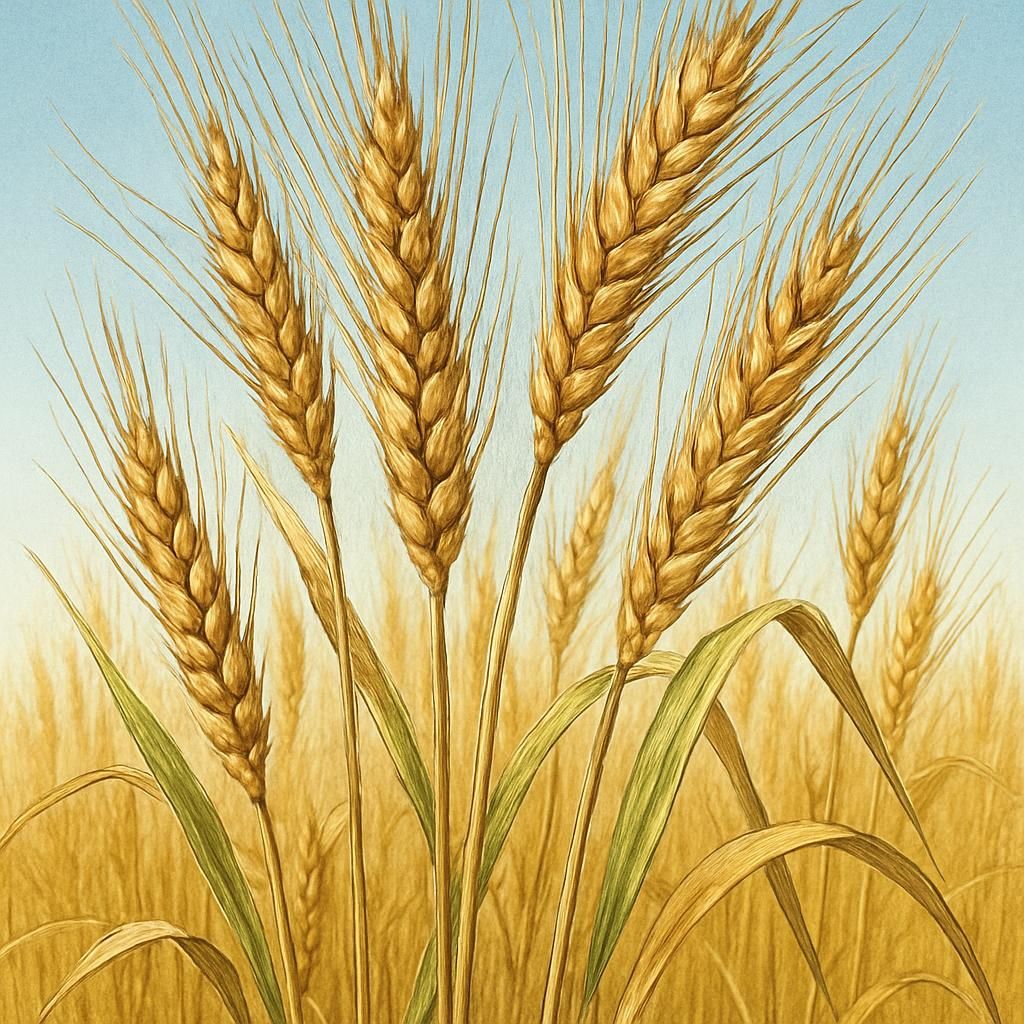
Introduction to Rye (Dankowskie)
Rye (Dankowskie) is a variety bred specifically for colder climates, making it an excellent choice for farmers in regions with harsh winters. Known for its robust growth and adaptability, it can be used for a variety of purposes, including grain production, green manure, and forage. Its resilience to poor soil conditions makes it a staple crop in many low-fertility areas.
Botanical Profile of Rye (Dankowskie)
Belonging to the family Poaceae, rye is a grass that grows between 1.5 to 2 meters in height. Dankowskie rye is marked by its tall, slender stalks and long, bearded spikes that contain the seeds. This variety is particularly valued for its high yield and low disease susceptibility, especially in terms of fungal infections like ergot (Claviceps purpurea).
Soil, pH, and Climate Requirements for Rye (Dankowskie)
Here are the ideal conditions for growing Dankowskie Rye:
| Factor | Ideal Condition |
|---|---|
| Soil Type | Loamy, well-drained |
| Soil pH | 5.5 - 7.0 |
| Temperature | 10°C - 18°C (ideal growing) |
| Rainfall | 500-800 mm annually |
Dankowskie rye thrives best in temperate zones. It is more winter-hardy compared to other cereals—making it a reliable crop in regions that experience cold temperatures and frost.
Step-by-Step Planting & Propagation
- Site Preparation: Till the soil to a depth of 15-20 cm to improve aeration and drainage. Add organic matter if necessary to enhance soil fertility.
- Seeding: Sow seeds from late summer to early autumn. Recommended seeding depth is 2-4 cm to protect seeds from frost and maintain moisture.
- Seeding Rate: Aim for 110-120 kg of seeds per hectare to ensure adequate density.
- Timing: Ensure sowing is completed 5-7 weeks before the first expected frost for optimal establishment.
Care & Maintenance Regimes for Rye (Dankowskie)
Proper care ensures healthy growth and high yields.
| Care Aspect | Schedule |
|---|---|
| Watering | Minimal; relies mainly on rainfall. Water during extreme drought. |
| Fertilization | Apply nitrogen at 40-80 kg/ha at seeding stage, and an additional 20-30 kg/ha in early spring (if needed). |
| Pruning | Not necessary, rye naturally suppresses weeds and maintains uniform growth. |
Weeding isn't typically required due to rye's allelopathic properties, which inhibit weed growth.
Pests, Diseases & Organic Management
Dankowskie rye is resistant to many wheat diseases but can be susceptible to Leaf Rust and Powdery Mildew. Organic management involves regular crop rotation and the use of resistant strains to minimize outbreaks.
For pests like Spider Mites, introduce natural predators such as ladybugs or use horticultural oils and soaps.
Harvesting, Curing & Optimal Storage
Harvesting typically occurs in late summer when the stalks turn golden brown and the grains easily separate from the chaff. Use a combine harvester for efficiency. Post-harvest, grains should be cured by drying them to 12-14% moisture content. Store in a cool, dry place to preserve for several months.
Companion Planting for Rye (Dankowskie)
Rye pairs well with legumes such as Peas and Soybeans as it aids in fixing nitrogen in the soil. It's also effective when used as a cover crop in rotation systems with Corn and Wheat. Companion planting can enhance soil health and minimize pest issues.
For effective soil management techniques and organic practices, refer to the The Forgotten Art of Fall Soil Revival: 8 Organic Strategies for Small Farm Resilience.
For additional insights on rye and its benefits in crop rotation systems, see the Rye (crop) page.