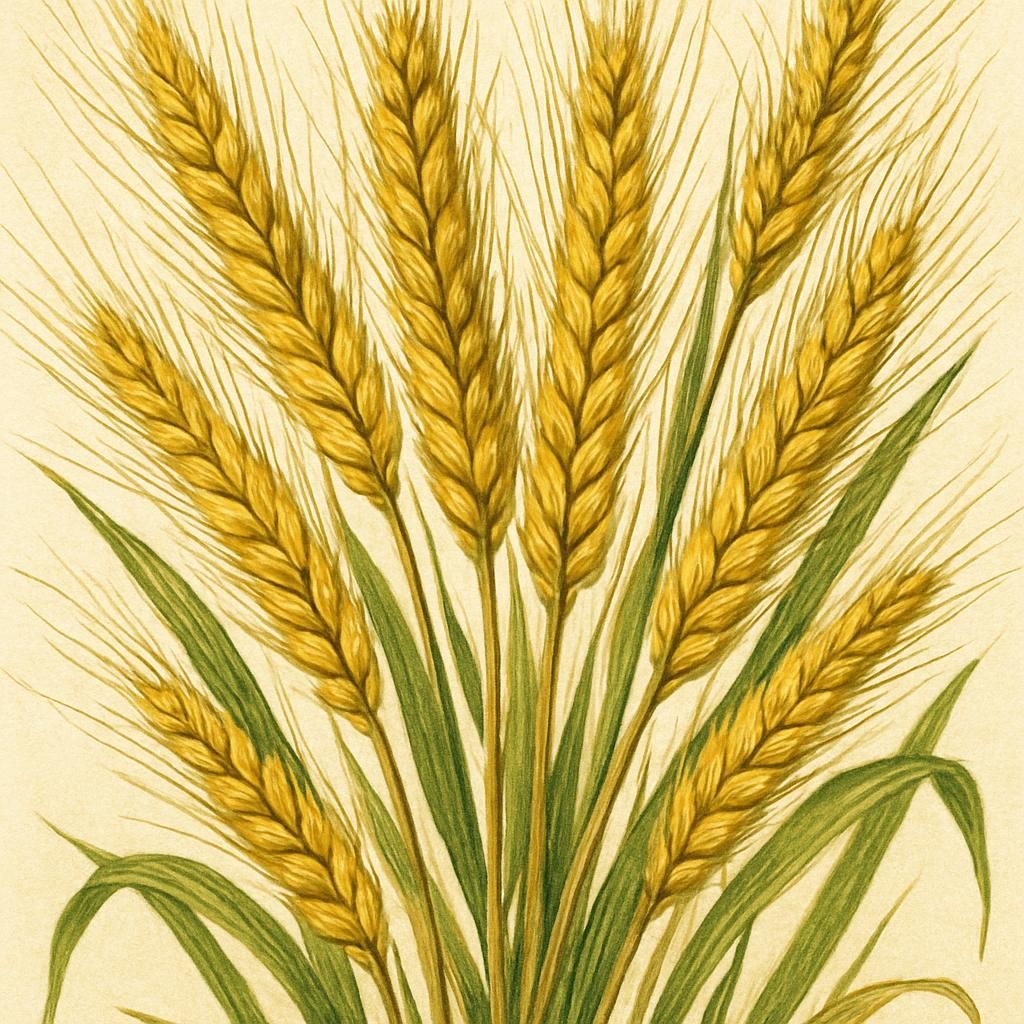
Introduction to Rye (Aroostook)
Rye (Aroostook) is a versatile cereal grain that thrives in cold climates, making it a popular choice for farmers looking to extend their growing season or improve soil health. Known for its hardiness, this crop is widely employed as a cover crop due to its ability to suppress weeds and enhance soil structure. Furthermore, it serves as a valuable forage crop for livestock and can be harvested for its grain.
Botanical Profile of Rye (Aroostook)
Rye belongs to the family Poaceae and is scientifically referred to as Secale cereale. It is an annual grass that can grow to heights between 3 and 5 feet. The plant exhibits a fibrous root system that aids in preventing soil erosion and improving soil structure. Rye is a cross-pollinated crop, which implies the necessity of favorable conditions for pollination and seed set.
Soil, pH, and Climate Requirements for Rye (Aroostook)
Rye is appreciated for its ability to grow in less-than-ideal soil conditions, including sandy and loamy soils. However, it performs best in well-drained soils with moderate fertility. The crop is tolerant of lower soil pH levels compared to other cereals. Ideal growing conditions for rye are outlined in the table below:
| Requirement | Ideal Range |
|---|---|
| Soil Type | Well-drained sandy or loamy soils |
| Soil pH | 4.5 to 6.0 |
| Temperature | 50°F to 77°F (10°C to 25°C) |
| Rainfall | 12 to 16 inches (300 to 400 mm) annually |
Step-by-Step Planting & Propagation
- Seed Selection: Choose certified rye seeds. Look for disease-resistant varieties to minimize losses.
- Soil Preparation: Till the field 6-8 inches deep, removing any large stones or debris. Add organic matter like compost to enhance soil fertility if needed.
- Planting Time: For winter rye, sow seeds in late summer to early fall. Spring rye should be planted immediately after the last spring frost.
- Seeding Rate: Use a seeding rate of 60 to 120 pounds per acre. Seeding can be done using a grain drill for optimal depth and seed-soil contact.
- Planting Depth: Ideal depth is 1 to 2 inches for effective germination.
- Spacing: Ensure adequate spacing for seed distribution but avoid overpopulation which can lead to competition and reduced yields.
Care & Maintenance Regimes for Rye (Aroostook)
Caring for rye involves regular monitoring and maintenance of soil health as well as pest and disease management. The crop requires a sufficient amount of water and nutrients but is resistant to drought conditions once established.
| Care Regime | Frequency | Details |
|---|---|---|
| Watering | Weekly | 0.5 to 1 inch per week during dry spells |
| Fertilization | Once per growing season | Apply a balanced NPK fertilizer (3:1:2 ratio) at planting |
| Pruning | Not required |
Pests, Diseases & Organic Management
Rye (Aroostook), while hardy, can still fall prey to pests such as Spider Mites, aphids, and diseases like ergot or smuts. Use cultural control methods such as crop rotation and maintaining field hygiene. Biological controls or organic-approved pesticides can manage pest outbreaks. For comprehensive solutions, consider reading Crop Diseases Under the Microscope: 9 Organic Fixes for Small Farm Resilience.
Harvesting, Curing & Optimal Storage
Harvest rye when the grains have reached maturity and possess a tough, golden-brown husk. Mechanical harvesters are ideal for large farms. Post-harvest, cure the grains by drying them to a moisture content below 14% to prevent mold. Store in a cool, dry place; use airtight containers for small-scale storage to deter pests and humidity.
Companion Planting for Rye (Aroostook)
Rye pairs well with leguminous plants due to its ability to fix nitrogen, benefiting soil fertility. Pairing with crops like Soybeans or Clover enhances soil health. For detailed companion strategies, read Summer Companion Planting: 10 Organic Pairings to Boost Small Farm Resilience.
By understanding and implementing these growing guidelines, farmers can successfully manage and optimize the yield and benefits of Rye (Aroostook) in their agricultural practice.