Introduction to Runner Bean (Scarlet Emperor)
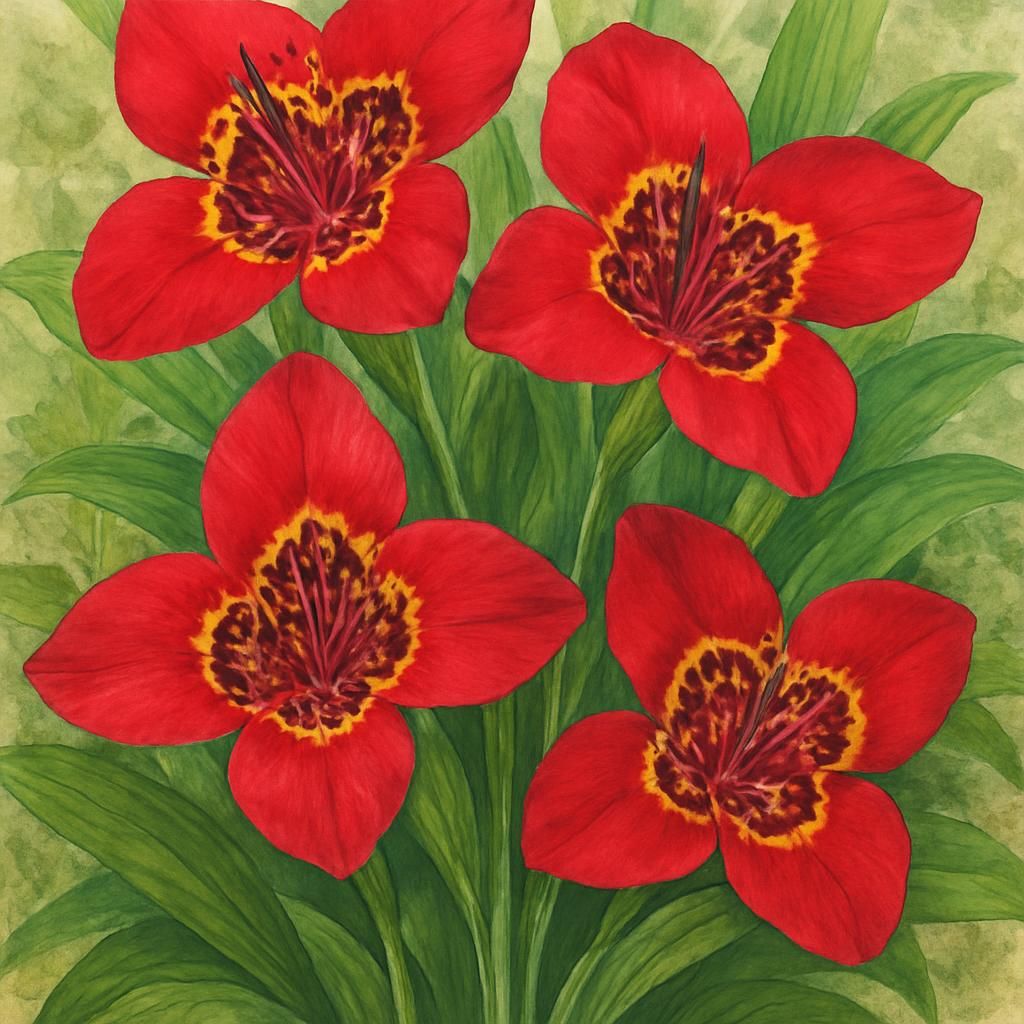
The Runner Bean, specifically the 'Scarlet Emperor' variety, is celebrated for its vibrant red blossoms and long, tender pods. This crop is not only a visual delight but also a culinary favorite, making it a must-have in home gardens and small farms. Originating from Central and South America, runner beans are distinct from common beans due to their perennial nature in warmer climates and exceptional flower aesthetics.
Botanical Profile of Runner Bean (Scarlet Emperor)
Runner Beans, scientifically known as Phaseolus coccineus, belong to the Fabaceae family. They are climbing plants that can grow up to three meters (10 feet) tall. The flowers are a striking red, and the pods are typically 20-30 cm long. The beans inside are large and oval.
Soil, pH, and Climate Requirements for Runner Bean (Scarlet Emperor)
For optimal growth, the 'Scarlet Emperor' requires specific conditions:
| Requirement | Ideal Condition |
|---|---|
| Soil Type | Well-drained, loamy |
| Soil pH | 6.0 to 7.5 |
| Temperature | 15°C to 20°C (59°F to 68°F) |
| Sun Exposure | Full sun (6-8 hours daily) |
| Humidity | Moderate, with good air flow |
These conditions ensure that the 'Scarlet Emperor' thrives, producing high yields and vibrant flowers.
Step-by-Step Planting & Propagation
Selecting a Site: Choose a sunny location with fertile, well-drained soil. The site should have a structure like a trellis or pole to support the climbing vines.
Soil Preparation: Enrich the soil with well-rotted compost or manure before planting. Ensure proper drainage to prevent waterlogging.
Sowing: Sow seeds directly into the soil after the last frost. Plant seeds 5 cm (2 inches) deep and 15 cm (6 inches) apart.
Germination: Seeds typically germinate within 7 to 14 days. Ensure consistent moisture during this period.
Transplanting (if starting indoors): If started indoors, transplant seedlings when they are about 15 cm (6 inches) tall.
Care & Maintenance Regimes for Runner Bean (Scarlet Emperor)
Consistent care is essential for a productive harvest:
| Task | Frequency |
|---|---|
| Watering | Regular; 1-2 inches per week |
| Fertilizing | Every 4-6 weeks, balanced fertilizer |
| Pruning | Remove yellowing leaves regularly |
While watering, ensure the soil is moist but not waterlogged. Pruning helps improve air circulation and prevents diseases.
Pests, Diseases & Organic Management
Runner Beans, like many crops, can be susceptible to pests and diseases such as:
- Aphids: Employ insecticidal soap or introduce ladybugs for control.
- Spider Mites: Use neem oil or horticultural oil.
- Powdery Mildew: Improve air circulation and use sulfur-based fungicides.
For an in-depth guide on managing crop diseases organically, refer to Crop Diseases Under the Microscope: 9 Organic Fixes for Small Farm Resilience.
Harvesting, Curing & Optimal Storage
Harvest runner beans when pods are tender and beans are not fully developed, usually about 12 weeks after planting. Use scissors or a sharp knife to avoid damaging the plant. Store fresh in a cool, moist place or blanch and freeze for long-term storage.
Companion Planting for Runner Bean (Scarlet Emperor)
Companion planting can enhance yields and deter pests. Beneficial companions include:
- Cabbage: Helps in deterring pests.
- Nasturtium: Attracts aphids away from beans.
- Corn: Provides natural support for vines.
Avoid planting near Onions and Garlic as they can inhibit growth.