Encyclopedia
Definitive guides for crops, pests, and agricultural diseases.
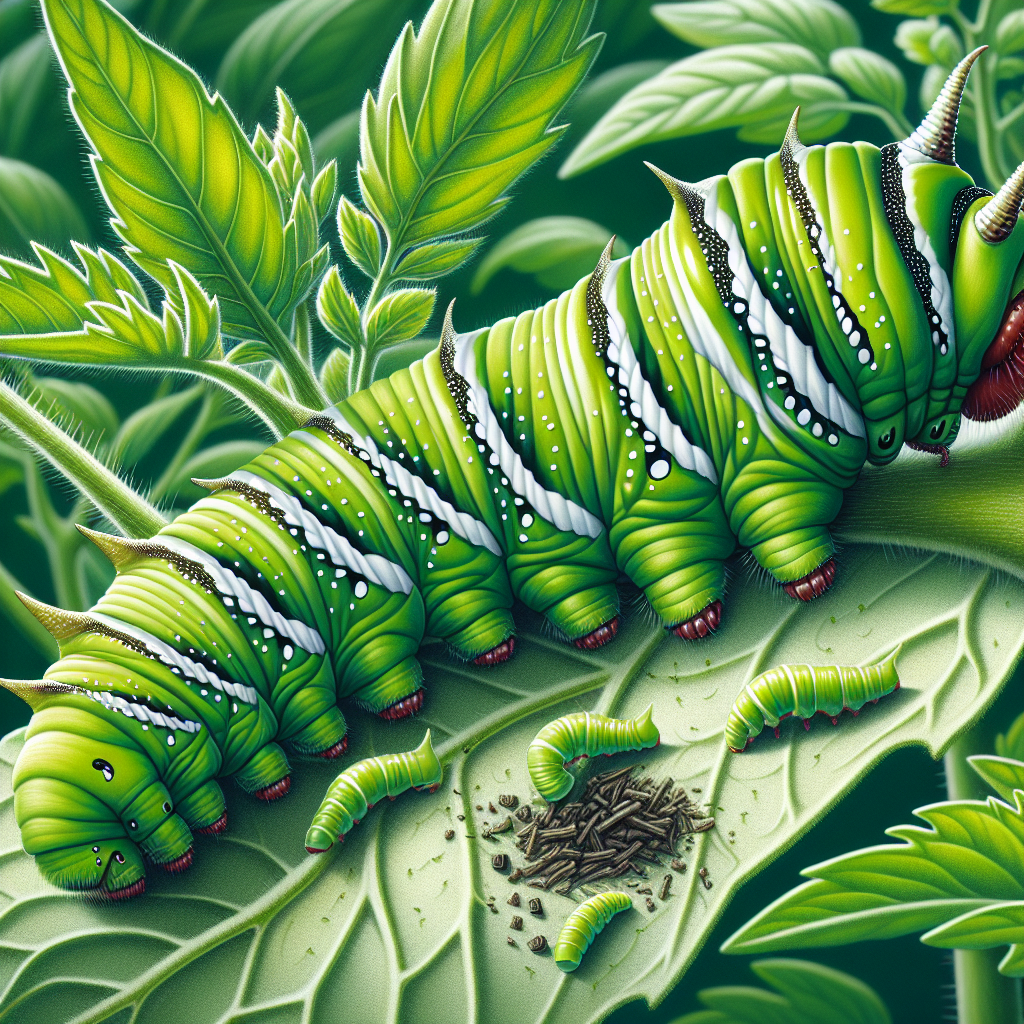
Hornworms
Hornworms are large, voracious caterpillars that devastate tomato, pepper, and eggplant crops by rapidly defoliating plants and boring into fruits. Recognizable by their green bodies, white stripes, and distinctive horn-like tail, they can strip a plant bare overnight. Effective management combines early detection, organic controls like BT, and natural predators for sustainable prevention.
View Profile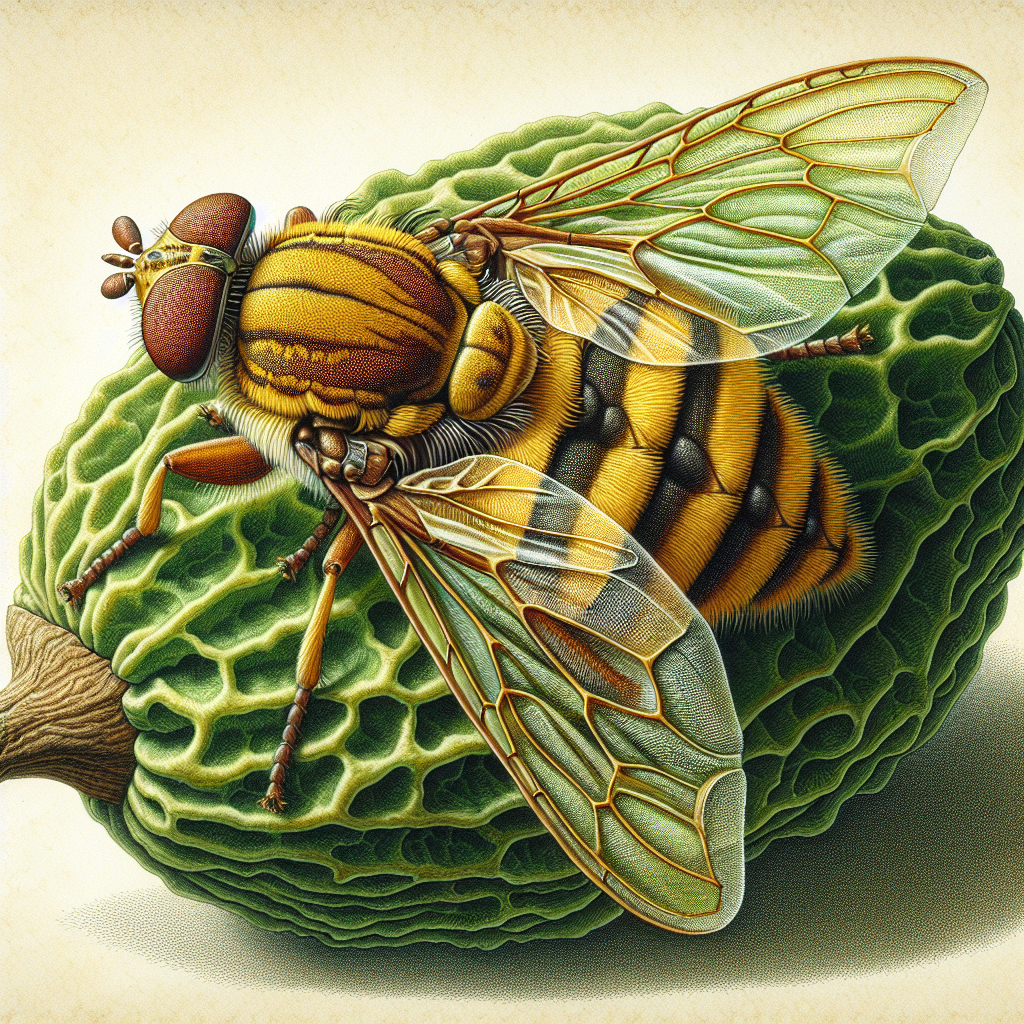
Husk fly
The husk fly, scientifically known as Rhagoletis completa, is a destructive pest primarily targeting walnut husks, causing premature drop and quality degradation. Effective management combines monitoring, sanitation, and organic controls to protect yields. This guide provides diagnostic symptoms, lifecycle details, and proven strategies for prevention and control.
View Profile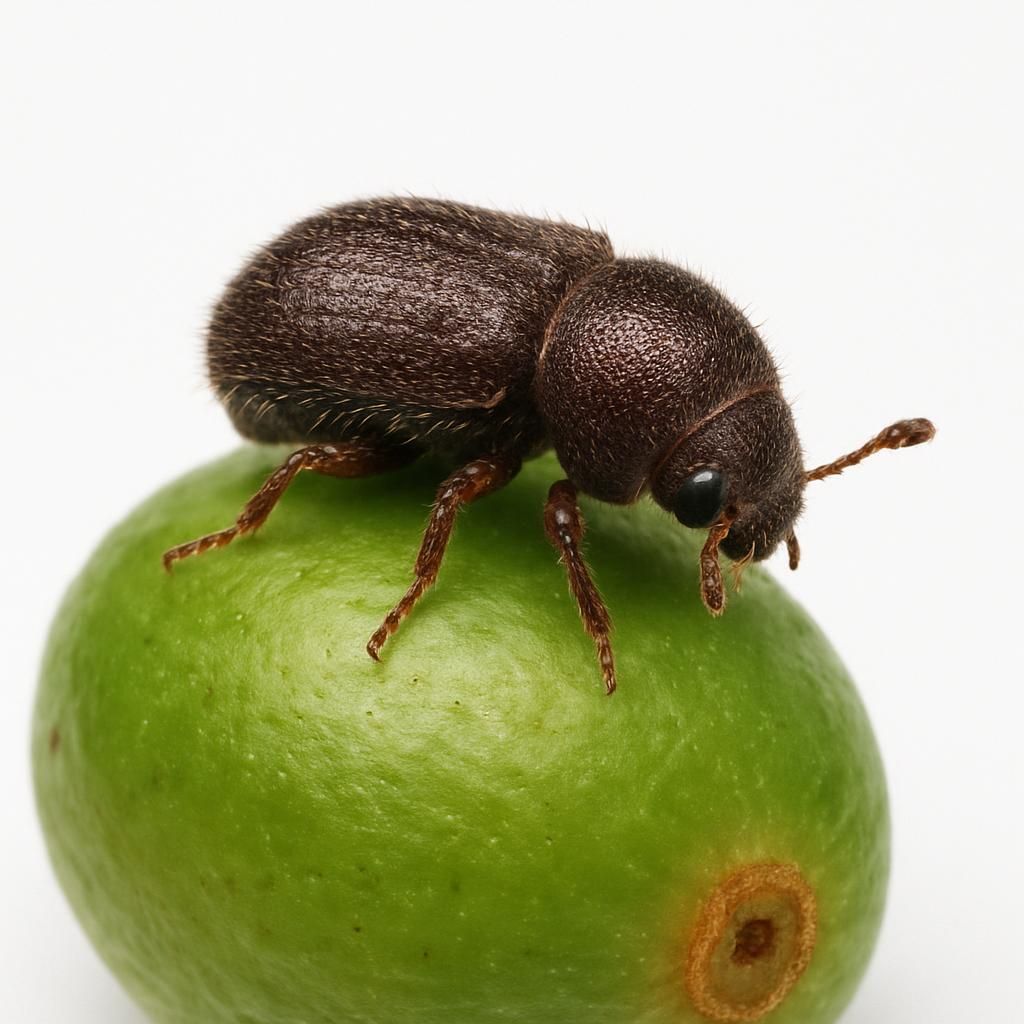
Hypothenemus hampei
Hypothenemus hampei, commonly known as the coffee berry borer, is the most economically damaging insect pest of coffee worldwide. This tiny beetle bores into developing berries, destroying the bean quality and causing significant yield losses. Effective management requires integrated cultural, biological, and targeted chemical strategies throughout the crop cycle.
View Profile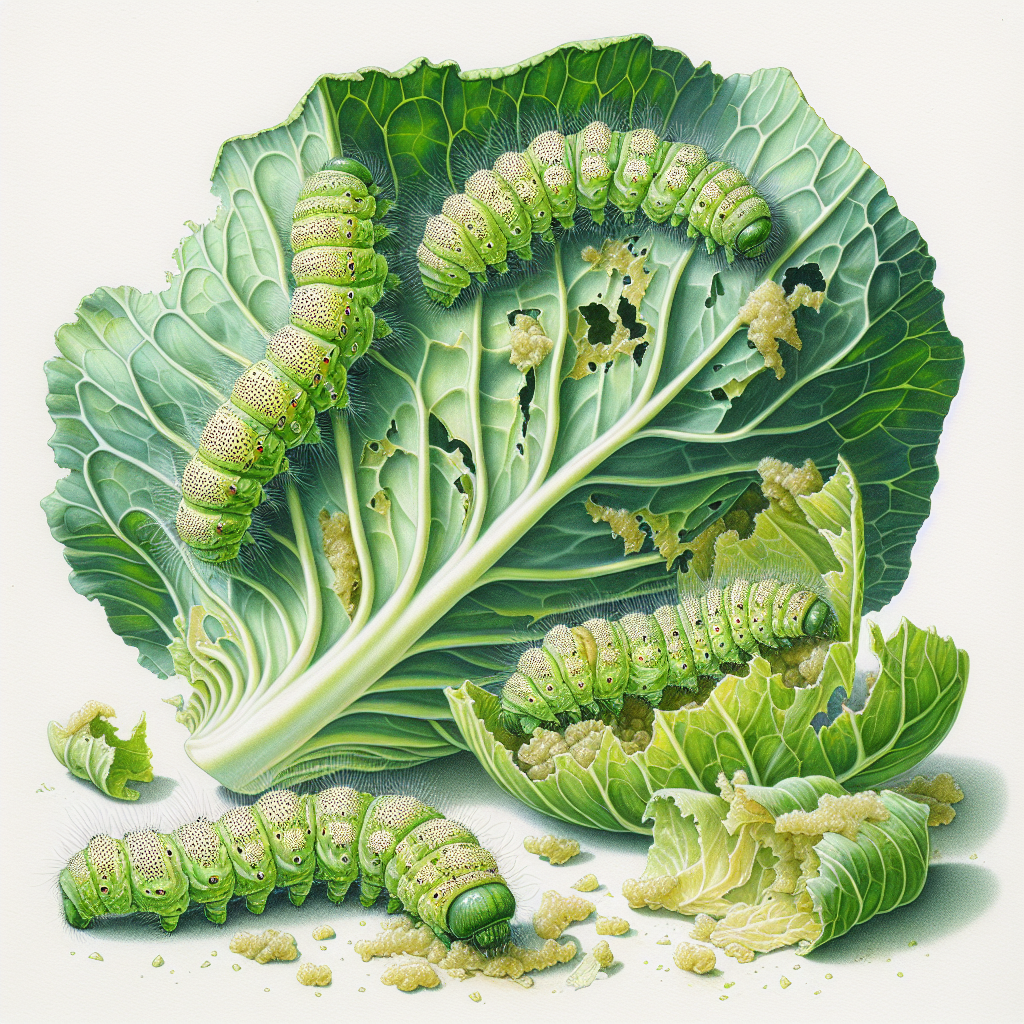
imported cabbage white larvae
Imported cabbage white larvae, the green caterpillars of Pieris rapae, are a widespread pest devastating brassica crops by skeletonizing leaves. This guide provides definitive identification, lifecycle insights, organic management strategies, and prevention tactics for farmers and gardeners. Protect your cabbage, broccoli, and kale harvests with proven agricultural techniques.
View Profile
Imported cabbageworm
The imported cabbageworm is a widespread pest notorious for defoliating brassica crops like cabbage, broccoli, and kale. Its green larvae blend seamlessly with foliage, causing extensive damage by skeletonizing leaves. Effective management combines organic controls, natural predators, and cultural practices for sustainable protection.
View Profile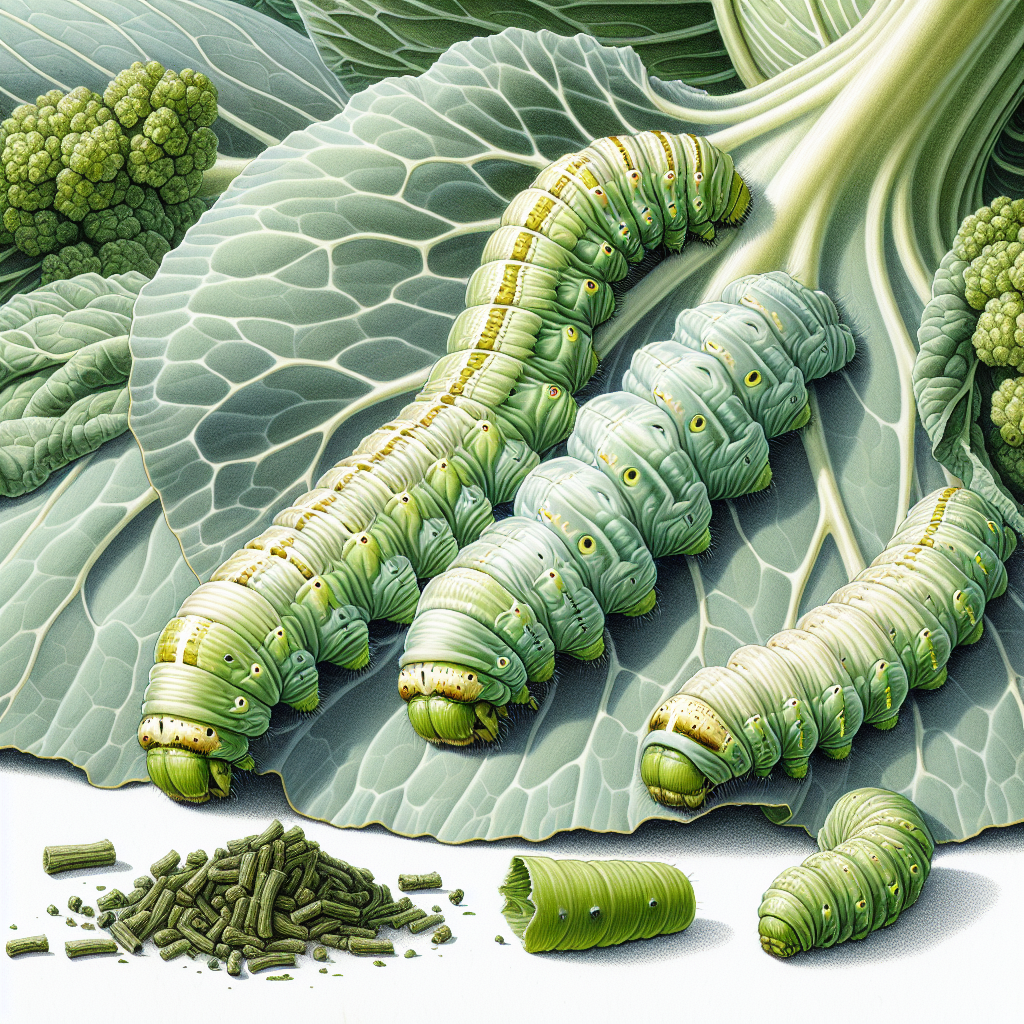
imported cabbageworm larvae
Imported cabbageworm larvae are the green, velvety caterpillars of the imported cabbageworm moth, notorious for devouring leaves of cabbage family crops. These pests cause extensive damage by skeletonizing foliage, leading to reduced yields and plant stress. Effective management combines monitoring, organic controls like BT, and cultural practices for long-term prevention.
View Profile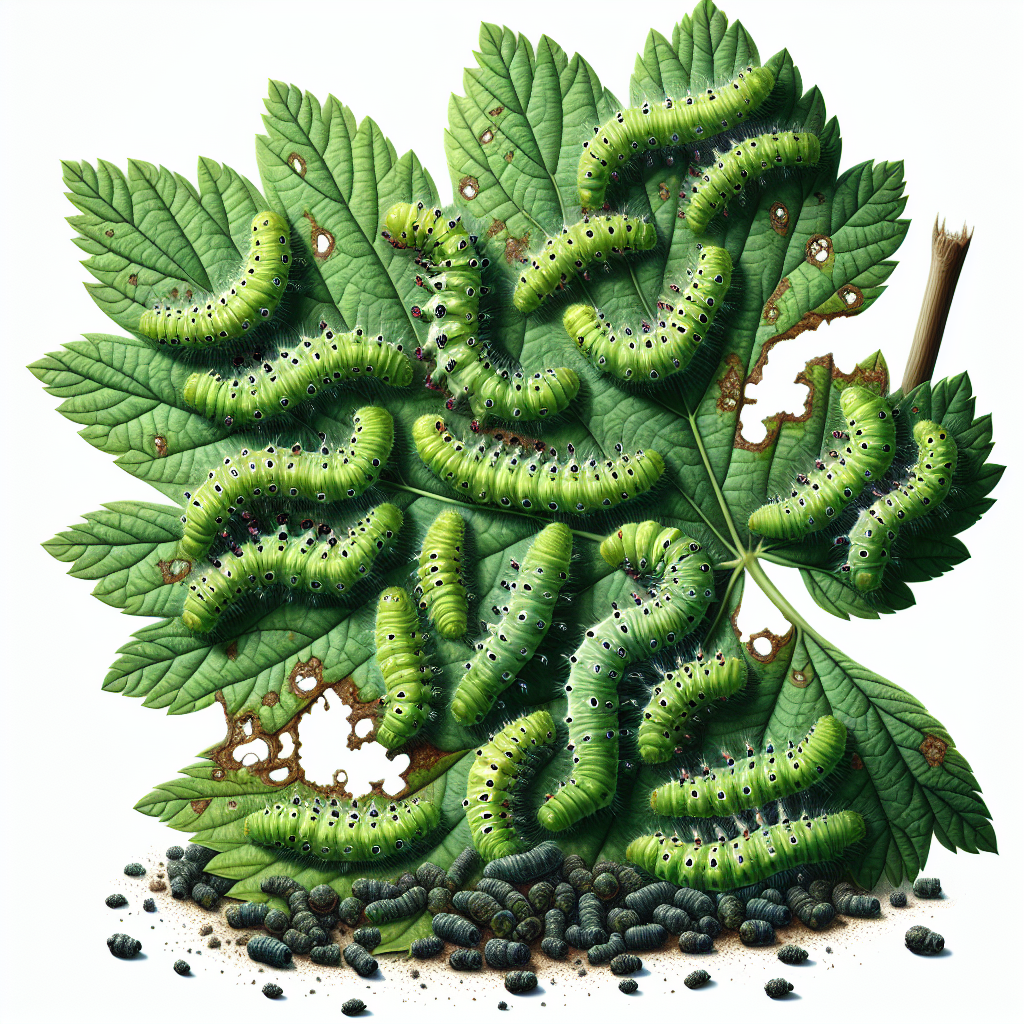
Imported currant worm
The imported currant worm (Nematus ribesii) is a destructive sawfly larva that rapidly defoliates currant and gooseberry bushes, often stripping plants bare in days. Native to Europe but widespread in North America, it poses a significant threat to berry crops during spring and early summer. Effective management combines vigilant scouting, organic controls like BT and neem oil, and cultural practices for long-term prevention.
View Profile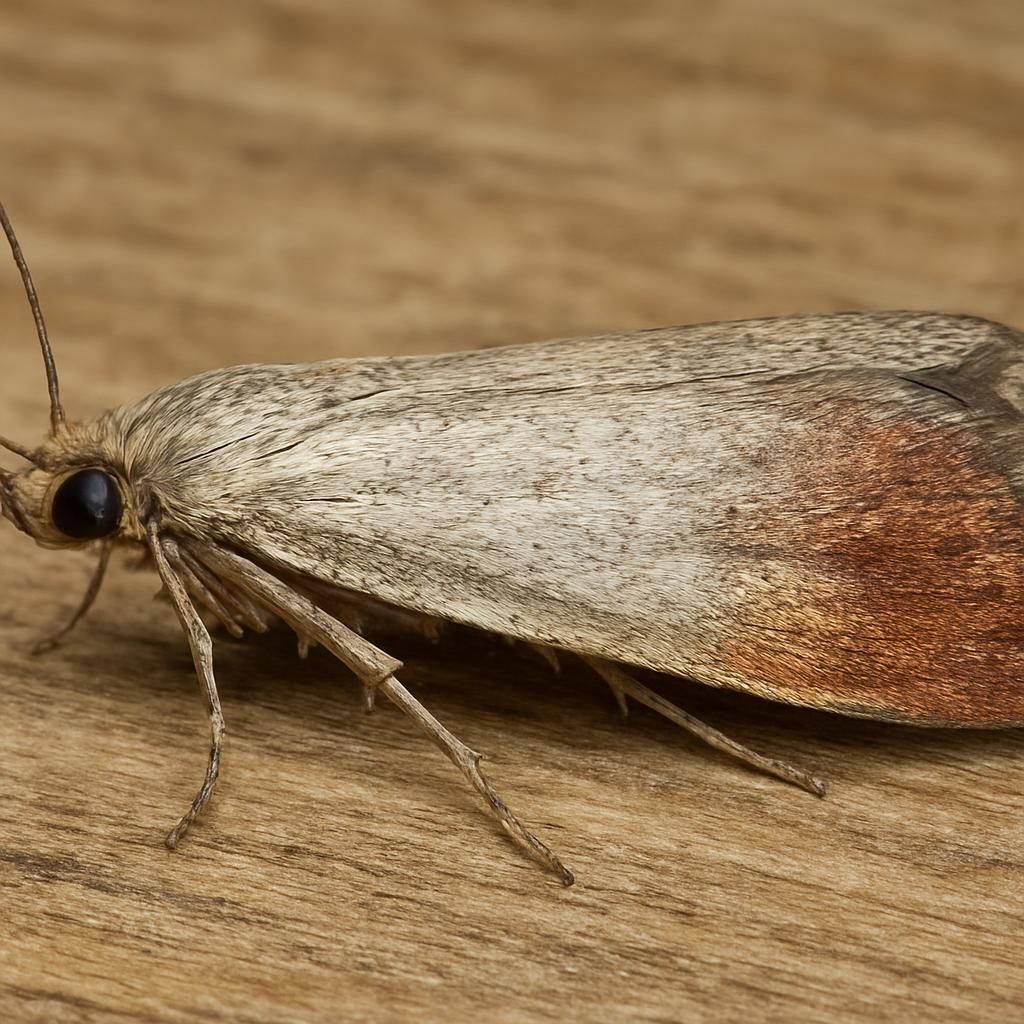
Indian meal moth
The Indian meal moth is a widespread stored-product pest that infests grains, nuts, dried fruits, and processed foods. Larvae cause direct feeding damage and contaminate commodities with silk webbing and frass. Effective management relies on sanitation, monitoring, and targeted treatments.
View Profile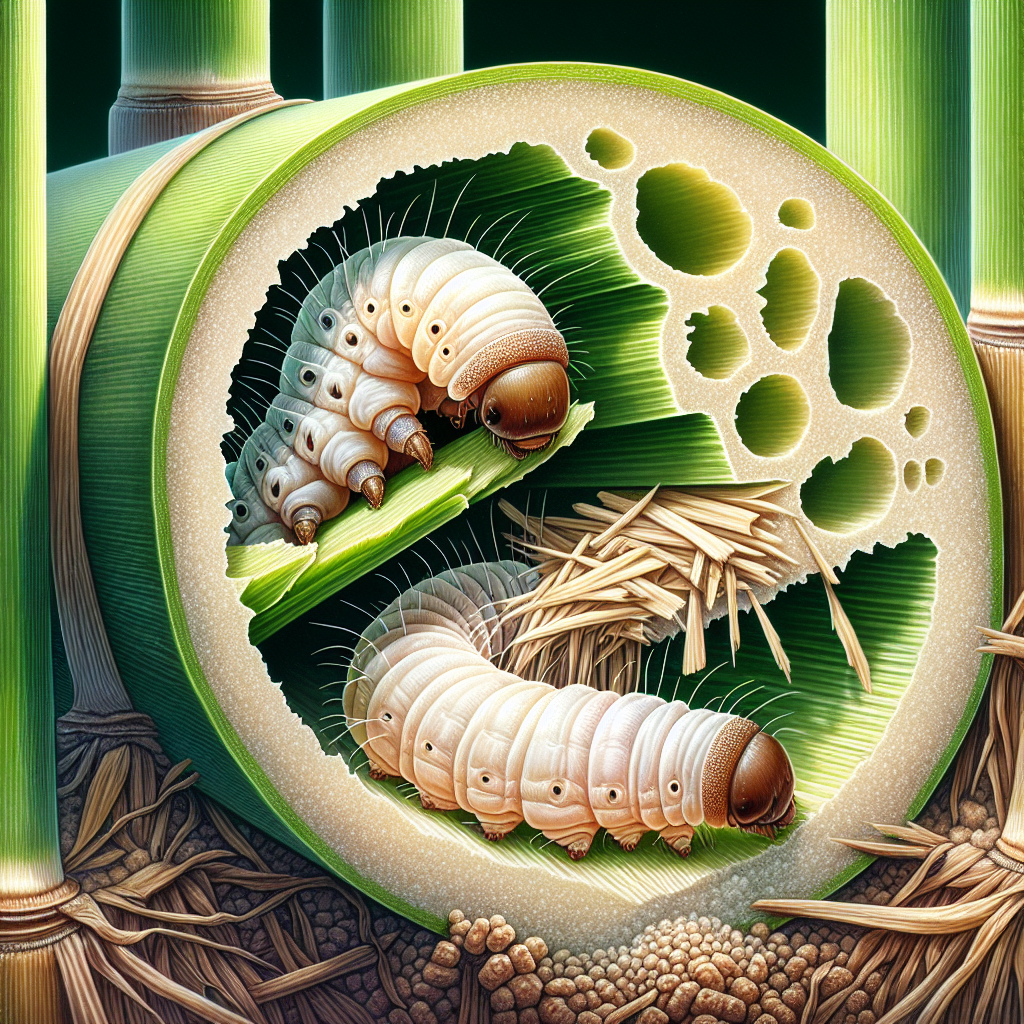
Internode Borer
The internode borer is a destructive stem-boring pest primarily targeting sugarcane, rice, and other graminaceous crops, causing significant yield losses through tunneling that weakens stalks and promotes rot. Early detection of characteristic 'dead hearts' and frass is crucial for effective management. This guide provides comprehensive diagnostics, organic control strategies, and prevention tactics for farmers.
View Profile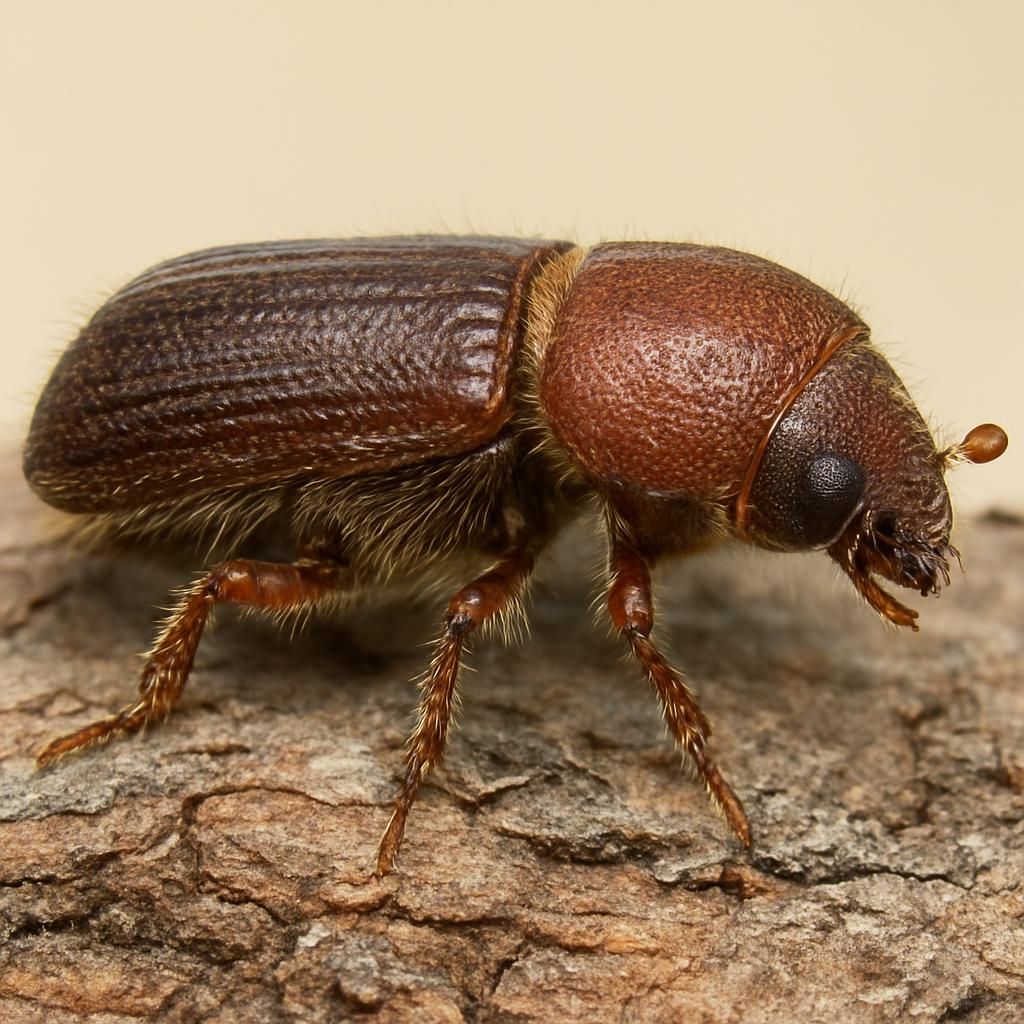
Ips engraver beetles
Ips engraver beetles are aggressive bark beetles that attack stressed or recently damaged conifers, creating characteristic galleries under the bark that disrupt nutrient flow and rapidly kill trees. These native pests can trigger localized outbreaks after storms, drought, or thinning operations when populations build in slash and move to healthy hosts.
View Profile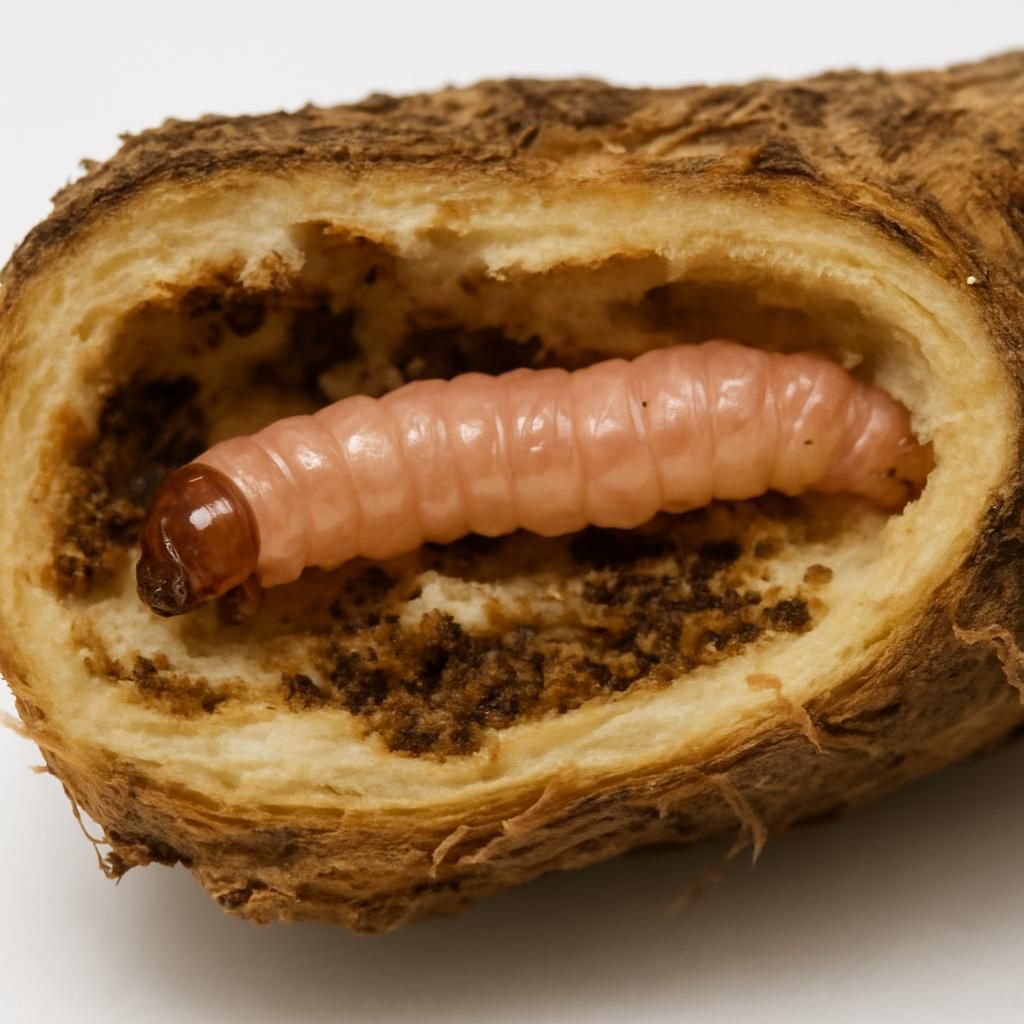
Iris borer
The iris borer is a destructive moth larva that tunnels into iris rhizomes, causing wilting, rot, and plant death. Early detection and integrated management are essential for protecting iris plantings in home and commercial gardens.
View Profile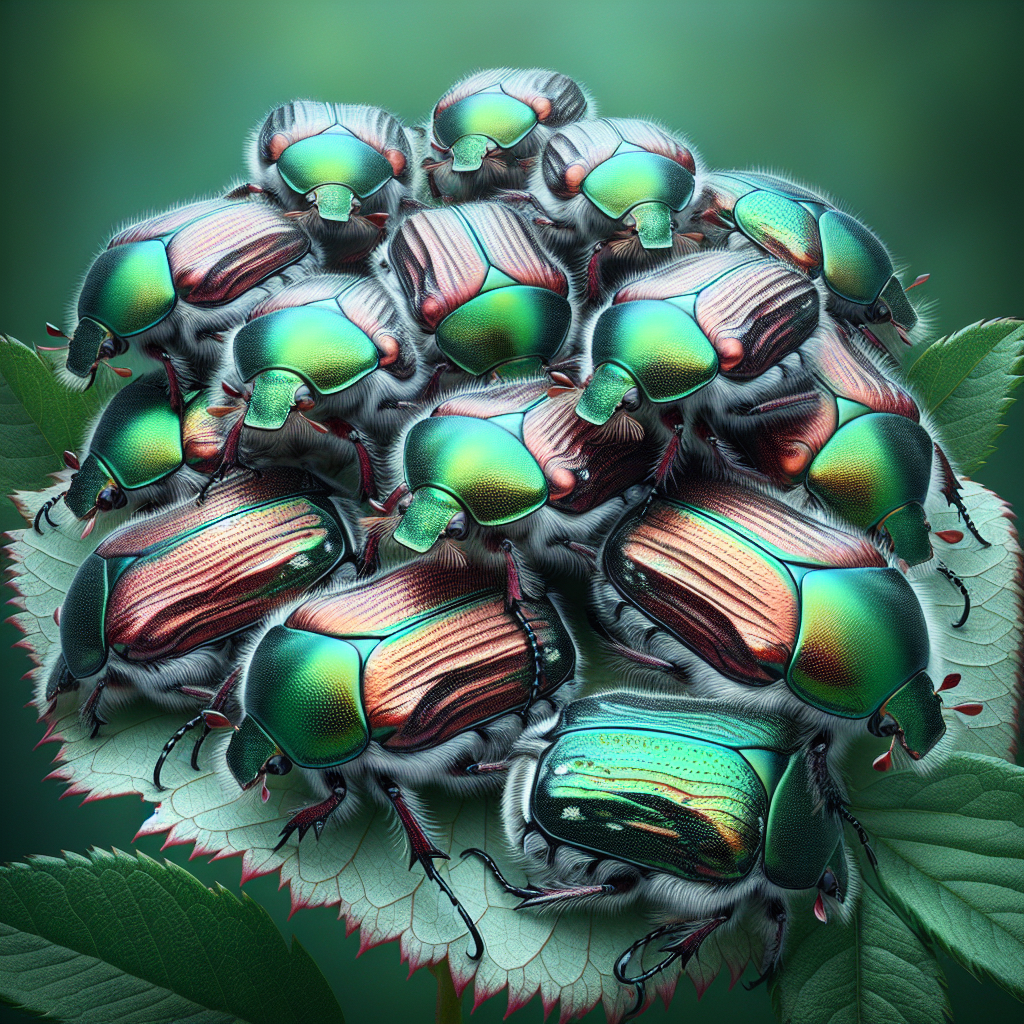
Japanese beetles
Japanese beetles (Popillia japonica) are invasive pests notorious for skeletonizing leaves and damaging over 300 plant species in North America. Adults feed in groups on foliage, flowers, and fruits, while larvae destroy turf and crop roots. This guide provides expert diagnostics, organic management, and prevention strategies for farmers and gardeners.
View Profile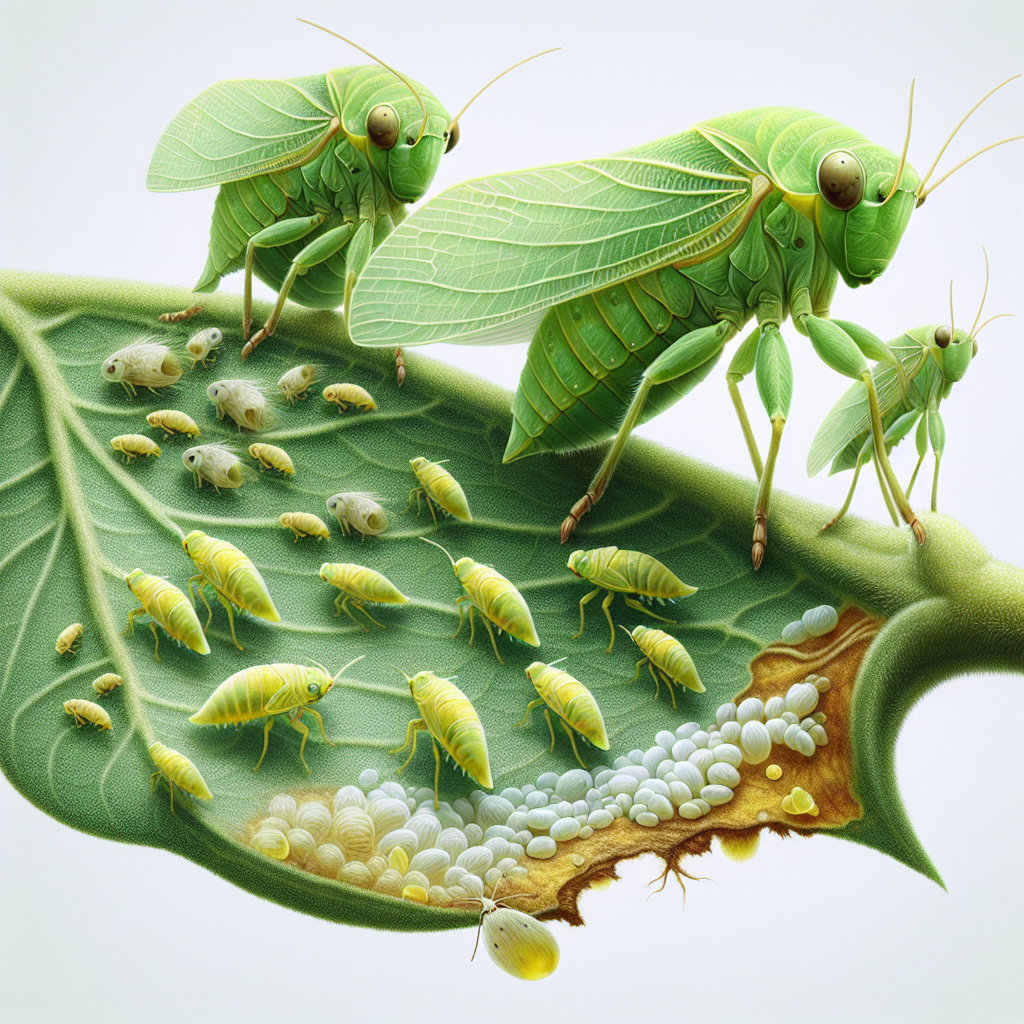
Jassids
Jassids, also known as leafhoppers, are tiny sap-sucking pests that cause significant damage to crops like cotton, rice, and vegetables by feeding on plant sap and transmitting diseases. They produce characteristic hopperburn symptoms, leading to yellowing, curling, and necrosis of leaves. Effective management combines cultural practices, organic treatments, and vigilant monitoring for sustainable control.
View Profile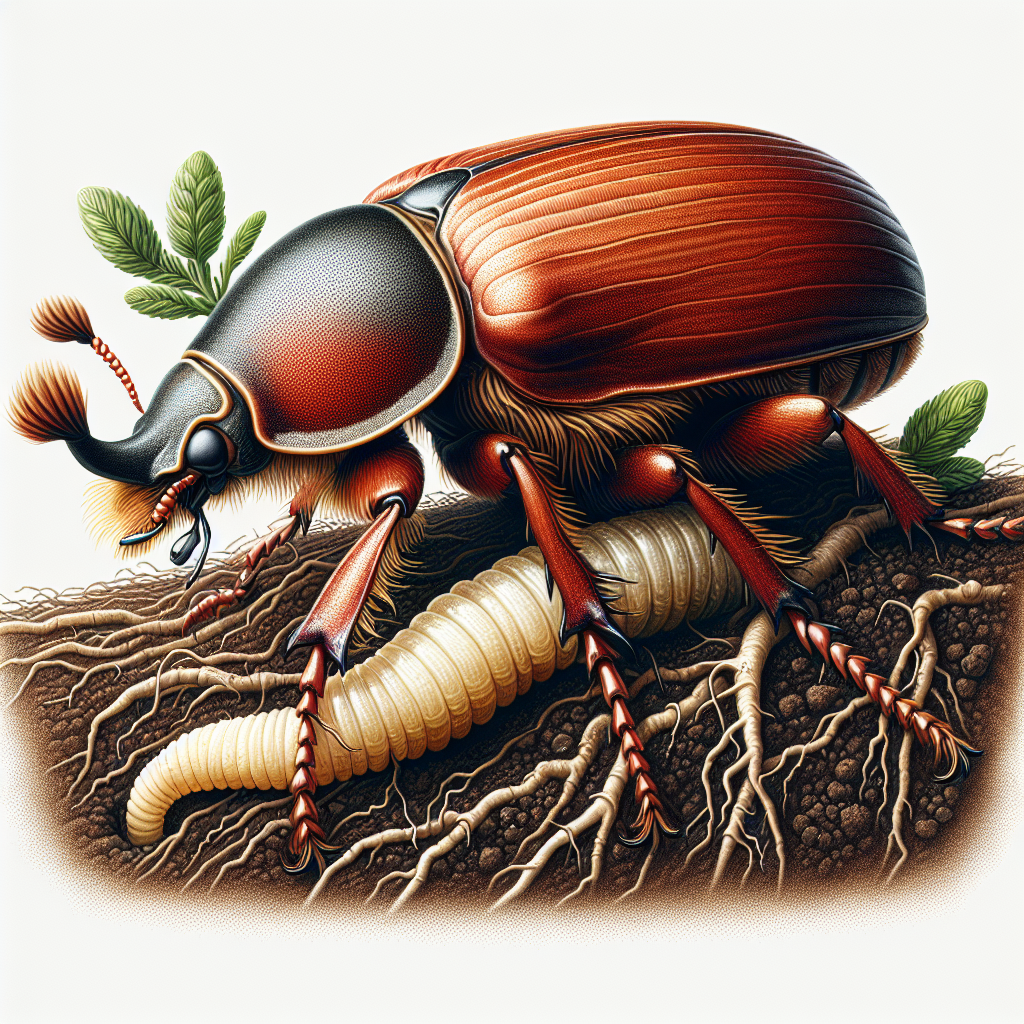
June drop beetles
June drop beetles, also known as June bugs or May beetles, are large scarab beetles notorious for their sudden mass emergences in early summer, swarming lights and dropping from trees onto crops below. Their larvae, called white grubs, cause extensive root damage to lawns, pastures, and field crops, leading to wilting and plant death. Effective management combines cultural practices, biological controls, and targeted organic treatments for long-term prevention.
View Profile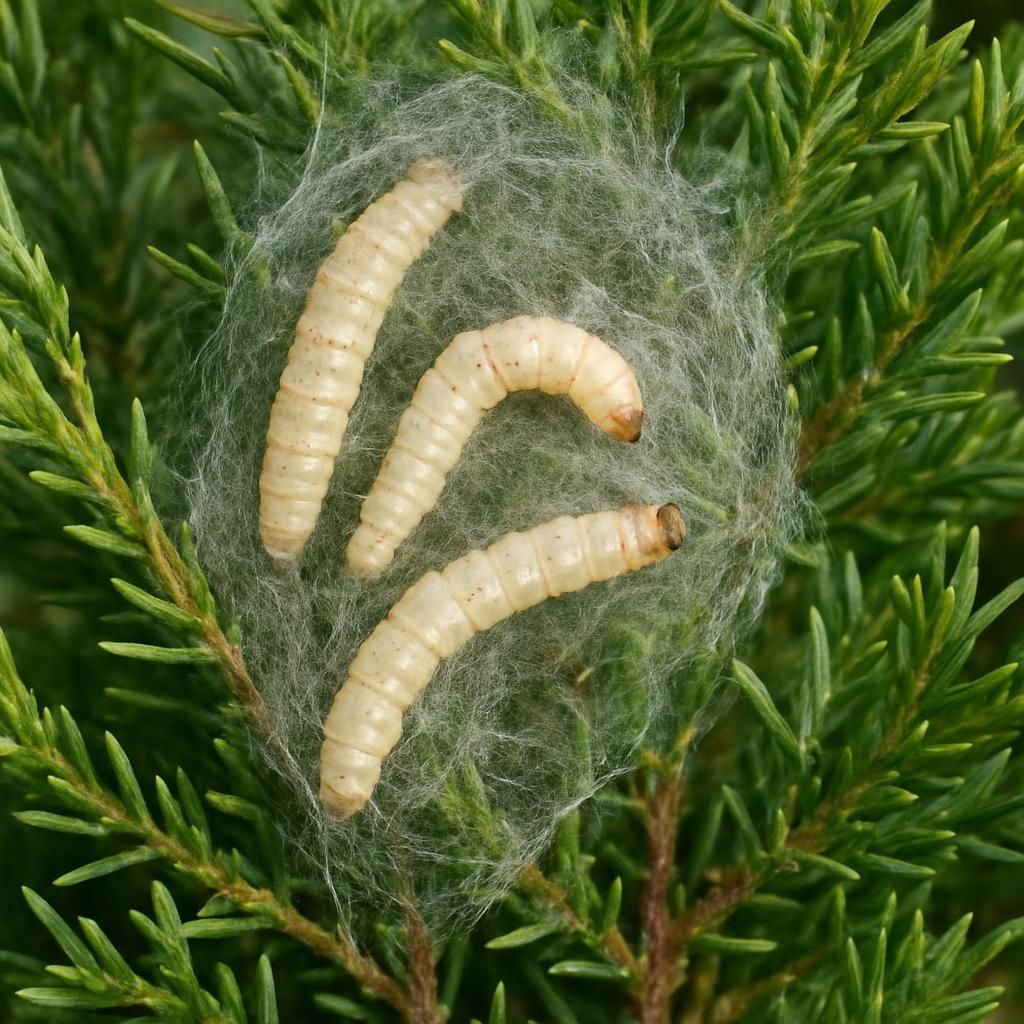
Juniper webworm
The Juniper webworm is a small moth whose larvae create silken webs on juniper and related evergreens, causing browning and defoliation. This guide covers identification, lifecycle, risk factors, organic treatments, and long-term prevention for professional growers and landscapers.
View Profile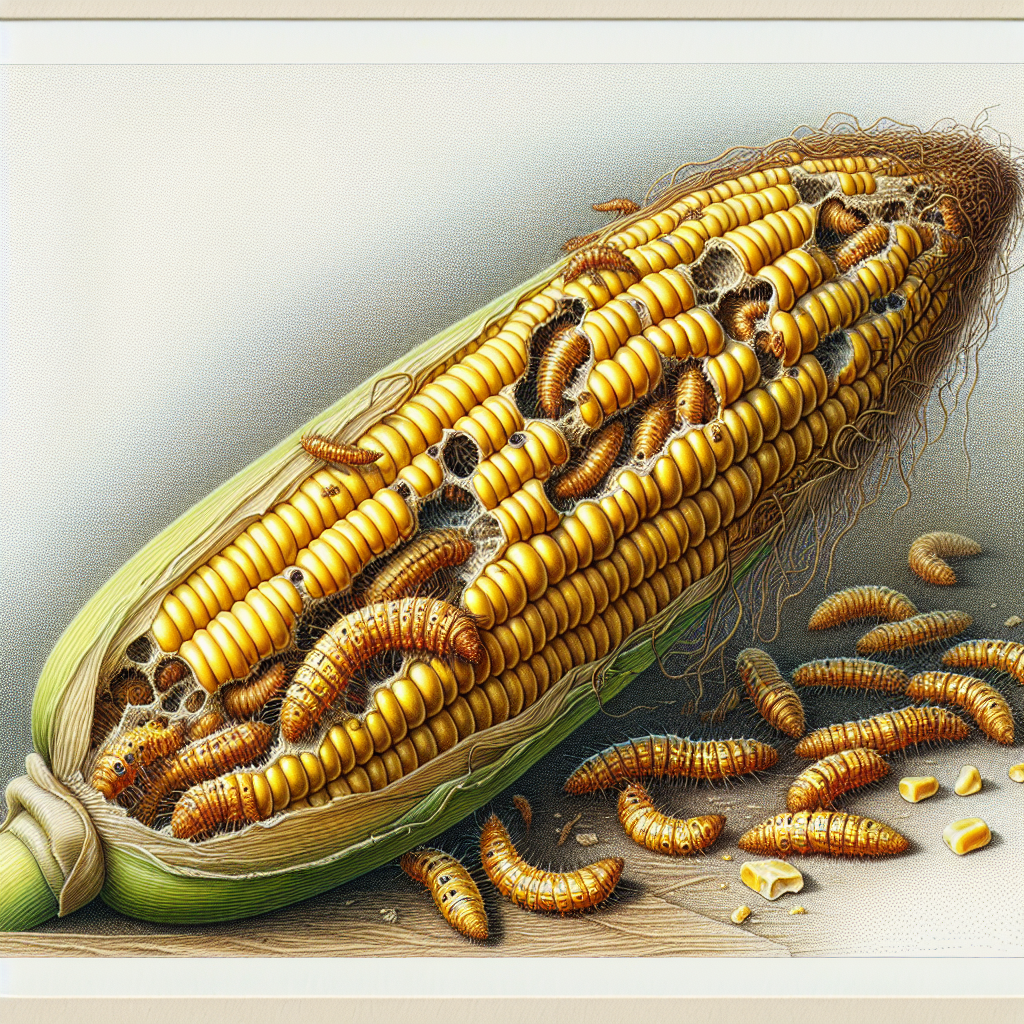
kernel-feeding insects
Kernel-feeding insects are a diverse group of pests that target the developing grains or seeds of cereal crops, causing significant yield losses through direct feeding and secondary infections. Common culprits include corn earworm, European corn borer, and maize weevils, thriving in warm, humid conditions. Effective management combines monitoring, cultural practices, and targeted organic controls to protect crop integrity.
View Profile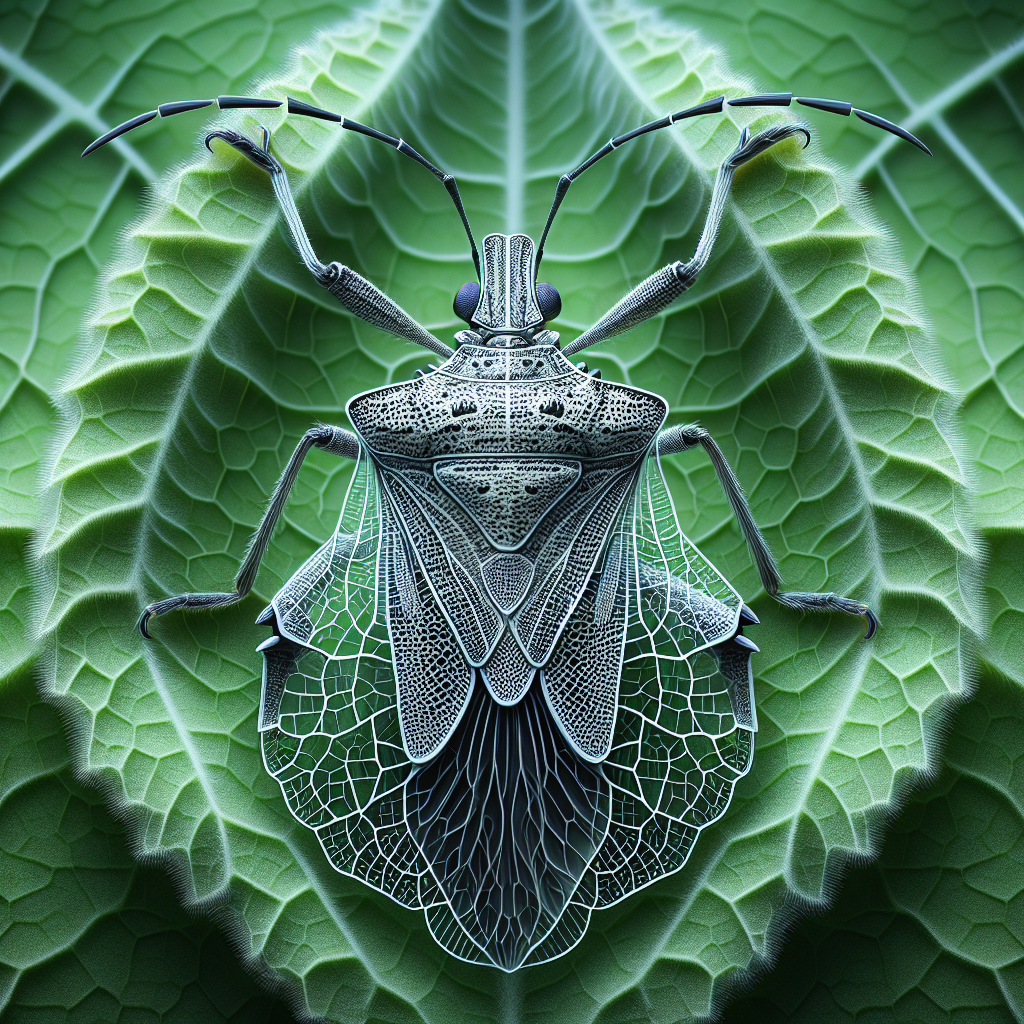
lace bugs
Lace bugs are tiny, lace-winged pests that suck sap from leaf undersides, causing stippling, bronzing, and leaf drop in ornamental trees and shrubs. Common on broadleaf evergreens like azaleas, rhododendrons, and oaks, they thrive in hot, dry conditions and can defoliate plants if unmanaged. Effective organic controls include horticultural oils, insecticidal soaps, and natural predators like predatory mites.
View Profile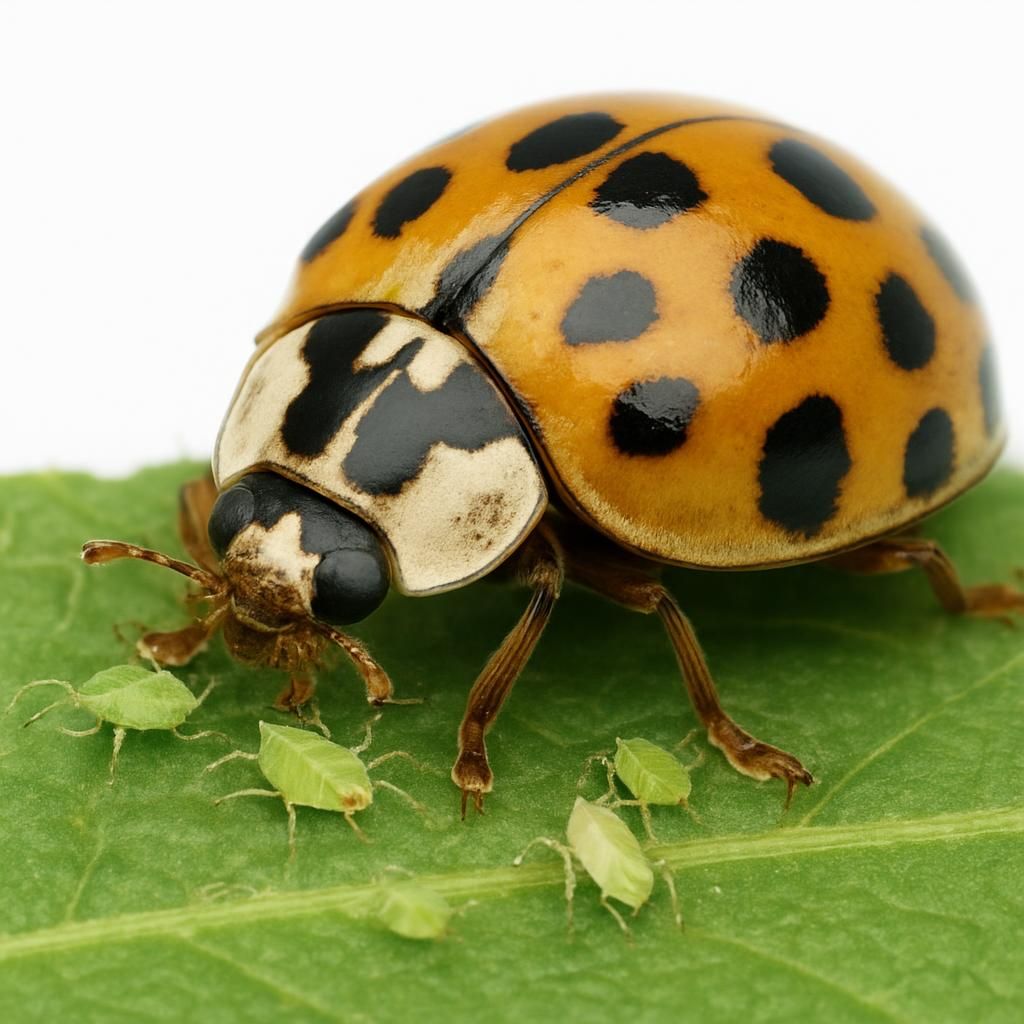
lady beetles
Lady beetles are beneficial predatory insects widely used in integrated pest management for controlling aphids and other soft-bodied pests. While they rarely cause damage, certain species can become nuisance invaders in homes or occasionally feed on ripening fruit during food scarcity.
View Profile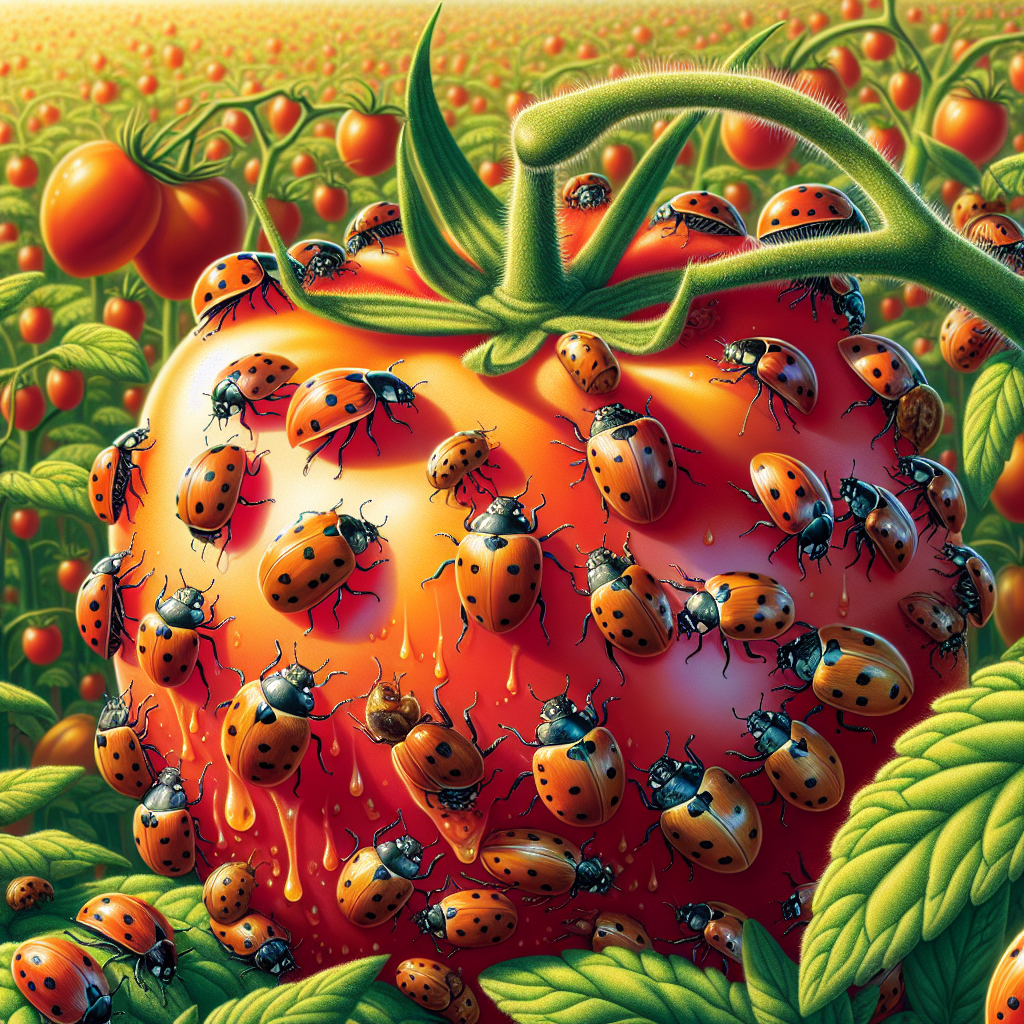
ladybugs
While ladybugs are celebrated beneficial insects for devouring aphids and other pests, certain invasive species like the Asian lady beetle can become agricultural nuisances by infesting overwintering sites near crops and contaminating harvests with bitter-tasting alkaloids. This guide provides diagnostic tools, lifecycle insights, and organic management strategies to mitigate ladybug issues in farming operations. Learn prevention tactics to protect your fields without harming these mostly helpful predators.
View Profile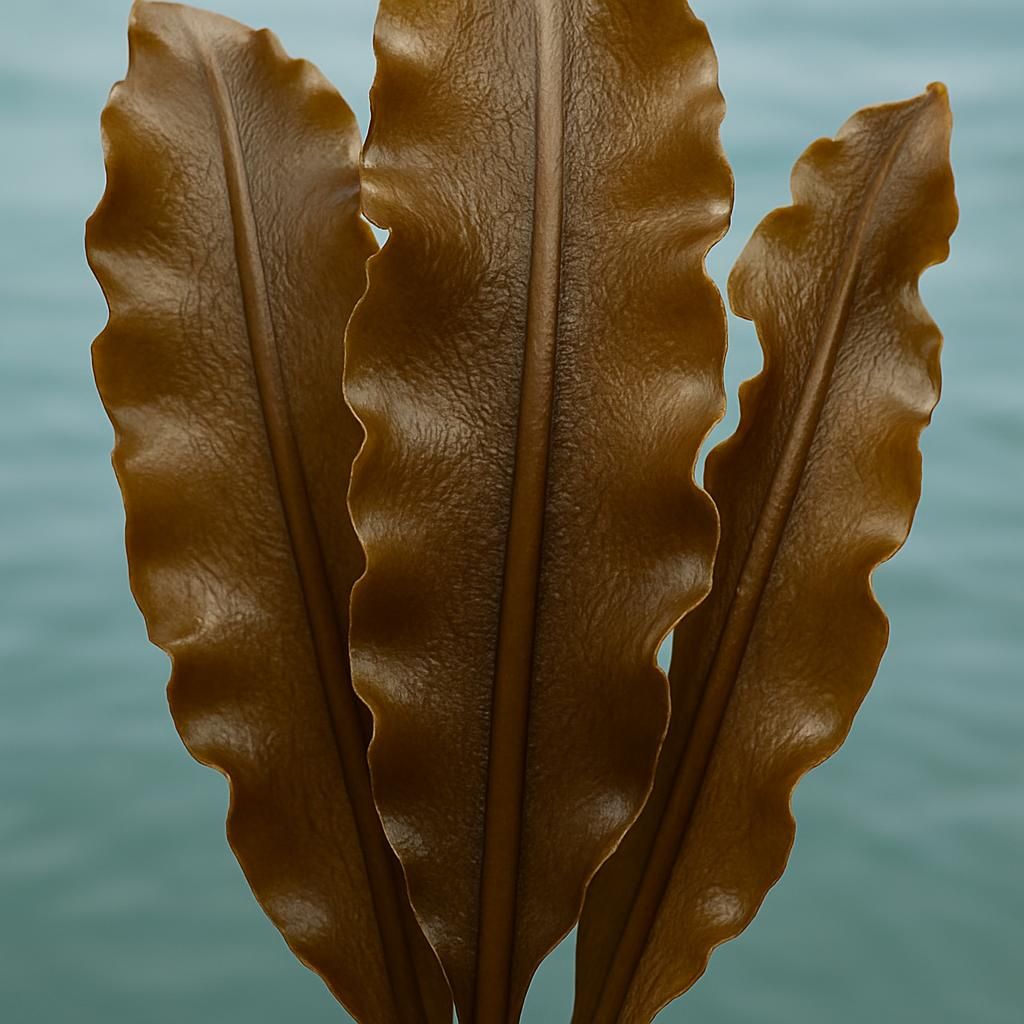
Laminaria japonica
Laminaria japonica, also known as Japanese kelp, is a large brown alga that can become problematic in coastal and marine-influenced agricultural systems. This guide covers identification, lifecycle, environmental triggers, organic management, and prevention strategies for growers.
View Profile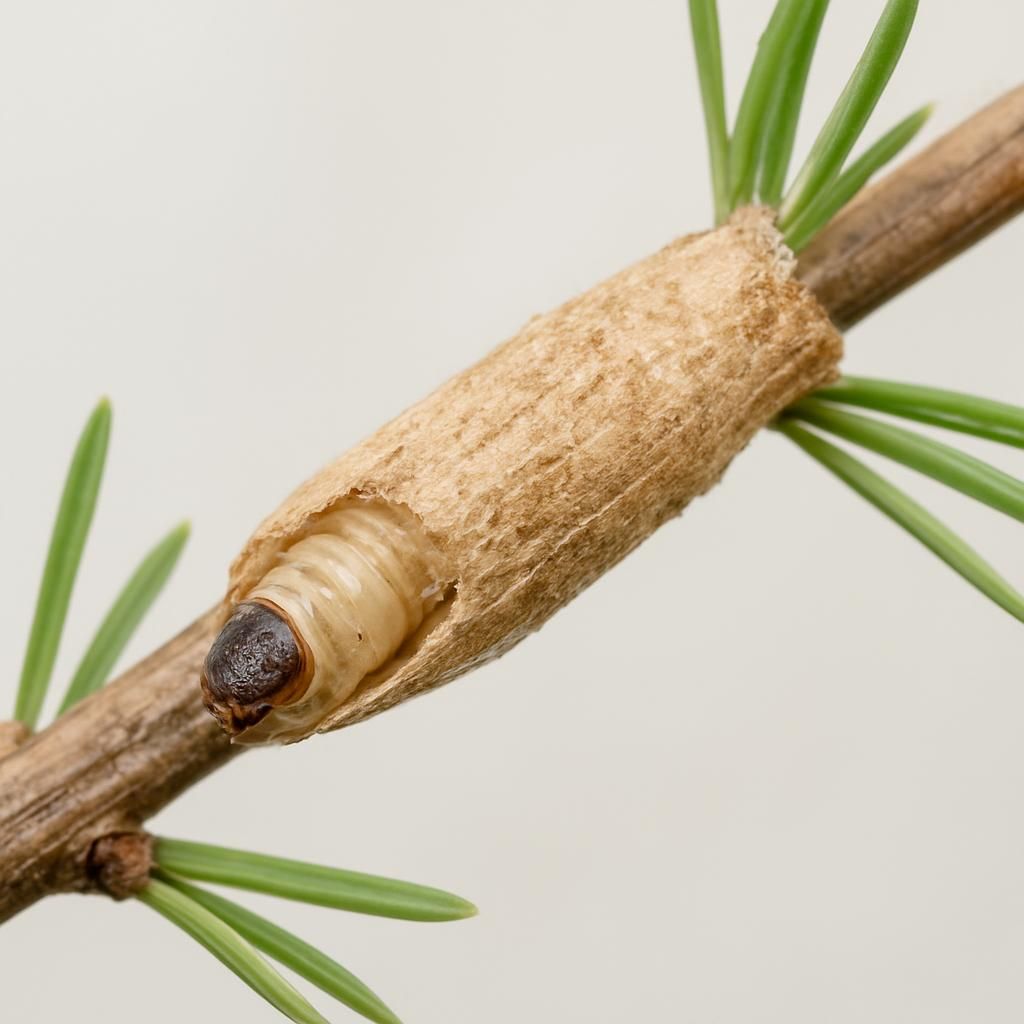
Larch casebearer
The larch casebearer is a small moth whose larvae construct protective cases from larch needles, causing significant defoliation and reduced growth in larch stands. Early detection and integrated management are essential to limit damage in both commercial forestry and ornamental plantings.
View Profile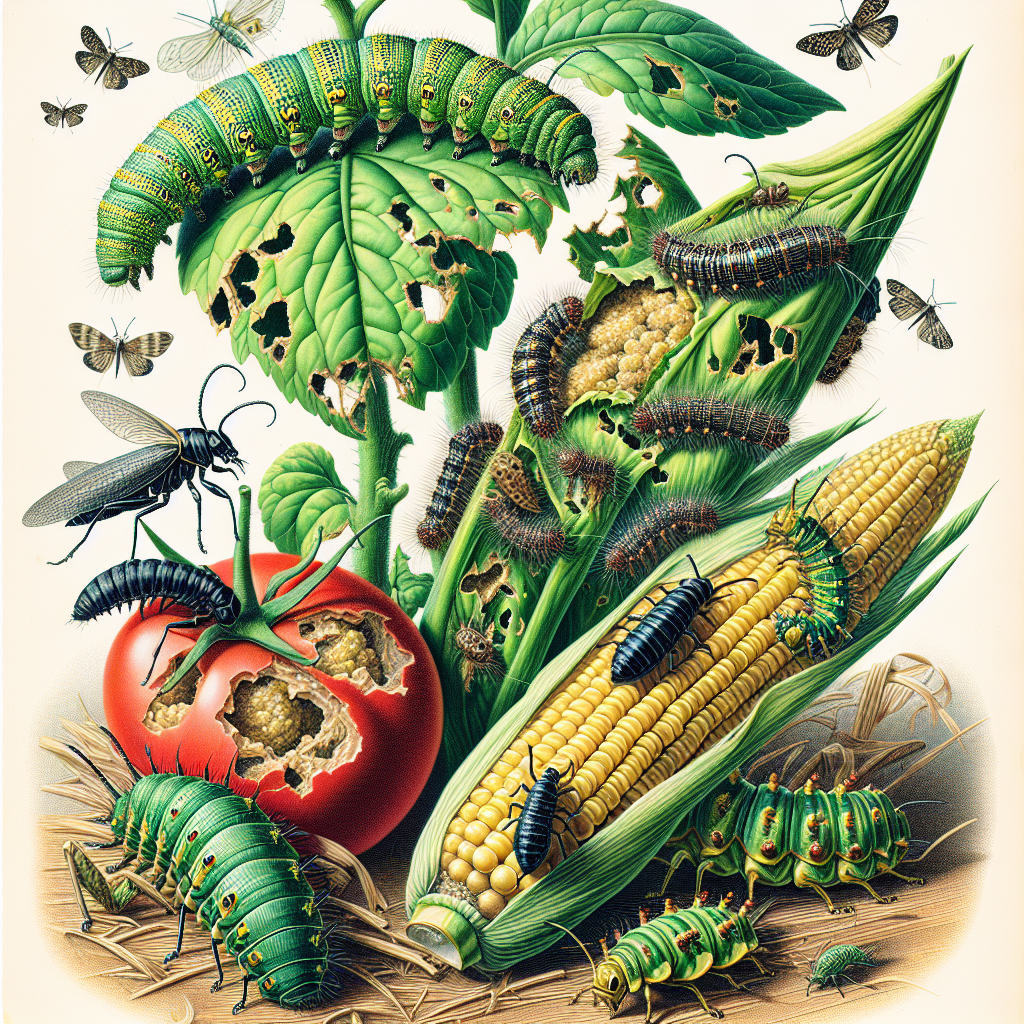
Leaf feeders
Leaf feeders are a broad category of insect pests including caterpillars, beetles, and grasshoppers that chew on plant foliage, causing significant damage to crops worldwide. Effective management requires accurate identification, understanding their lifecycle, and implementing integrated organic strategies. This guide provides diagnostic tools, treatment plans, and prevention tips for farmers facing leaf feeding outbreaks.
View Profile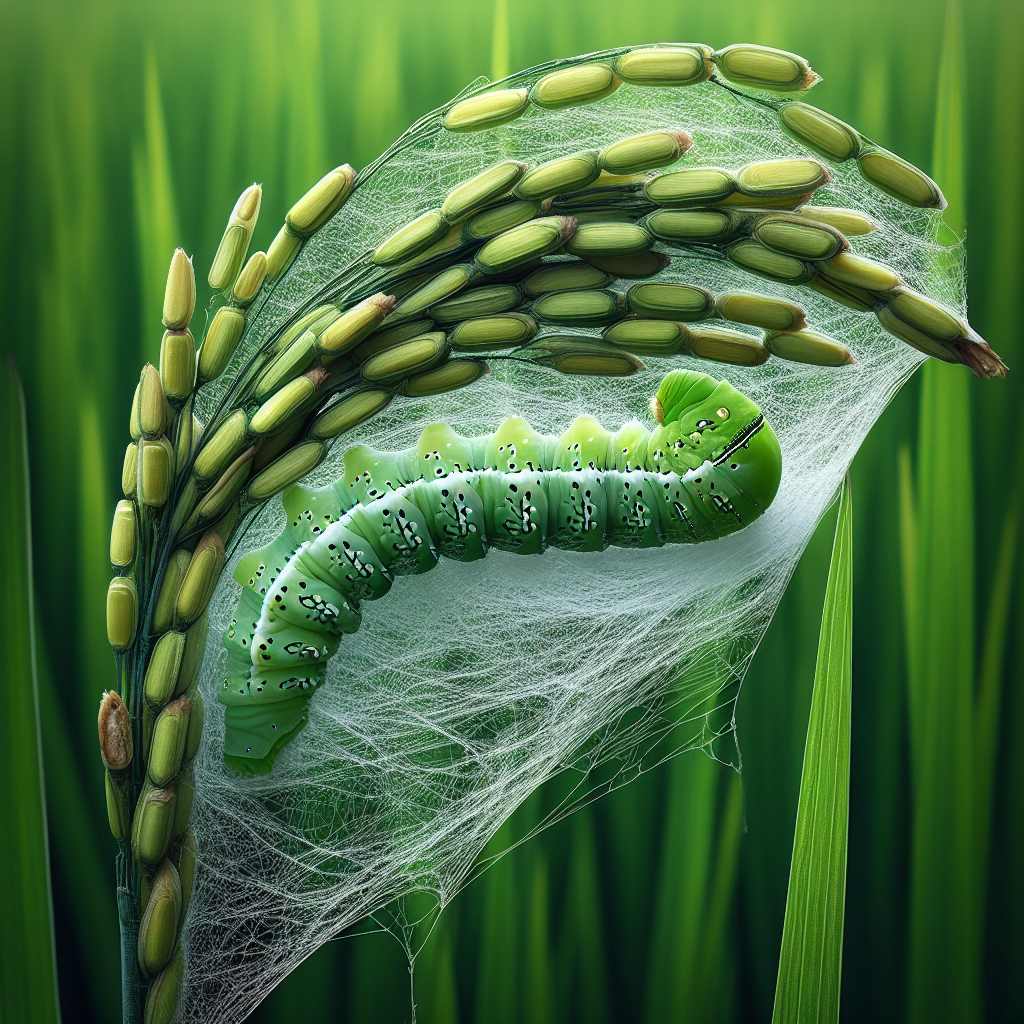
Leaf Folders
Leaf folders are destructive caterpillar pests that fold and web leaves, creating protective shelters to feed on foliage, severely impacting crop yields. Common in rice, maize, and vegetables, they cause significant defoliation and reduced photosynthesis. Effective management combines cultural practices, biological controls, and timely interventions for sustainable control.
View Profile
Leaf gall-forming insects
Leaf gall-forming insects are small pests from orders Hymenoptera, Diptera, and Acarina that induce abnormal plant growths called galls on leaves as they feed. These galls distort foliage, reduce photosynthesis, and weaken plants, leading to significant yield losses in orchards and gardens. Effective management combines monitoring, cultural practices, and targeted organic controls for long-term prevention.
View Profile