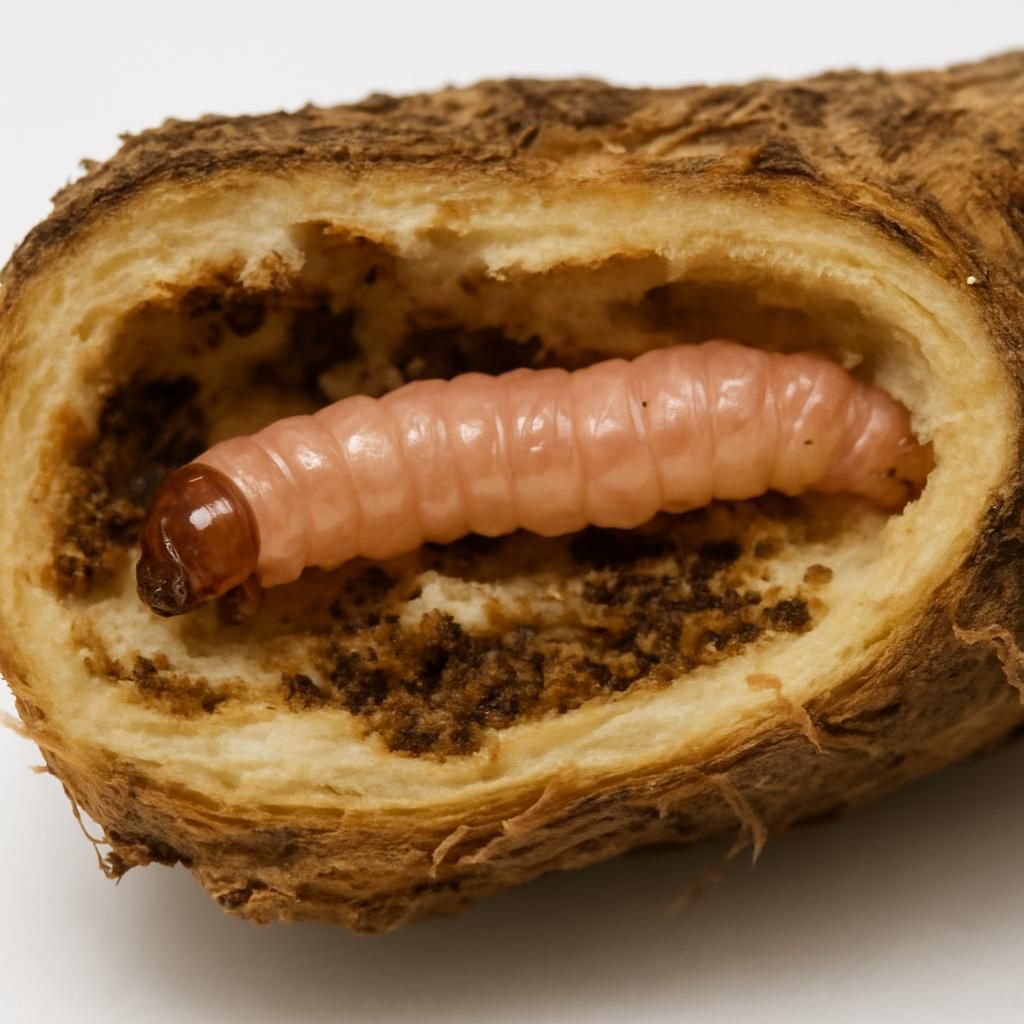
Introduction to Iris borer
The iris borer, scientifically known as Macronoctua onusta, is one of the most serious insect pests of iris species worldwide. This nocturnal moth's larval stage is responsible for extensive damage to rhizomatous irises, often leading to secondary bacterial and fungal infections that can kill entire clumps. Professional growers and home gardeners alike must understand its biology and implement proactive controls to protect valuable collections.
Iris borer infestations are most common in temperate regions where bearded irises (Iris germanica) and other rhizomatous types are widely cultivated. The pest's cryptic lifestyle inside plant tissue makes early detection challenging, often resulting in significant crop losses before symptoms become obvious. Effective management combines cultural, mechanical, biological, and targeted chemical strategies tailored to each stage of the insect's lifecycle.
Identifying Symptoms & Damage
Initial signs of iris borer activity appear in spring as small pinholes or water-soaked streaks on emerging iris leaves. As larvae feed downward, leaves develop ragged edges, yellow streaks, and wilting tips. By mid-summer, rhizomes show extensive tunneling filled with wet, foul-smelling frass and decaying tissue.
Advanced infestations trigger secondary infections by soft-rot bacteria and fungi, causing rhizomes to become mushy and collapse. Gardeners may notice a sudden die-back of entire fans or a characteristic "sawdust" appearance around the base of plants. Regular inspection of leaf sheaths and rhizome crowns during the growing season is critical for early intervention.
Lifecycle and Progression of Iris borer (MUST INCLUDE A MARKDOWN TABLE OF LIFECYCLE STAGES)
The iris borer completes one generation per year. Adults emerge in late summer or early fall, mate, and lay eggs on iris foliage and nearby debris. Eggs overwinter and hatch in early spring, with larvae immediately entering leaf tissue and migrating to rhizomes. Mature larvae pupate in the soil during summer before adults emerge to restart the cycle.
| Stage | Timing | Description | Key Indicators |
|---|---|---|---|
| Egg | Late summer–fall | Small, round, cream-colored eggs laid in clusters on leaves and debris | Overwintering on dried foliage |
| Larva | Early spring–summer | Pinkish-white caterpillar with brown head; tunnels through leaves into rhizomes | Frass, leaf streaks, rhizome rot |
| Pupa | Mid-summer | Brown pupa formed in soil near host plants | Soil pupation chambers |
| Adult | Late summer–early fall | Mottled brown moth with 1.5-inch wingspan; nocturnal flight | Egg-laying on iris foliage |
Environmental Triggers & Risk Factors
Iris borer populations thrive in warm, humid springs that favor rapid larval development. Overcrowded plantings, poor air circulation, and excessive nitrogen fertilization increase susceptibility by creating lush, tender growth. Rhizomes planted too deeply or left in heavy, poorly drained soils experience higher infestation rates.
Previous season's plant debris left on the ground provides overwintering sites for eggs, dramatically raising next year's risk. Gardens with a history of soft-rot diseases or Slugs and snails damage also show elevated iris borer pressure because compromised tissue offers easier entry points.
Organic Control & Treatment Plans (MUST INCLUDE A MARKDOWN TABLE OF TREATMENT OPTIONS AND FREQUENCIES)
Integrated organic management focuses on disrupting the lifecycle at multiple points. Sanitation, beneficial nematodes, and targeted sprays of Bacillus thuringiensis (Bt) provide effective, low-impact control when timed correctly.
| Treatment Option | Application Method | Frequency/Timing | Notes |
|---|---|---|---|
| Sanitation & debris removal | Hand removal of old leaves and fans | Fall and early spring | Reduces overwintering eggs |
| Beneficial nematodes | Soil drench (Heterorhabditis spp.) | Early spring when soil >55°F | Targets soil-dwelling larvae and pupae |
| Bt kurstaki spray | Foliar spray on new growth | Every 7–10 days from emergence until mid-June | Must contact young larvae before they enter rhizomes |
| Neem oil | Foliar spray | Every 7–14 days as needed | Repels adults and disrupts egg-laying |
| Diatomaceous earth | Dust around base of plants | Reapply after rain | Creates physical barrier for crawling larvae |
Preventing Iris borer in the Future
Long-term prevention begins with purchasing certified disease-free rhizomes and planting them at the correct depth in well-drained soil. Dividing overcrowded clumps every 3–4 years improves air circulation and reduces hidden egg sites. Removing and destroying all foliage at season's end eliminates the majority of overwintering eggs.
Crop rotation with non-host plants such as Garlic or Onion for at least one season disrupts the pest cycle. Mulching with coarse organic material rather than fine compost discourages egg-laying while maintaining soil health.
Crops Most Affected by Iris borer
While the iris borer primarily targets rhizomatous irises, it occasionally infests closely related plants in the Iridaceae family. Bearded iris, Siberian iris, and Japanese iris are most susceptible. Damage has also been reported on Saffron Crocus rhizomes when planted in proximity to heavily infested iris beds.
Other garden favorites such as Elephant Ear Garlic and certain daylily cultivars may experience incidental feeding when iris populations are high, although these are not primary hosts.