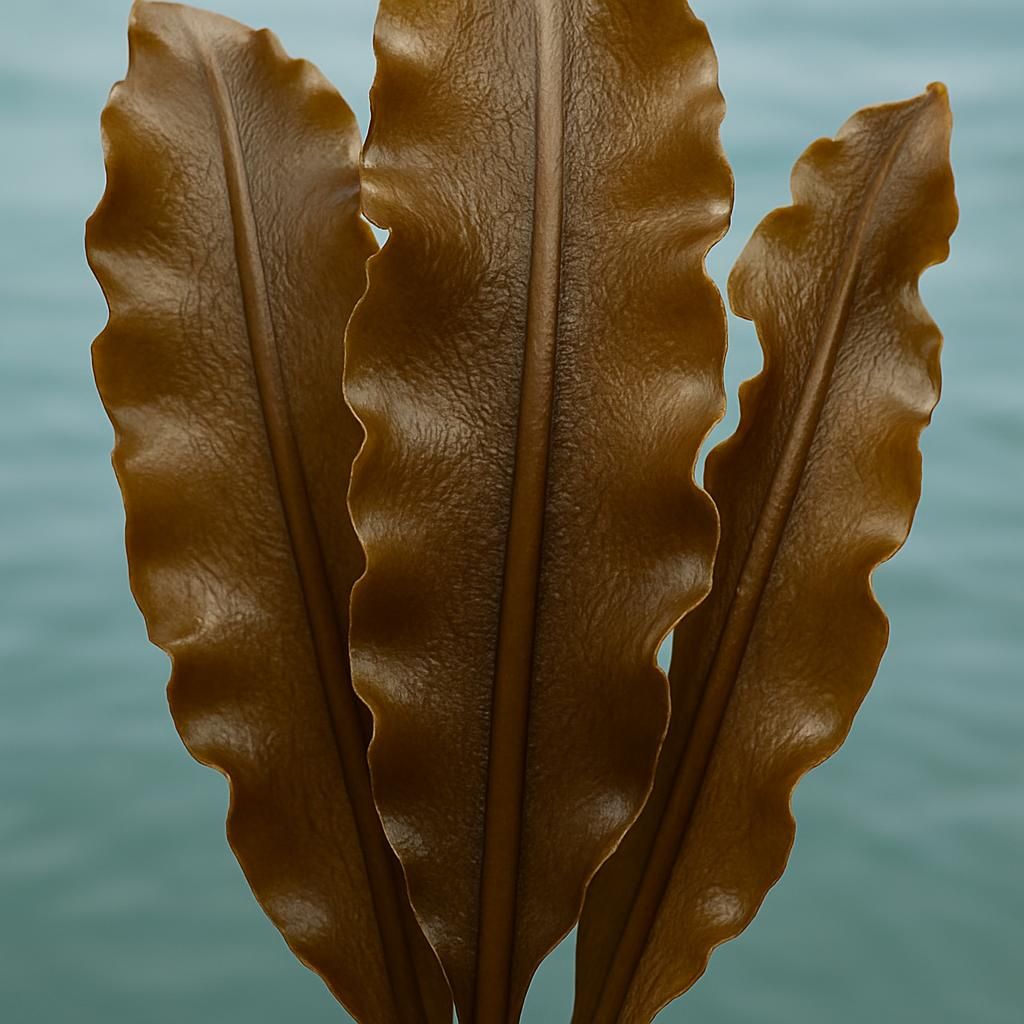
Introduction to Laminaria japonica
Laminaria japonica is a perennial brown alga native to the cold-temperate waters of the northwest Pacific. While valued in aquaculture and food production, it can act as an invasive pest in coastal farms, aquaculture ponds, and marine-influenced irrigation systems. Its rapid growth and ability to form dense underwater forests make it a concern for growers relying on seawater or brackish water sources. Effective management requires understanding its biology and implementing integrated strategies.
Identifying Symptoms & Damage
Early detection is critical. Look for long, leathery fronds up to 3–5 meters with a distinct midrib and wavy margins attached to rocky or artificial substrates. In agricultural contexts, infestations appear as thick mats clogging intake screens, reducing water flow in irrigation channels, and competing with desirable aquatic plants. Affected systems may show decreased oxygen levels and altered nutrient profiles, impacting crop health in hydroponic or aquaponic setups.
Lifecycle and Progression of Laminaria japonica
The lifecycle alternates between a large diploid sporophyte and microscopic haploid gametophytes. Sporophytes release spores that settle and develop into gametophytes; fertilization produces new sporophytes. Growth is fastest in cool water with adequate nutrients.
| Stage | Description | Duration | Key Characteristics |
|---|---|---|---|
| Spore Release | Mature sporophytes release zoospores into water column | Days to weeks | High spore density near parent plants |
| Gametophyte Development | Spores settle and grow into male/female microscopic filaments | 1–3 months | Requires cool temperatures and light |
| Fertilization & Sporophyte Initiation | Gametes fuse to form young sporophytes | Weeks | Rapid elongation begins |
| Vegetative Growth | Fronds expand rapidly, forming dense stands | 4–8 months | Peak biomass in spring–summer |
| Reproduction & Senescence | Sporophytes release spores then deteriorate | Seasonal | Nutrient recycling supports next cycle |
Environmental Triggers & Risk Factors
Cool water temperatures (5–20 °C), high nutrient loads (especially nitrogen and phosphorus), moderate salinity (20–35 ppt), and stable substrates favor establishment. Coastal farms near upwelling zones or using untreated seawater face elevated risk. Poor water filtration and lack of mechanical barriers increase colonization potential.
| Factor | Optimal Range | Risk Level |
|---|---|---|
| Water Temperature | 5–20 °C | High |
| Salinity | 20–35 ppt | High |
| Nutrient (N, P) | Elevated | High |
| Light Availability | Moderate to high | Moderate |
| Substrate Type | Hard/rocky | High |
Organic Control & Treatment Plans
Integrated management combines mechanical removal, biological controls, and cultural practices. Regular monitoring and early intervention prevent widespread establishment.
| Treatment Option | Method | Frequency | Notes |
|---|---|---|---|
| Manual Harvesting | Hand or rake removal of fronds and holdfasts | Weekly during peak growth | Dispose away from water bodies |
| Mechanical Barriers | Install fine mesh screens on intakes | Continuous | Clean bi-weekly |
| Biological Grazers | Introduce herbivorous fish or invertebrates | Seasonal introduction | Monitor population balance |
| Nutrient Management | Reduce fertilizer runoff into water sources | Ongoing | Use buffer strips and cover crops |
| pH Adjustment | Maintain slightly alkaline conditions where feasible | As needed | Consult local water chemistry |
Preventing Laminaria japonica in the Future
Prevention focuses on excluding spores and reducing favorable conditions. Use closed-loop irrigation systems, pre-filter all seawater, and avoid introducing plant material from infested areas. Regular system flushing and UV sterilization of intake water provide additional protection. Crop Rotation Realities: 6 Organic Patterns That Deliver for Small Farms offers complementary strategies for overall farm resilience.
Maintain buffer zones between marine sources and production areas. Educate staff on identification and rapid response protocols. For more taxonomic details, consult the Laminaria japonica entry on relevant knowledge bases.
Crops Most Affected by Laminaria japonica
While primarily a marine organism, Laminaria japonica impacts coastal and hydroponic systems growing Tomato, Cucumber, Lettuce, Rice, and Wheat when seawater or brackish water is used. It also affects Dragon Fruit and Avocado operations near shorelines through water quality degradation.