Introduction to ladybugs
Ladybugs, also known as lady beetles or ladybirds, belong to the Coccinellidae family and are among the most recognized insects in agriculture. Native to diverse regions worldwide, over 6,000 species exist, with many serving as vital biological controls by preying on pests like aphids, mites, and whiteflies. However, certain invasive species, particularly the multicolored Asian lady beetle (Harmonia axyridis), have shifted from ally to adversary in some farming contexts.
These pests aggregate in massive clusters during fall, seeking sheltered overwintering sites near agricultural fields. They invade homes, barns, and greenhouses, sometimes contaminating harvested crops like grapes and soybeans with their reflex blood, which imparts a foul taste and odor. In high densities, they can cause minor feeding damage to fruits, vegetables, and ornamentals, especially in greenhouses or late-season crops. Understanding when ladybugs cross from beneficial to problematic is key for sustainable farm management. This comprehensive guide equips growers with diagnostics, lifecycle knowledge, and organic strategies to handle ladybug pressures effectively. For more on integrated pest management, check this Spring Pest Patrol blog post.
Identifying Symptoms & Damage
Distinguishing pest ladybugs from their beneficial counterparts starts with visual identification. Beneficial native ladybugs are typically smaller (4-7mm), rounder, with solid red or orange elytra marked by black spots. Pest species like Asian lady beetles are larger (7-10mm), rectangular, with variable patterns: orange to red with 0-19 spots, or even solid black. A key identifier is the black 'M' or 'W' marking on the head.
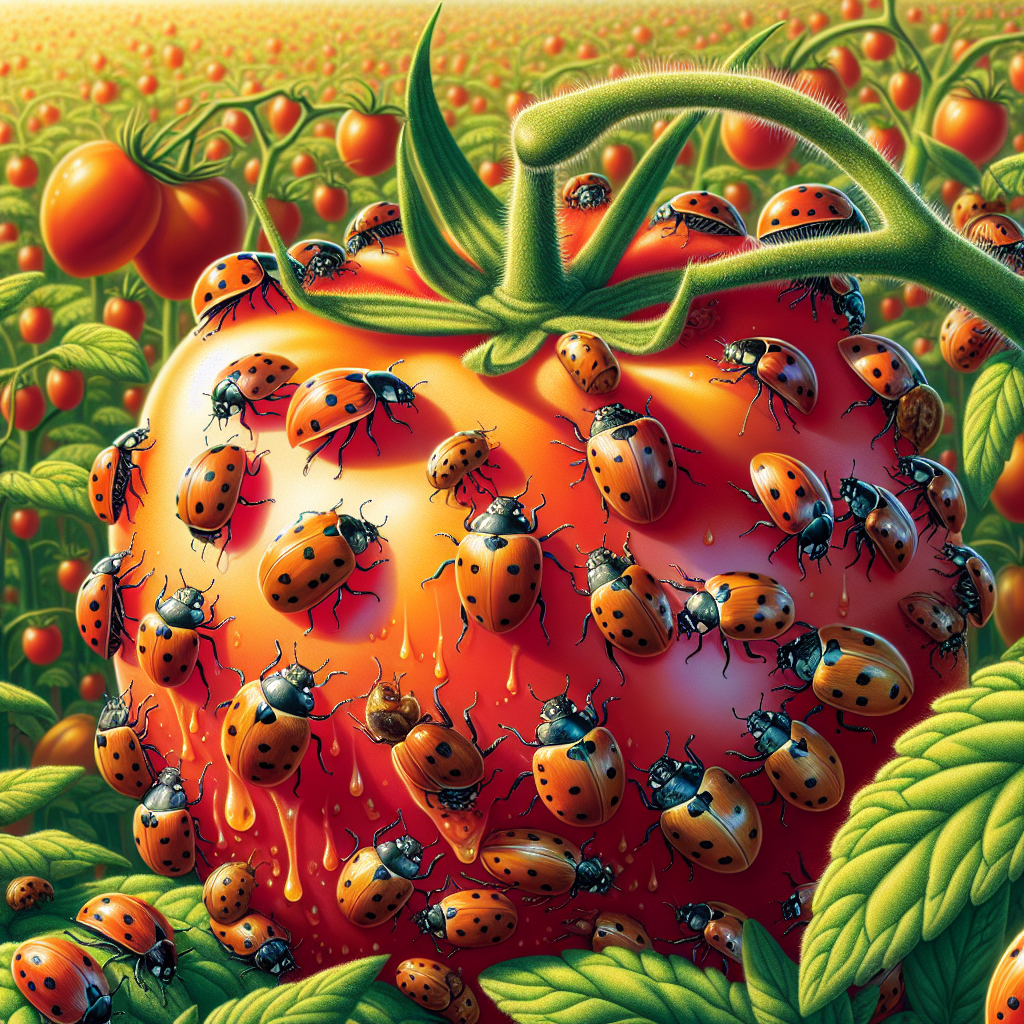
Damage manifests in several ways. Overwintering aggregations lead to swarms entering structures, leaving stains from crushed bodies. In crops, symptoms include surface scarring on fruits like apples, peaches, and tomatoes, where larvae or adults nibble tender skins, creating shallow pits or blemishes that reduce marketability. Contamination is the primary issue: ladybugs release bitter, yellow reflex blood when threatened, tainting grape juice, wine, and soybean harvests. This off-flavor persists even after processing, causing significant economic losses.
Examine fields in late summer to early fall for clustering on south-facing structures or crops. Sticky traps or sweep nets reveal population levels. Differentiate from similar pests like Japanese beetles by leg count (ladybugs have 6) and dome-shaped bodies. Early detection prevents escalation, as swarms can number in the thousands per square meter.
Lifecycle and Progression of ladybugs
Ladybugs undergo complete metamorphosis: egg, larva, pupa, adult. Females lay 10-50 yellow eggs in clusters under leaves near aphid colonies, hatching in 3-5 days into spiny, alligator-like larvae (1-15mm long) that devour up to 50 aphids daily over 2-3 weeks. Larvae then pupate for 5-10 days, emerging as adults that live 1-2 years.
In temperate climates, 1-3 generations occur annually. Adults enter diapause in fall, migrating up to 20km to overwinter in cliffs, buildings, or dense vegetation. Spring reactivation triggers dispersal to crops. Pest species like H. axyridis outcompete natives due to broader diets, including pollen, nectar, and other ladybugs, leading to population booms.
Progression peaks in late summer when adults seek overwintering sites, clustering by pheromones. Eggs: clustered, yellow. Larvae: gray-black with orange markings, voracious. Pupae: attached to leaves, immobile. Adults: active fliers, congregate pre-hibernation. Monitor with yellow sticky traps from August onward to track influx.
Environmental Triggers & Risk Factors
Ladybug invasions correlate with environmental cues. Cool fall temperatures (below 15°C/59°F) and shortening days signal diapause, prompting mass migrations. Sunny, south-facing walls mimic cliff faces, attracting swarms. Proximity to fields of corn, soybeans, or wheat heightens risk, as these provide late-season prey.
Invasive species thrive in disturbed agroecosystems with high aphid populations, reduced native predators, and mild winters. Overfertilization boosts aphid outbreaks, indirectly favoring ladybugs. Urban-rural interfaces amplify issues, with buildings offering ideal hibernation spots. Climate change extends active seasons, increasing overlap with harvests.
Risk factors include poor field sanitation (unharvested residues attract clusters), lack of barriers around structures, and monocultures lacking diversity. High-altitude or windy sites see fewer invasions due to dispersal challenges. Assess farm layout: seal cracks, paint buildings white to deter clustering.
Organic Control & Treatment Plans
Emphasize non-lethal, organic methods to preserve beneficial roles. Vacuum swarms from walls and windows, releasing outdoors away from crops. Soap-water sprays (2 tbsp dish soap per gallon) suffocate adults without residues; apply evenings to avoid bees. Diatomaceous earth barriers around entries dehydrate invaders.
For crops, release native ladybugs strategically or use row covers during peak migration. Pheromone traps disrupt aggregation. Neem oil or pyrethrin sprays target larvae if feeding occurs, but use sparingly to avoid harming predators. In greenhouses, introduce parasitic wasps like Dinocampus coccinellae, natural enemies of pest species.
Integrated plans: Scout weekly, treat thresholds (50+ per trap), rotate tactics. Post-harvest, shake clusters from vines into soapy buckets. For wine/grain, flotation tanks separate ladybugs pre-processing. Success rates exceed 90% with consistent vacuuming and sealing. Avoid broad-spectrum insecticides to maintain ecosystem balance. See aphids management for complementary IPM.
Preventing ladybugs in the Future
Prevention hinges on cultural and physical barriers. Caulk cracks, install screens (1/16-inch mesh), and use weatherstripping on farm buildings. Paint south/west walls light colors to reduce solar attraction. Plant dense borders of tall grasses or evergreens 50m from fields to intercept migrants.
Crop rotation disrupts prey cycles; diversify with non-hosts like garlic or onions. Early harvest minimizes overlap. Landscape with repellents: tansy, rue, or mint near structures. Yellow halogen lights deter night fliers. Monitor weather forecasts for migration fronts, activating defenses preemptively.
Long-term: Encourage natural enemies via habitat strips of yarrow and fennel. Release sterile insects experimentally. Annual audits seal new entry points. Farms implementing these see 80-95% reductions in invasions year-over-year.
Crops Most Affected by ladybugs
Ladybug contamination plagues high-value crops harvested in fall. Grapes suffer most, with adults tainting juice (0.1 bug/kg detectable). Soybeans fields near woods host overwintering masses, contaminating combines. Corn ears collect clusters, impacting grain quality.
Tree fruits like apples, peaches, and cherries show feeding scars. Vegetables such as tomatoes, peppers, and cucurbits face minor blemishing. Grain crops including wheat and rice risk post-harvest invasion. Greenhouse lettuce and herbs see exclusions via netting. Focus prevention on these to safeguard yields.