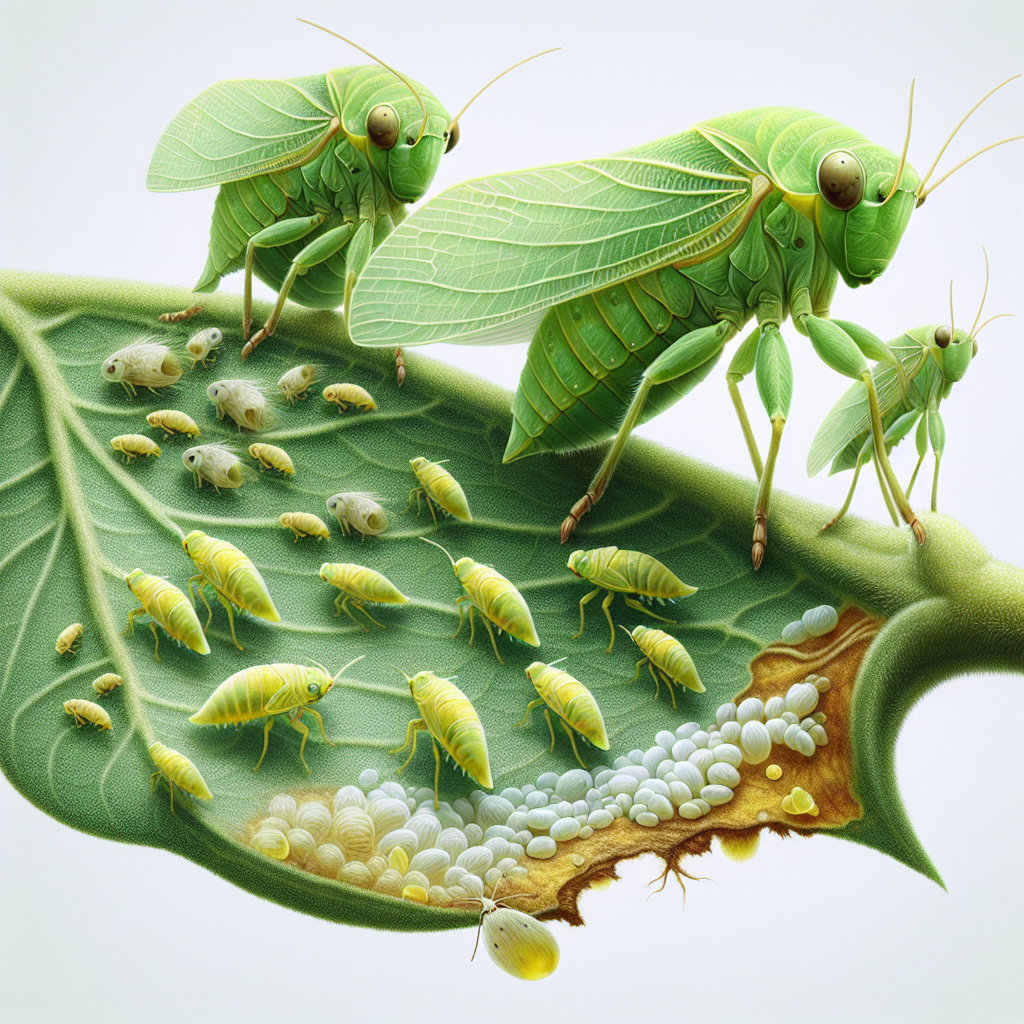
Introduction to jassids
Jassids, commonly referred to as leafhoppers, are among the most notorious pests in agricultural systems worldwide, particularly in tropical and subtropical regions. Belonging to the family Cicadellidae, these small insects (typically 3-4 mm long) are wedge-shaped, pale green to yellowish, and highly mobile, capable of jumping long distances when disturbed. Jassids thrive on a wide range of crops, piercing plant tissues with their needle-like mouthparts to extract sap, which not only deprives plants of vital nutrients but also injects toxins that cause severe physiological damage.
The economic impact of jassids is staggering, with losses estimated in billions annually for staple crops. In cotton fields, jassid infestations can reduce yields by up to 40%, while in rice, they exacerbate hopperburn, stunting growth and lowering grain quality. Unlike larger pests, jassids' subtlety makes early detection challenging, often leading to widespread outbreaks before farmers notice. Their rapid reproduction—females laying hundreds of eggs—amplifies the problem, with multiple generations per season. Understanding jassid biology is crucial for integrated pest management (IPM), emphasizing prevention over reactive chemical sprays. This guide provides diagnostic tools, lifecycle insights, organic controls, and prevention strategies to safeguard your crops effectively. For more on related sap-suckers, see our detailed entry on leafhoppers.
Identifying Symptoms & Damage
Diagnosing jassid damage requires keen observation, as symptoms mimic nutrient deficiencies or diseases like powdery mildew. The hallmark sign is hopperburn: leaves turn yellow at tips and margins, progressing inward to brown, crispy necrosis, resembling flame scorch. Affected leaves curl upward, become brittle, and drop prematurely, reducing photosynthesis by 30-50%.
Inspect undersides of young leaves and tender shoots for the pests themselves—tiny, fast-moving green insects that leap when approached. Feeding punctures appear as pale stippling or bronzing, with severe cases causing stunted growth, shortened internodes, and reduced tillering in cereals. In okra, flowers and pods shrivel; in tomatoes, fruit set drops dramatically.
Secondary signs include honeydew excretion, fostering sooty mold, and potential virus transmission like leaf spot diseases. Differentiate from aphids by jassids' jumping ability and lack of cornicles. Use a 10x hand lens for confirmation: nymphs are wingless, pale, and crawl actively. Threshold: 1-2 jassids per leaf warrants action. Early scouting (weekly from seedling stage) prevents escalation.
Lifecycle and Progression of jassids
Jassids complete their lifecycle in 15-30 days, depending on temperature (optimum 25-30°C), enabling 10-15 generations yearly. Eggs (0.3 mm, cigar-shaped) are inserted into leaf veins or tender stems, hatching in 4-7 days into nymphs. Nymphs undergo 5 instars over 10-15 days, molting exoskeletons visible as white husks.
Nymphs cause most damage, sucking sap voraciously and injecting saliva toxins that block phloem, leading to hopperburn. Adults emerge pale green, wedge-shaped, with prominent eyes; females live 30-40 days, ovipositing 200-300 eggs. Populations peak during warm, humid monsoons, migrating via wind to new fields.
Overwinter as eggs on perennial weeds or crop residues. Progression: Eggs (vein-inserted, invisible); Nymphs (stippling, curling); Adults (hopperburn, spread). Monitor with sticky traps (yellow for adults) or beat sheets (shake plants over white tray). Understanding this cycle informs timed interventions, like targeting nymphs when vulnerable.
Environmental Triggers & Risk Factors
Jassids explode in warm (25-35°C), humid (70-90% RH) conditions, common in rainy seasons. Dry spells stress plants, making them susceptible—nitrogen-rich, succulent growth attracts them. Poor drainage, dense planting (>30 cm spacing), and susceptible varieties heighten risk.
Weed hosts like clover and grasses serve as reservoirs. Monocultures of soybeans or cotton amplify outbreaks; nearby infested fields seed migrations. Over-fertilization with urea boosts populations 3x. Drought followed by rain triggers mass hatching. Climate change extends seasons, worsening infestations. Risk map: High in Indo-Gangetic plains, Southeast Asia; moderate in subtropics. Mitigate with balanced nutrition, avoiding excess N.
Organic Control & Treatment Plans
Organic management prioritizes IPM for jassids. Cultural: Remove weeds, rotate crops (avoid host sequence like cotton-rice), plant resistant varieties (e.g., jassid-tolerant Bt cotton). Intercrop with marigold repels via allelochemicals.
Biological: Encourage predators like spiders, ladybugs, and parasitic wasps (Gonatocerus spp.). Release Chrysoperla carnea larvae (1 per m²) at nymph stage. Neem oil (5 ml/L + 1 ml soap) disrupts feeding/molting—spray evenings, 3x/week. Garlic-chili extract (50g garlic, 50g chili boiled in 1L water, dilute 1:10) deters effectively.
Mechanical: Yellow sticky traps (20/ha), light traps at night. High-pressure water jets dislodge nymphs. Treatment plan: Scout weekly; act at 1 jassid/leaf. Week 1: Neem + predators; Week 2: Reapply if needed. Avoid broad-spectrum sprays to preserve beneficials. Success rates: 70-85% yield protection. For broader strategies, check Spring Pest Patrol: Organic AI Strategies to Shield Your Crops from Common Invaders.
Preventing jassids in the Future
Prevention is 80% of jassid control. Start with clean seedbeds: deep plow (15-20 cm) buries residues/eggs. Use certified, resistant seeds (e.g., Ankur 651 cotton). Optimal spacing (60x30 cm) improves airflow, reducing humidity.
Balanced fertilization: 120:60:60 NPK/ha, split doses. Mulch with straw suppresses weeds. Border crops like sorghum trap migrants. Early sowing escapes peak populations. Monitor via apps for hyper-local forecasts. Post-harvest: Destroy volunteers. Long-term: Polycultures, cover crops like thyme as repellents. Annual rotation cuts carryover 90%. Vigilance + these steps yield jassid-free seasons.
Crops Most Affected by jassids
Jassids ravage over 200 plants, targeting Leguminosae, Malvaceae, Solanaceae. Top victims:
- Cotton (/wiki/cotton): 20-40% loss; hopperburn cripples bolls.
- Rice (/wiki/rice): Stunts tillers, burns leaf tips.
- Okra (/wiki/okra): Pod deformation, 30% drop.
- Tomato (/wiki/tomato), eggplant (/wiki/eggplant): Leaf curl, fruit set failure.
- Soybeans (/wiki/soybeans), alfalfa: Defoliation.
Others: Potato, mungbean, sunflower. Grains like wheat less affected but vulnerable in seedlings. Regional: Severe in India (cotton), Australia (veg), Africa (legumes). Plant diversely to dilute risk.