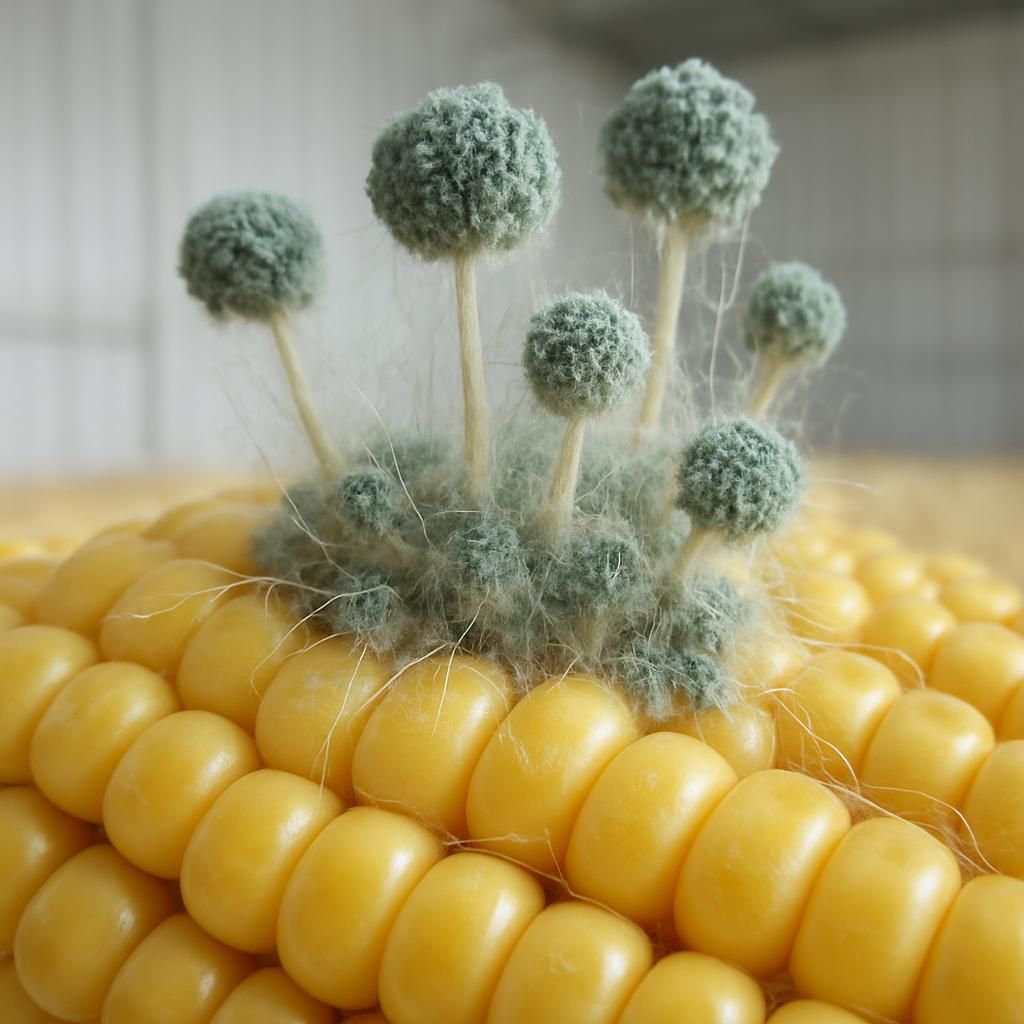
Aflatoxin: A Comprehensive Agricultural Guide to Prevention and Control
Aflatoxins are among the most potent naturally occurring carcinogens known to agriculture. Produced mainly by the fungi Aspergillus flavus and Aspergillus parasiticus, these mycotoxins contaminate key food and feed crops including Corn, Peanuts, Cotton, and tree nuts. Warm temperatures above 25 °C combined with high humidity create ideal conditions for fungal growth and toxin production both in the field and during storage.
Understanding Aflatoxin Biology and Risk Factors
Aflatoxin contamination begins when fungal spores colonize stressed or damaged plant tissues. Drought stress, insect injury, and poor soil fertility increase susceptibility. Once harvested, grain moisture above 13–15 % allows rapid proliferation. The most common aflatoxins are B1, B2, G1, and G2, with B1 being the most toxic and regulated.
Pre-Harvest Management Strategies
Reducing aflatoxin starts in the field. Choose drought-tolerant hybrids of Corn and resistant varieties of Peanuts. Maintain optimal plant populations and balanced fertility to minimize plant stress. Timely irrigation during flowering and grain fill reduces kernel cracking that serves as entry points for fungi.
Insect management is critical. Control Corn Earworm and other pests that create wounds. Apply atoxigenic biocontrol strains (non-toxin-producing Aspergillus) 2–4 weeks before flowering; these competitively exclude toxigenic strains.
Harvest Timing and Handling
Harvest at physiological maturity when grain moisture is 20–25 % and dry immediately to below 13 % within 24–48 hours. Delayed drying allows toxin levels to double or triple. Use mechanical dryers with uniform airflow rather than sun drying on the ground where rewetting occurs.
Post-Harvest Storage Best Practices
Store grain in clean, sealed silos or bins with moisture below 12 % and temperature below 20 °C. Aerate regularly and monitor with temperature cables. Remove fines and broken kernels before storage because they harbor higher toxin loads. Seal storage structures to prevent insect and rodent entry.
Testing and Regulatory Limits
Regular testing protects both market access and animal health. Use rapid ELISA kits or HPLC for accurate quantification. Regulatory limits vary by commodity and end use.
| Commodity | Maximum Aflatoxin Level (ppb) | Regulatory Body | Common Testing Method |
|---|---|---|---|
| Corn (human) | 20 | FDA (USA) | HPLC / ELISA |
| Peanuts (human) | 20 | FDA / Codex | HPLC / ELISA |
| Feed (dairy) | 20 (total) / 0.5 (M1 in milk) | FDA / EU | LC-MS/MS |
| Tree nuts | 10–15 | EU / Codex | HPLC |
| Sorghum | 20 | FDA | ELISA |
Economic Impact and Market Implications
High aflatoxin levels lead to rejected export shipments, price discounts, and livestock productivity losses. In regions where Sorghum and Millet are staples, contamination can exceed 100 ppb during poor storage seasons, causing chronic exposure in rural populations.
Integrated Control Timeline
| Growth Stage | Key Action | Target Outcome |
|---|---|---|
| Land Preparation | Soil testing and balanced fertilization | Reduce plant stress |
| Planting | Use resistant seed and atoxigenic strains | Lower initial fungal load |
| Flowering | Irrigation and insect scouting | Prevent kernel damage |
| Harvest | Timely harvest at correct moisture | Minimize field exposure |
| Drying | Rapid mechanical drying to <13 % | Halt fungal growth |
| Storage | Cool, dry, sealed bins with monitoring | Maintain safe toxin levels |
Additional Cultural and Biological Tools
Crop rotation with non-hosts such as Soybeans or Wheat breaks the fungal cycle. Cover cropping improves soil structure and water retention, indirectly reducing drought stress. Biopesticides containing Bacillus subtilis or Trichoderma spp. show promise as supplementary treatments.
Health and Safety Considerations
Aflatoxin B1 is a Group 1 carcinogen linked to liver cancer. Livestock consuming contaminated feed experience reduced weight gain, immunosuppression, and reproductive failure. Milk from dairy animals can contain aflatoxin M1, requiring strict feed testing.
Conclusion
Managing aflatoxin demands a systems approach combining resistant genetics, cultural practices, rapid drying, and vigilant storage. Regular testing and adherence to regulatory limits protect both human health and farm profitability. By implementing the practices outlined above, producers of Corn, Peanuts, and other susceptible crops can significantly reduce contamination risk and maintain market access.
For more on building resilient farming systems that withstand weather variability, see The Truth About Weather Patterns and Small Farm Resilience.