Encyclopedia
Definitive guides for crops, pests, and agricultural diseases.
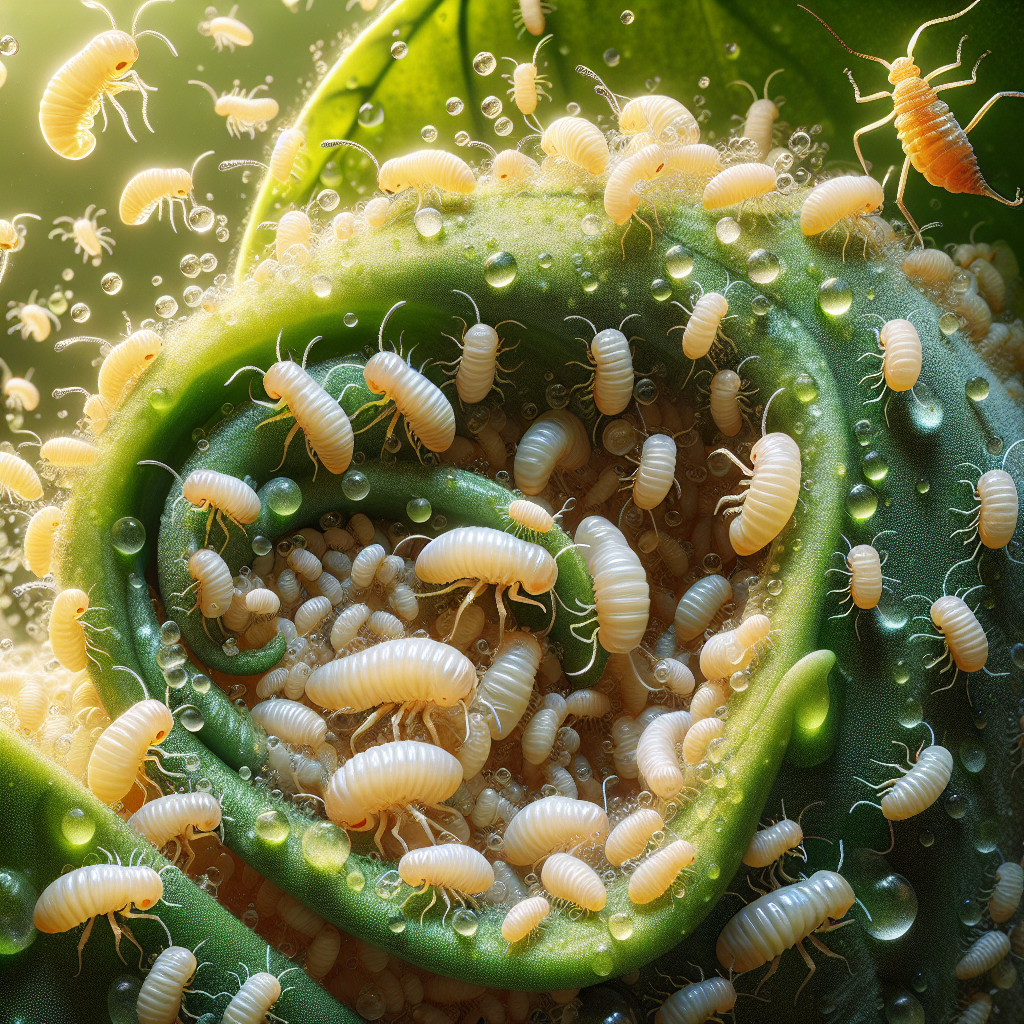
Psyllids
Psyllids are small, sap-sucking insects that damage crops by feeding on phloem and transmitting plant diseases like citrus greening. Recognizable by their jumping ability and honeydew secretions, they thrive in warm climates and can devastate orchards and gardens. Effective management combines organic controls, cultural practices, and vigilant monitoring for long-term prevention.
View Profile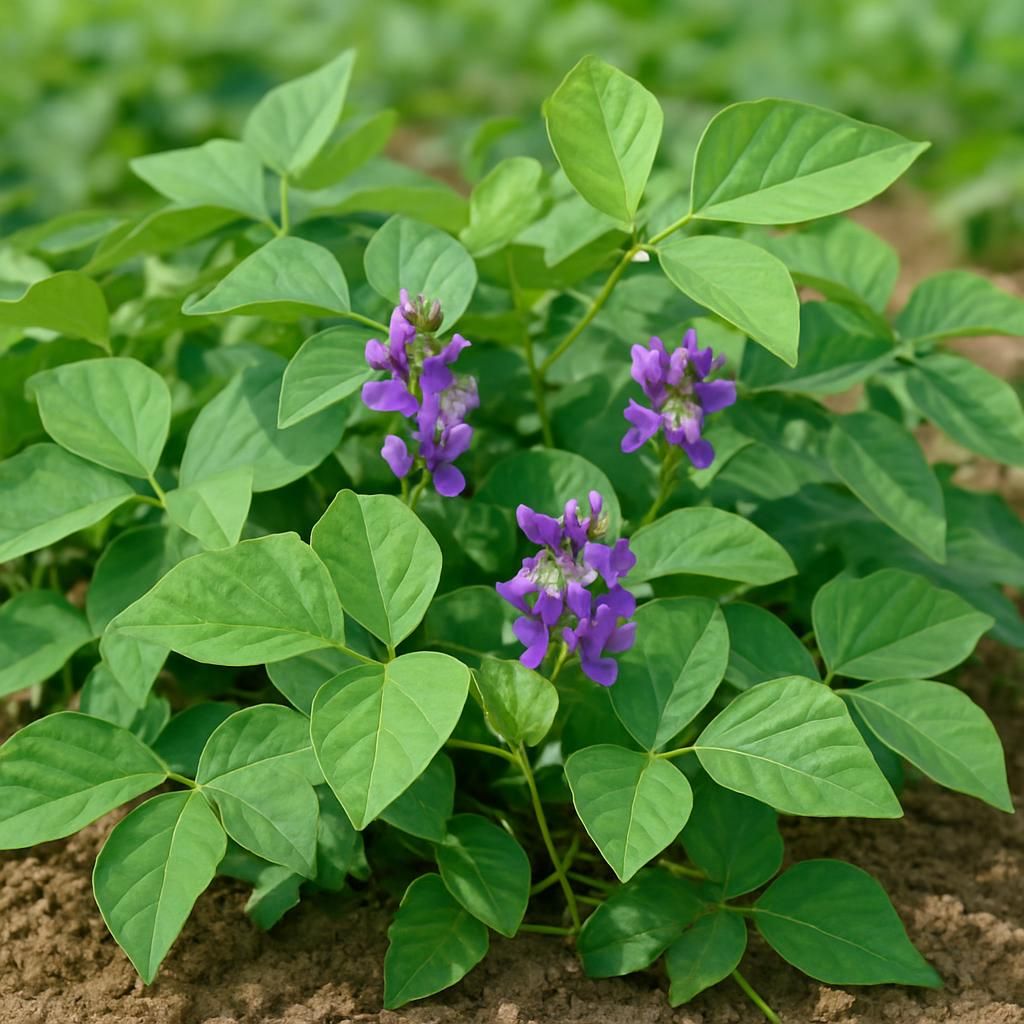
Pueraria phaseoloides
Pueraria phaseoloides, commonly known as tropical kudzu, is a vigorous perennial legume used primarily as a cover crop, green manure, and forage in tropical and subtropical agriculture. It excels at nitrogen fixation, soil erosion control, and weed suppression while thriving in poor, acidic soils. This guide provides professional growers with detailed, research-based practices for successful establishment, management, and harvest.
View Guide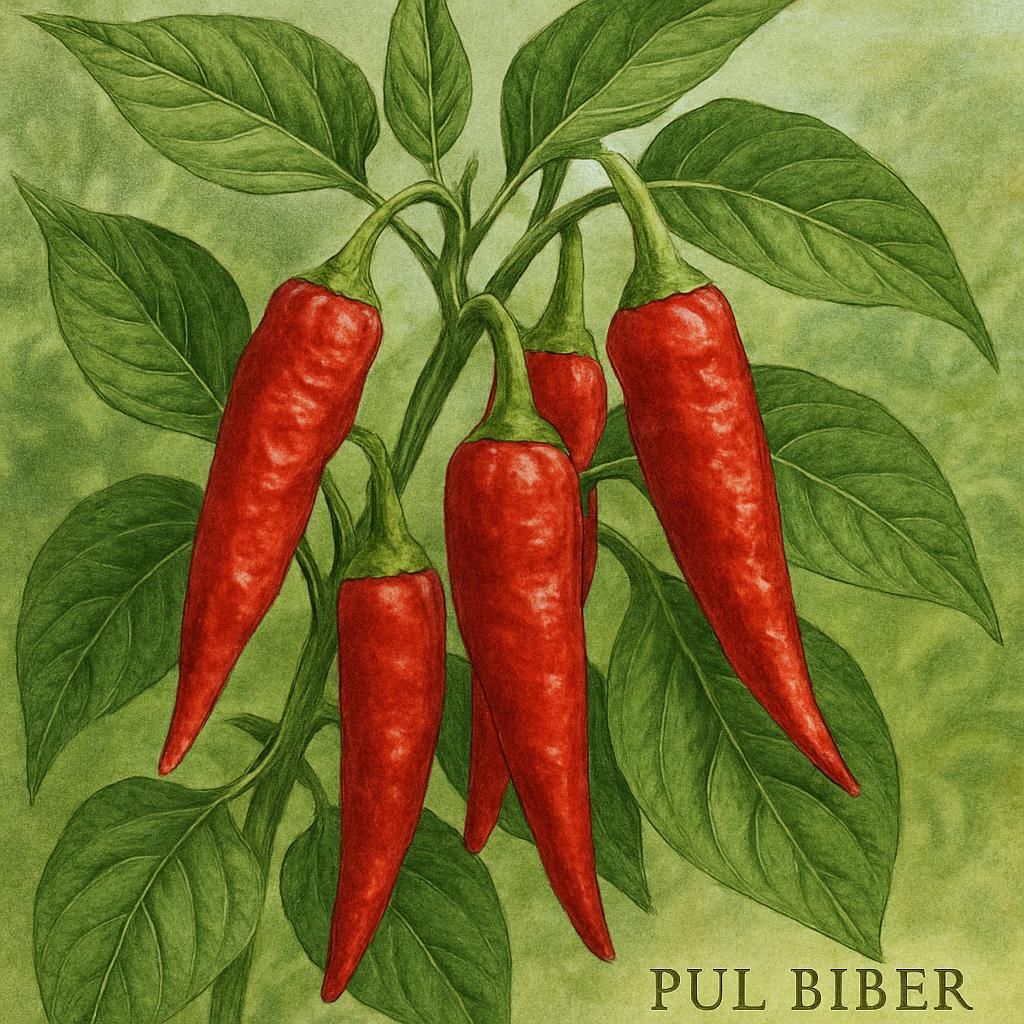
Pul Biber
Pul Biber, also known as Aleppo pepper, is a moderately hot pepper celebrated for its distinctive fruity heat and rich flavor. It's integral to Middle Eastern cuisine, prized for its colorful presence both in the garden and the kitchen.
View Guide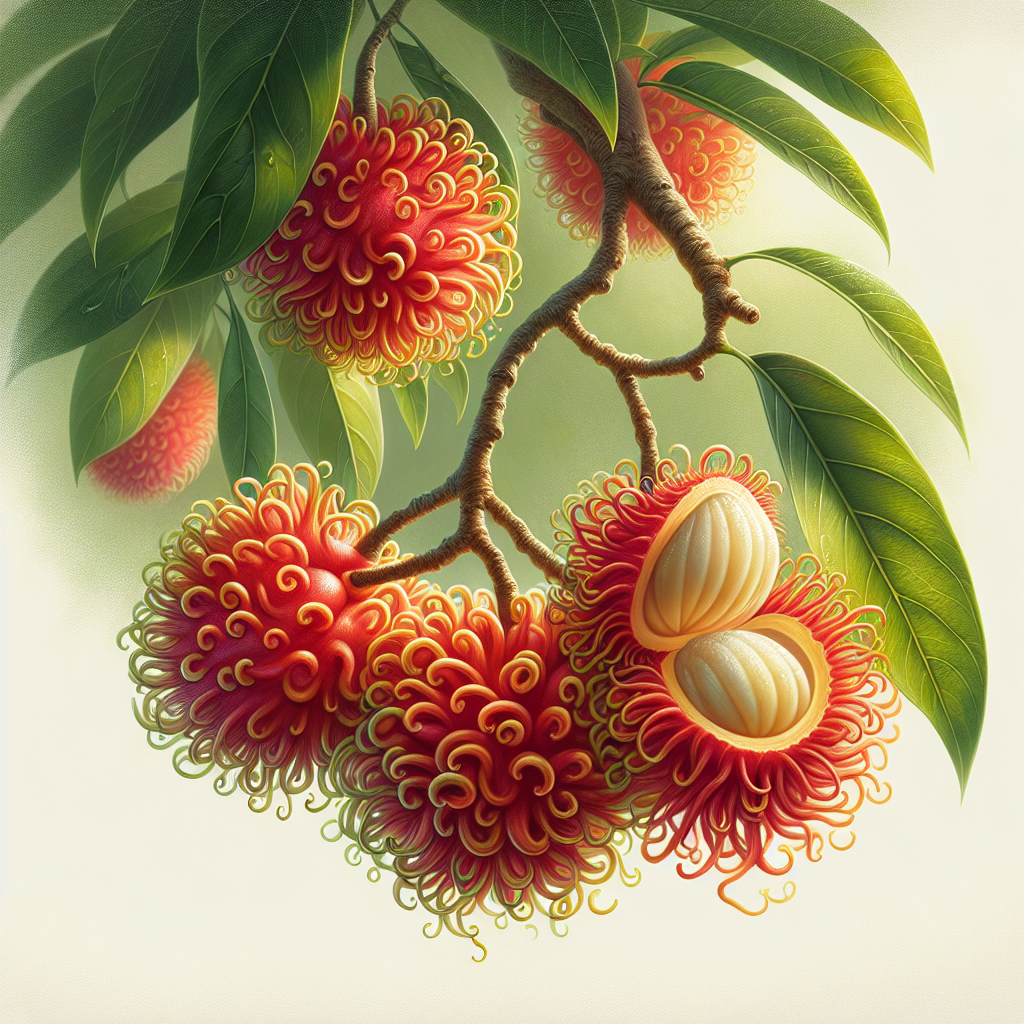
Pulasan (Sibayat)
Pulasan (Sibayat), a tropical fruit tree closely related to rambutan, produces sweet, juicy fruits with a distinctive hairy red skin and creamy white flesh. Native to Southeast Asia, it's prized for its superior flavor and ease of cultivation in humid climates. This guide provides expert techniques for propagation, care, pest management, and harvesting to maximize yields.
View Guide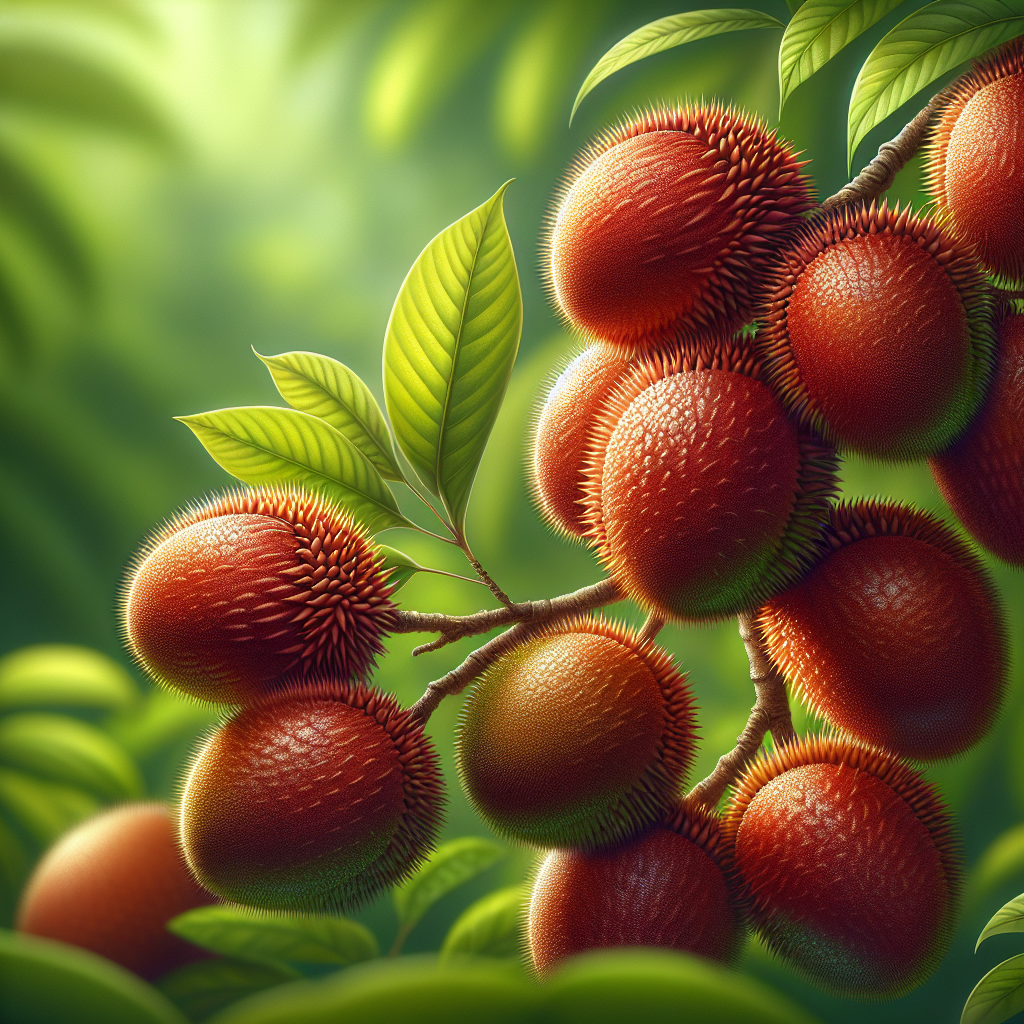
Pulassan (Seebabat)
Pulassan, also known as Seebabat, is a rare tropical fruit closely related to rambutan, prized for its sweet, juicy, white flesh encased in a thick, reddish-brown skin with soft spines. Native to Malaysia and Southeast Asia, it thrives in humid lowland tropics and offers high yields for small farms seeking exotic crop diversification. This guide provides expert cultivation techniques for optimal growth and harvest.
View Guide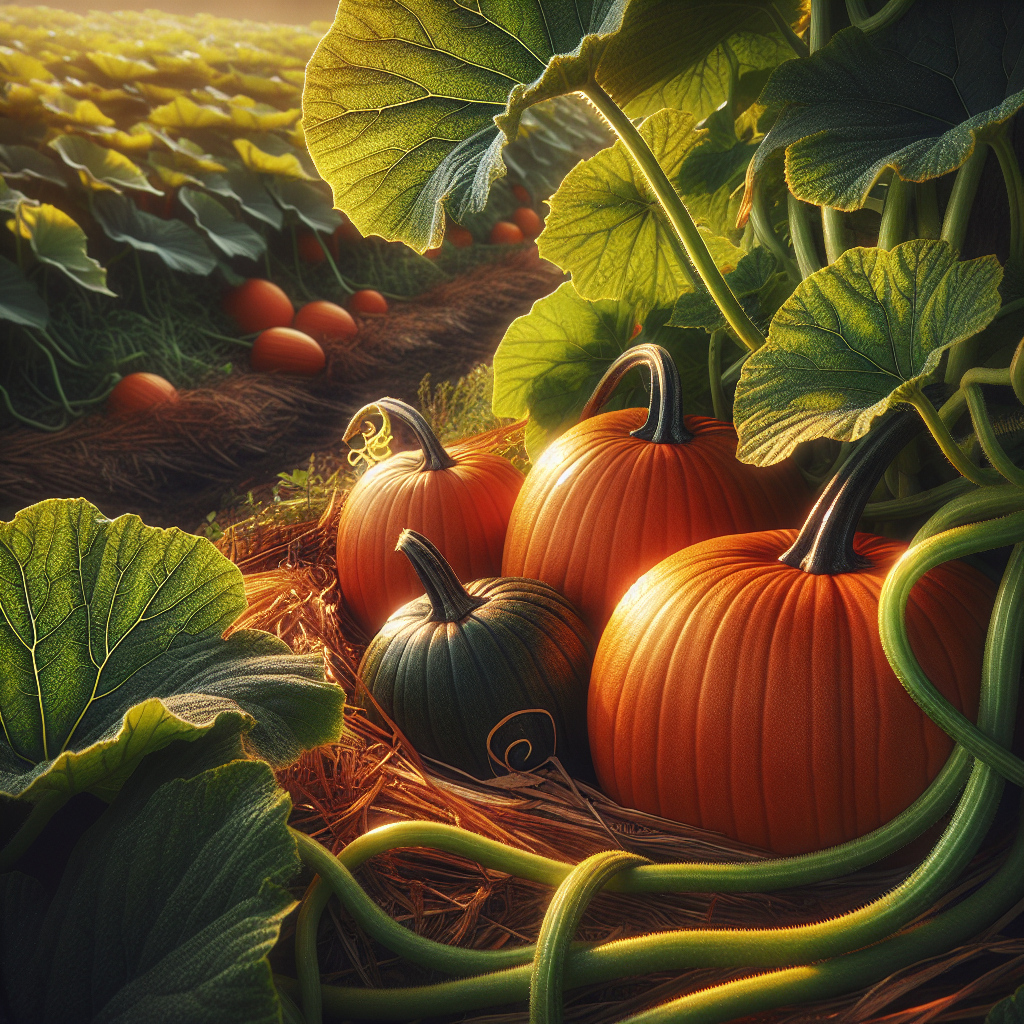
Pumpkin
Pumpkin is a warm-season cucurbit grown for its edible fruits, seeds, and flowers, with uses ranging from soups and roasting to livestock feed and ornamental display. Successful production depends on heat, fertile well-drained soil, consistent pollination, balanced nutrition, and careful disease prevention, especially in humid conditions.
View Guide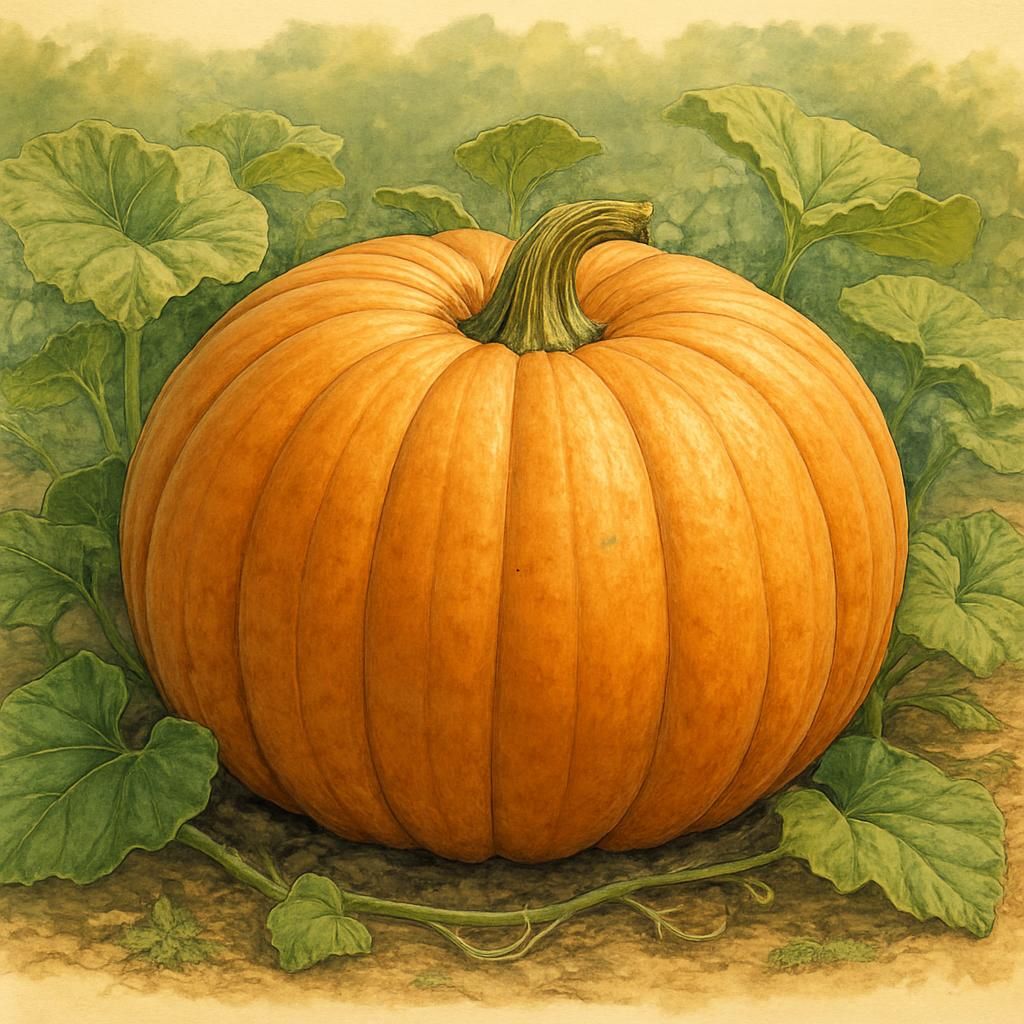
Pumpkin (Atlantic Giant)
The Atlantic Giant Pumpkin is a prized cultivar in the Cucurbita maxima species, known for its enormous size making it ideal for competitions. It requires a significant commitment to care, including adequate space, specific soil conditions, and attentive pest management to achieve optimal growth.
View Guide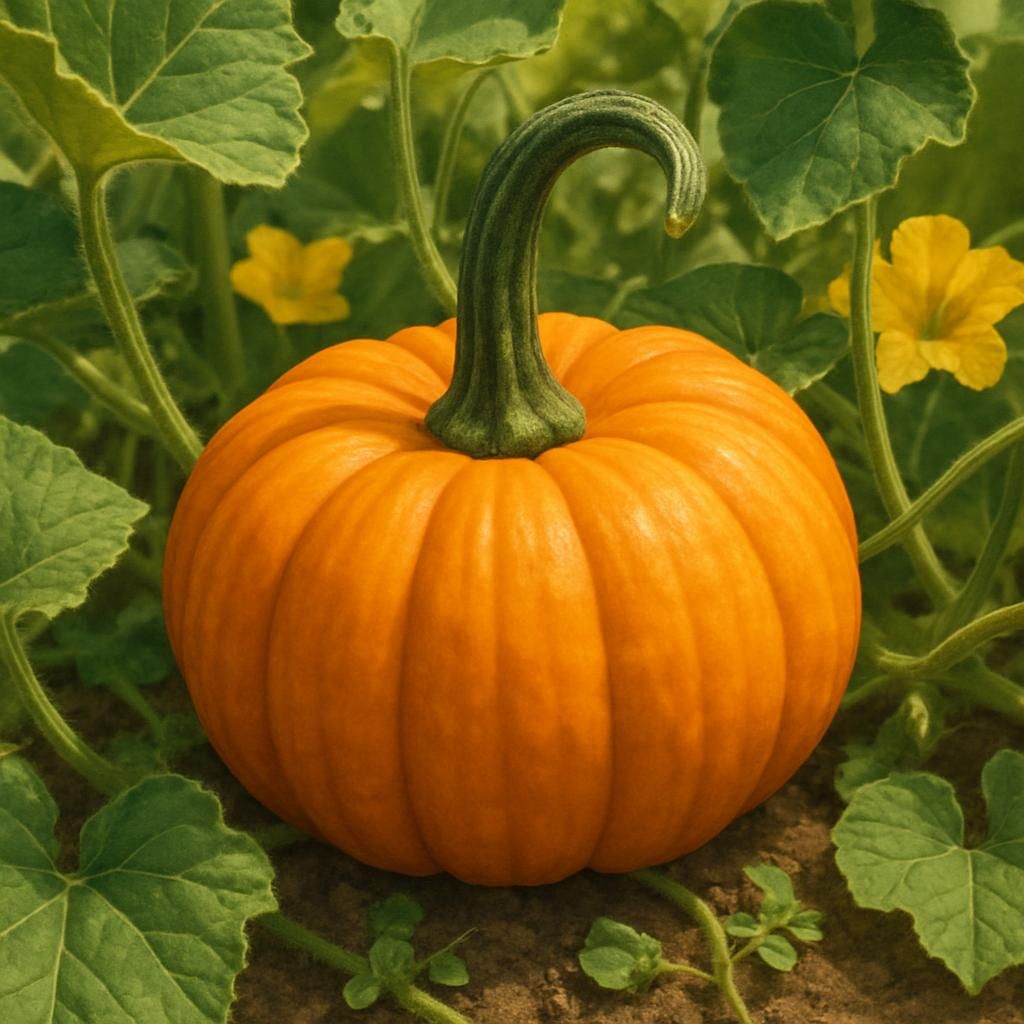
Pumpkin (Jack Be Little)
Pumpkin (Jack Be Little) is a miniature pumpkin variety known for its ornamental appeal and vibrant orange color. Ideal for decoration, these small pumpkins are easy to grow and can be cultivated in various climates given proper care.
View Guide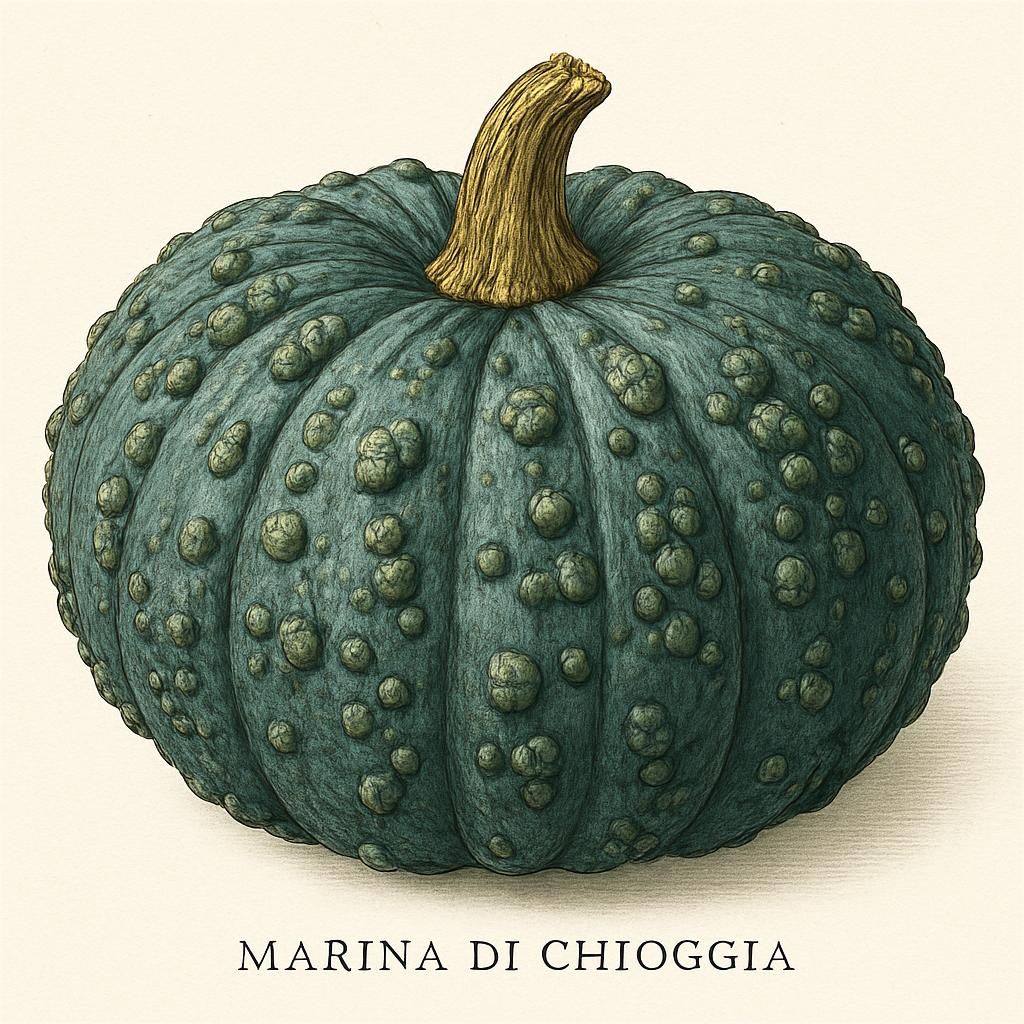
Pumpkin (Marina di Chioggia)
Marina di Chioggia is a unique heirloom pumpkin variety known for its bumpy, deep blue-green skin and exceptional flavor, making it a favorite for both culinary use and ornamental purposes.
View Guide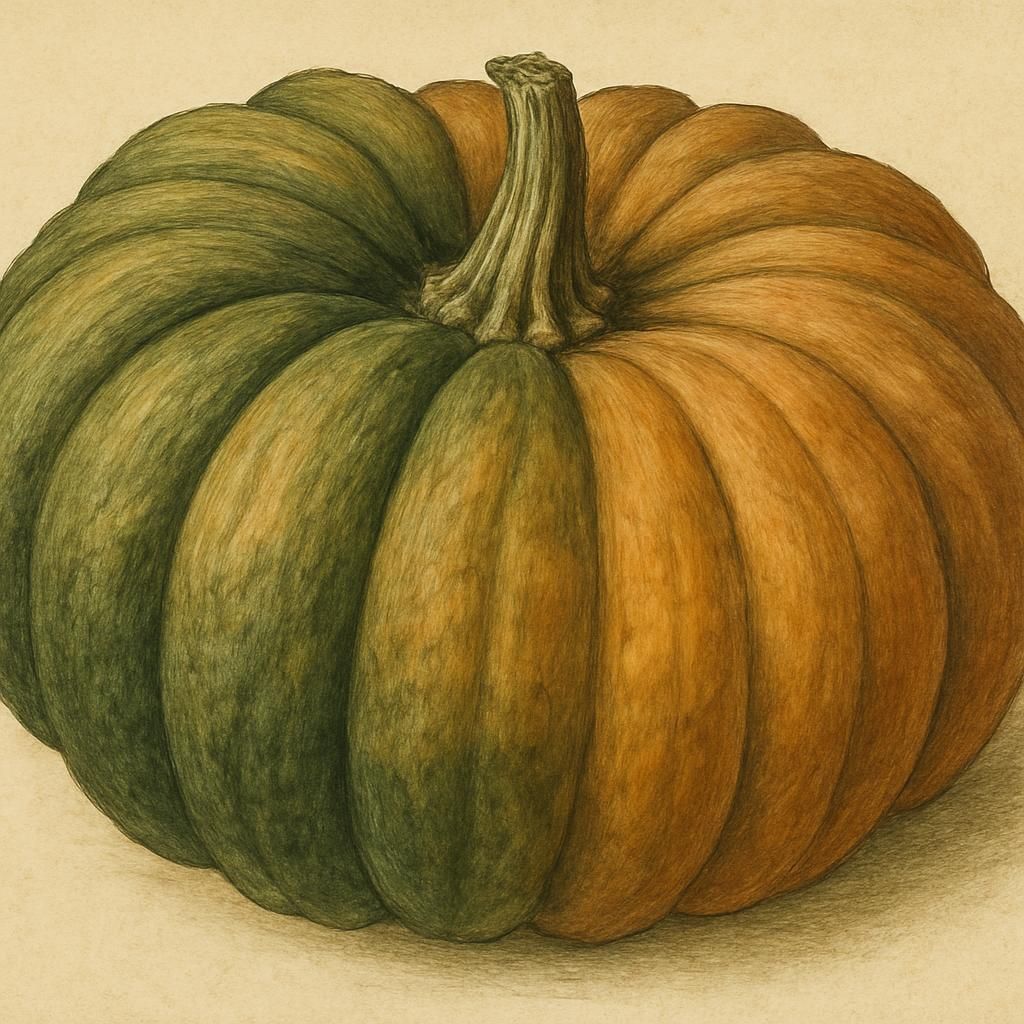
Pumpkin (Musquee de Provence)
The Musquee de Provence pumpkin is a French heirloom variety known for its rich, flavorful flesh and unique, sculpted appearance. It thrives in warm climates and well-drained soils, making it an ideal choice for summer planting in optimal environments.
View Guide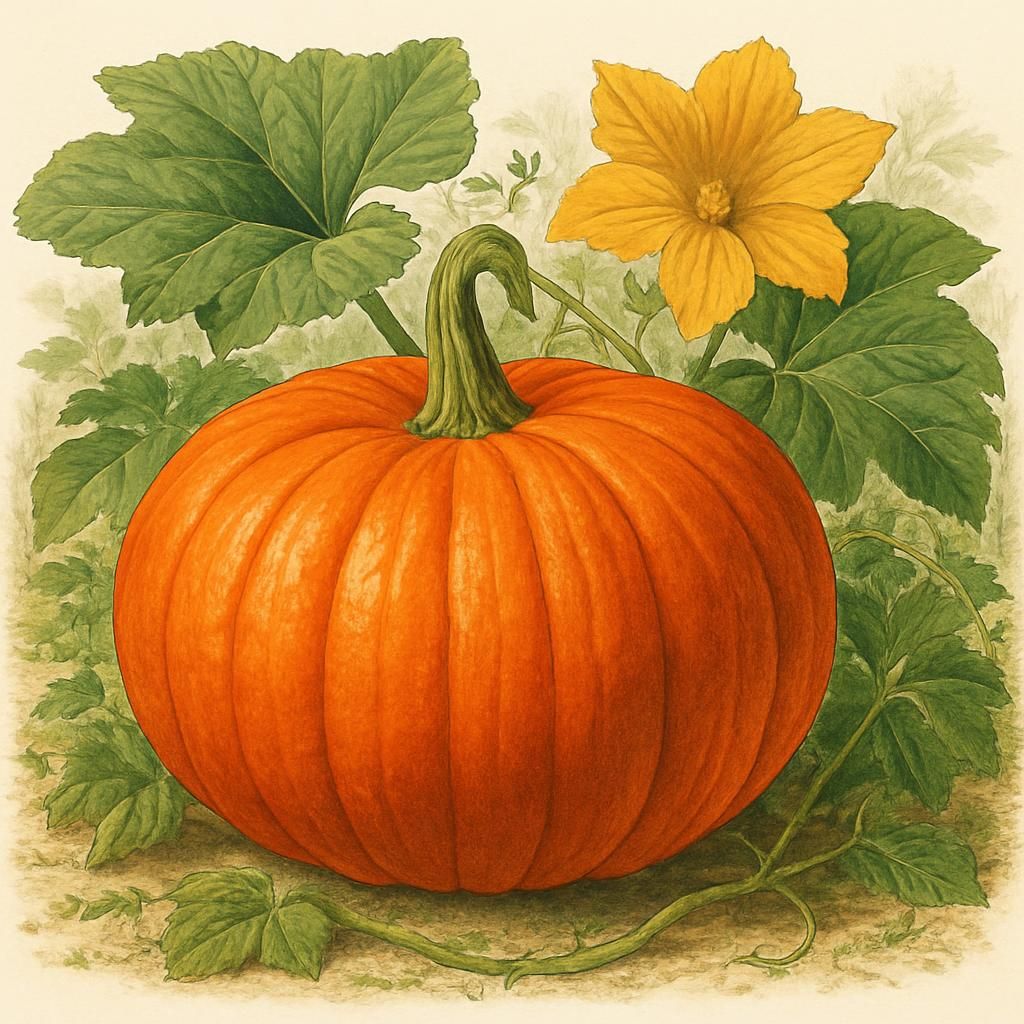
Pumpkin (Rouge Vif d'Etampes)
Rouge Vif d'Etampes, known for its bright red-orange hue, is a classic French heirloom pumpkin. Popularly used for both ornamental and culinary purposes, it thrives in well-drained soil with ample sunlight.
View Guide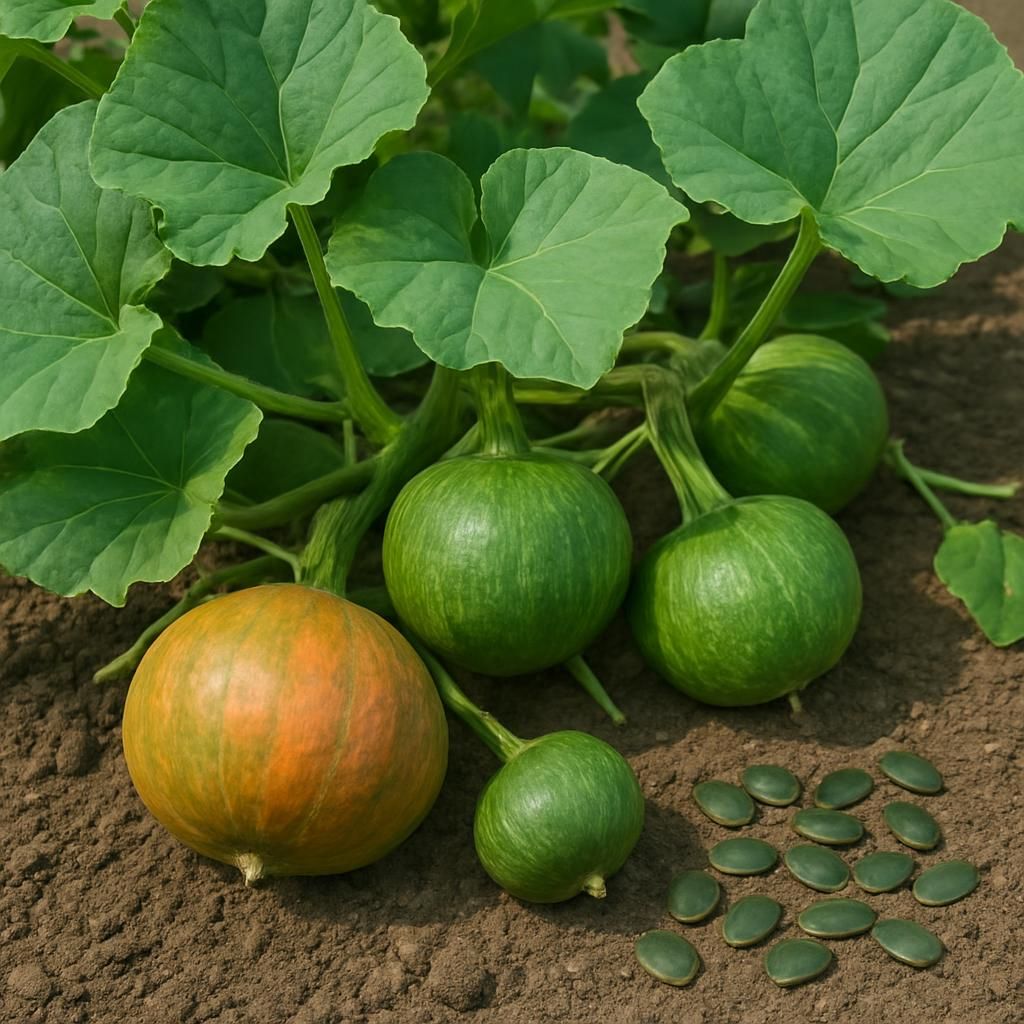
Pumpkin Seed (Kakai)
Kakai is a hull-less seed pumpkin prized for its high-protein, edible naked seeds and oil. This guide covers optimal growing conditions, planting, care, pest management, harvest, and storage for reliable commercial or home production.
View Guide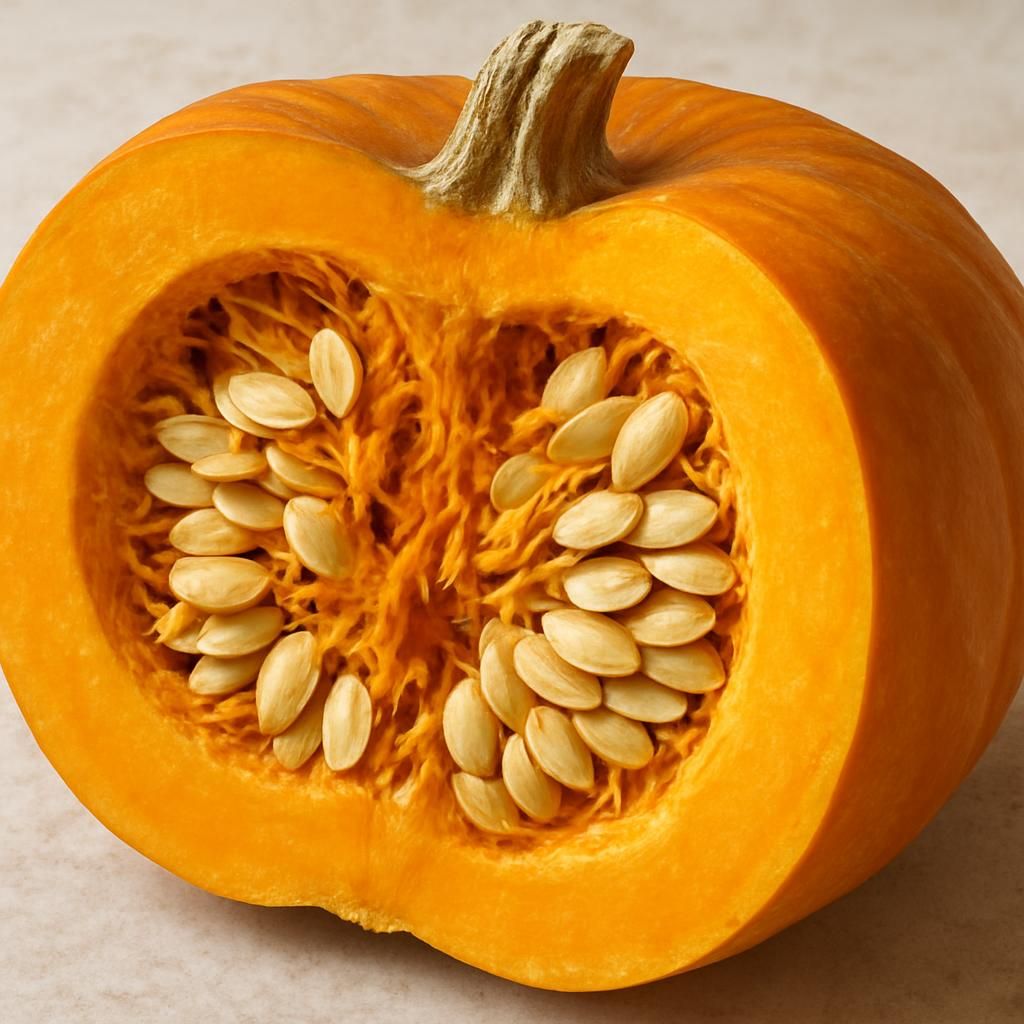
Pumpkin Seed (Lady Godiva)
Lady Godiva is a hull-less seed pumpkin bred specifically for high-quality, edible naked seeds. It produces medium-sized fruits with thin, easily removable hulls that make the seeds ready to eat after simple roasting.
View Guide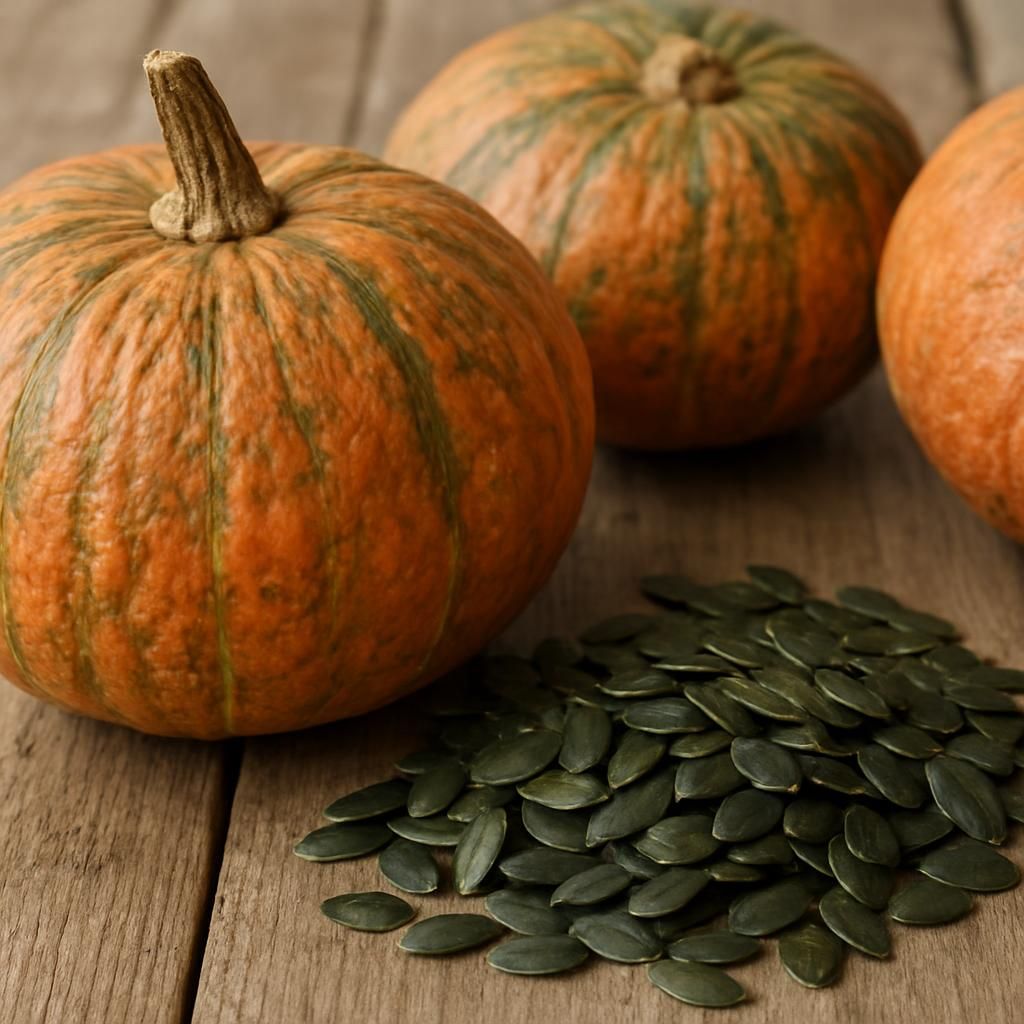
Pumpkin Seed (Styrian Hulless)
Styrian hulless pumpkin seeds are a high-value oilseed crop prized for their thin seed coats that eliminate the need for mechanical hulling. This guide covers complete professional cultivation from soil preparation through post-harvest storage and marketing.
View Guide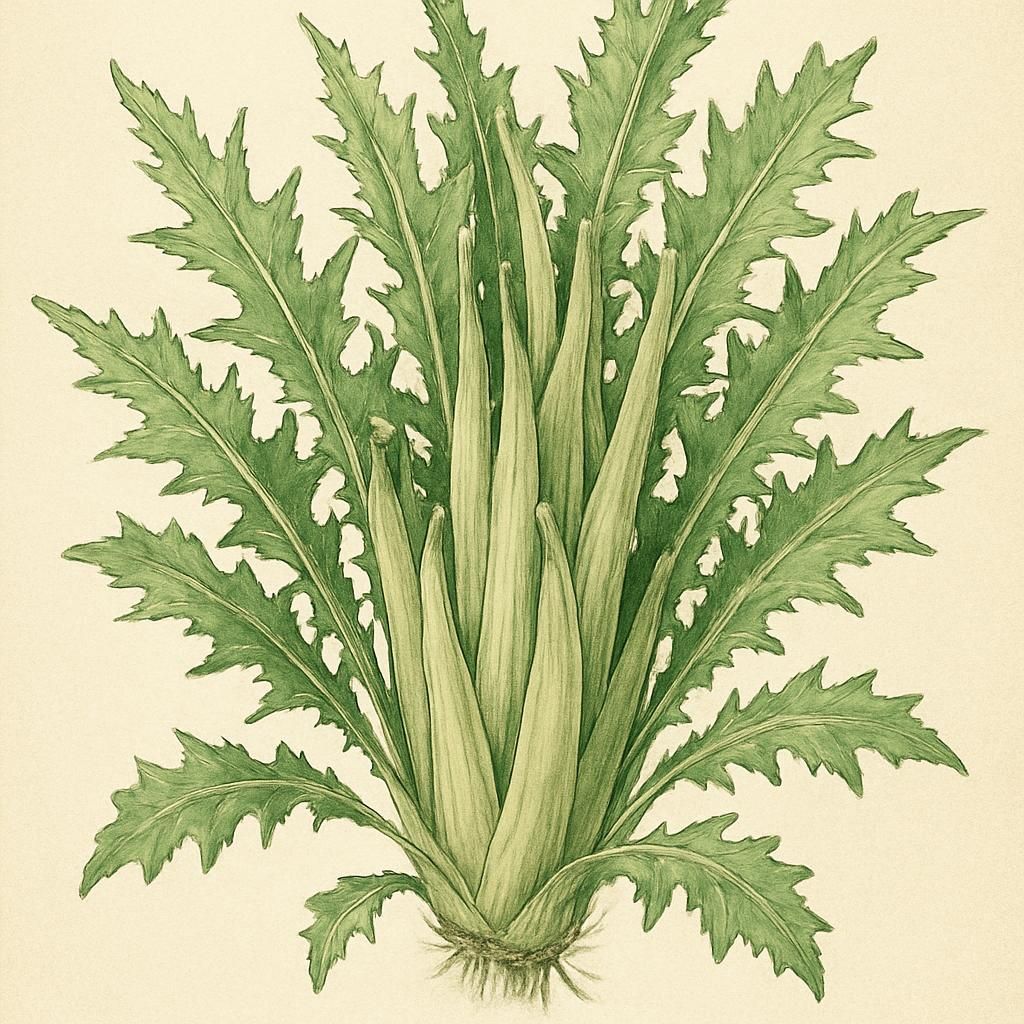
Puntarelle (Catalogna Special)
Puntarelle, also known as Catalogna Special, is a chicory variety cherished in Italian cuisine for its unique flavor and tender shoots. Perfect for cooler climates, this crop demands careful attention to soil and water conditions for optimal growth.
View Guide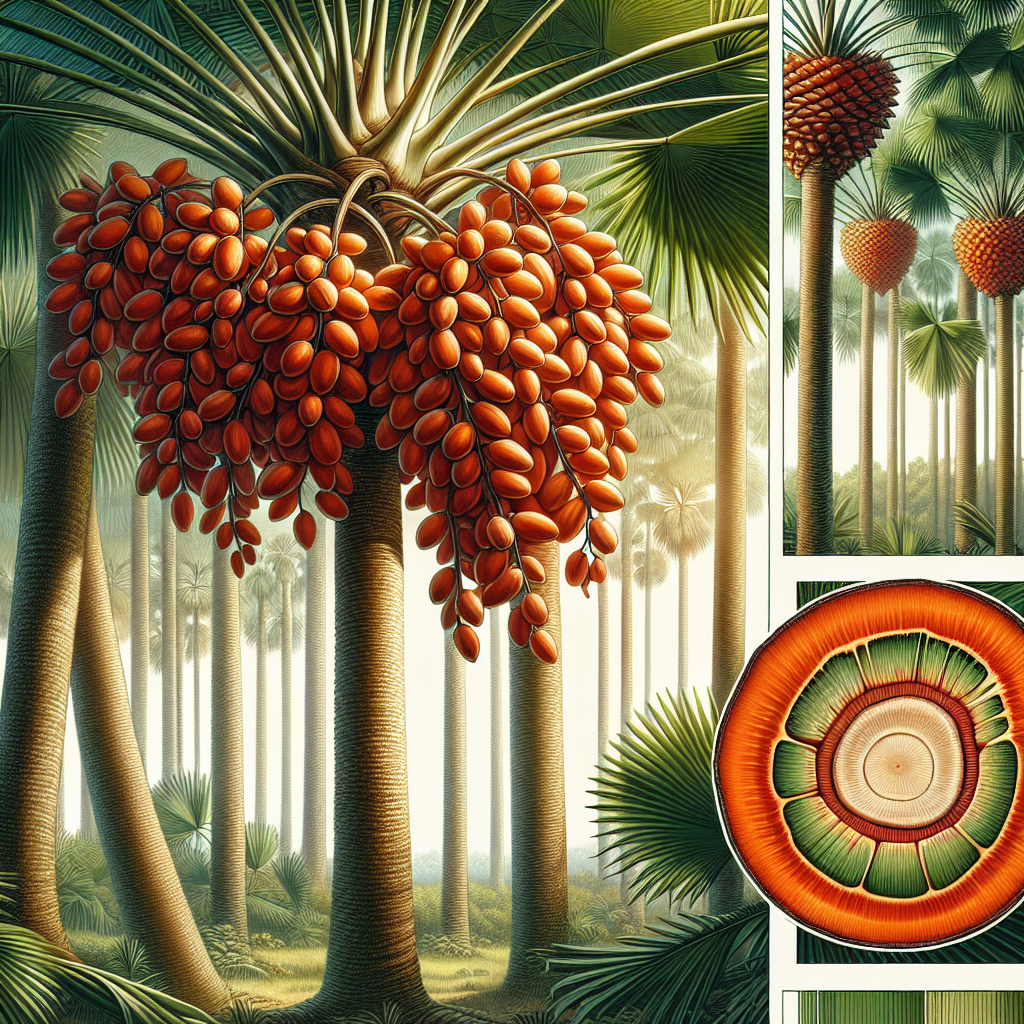
Pupunha (Spineless)
Pupunha (Spineless), also known as peach palm, is a versatile tropical palm producing nutritious heart-of-palm and starchy fruits ideal for agroforestry systems. This spineless variety simplifies harvesting and management, thriving in humid climates with minimal inputs. Growers value it for its high yields, multiple uses, and ability to improve soil fertility over time.
View Guide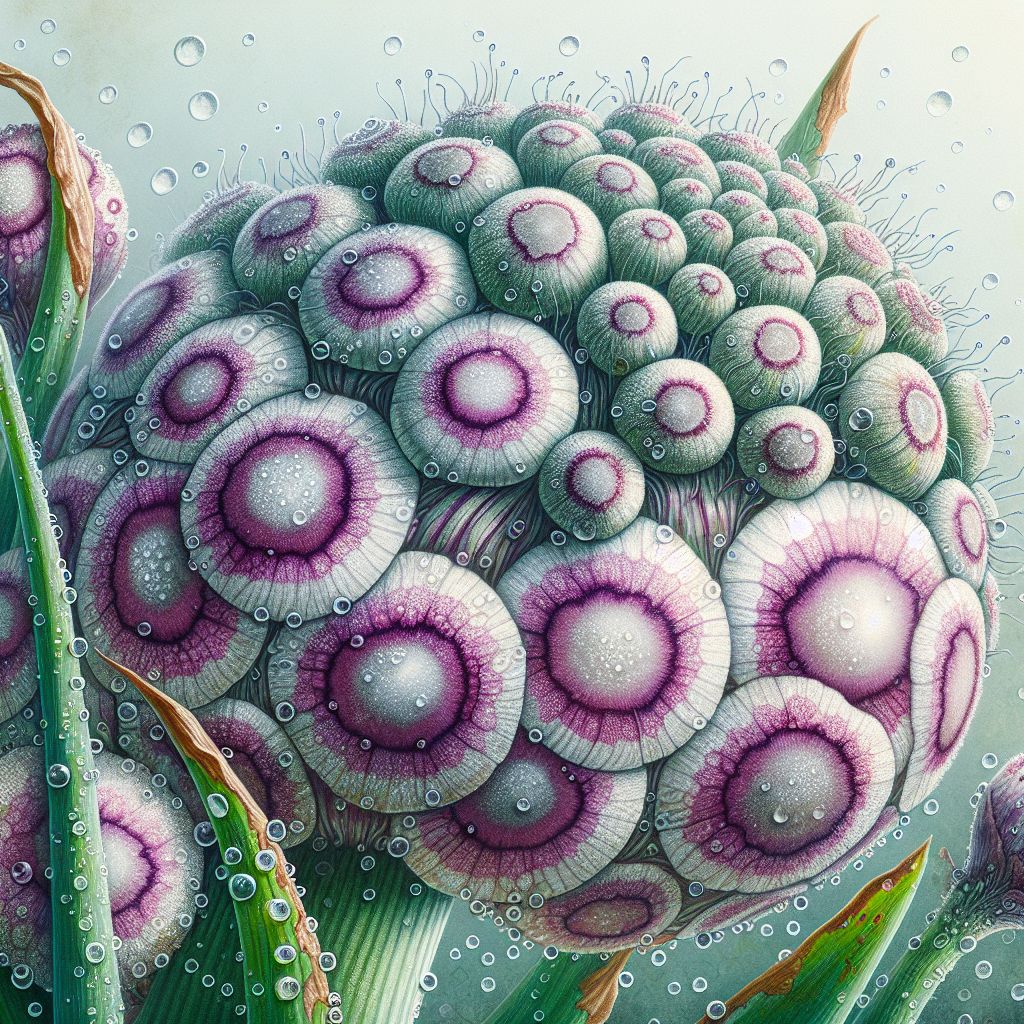
Purple blotch
Purple blotch is a destructive fungal disease primarily affecting onion crops, caused by Alternaria porri, leading to purple lesions on leaves that reduce photosynthesis and bulb quality. It thrives in warm, humid conditions and can cause significant yield losses up to 50-100% in severe cases. Effective management relies on cultural practices, resistant varieties, and timely organic fungicide applications.
View Profile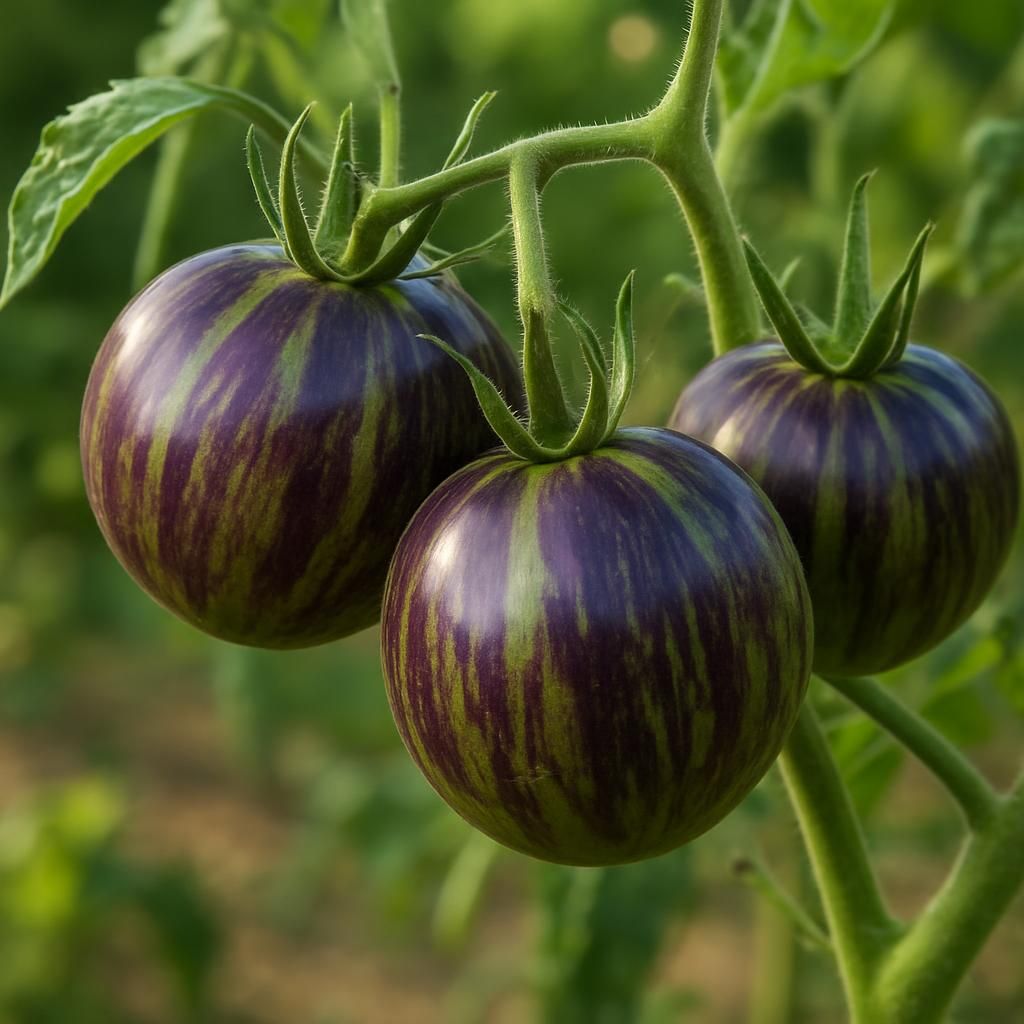
Purple Bumble Bee Tomato
Purple Bumble Bee Tomato is a striking cherry-type heirloom variety prized for its bicolored purple-and-green striped fruits, sweet flavor, and high productivity. This determinate-to-semi-indeterminate plant performs well in containers, raised beds, and open fields when given consistent care and protection from common tomato pests and diseases.
View Guide
Purple Coneflower
Purple Coneflower (Echinacea purpurea) is a hardy, drought-tolerant perennial prized for its striking daisy-like blooms and medicinal roots. This comprehensive guide covers ideal soil conditions, planting timelines, organic pest control, and harvesting techniques for reliable yields.
View Guide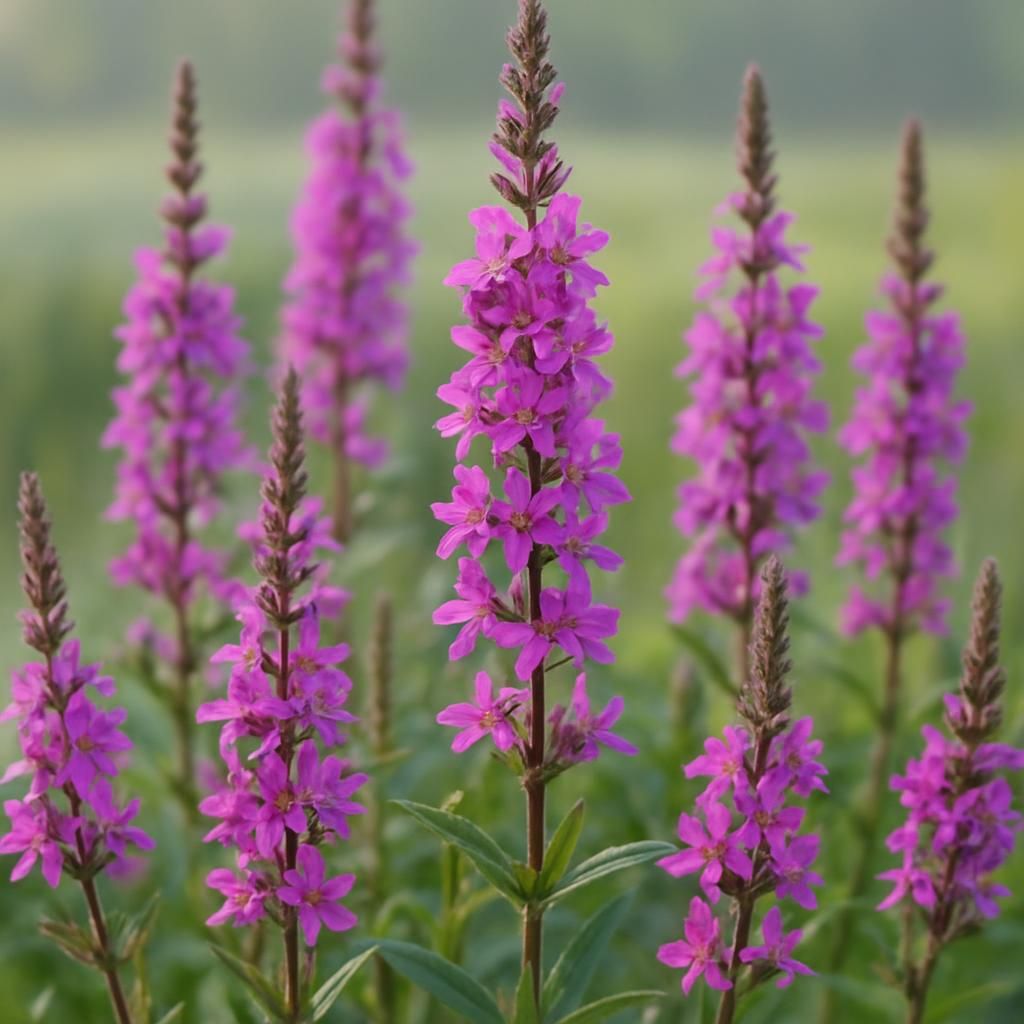
Purple Loosestrife
Purple loosestrife is a vigorous herbaceous perennial wetland plant prized for its tall spikes of magenta-purple flowers but widely regarded as a highly invasive species in North America. Professional growers manage it under strict containment protocols because it rapidly outcompetes native vegetation in marshes, ditches, and pond edges. This guide covers botanical traits, legal considerations, containment methods, and sustainable management practices.
View Guide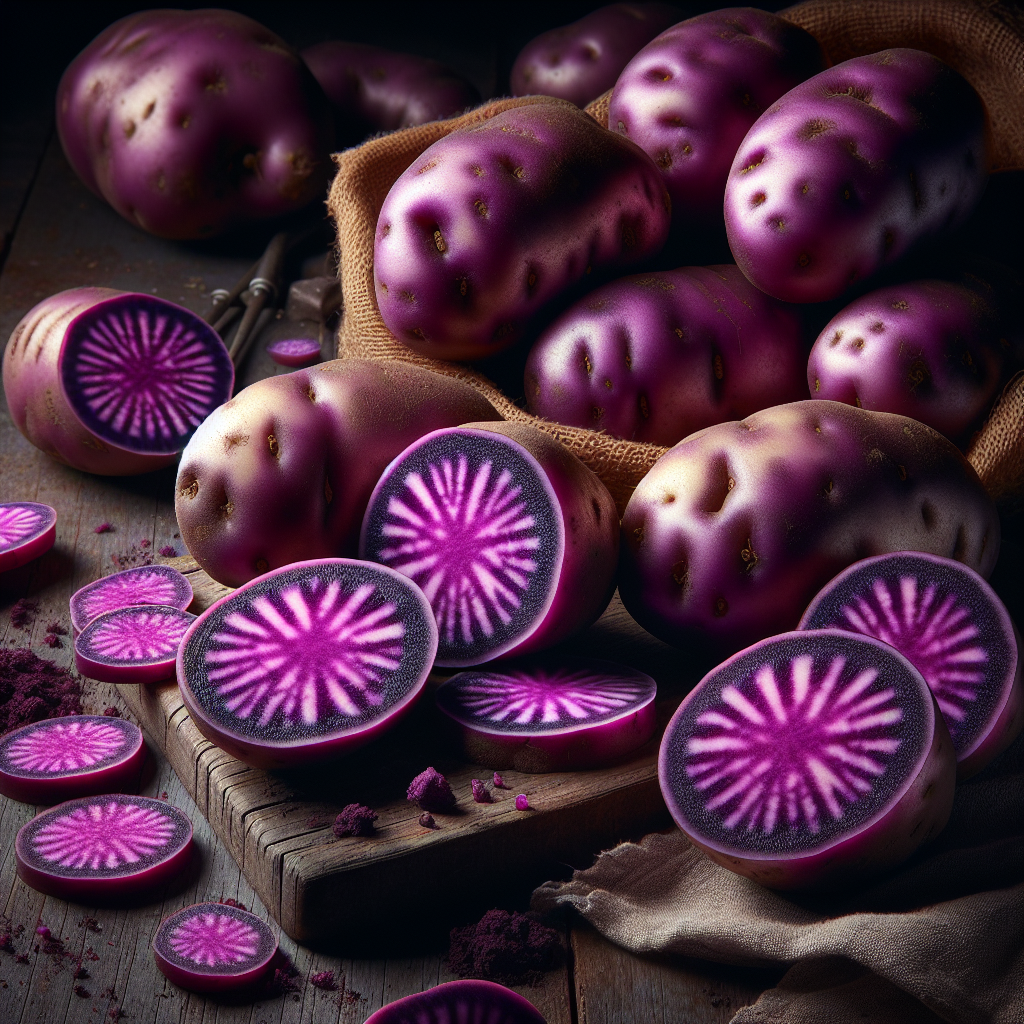
Purple Majesty Potato
Purple Majesty Potato is a striking heirloom variety celebrated for its vibrant purple skin and flesh, packed with antioxidants and eye-catching appeal for gourmet markets. This mid-season crop delivers high yields of oblong tubers with buttery texture and rich, nutty flavor, thriving in cool climates with proper care. Ideal for home gardeners and small farms seeking colorful, nutritious staples.
View Guide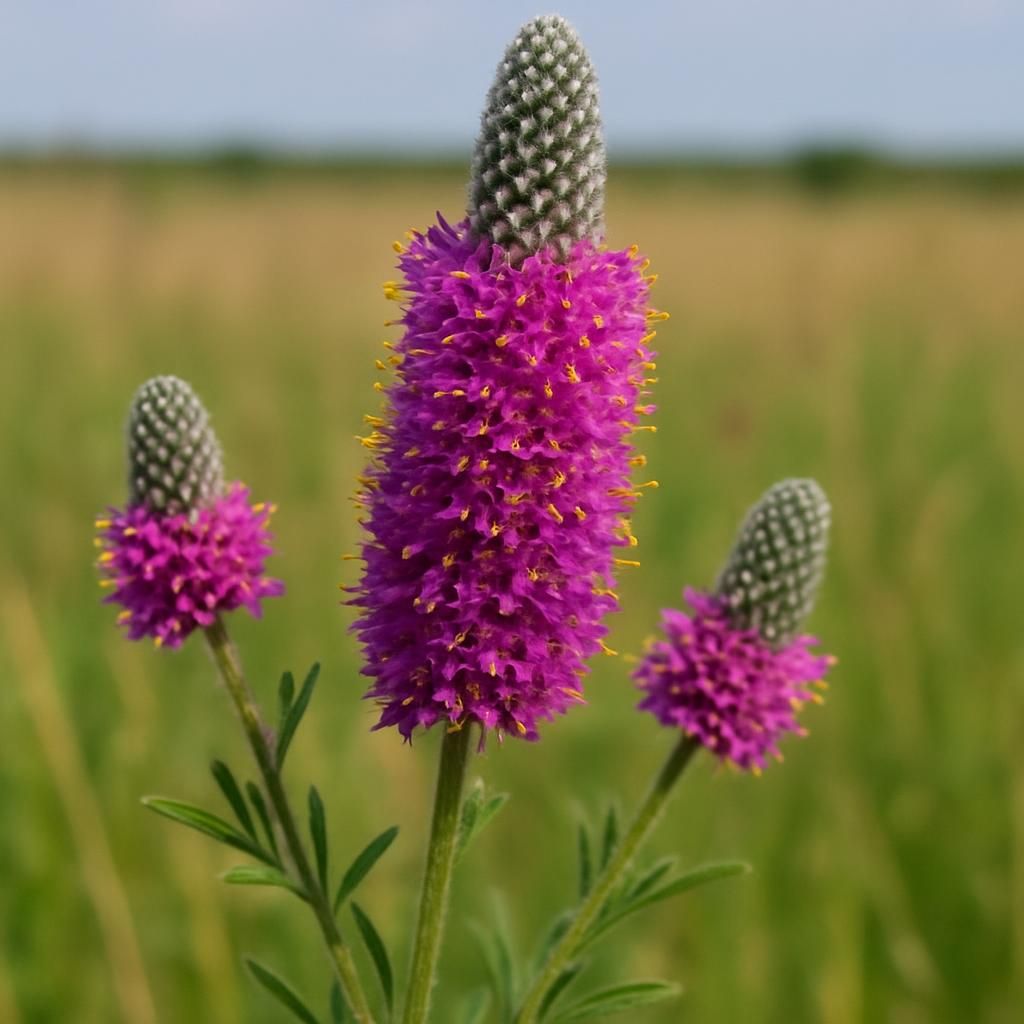
purple prairie clover
Purple prairie clover is a native North American legume valued for soil restoration, pollinator support, and forage production in prairie and rangeland systems. It thrives in well-drained, low-fertility soils across USDA zones 3–8 and fixes atmospheric nitrogen, reducing the need for synthetic fertilizers. This guide delivers professional-grade planting, care, pest management, and harvesting protocols for commercial growers and restoration specialists.
View Guide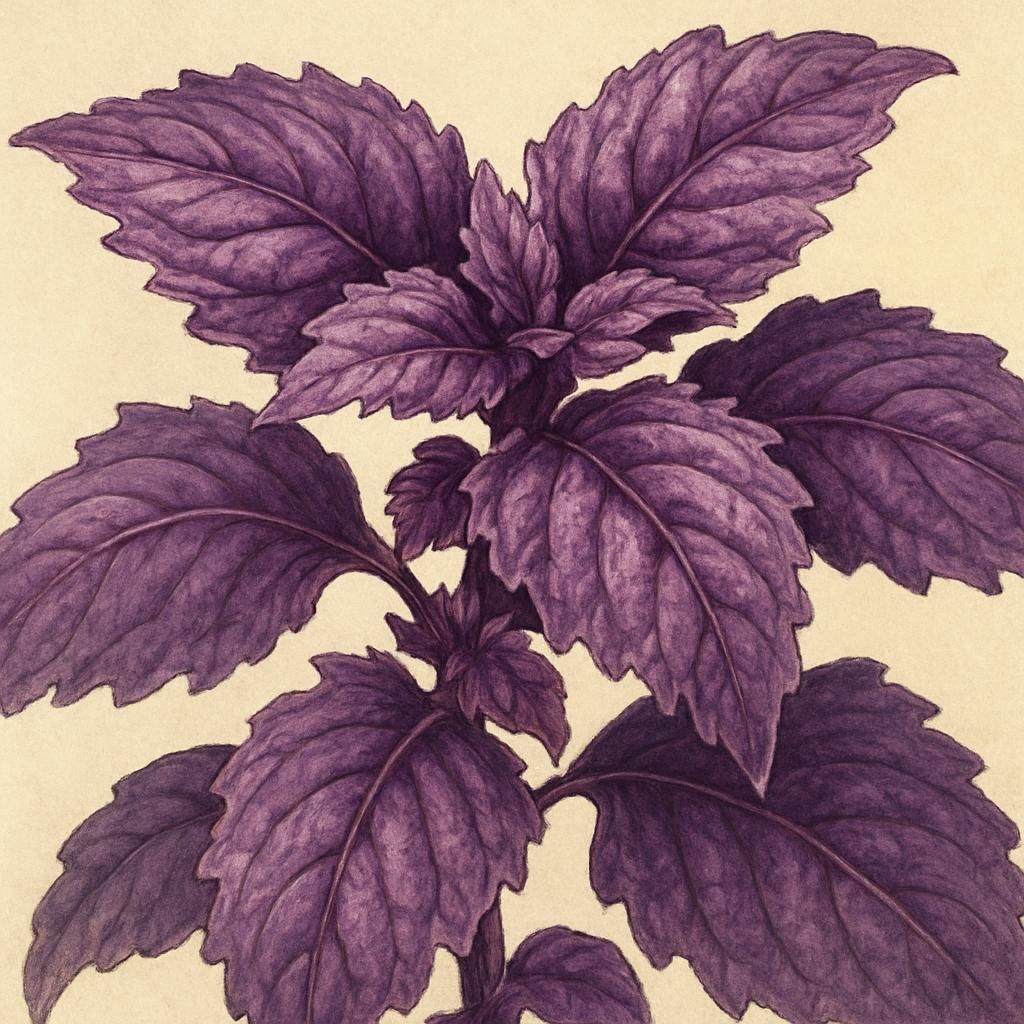
Purple Ruffles Basil
Purple Ruffles Basil is a unique variety of basil known for its vibrant purple leaves, ruffled texture, and mild, sweet flavor. Ideal for culinary and ornamental use, this basil variety thrives in well-drained soil and warm climates.
View Guide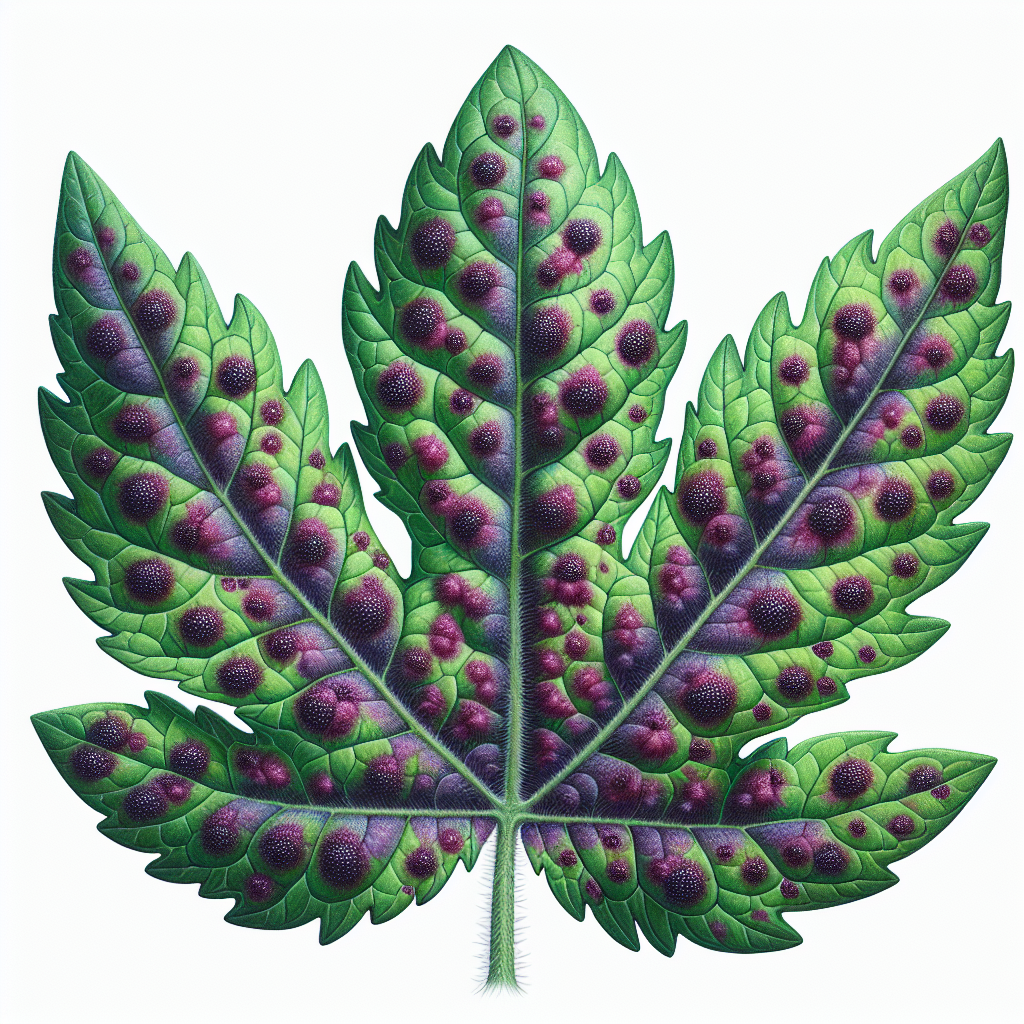
Purple spot
Purple spot is a bacterial disease causing distinctive purple lesions on tomato leaves and fruits, leading to defoliation and reduced yields. It thrives in cool, wet conditions and spreads via splashing water. Effective management relies on cultural practices, resistant varieties, and organic bactericides.
View Profile