Encyclopedia
Definitive guides for crops, pests, and agricultural diseases.
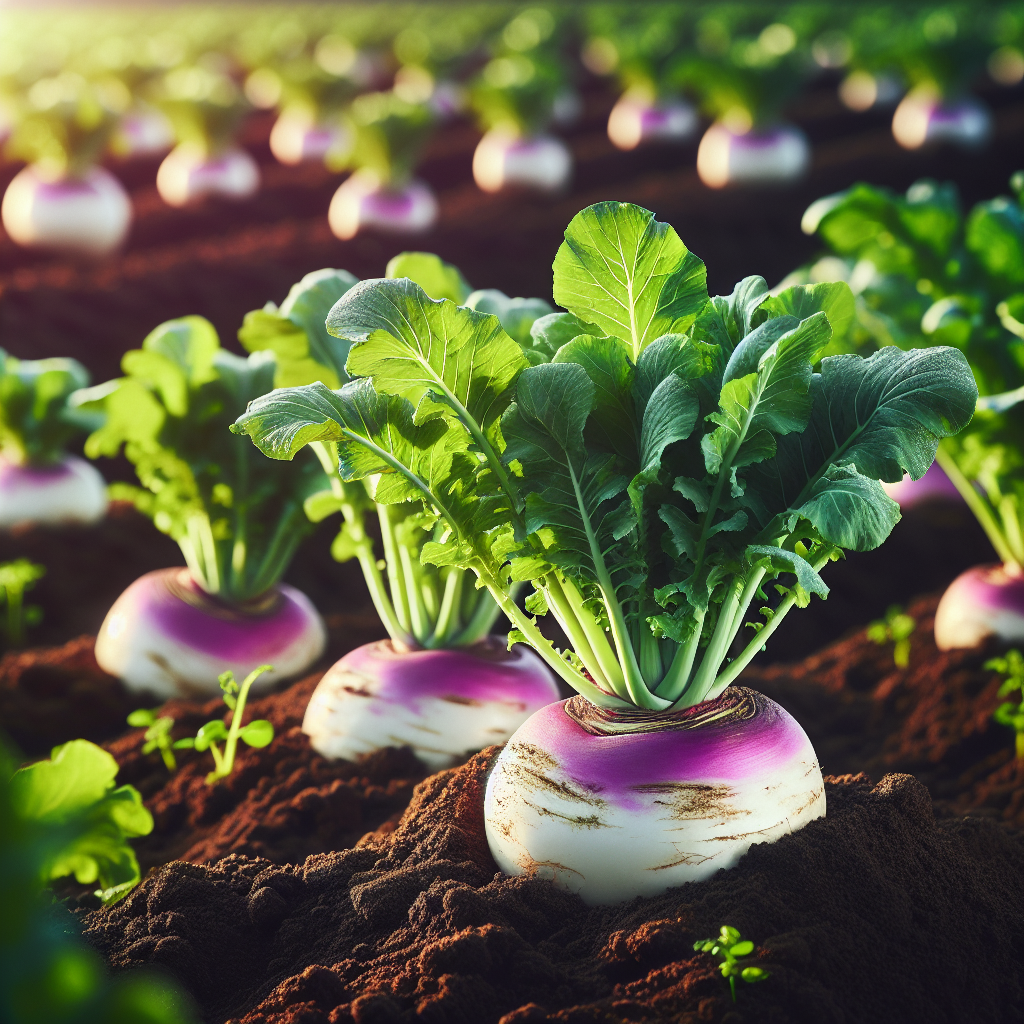
Purple Top White Globe Turnip
Purple Top White Globe Turnip is a classic cool-season root crop prized for its round white roots with distinctive purple shoulders and its nutritious edible greens. Fast to mature, adaptable, and reliable in home gardens and market plots, it performs best in fertile, moisture-consistent soils and cool weather that encourages mild, crisp roots rather than woody, pungent bulbs.
View Guide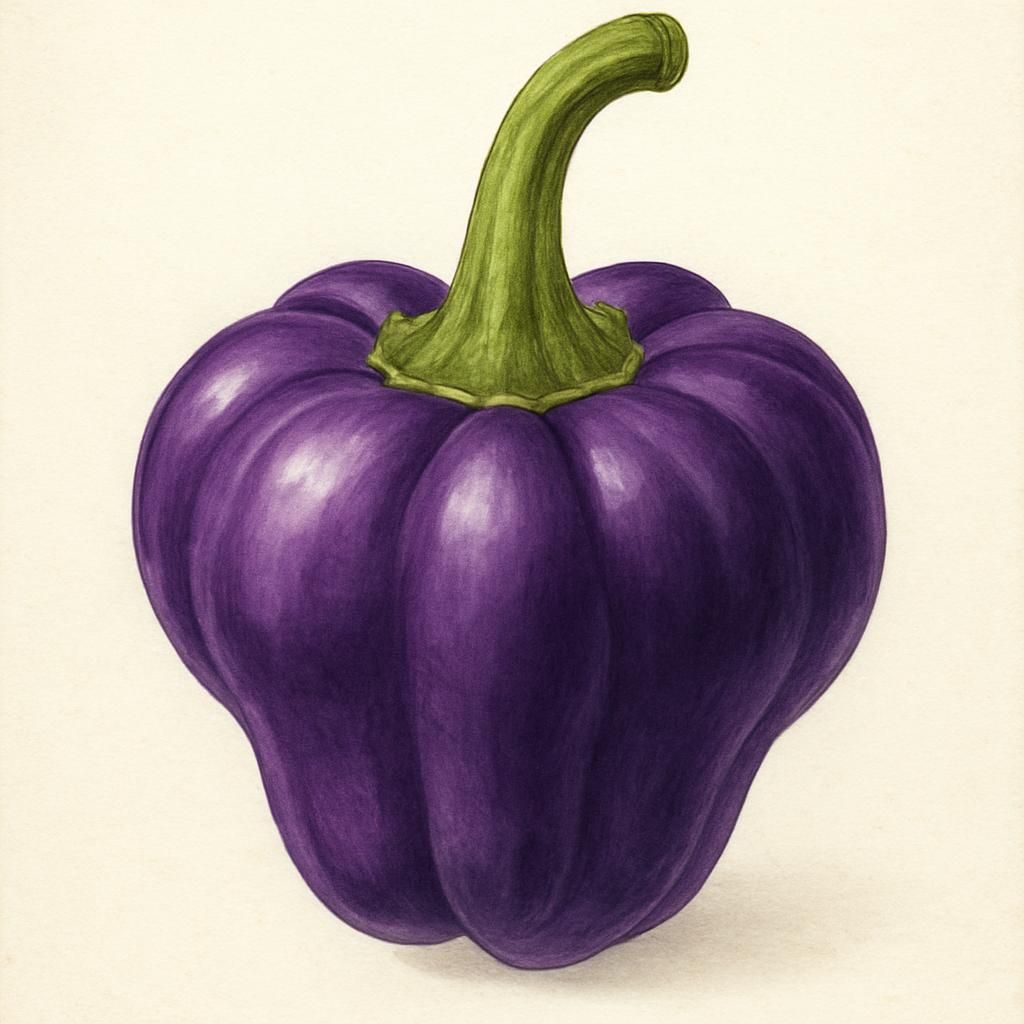
Purple UFO Pepper
The Purple UFO Pepper is a unique, heirloom variety known for its vibrant purple color and UFO-like shape. It offers a mildly hot flavor, making it a popular choice for culinary enthusiasts seeking to add a splash of color and heat to their dishes.
View Guide
Purple Wheat
Purple wheat is a pigmented bread wheat distinguished by deep purple bran layers rich in anthocyanins, valued for both grain quality and functional nutrition. It is grown much like conventional wheat, but premium results depend on careful fertility management, disease prevention, and harvest timing to preserve grain color, test weight, and milling quality.
View Guide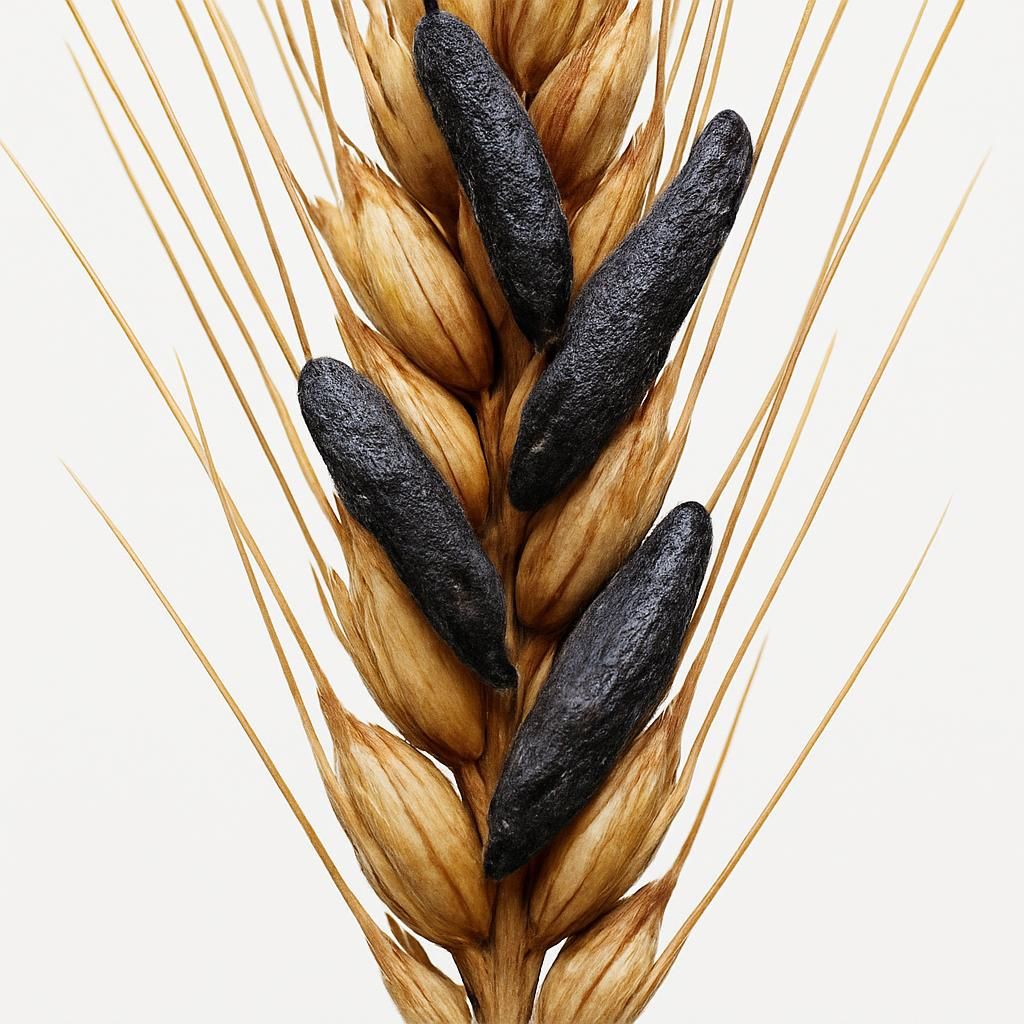
purpurea
Claviceps purpurea, commonly known as ergot, is a destructive fungal pathogen affecting cereal crops. It produces toxic sclerotia that contaminate grain and pose serious risks to livestock and human health. Effective management requires integrated cultural, mechanical, and chemical strategies.
View Profile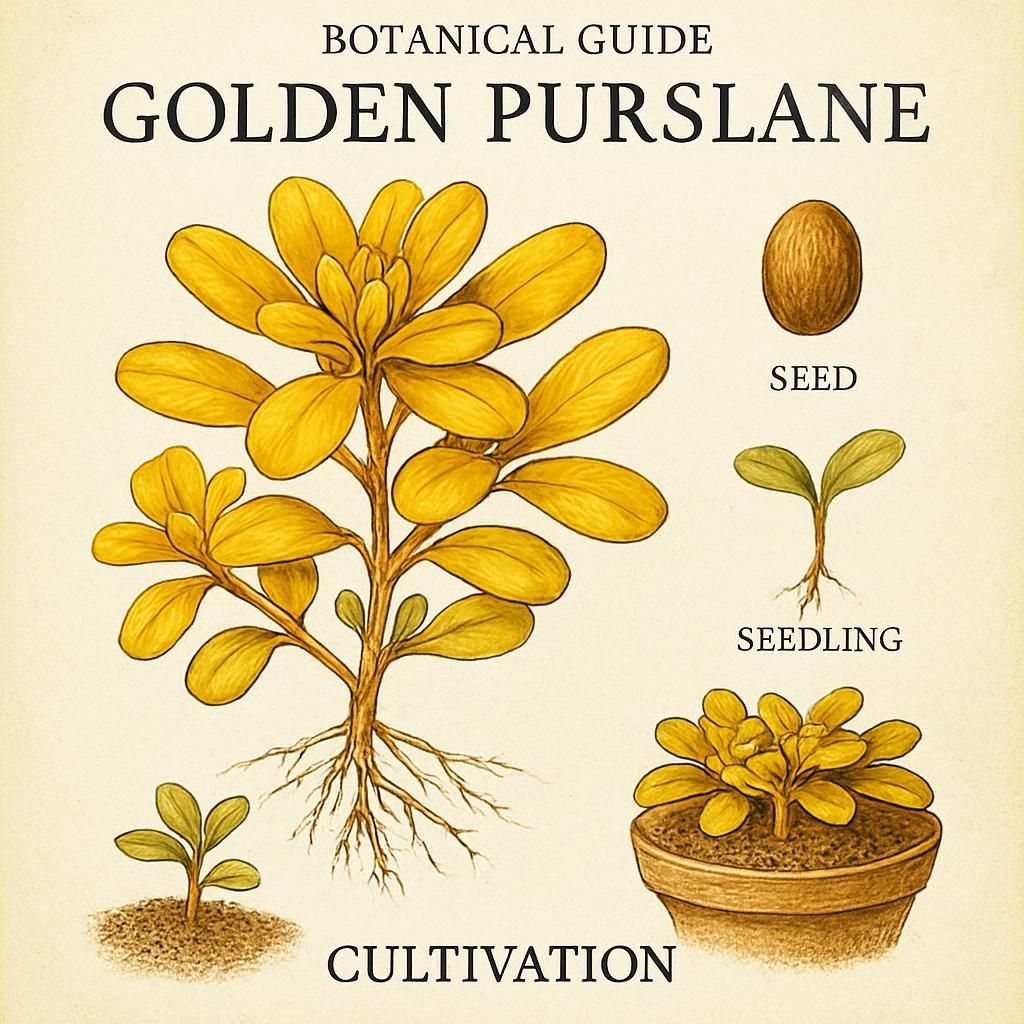
Purslane (Golden)
Golden Purslane is a nutritious and drought-tolerant leafy green, known for its bright, tangy leaves. It thrives in warm climates and is often used in salads, stews, and as a garnish.
View Guide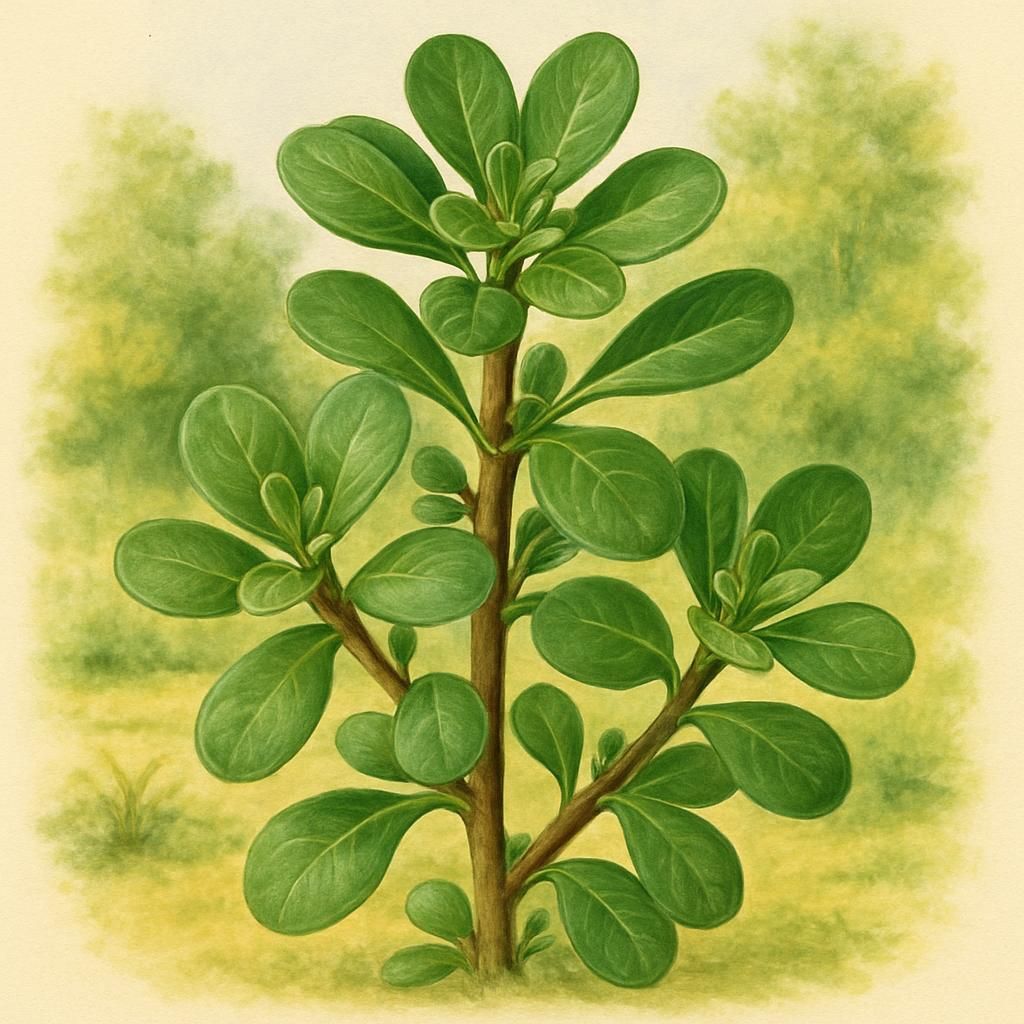
Purslane (Grüne)
Purslane (Grüne) is a succulent annual herb known for its fleshy leaves, high nutritional value, and adaptability to various soil conditions. It's ideal for both home gardens and agricultural cultivation due to its drought tolerance and rapid growth.
View Guide
PVY
Potato virus Y (PVY) is a highly destructive potyvirus that causes mosaic symptoms, necrosis, and yield losses in solanaceous crops like potato and tomato. Transmitted primarily by aphids in a non-persistent manner, it spreads rapidly in warm conditions. Effective management relies on certified seed, vector control, and resistant varieties.
View Profile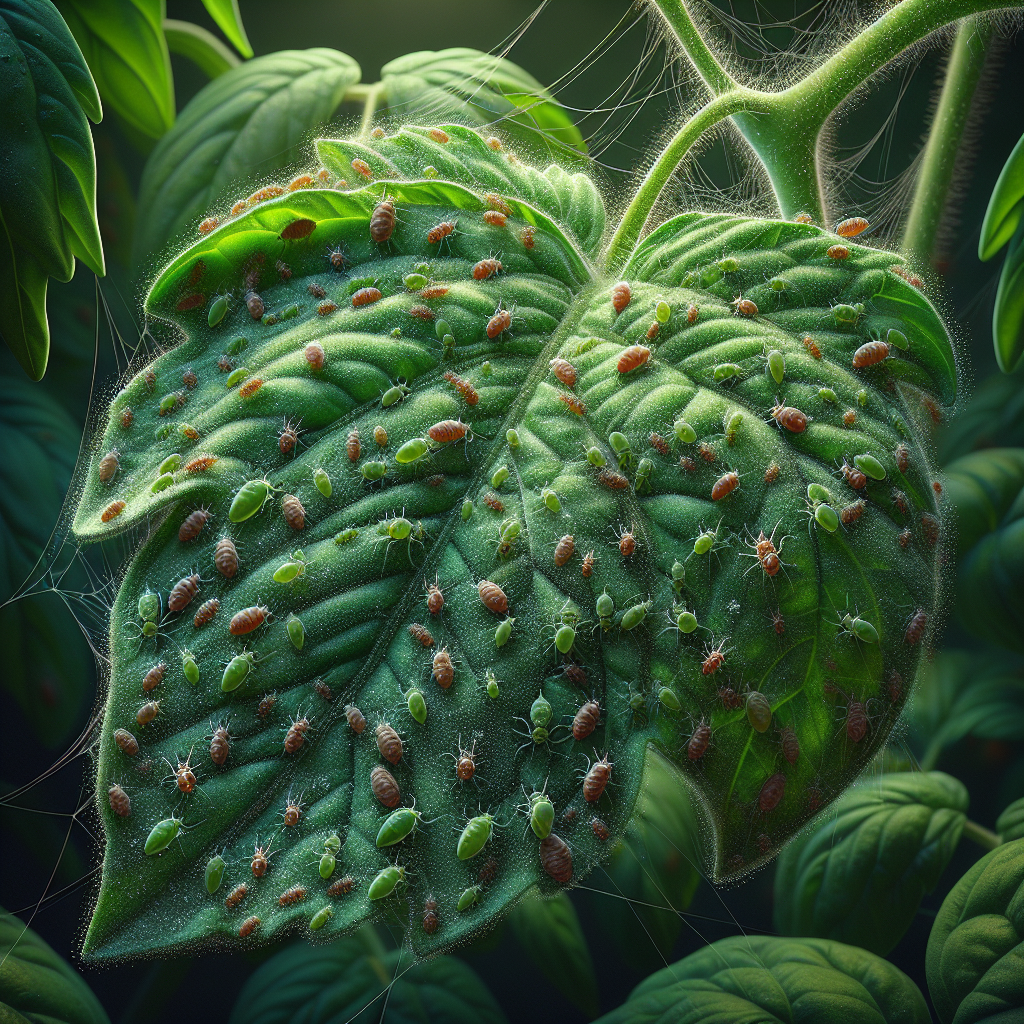
Pyrethroids
Pyrethroids represent a critical class of synthetic insecticides widely used in agriculture to combat pests like aphids and spider mites, mimicking natural pyrethrins from chrysanthemum flowers. While highly effective for rapid pest knockdown, their overuse has led to resistance issues and environmental concerns in crops such as cotton and tomatoes. This guide provides diagnostic signs of pyrethroid reliance, management strategies focusing on rotation and organic alternatives, and prevention tactics for sustainable farming.
View Profile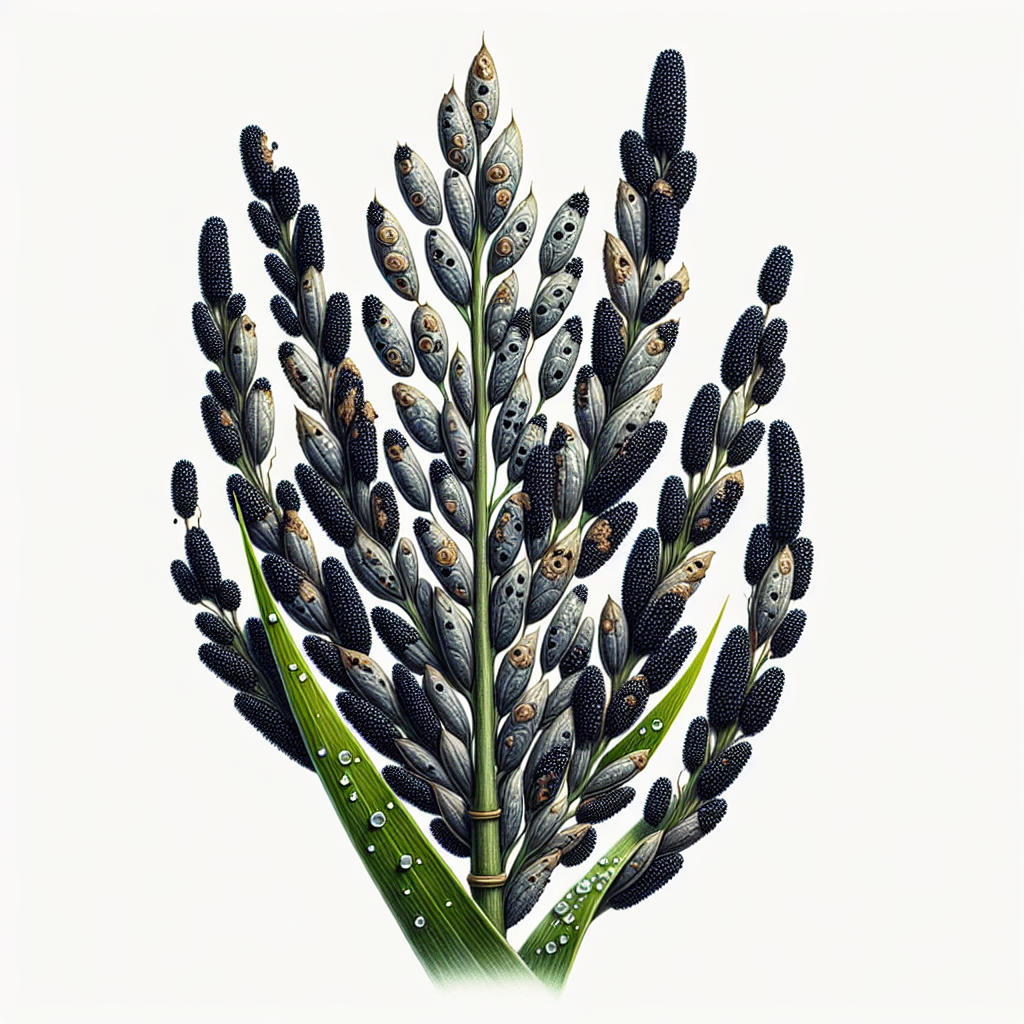
Pyricularia
Pyricularia is a destructive fungal pathogen causing blast disease in grasses and cereals, leading to significant yield losses in rice and other crops. Recognizable by diamond-shaped lesions with gray-white centers and dark borders, it thrives in warm, humid conditions. Effective management combines resistant varieties, cultural practices, and organic fungicides for sustainable control.
View Profile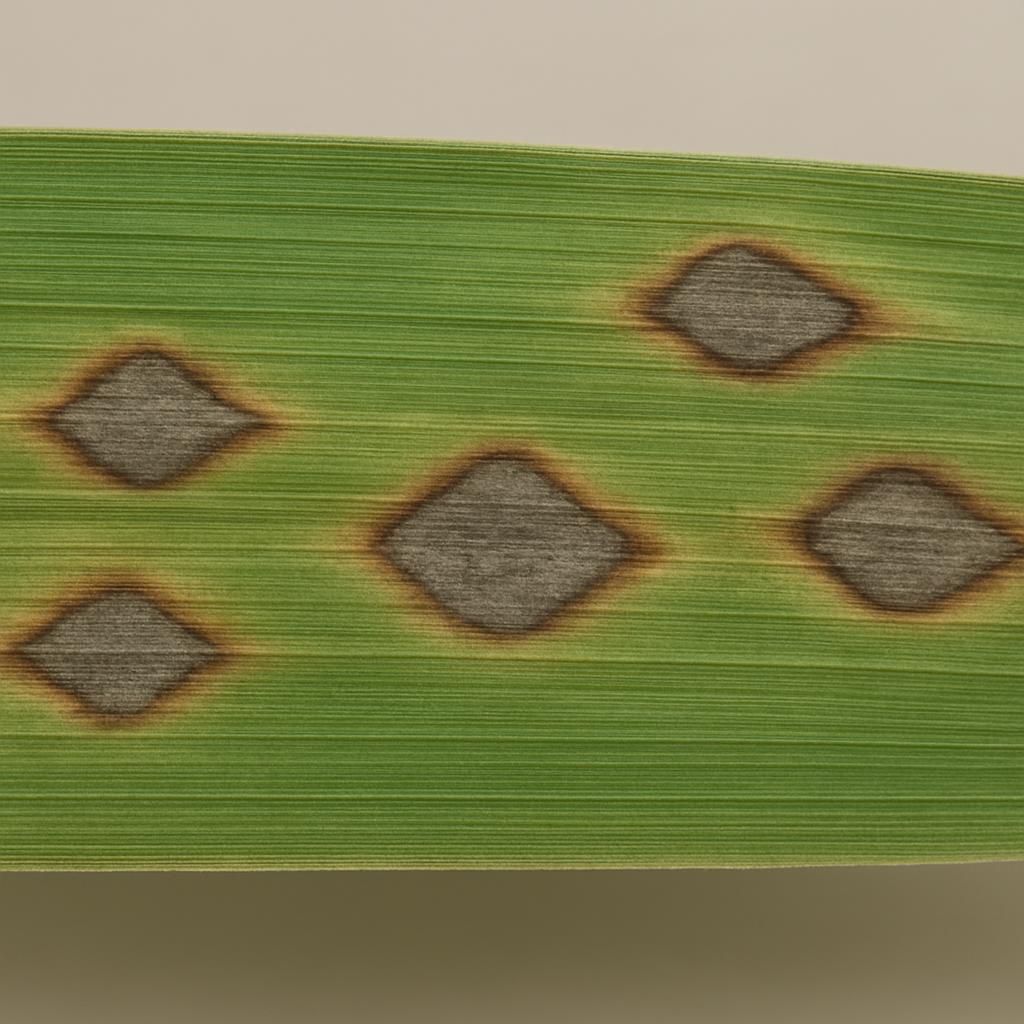
Pyricularia grisea
Pyricularia grisea is a destructive fungal pathogen primarily responsible for rice blast disease, causing severe yield losses in rice and other cereal crops worldwide. Effective diagnosis and integrated management are essential to protect vulnerable crops and maintain productivity in affected regions.
View Profile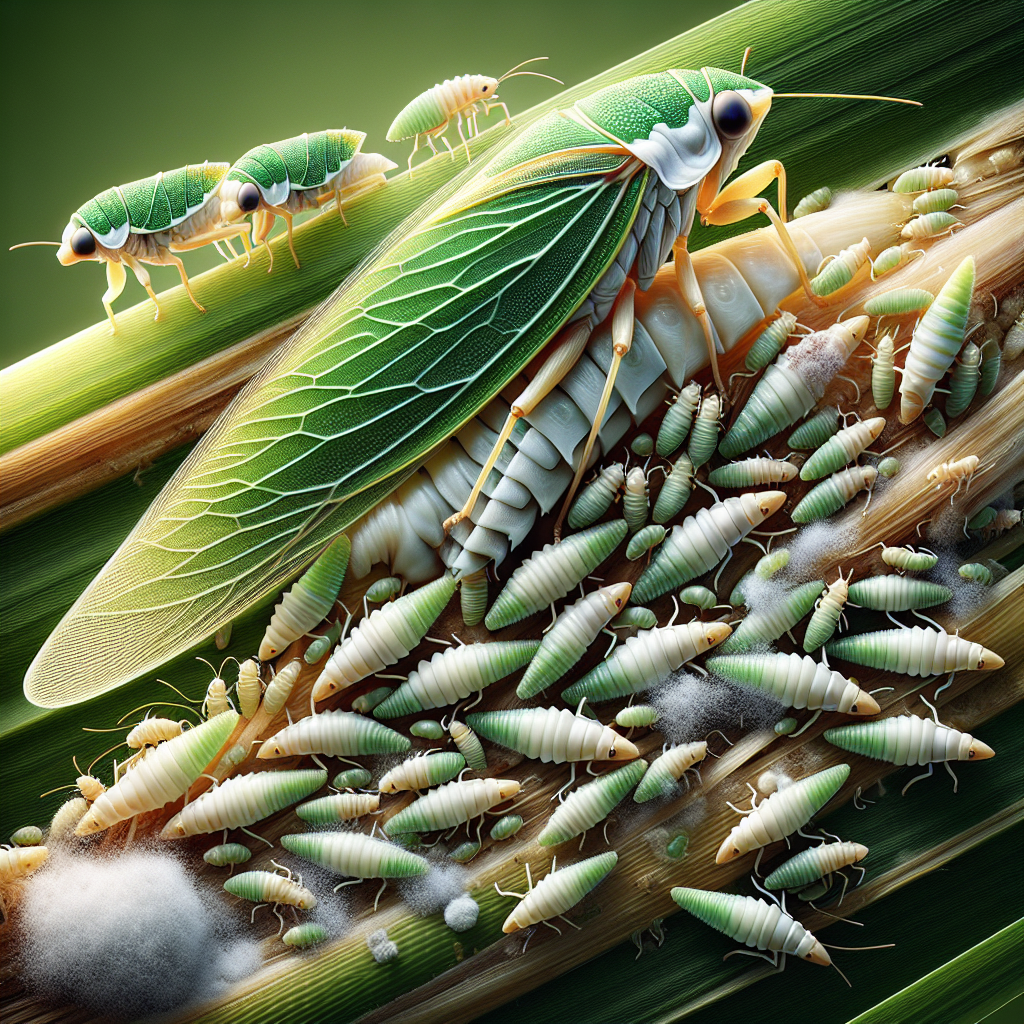
Pyrilla leafhopper
The Pyrilla leafhopper (Pyrilla perpusilla) is a major sap-sucking pest primarily affecting sugarcane and rice crops in tropical Asia. It causes direct feeding damage, transmits sooty mold, and leads to significant yield losses through honeydew excretion and stunting. Effective management combines cultural practices, biological controls, and organic treatments for sustainable control.
View Profile
Pythium
Pythium is a highly destructive oomycete pathogen causing root rot, damping-off, and blight in a wide range of crops, thriving in wet, poorly drained soils. It rapidly kills seedlings and stresses mature plants by destroying root systems, leading to stunted growth and yield losses up to 100% in severe cases. Effective management relies on cultural practices, sanitation, and organic biocontrols to prevent outbreaks.
View Profile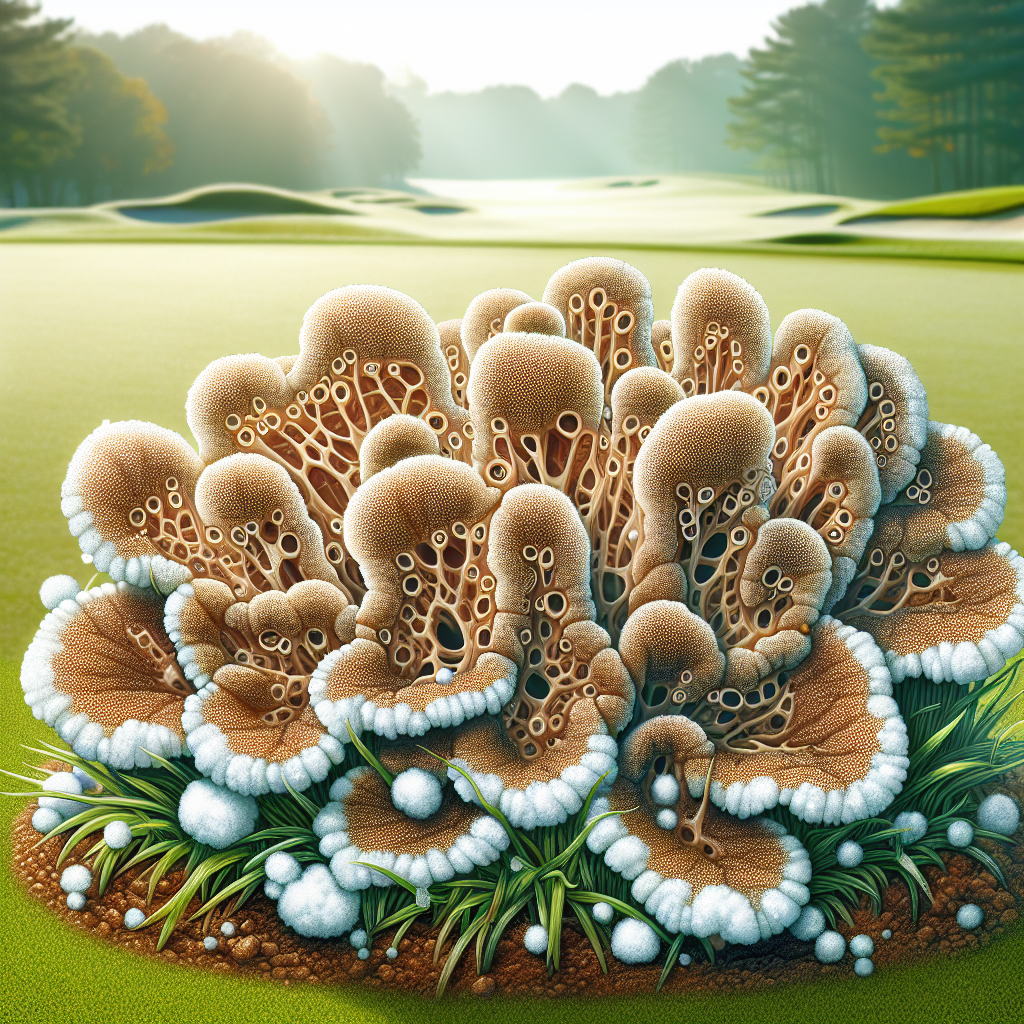
Pythium blight
Pythium blight is a fast-spreading fungal-like disease caused by Pythium species that thrives in warm, wet conditions, devastating turfgrasses and certain crops by producing cottony mycelium and greasy lesions. It spreads rapidly via water splash and contaminated equipment, leading to rapid plant death if unmanaged. Effective control relies on cultural practices, organic fungicides, and prevention through proper drainage and moisture management.
View Profile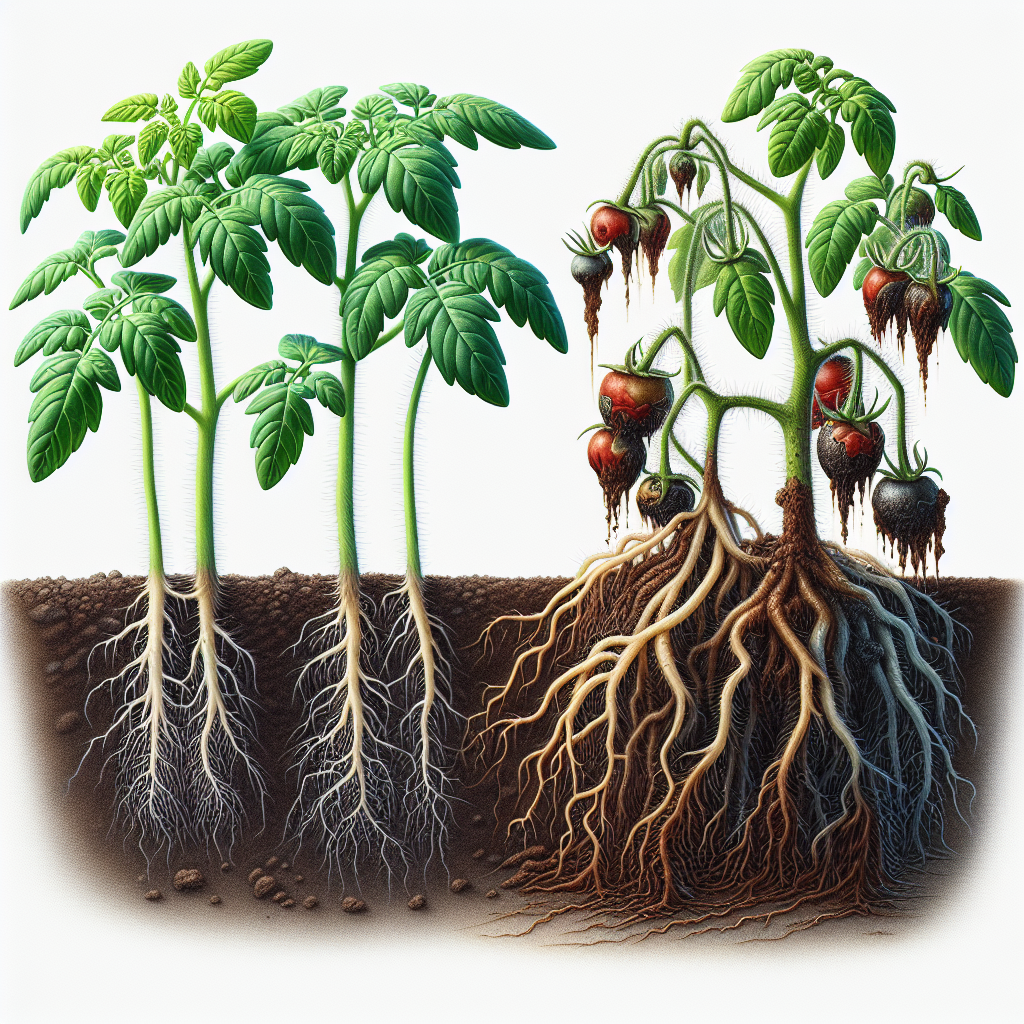
Pythium damping-off
Pythium damping-off is a devastating soil-borne fungal disease that primarily affects seedlings and young plants, causing rapid collapse and death. Caused by various Pythium species, it thrives in overly wet, poorly drained conditions and can wipe out entire nursery beds overnight. Effective management relies on cultural practices, sanitation, and preventive measures to minimize losses in agriculture.
View Profile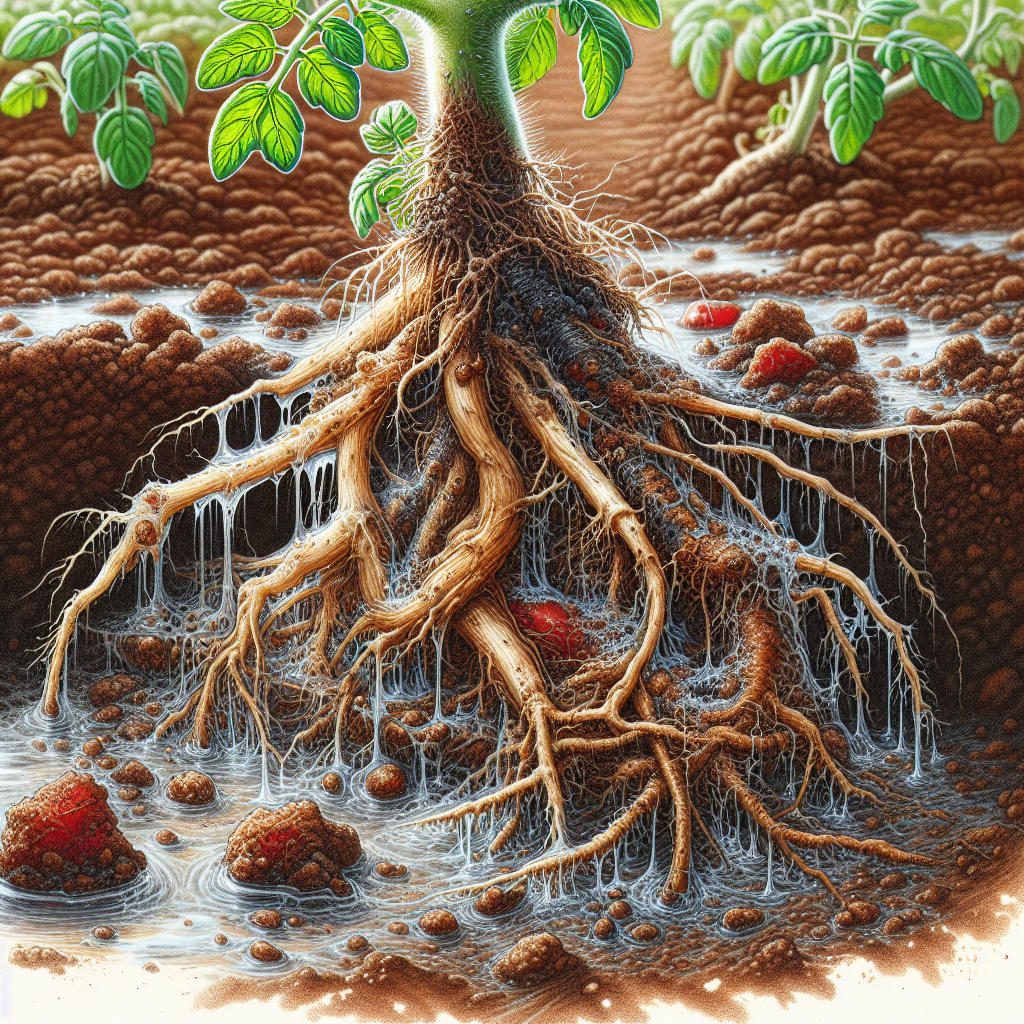
Pythium root rot
Pythium root rot is a devastating soilborne fungal disease caused by Pythium species that thrives in wet, poorly drained conditions, leading to rapid root decay and plant collapse. It primarily affects seedlings and young plants but can impact mature crops, causing stunted growth, wilting, and yield losses up to 50% in severe cases. Effective management relies on cultural practices, sanitation, and organic biocontrols to prevent outbreaks.
View Profile
Pythium rot
Pythium rot is a devastating water mold disease caused by Pythium species that attacks plant roots, crowns, and stems, leading to rapid wilting and plant death under wet conditions. It primarily affects seedlings and young plants but can strike mature crops in poorly drained soils. Effective management relies on cultural practices, sanitation, and organic biocontrols to prevent outbreaks.
View Profile
Pythium species
Pythium species are oomycete pathogens causing devastating root rot, damping-off, and seedling blights in crops worldwide. Thriving in saturated soils, they rapidly infect roots leading to wilting and plant death. Effective management relies on cultural practices, sanitation, and organic biocontrols to prevent outbreaks.
View Profile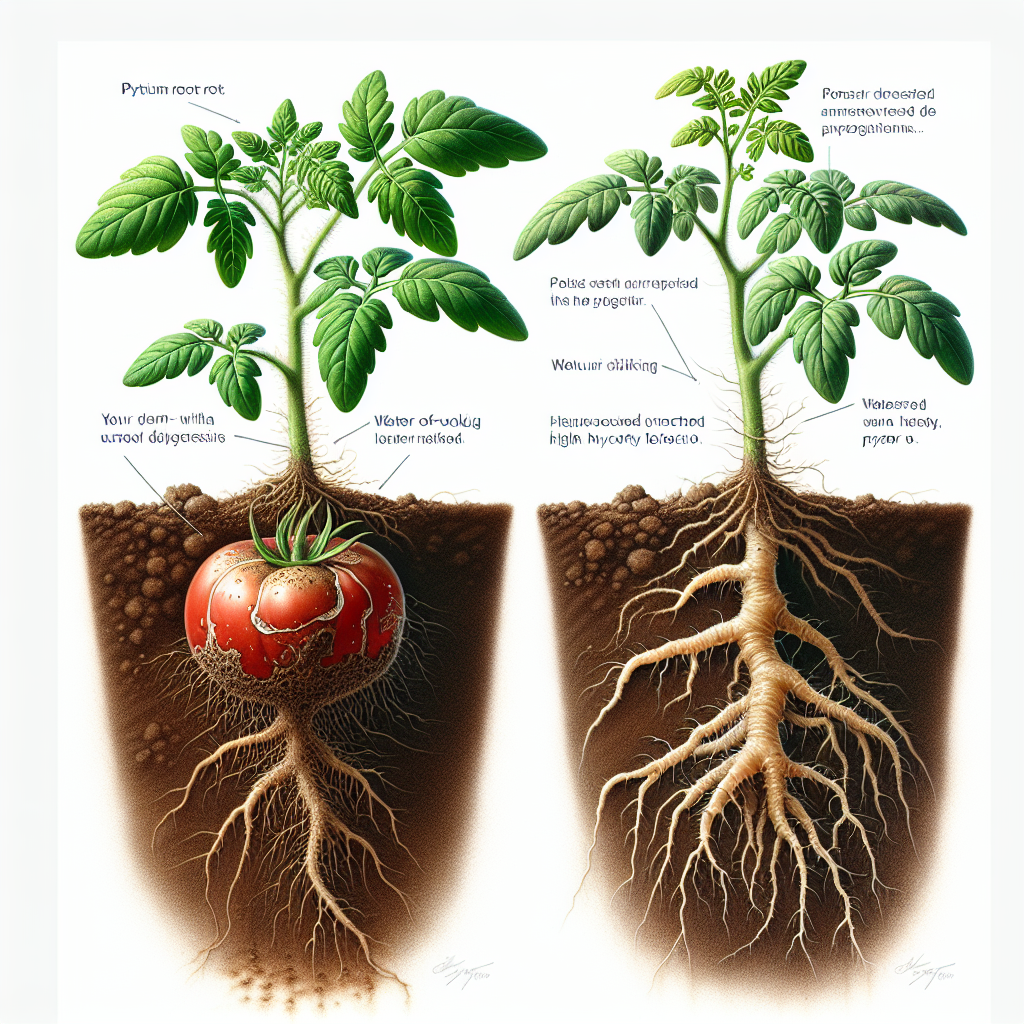
Pythium spp.
Pythium spp. is a genus of oomycete pathogens causing devastating root rot, damping-off, and seedling blights in crops worldwide. Thriving in saturated, cool soils, it rapidly kills young plants and stresses mature ones through root destruction. Effective management relies on cultural practices, sanitation, and targeted organic treatments to prevent outbreaks.
View Profile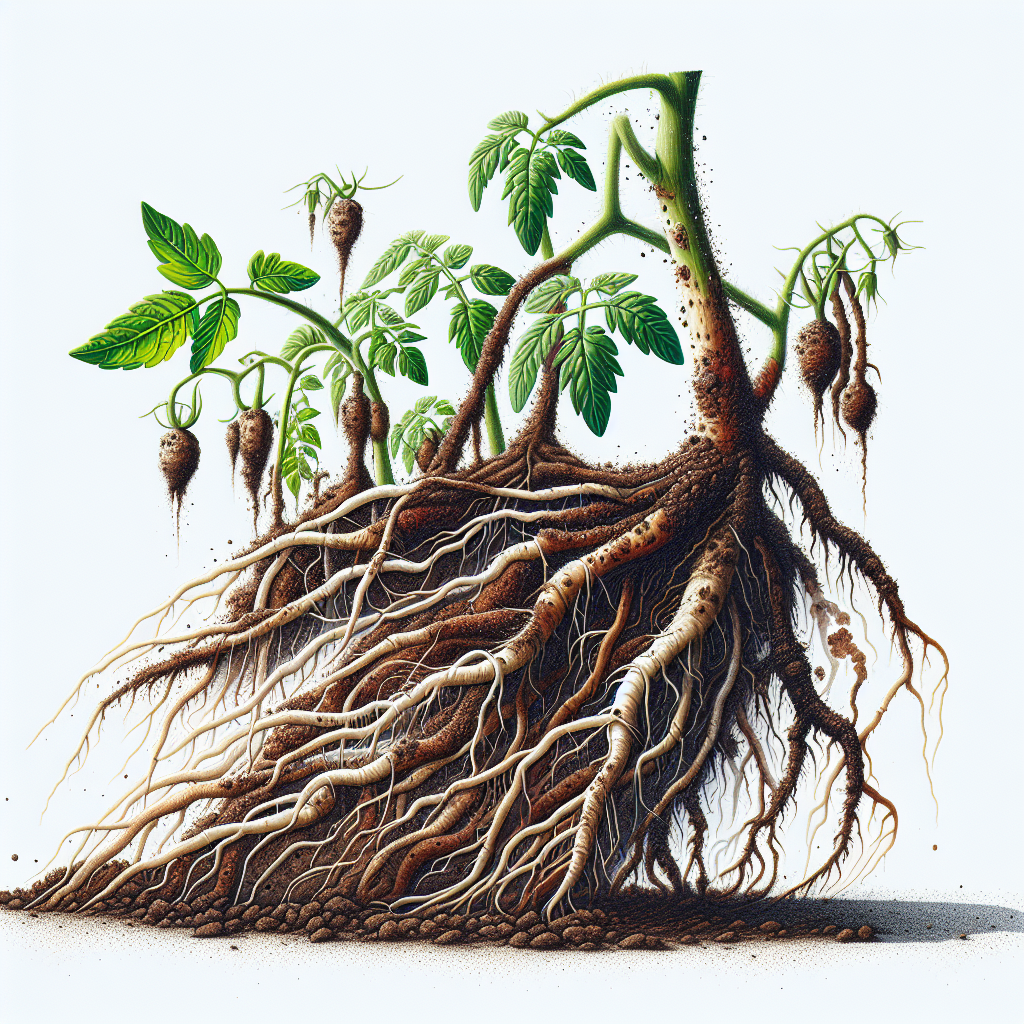
Pythium-related root problems
Pythium-related root problems are devastating oomycete infections causing root rot, damping-off, and plant decline in overly wet conditions. These soilborne pathogens thrive in saturated soils, leading to rapid crop losses if not managed properly. Early detection and cultural controls are key to minimizing damage across susceptible crops.
View Profile
Quahog Parasite Unknown (QPX)
Quahog Parasite Unknown (QPX) is a lethal protist pathogen primarily affecting hard clams (Mercenaria mercenaria) in marine aquaculture and wild populations along the northeastern U.S. coast. It causes extensive tissue necrosis, reduced growth, and high mortality rates in infected shellfish beds. Effective management relies on early detection, environmental monitoring, and strict biosecurity protocols.
View Profile
Queen Victoria Pineapple
Queen Victoria Pineapple is a premium small-fruited pineapple of the Queen group, prized for its exceptionally sweet, aromatic flesh and fine texture. It is well suited to tropical and warm subtropical production, especially in well-drained soils where careful moisture management, balanced nutrition, and clean propagation practices can produce highly marketable fruit.
View Guide
Quercus rubra
Quercus rubra, commonly known as northern red oak, is a fast-growing deciduous hardwood prized for its straight trunk, vibrant fall foliage, and durable timber. This guide details professional-grade soil preparation, planting, care, and integrated pest management for sustainable production of high-value northern red oak.
View Guide
Quick wilt
Quick wilt is a devastating bacterial disease causing rapid vascular wilting and plant collapse, primarily in warm, humid environments. It infects through roots, blocking water flow and leading to sudden death within days. Effective management relies on prevention, sanitation, and resistant varieties.
View Profile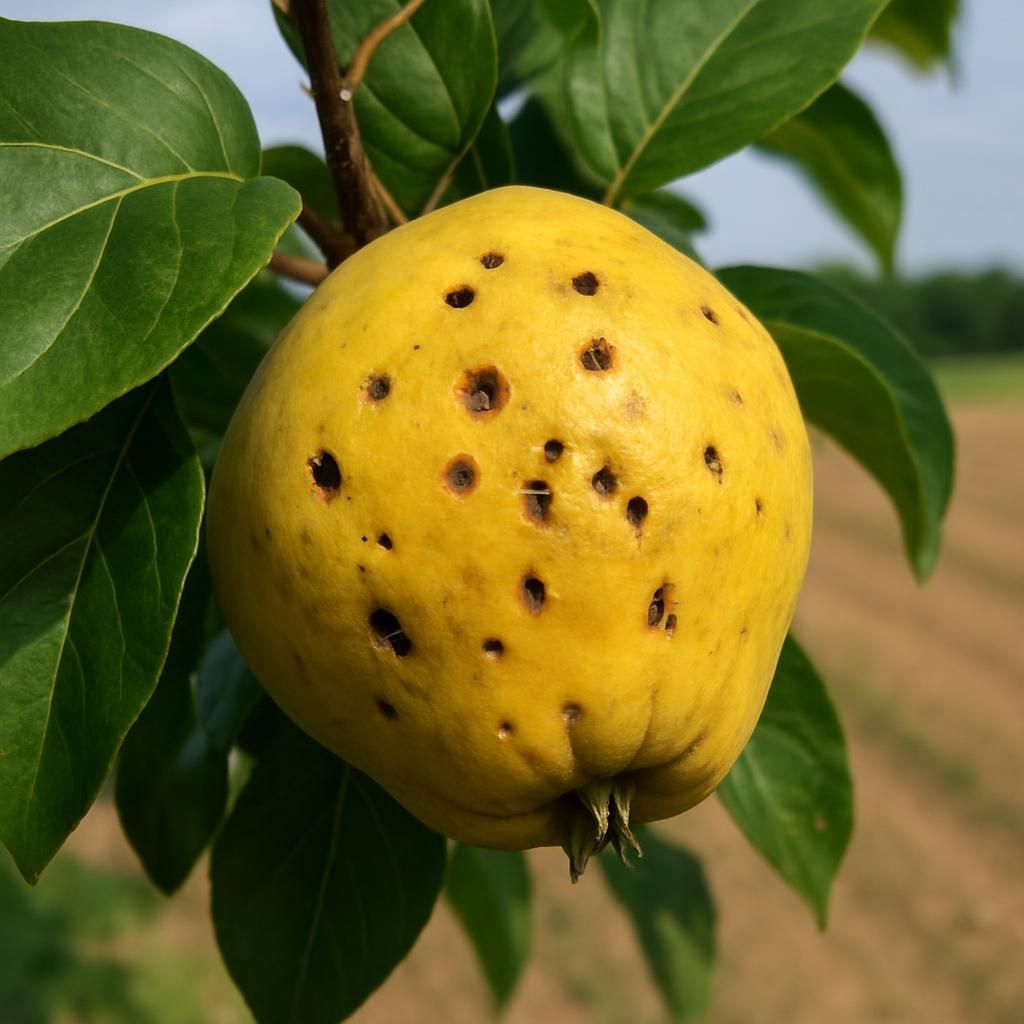
quince
Quince is a woody perennial fruit tree notorious for becoming an invasive pest in unmanaged landscapes, aggressively spreading via suckers and seeds while outcompeting native vegetation. Native to Central Asia, it thrives in temperate climates and can form dense thickets that disrupt ecosystems and agricultural fields. This guide provides comprehensive diagnostics, lifecycle insights, organic management strategies, and prevention tactics for controlling quince infestations.
View Guide