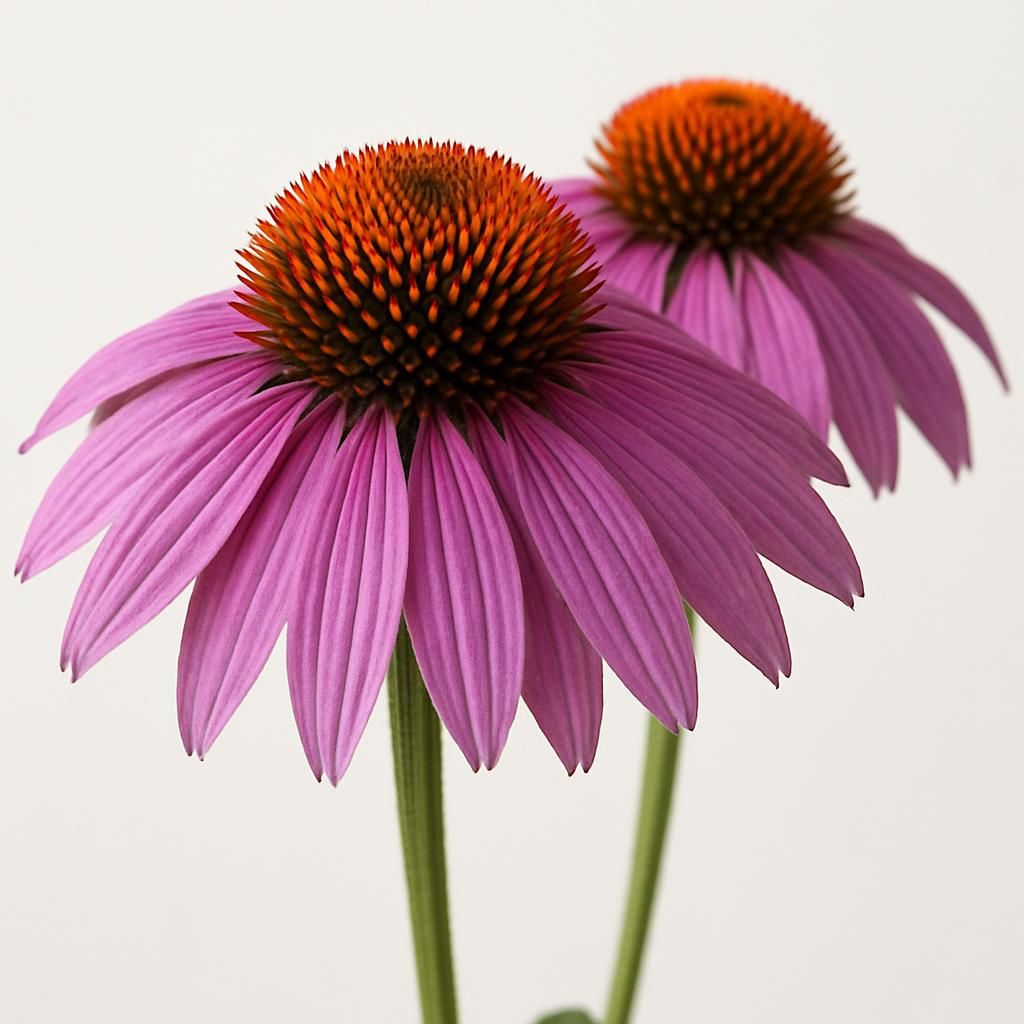
Introduction to Purple Coneflower
Purple Coneflower, scientifically known as Echinacea purpurea, stands as one of the most valued herbaceous perennials in both ornamental landscaping and medicinal herb production. Native to the central and eastern United States, this robust member of the Asteraceae family produces distinctive purple-pink ray florets surrounding a prominent central cone. Beyond its striking visual appeal, Purple Coneflower has earned global recognition for its immune-supporting properties, driving demand among small-scale growers and commercial herb producers alike.
Professional growers appreciate Purple Coneflower for its exceptional hardiness, low maintenance requirements, and ability to thrive across USDA zones 3–9. The plant typically reaches 2–5 feet in height with a 1–2 foot spread, making it suitable for both field production and intensive raised-bed systems. Its deep taproot system contributes to soil stabilization while attracting beneficial pollinators such as bees, butterflies, and hummingbirds. With proper site selection and cultural practices, established plantings can remain productive for 5–10 years.
This definitive growing guide delivers professional-grade agricultural advice covering every stage of cultivation—from soil preparation and propagation through harvesting, curing, and storage. Emphasis is placed on sustainable, organic methods that maximize both yield quality and long-term plant health.
Botanical Profile of Purple Coneflower
Echinacea purpurea exhibits a clumping growth habit with sturdy, upright stems arising from a woody caudex and fibrous root system. The lanceolate to ovate leaves are dark green, rough-textured, and arranged alternately along the stem. Mature plants produce solitary flower heads 3–4 inches across, featuring 8–21 drooping ray florets in shades of pinkish-purple and a central disk that transitions from orange to deep bronze as seeds mature.
The species is tetraploid (2n = 4x = 44) and readily hybridizes with other Echinacea species, resulting in numerous commercial cultivars selected for flower color, stem strength, and disease resistance. Key botanical traits include a deep taproot capable of accessing subsoil moisture and a prolonged bloom period from mid-summer through early autumn when deadheaded regularly.
Soil, pH, and Climate Requirements for Purple Coneflower
Successful cultivation begins with matching site conditions to the plant’s native prairie habitat. Purple Coneflower performs best in well-drained loamy or sandy loam soils with moderate fertility. Heavy clay soils should be amended with organic matter to improve drainage and prevent root rot. The following table summarizes ideal growing parameters:
| Parameter | Ideal Range | Notes |
|---|---|---|
| Soil Type | Loamy, sandy loam | Avoid heavy clay without amendment |
| Soil pH | 6.0–7.0 | Slightly acidic to neutral |
| Organic Matter | 3–5% | Compost or well-rotted manure |
| Drainage | Excellent | Raised beds recommended in wet climates |
| USDA Hardiness Zones | 3–9 | Extremely cold hardy |
| Temperature Range | 15°F–85°F (-9°C–29°C) | Tolerates heat and light frost |
| Sunlight | Full sun (6+ hours) | Tolerates light afternoon shade |
| Annual Rainfall | 15–30 inches (supplement as needed) | Drought tolerant once established |
Step-by-Step Planting & Propagation
Purple Coneflower can be established from seed, division, or container-grown transplants. Direct seeding is most economical for large plantings, while division offers faster establishment for smaller operations.
Seed Propagation: Sow seeds directly outdoors in early spring after the last frost or start indoors 8–10 weeks prior. Cold stratification for 4–6 weeks at 35–40°F improves germination rates to 70–85%. Plant seeds 1/8 inch deep in well-prepared seedbeds, spacing rows 18–24 inches apart. Thin seedlings to 12–18 inches within rows once they reach 4 inches tall.
Division: Divide established clumps in early spring or fall every 3–4 years. Dig the entire root mass, separate healthy divisions with at least two growing points and a portion of the taproot, and replant immediately at the same depth. Water thoroughly after transplanting.
Transplants: Space nursery starts 12–18 inches apart in prepared beds. Set plants at the same depth they occupied in containers and firm soil around roots to eliminate air pockets.
Care & Maintenance regimes for Purple Coneflower
Consistent cultural practices ensure vigorous growth and prolonged flowering. The table below outlines recommended schedules for irrigation, fertilization, and pruning:
| Growth Stage | Watering Schedule | Fertilizer Application | Pruning & Maintenance |
|---|---|---|---|
| Establishment (Year 1) | 1 inch/week; keep evenly moist | 1–2 lbs balanced organic fertilizer per 100 sq ft at planting | Remove spent blooms to encourage rebloom |
| Vegetative Growth | Deep water every 7–10 days | Side-dress with compost tea mid-season | Cut back 1/3 of foliage if leggy |
| Flowering | Reduce to 0.5 inch/week | Avoid high-nitrogen fertilizers | Deadhead regularly; cut to basal leaves |
| Dormancy (Fall) | Withhold water once foliage dies | Apply 2–3 inches compost mulch | Cut stems to 2–3 inches above ground |
Mulching with 2–3 inches of organic material conserves moisture, suppresses weeds, and moderates soil temperature. Avoid over-fertilization, which promotes weak, floppy growth.
Pests, Diseases & Organic Management
Purple Coneflower is generally resistant to most pests but can occasionally suffer from Aphids, Japanese beetles, and Spider mites. Monitor plants weekly and employ integrated pest management strategies.
Common diseases include Powdery mildew, Botrytis, and root rots caused by overly wet soils. Improve air circulation by proper spacing and avoid overhead irrigation. Organic controls include neem oil sprays for insects and sulfur-based fungicides for mildew. Beneficial insects such as lady beetles and lacewings provide natural aphid suppression.
Harvesting, Curing & Optimal Storage
Harvest aerial parts (flowers and leaves) at peak bloom for fresh or dried use. Cut stems just above a leaf node in early morning. For root harvest, dig 3–4 year old plants in fall after the first frost. Wash roots thoroughly, slice lengthwise, and dry at 95–105°F until brittle. Store dried material in airtight glass containers away from light and heat. Properly cured roots and flowers retain potency for 12–18 months.
Companion Planting for Purple Coneflower
Purple Coneflower pairs well with other prairie natives and beneficial insect attractors. Recommended companions include Yarrow, Nasturtium, and Marigold. These combinations enhance biodiversity, improve pollination, and reduce pest pressure. Avoid planting near heavy feeders that may compete for nutrients. Summer Companion Planting: 10 Organic Pairings to Boost Small Farm Resilience offers additional strategies for integrating Purple Coneflower into diverse polycultures.