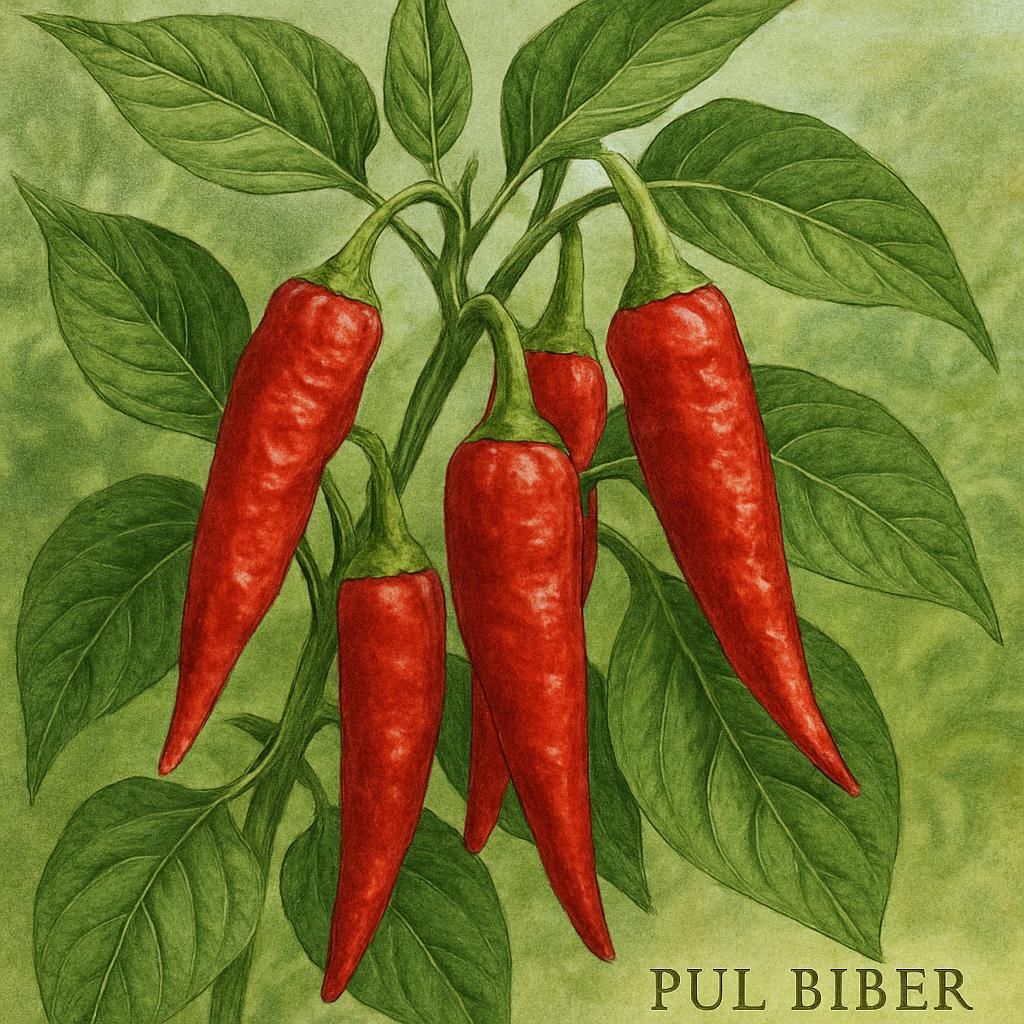
Introduction to Pul Biber
Pul Biber, commonly referred to as 'Aleppo pepper', is a vibrant spice originating from the Turkish city of Aleppo. Known for its moderate heat and unique fruity undertones, Pul Biber is an essential component of Middle Eastern culinary traditions. Its bright red flakes not only add flavor but also a visual appeal to dishes.
Botanical Profile of Pul Biber
Pul Biber, scientifically recognized as Capsicum annuum, belongs to the Nightshade family (Solanaceae). This pepper variety primarily thrives in regions with warm climates and has a growing habit similar to other chili peppers. It is renowned for its slightly wrinkled appearance and deep red hue when fully ripened.
Soil, pH, and Climate Requirements for Pul Biber
To ensure the successful growth of Pul Biber, it is vital to meet its specific soil and climatic needs. Below is a table outlining the ideal conditions for Pul Biber cultivation:
| Condition | Ideal Requirements |
|---|---|
| Soil Type | Well-drained, sandy loam |
| Soil pH | 6.0 - 6.8 |
| Sunlight | Full sun (6-8 hours per day) |
| Temperature | 20°C - 30°C (68°F - 86°F) |
| Humidity | Moderate |
Step-by-Step Planting & Propagation
Planting
- Seed Selection: Choose high-quality seeds from a trusted supplier to ensure robust germination.
- Soil Preparation: Prepare the soil two weeks prior to planting. Incorporate organic matter to improve drainage and fertility.
- Sowing: Sow seeds indoors about 8-10 weeks before the last frost date. Use seed trays filled with potting mix specifically formulated for peppers.
- Transplanting: Once seedlings have grown 2-3 true leaves, and after the last frost, transplant them outdoors. Ensure to harden off the plants by gradually introducing them to outdoor conditions over a week.
- Spacing: Space plants about 45-60 cm (18-24 inches) apart to ensure adequate airflow and light penetration.
Propagation
Pul Biber can also be propagated through cuttings taken from healthy plants. Using a sharp, sterilized tool, cut a healthy stem below a leaf node. Plant the cutting in a rooting medium and maintain consistent moisture levels until roots develop.
Care & Maintenance Regimes for Pul Biber
Proper care and maintenance significantly contribute to the successful cultivation of Pul Biber. Refer to the table below for an overview of the water, fertilizer, and pruning schedules.
| Care Aspect | Recommendations |
|---|---|
| Watering | Water regularly to keep the soil moist but not waterlogged. Allow the top 1-2 inches of soil to dry out between waterings. |
| Fertilization | Apply a balanced 10-10-10 NPK fertilizer every 4-6 weeks. Compost or well-rotted manure can also be used as an organic alternative. |
| Pruning | Remove any dead or diseased leaves. Pruning to shape the plant is optional. |
Pests, Diseases & Organic Management
Pul Biber can be affected by pests and diseases such as Aphids, Spider Mites, and Powdery Mildew. Organic management strategies include:
- Introducing beneficial insects like ladybugs that prey on aphids.
- Regularly monitoring plants and using neem oil to deter mites and other soft-bodied insects.
- Implementing crop rotation to prevent soil-borne diseases. For further pest management tips, see 7 Summer Pest Traps That Sabotage Small Farm Harvests.
Harvesting, Curing & Optimal Storage
Harvesting
Pul Biber should be harvested when the peppers are fully mature and red. Use scissors or pruning shears to cut the stems to avoid damaging the plant.
Curing
To enhance flavor, dry the peppers by laying them out in a warm, well-ventilated area. Alternatively, use a dehydrator for quicker results.
Storage
Store dried peppers in airtight containers in a cool, dark place to maintain their color and flavor. Ground Pul Biber can be stored similarly, but should be consumed sooner to enjoy maximal freshness.
Companion Planting for Pul Biber
Pul Biber benefits from companion plants that enhance growth and deter pests. Ideal companions include Basil, which is believed to enhance the growth and flavor of peppers. Avoid planting near plants like Fennel, which can compete for nutrients. For more ideas on companion planting, visit Spring Companion Planting: 8 Organic Pairings to Maximize Small Farm Yields.