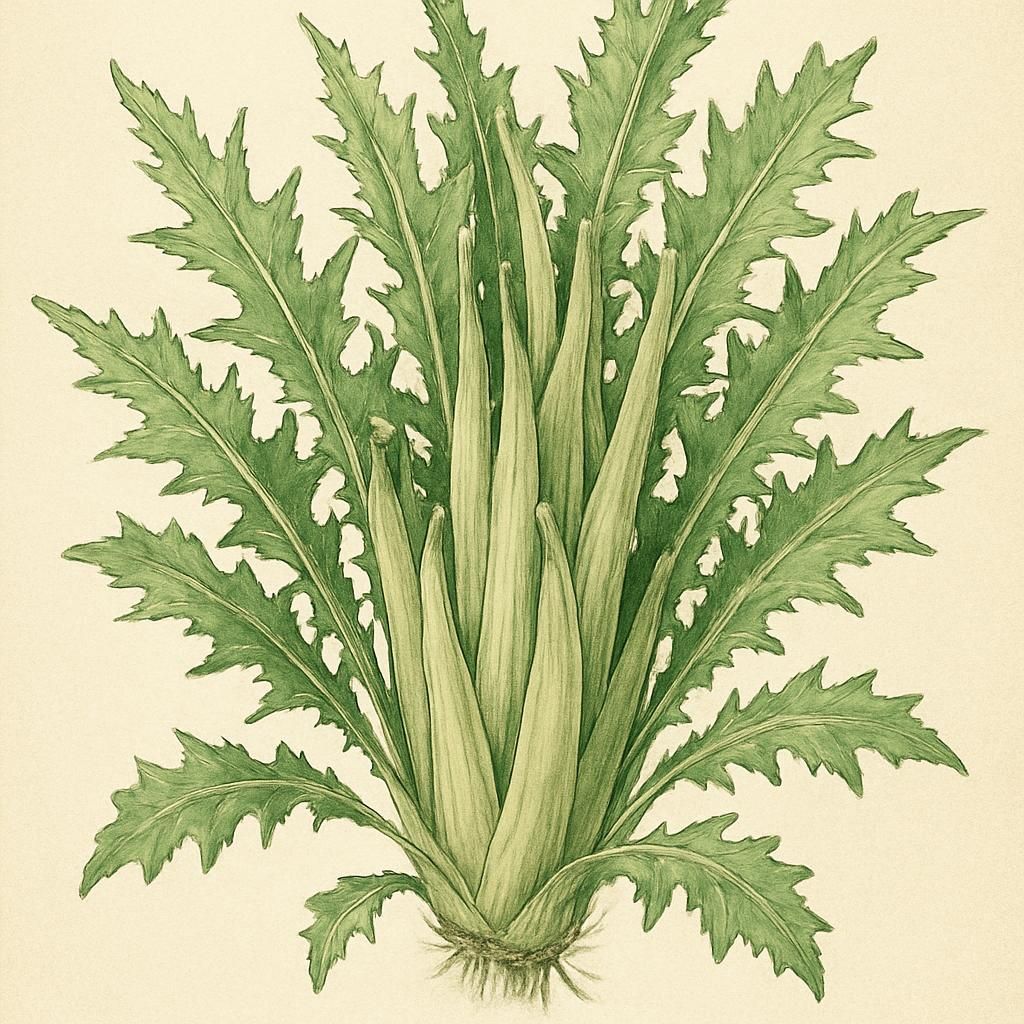
Introduction to Puntarelle (Catalogna Special)
Puntarelle, also known as Catalogna Special, is a distinctive variety of chicory prized within Italian gastronomy. Native to the Mediterranean region, it is especially popular in Rome for its signature crisp and tangy shoots often used in salads. Often planted as a fall or spring crop, Puntarelle thrives in cooler climates, making it an ideal choice for gardens seeking diversity in leafy greens.
Botanical Profile of Puntarelle (Catalogna Special)
Puntarelle (Cichorium intybus var. foliosum) belongs to the Asteraceae family. This perennial plant is characterized by its elongated, serrated green leaves and thick, hollow stems which form the edible shoots. The plant grows to about 30-45 cm in height and requires well-managed cultivation practices to produce the desired tender shoots. The flavor balance of bitterness and sweetness along with its nutrient richness make Puntarelle a gourmet selection.
Soil, pH, and Climate Requirements for Puntarelle (Catalogna Special)
Puntarelle prefers well-draining, fertile soil rich in organic matter. Adequate soil preparation is crucial to ensure healthy growth and development.
| Factor | Ideal Conditions |
|---|---|
| Soil Type | Loamy, well-drained |
| Soil pH | 6.0 - 7.5 |
| Climate | Temperate, cool-moderate |
| Temperature | 10°C - 20°C |
Well-prepared soil and organic matter amendments play pivotal roles in the successful cultivation of Puntarelle. For a more in-depth understanding of soil health management, consider this resource on Fall Soil Revival: 8 Organic Strategies to Rebuild Fertility for Small Farms.
Step-by-Step Planting & Propagation
- Site Selection: Choose a location with full sun to partial shade. Puntarelle prefers cooler temperatures, optimal for spring and fall planting.
- Soil Preparation: Incorporate compost into the soil to enhance fertility. Ensure proper drainage to prevent root rot.
- Sowing: Direct sow seeds at a depth of 1 cm, spaced 15-20 cm apart, in rows 30 cm apart. Alternatively, start seeds indoors 4-6 weeks before the last frost date.
- Transplanting: Harden seedlings before transplanting by acclimatizing them to outdoor conditions over a week.
- Thinning: Once seedlings are established, thin them to ensure proper spacing, which aids in air circulation and reduces pest issues.
Care & Maintenance regimes for Puntarelle (Catalogna Special)
Caring for Puntarelle involves consistent watering, fertilization, and protection from pests and diseases. Proper management is crucial to maintain lush growth and vibrant health.
| Regime | Frequency |
|---|---|
| Watering | Regular, keep soil moist |
| Fertilizer | Every 4-6 weeks, balanced fertilizer |
| Pruning | Remove yellowed leaves regularly |
Pests, Diseases & Organic Management
Puntarelle is susceptible to common pests and diseases, which can significantly impact yield quality. Key pests include Aphids and Slugs, while diseases like Powdery Mildew can affect growth.
- Prevention: Incorporate crop rotation, use floating row covers, and maintain plant health with organic fertilizers.
- Control: Introduce beneficial insects such as ladybugs for aphid control and use diatomaceous earth for slugs.
For more organic pest management techniques, you can refer to Fall Pest Siege: 9 Organic Defenses to Shield Small Farms from Invading Armies.
Harvesting, Curing & Optimal Storage
Puntarelle is typically ready for harvest 60-80 days after planting. Harvest when the shoots are firm and bright green.
- Cutting: Use clean, sharp scissors or knives to cut shoots at the base.
- Curing: Wash and soak in cold water to reduce bitterness if desired.
- Storage: Store in the refrigerator; consume within one week for optimal freshness.
Companion Planting for Puntarelle (Catalogna Special)
Companion planting not only enhances growth but also deters pests and improves soil health. Some effective companions for Puntarelle include:
- Garlic: Repels aphids and enhances flavor.
- Lettuce: Shares similar growing conditions and maximizes space.
- Carrot: Roots help in aerating the soil beneficial for Puntarelle.
For additional companion planting strategies, explore our insights on Summer Companion Planting: 10 Organic Pairings to Boost Small Farm Resilience.