Encyclopedia
Definitive guides for crops, pests, and agricultural diseases.
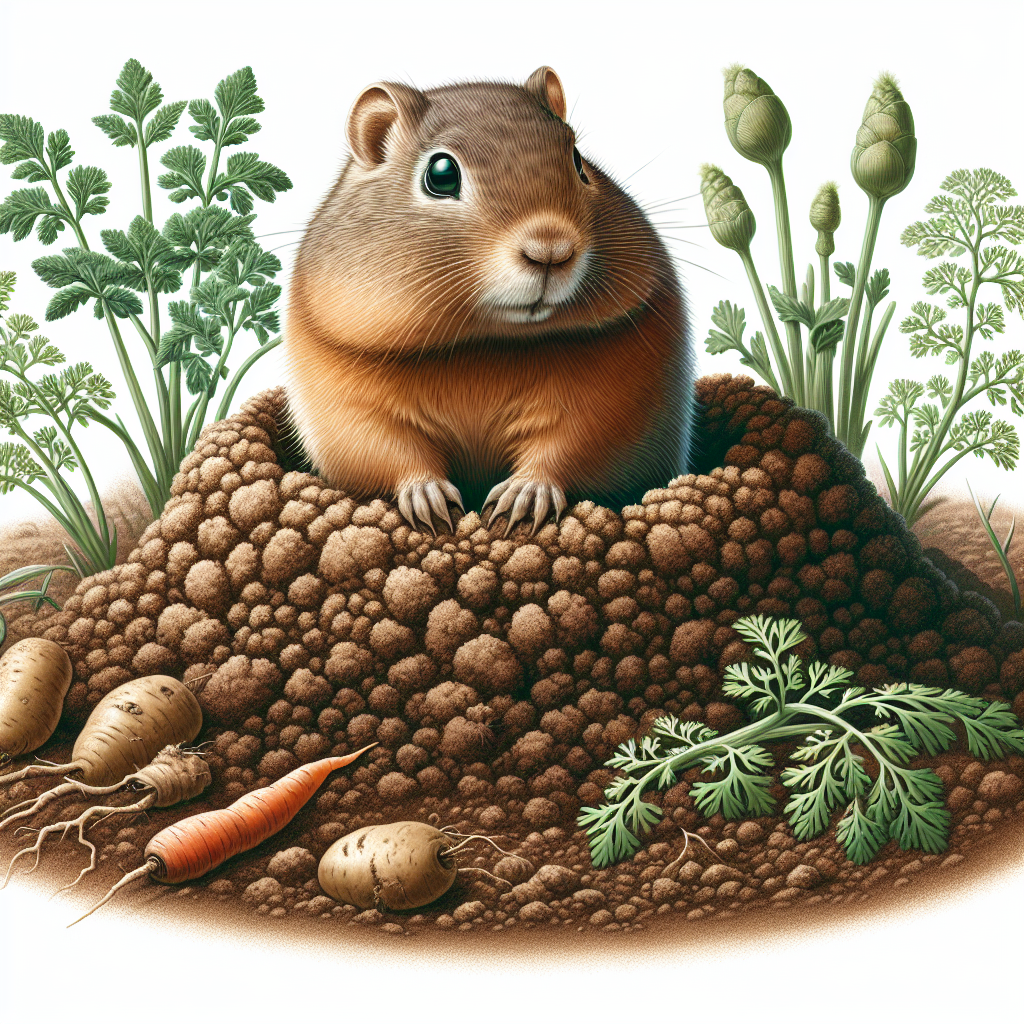
gophers
Gophers are burrowing rodents notorious for damaging agricultural fields, orchards, and gardens by feeding on roots, tubers, and bulbs. This guide provides definitive diagnostics, lifecycle insights, organic management strategies, and prevention tactics to protect crops from gopher infestations. Farmers can implement practical, eco-friendly controls to minimize losses and sustain yields.
View Profile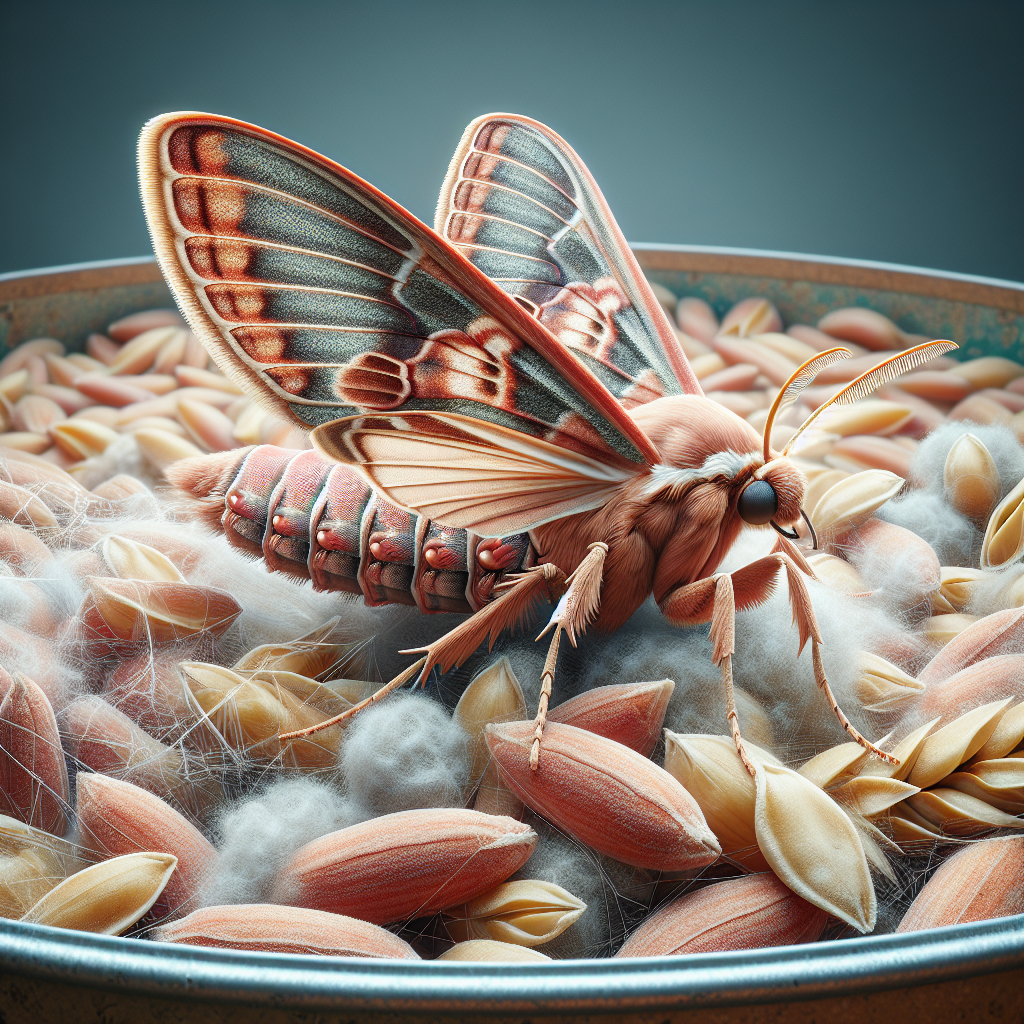
grain moths
Grain moths are common stored-product pests that infest grains, flour, and dry goods, causing significant economic losses in agriculture and food storage. These small moths lay eggs on grains, with larvae webbing and feeding inside, leading to contamination and spoilage. Effective management combines sanitation, monitoring, and targeted organic controls to protect harvests.
View Profile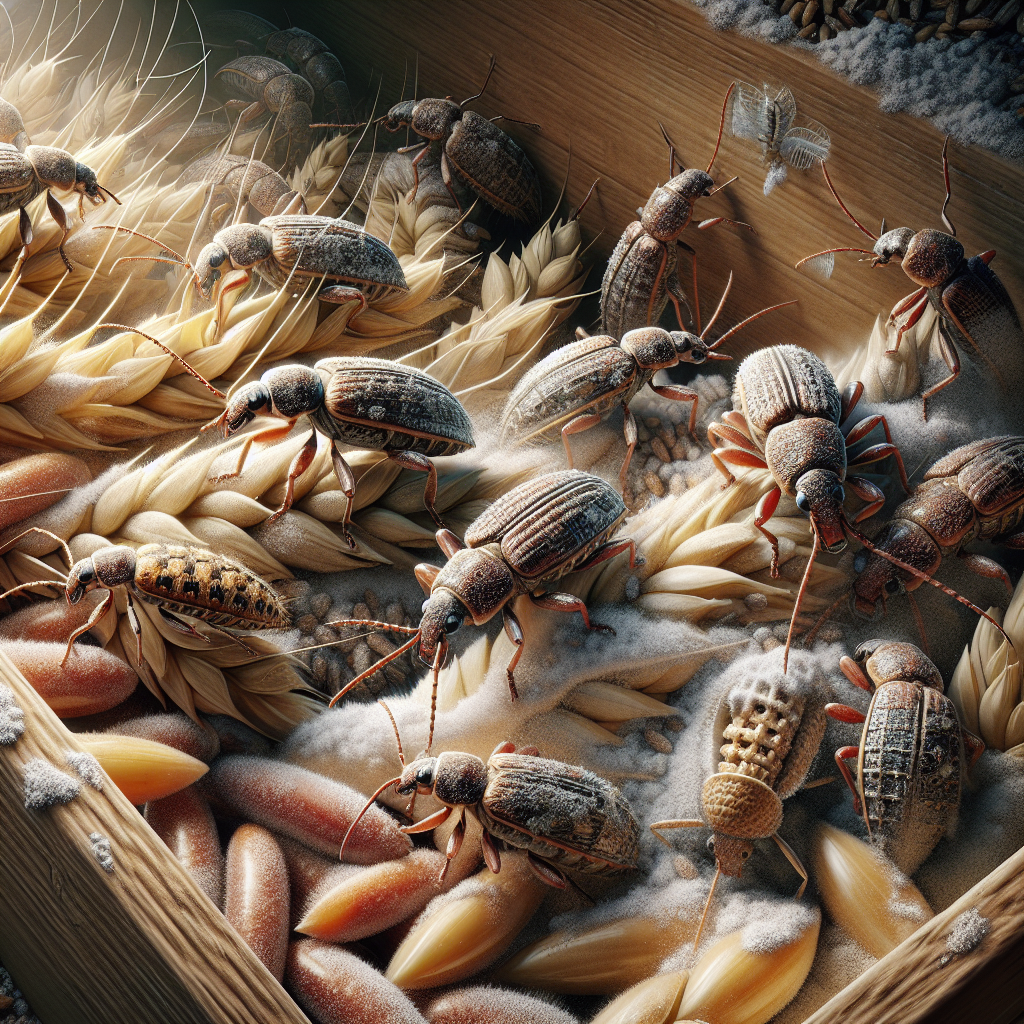
grain-feeding insects
Grain-feeding insects are a diverse group of pantry and storage pests that infest and destroy stored grains like wheat, rice, and corn, causing massive economic losses worldwide. These beetles, moths, and weevils feed on kernels, producing webbing, frass, and mold that render grain unsalable. Effective management combines sanitation, monitoring, and targeted organic controls to protect harvests.
View Profile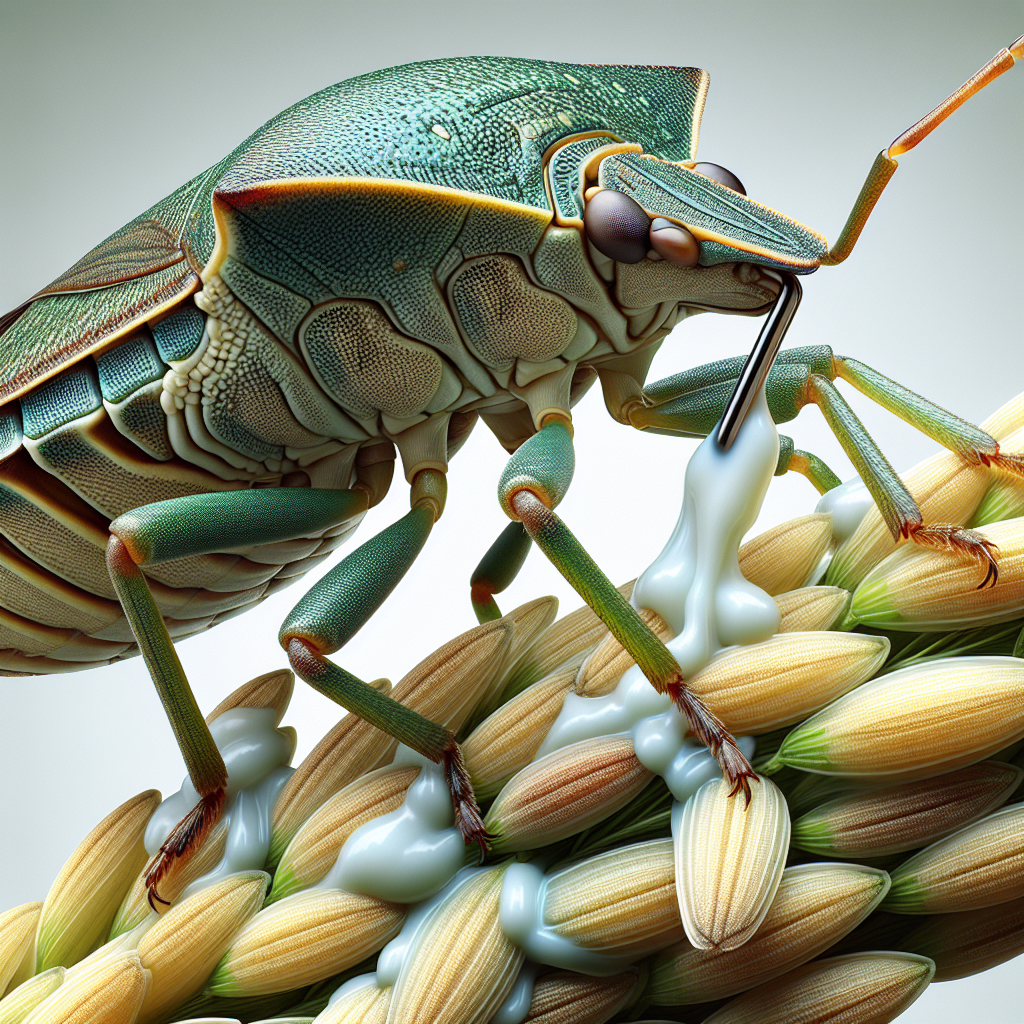
grain-sucking bugs
Grain-sucking bugs are piercing-sucking pests that target developing grains in cereal crops, causing significant yield losses through direct feeding and injection of toxins. These hemipteran insects, primarily from the Pentatomidae family, thrive in warm climates and can devastate fields of wheat, rice, corn, and sorghum. Effective management combines cultural practices, biological controls, and precise monitoring for sustainable grain production.
View Profile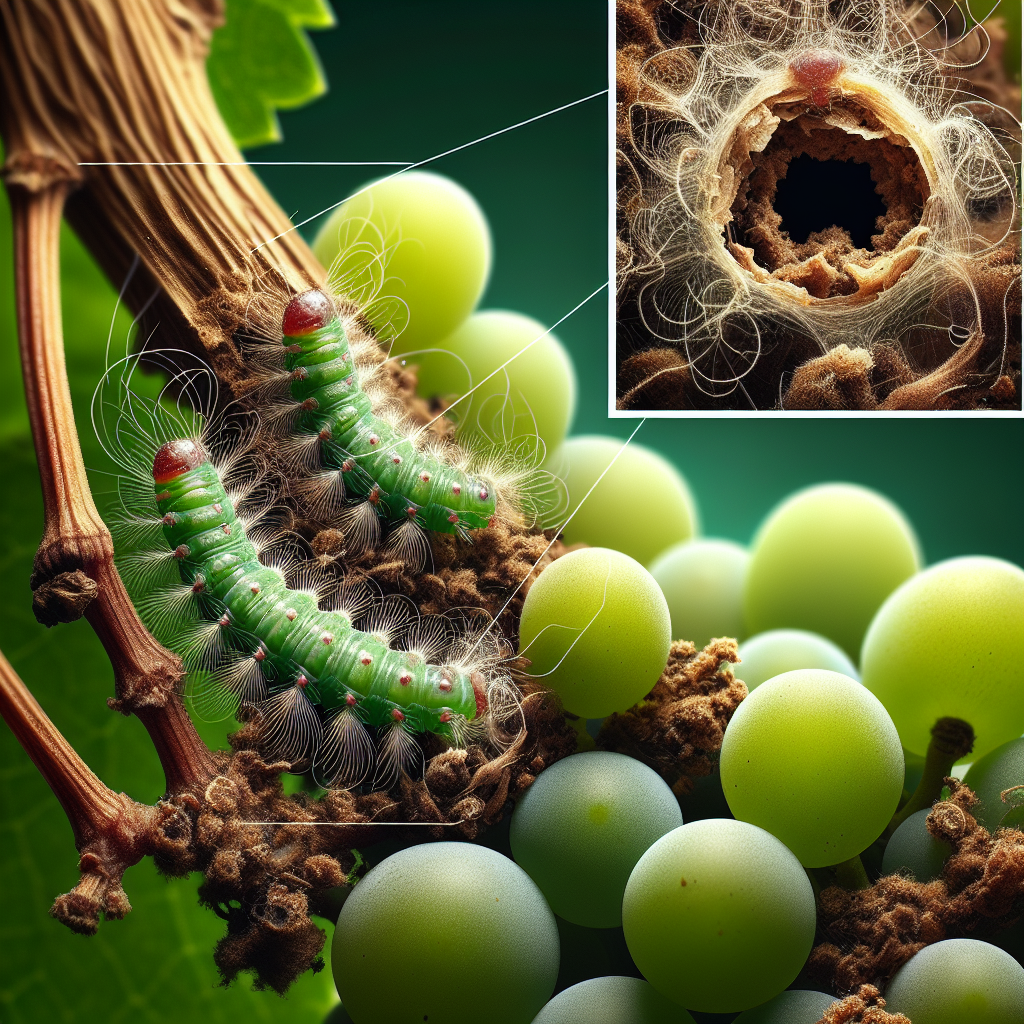
Grape berry moth
The grape berry moth (Paralobesia viteana) is a destructive pest targeting grape clusters, with larvae boring into berries causing significant yield losses in vineyards. Effective management combines monitoring, sanitation, and targeted organic controls to disrupt its multivoltine lifecycle. This guide provides diagnostic symptoms, lifecycle details, and proven organic strategies for grape growers.
View Profile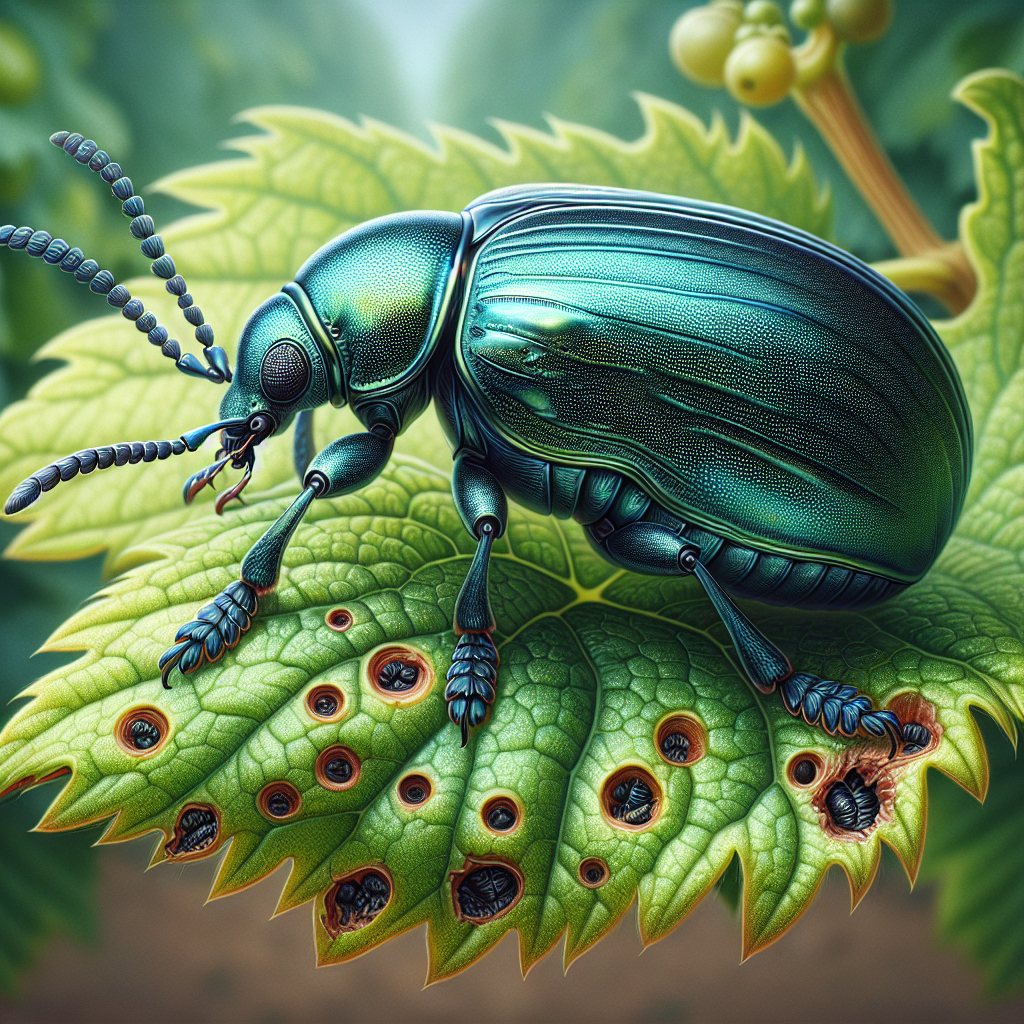
grape flea beetle
The grape flea beetle (Altica chalybea) is a small, metallic-blue beetle that jumps like a flea, causing significant damage to grapevines by skeletonizing leaves, especially on young shoots and weeds. This pest is prevalent in vineyards across North America, with larvae and adults feeding voraciously in spring, potentially defoliating vines and reducing yields. Effective management combines monitoring, organic controls like neem oil, and cultural practices for long-term prevention.
View Profile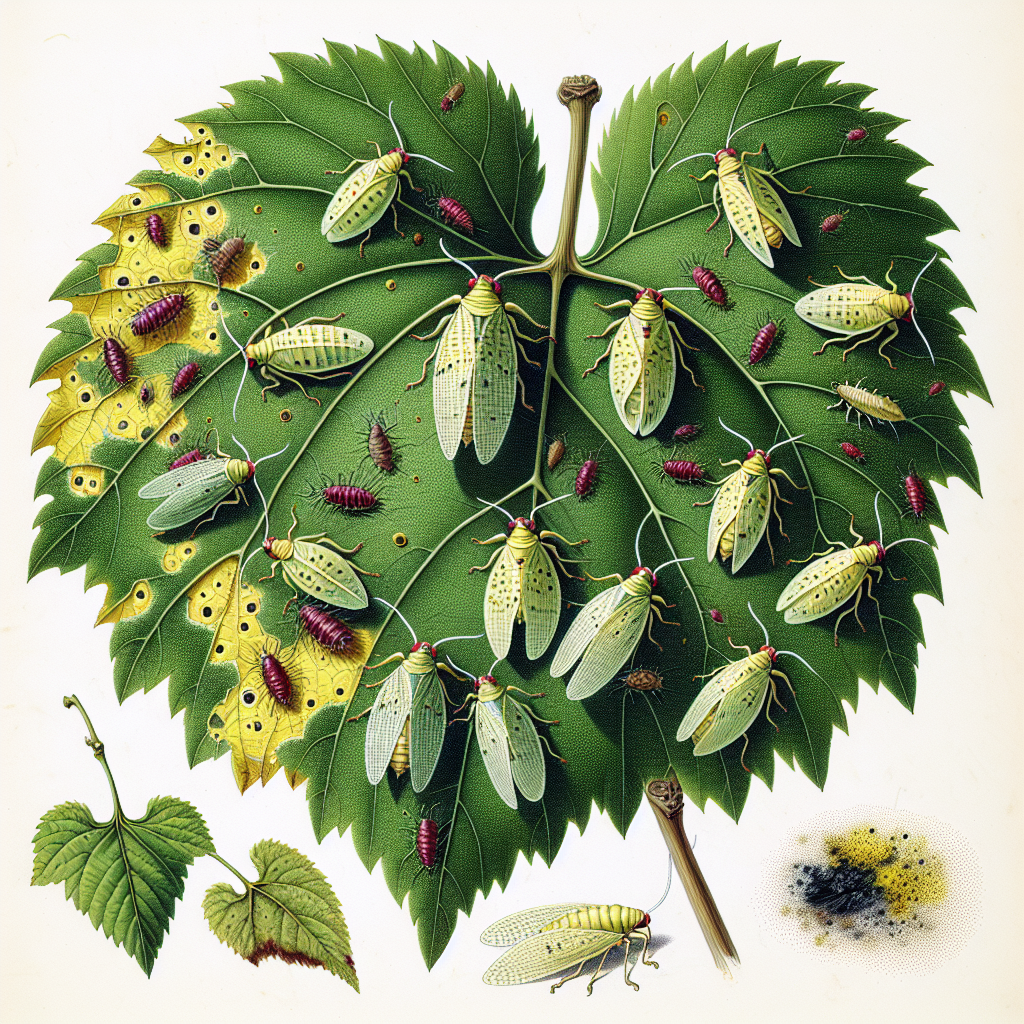
Grape leafhoppers
Grape leafhoppers are small, wedge-shaped insects that feed on grapevine leaves, causing stippling, yellowing, and reduced photosynthesis. They thrive in warm climates and can lead to significant yield losses if unmanaged. This guide provides comprehensive diagnostics, organic management strategies, and prevention tips for vineyards.
View Profile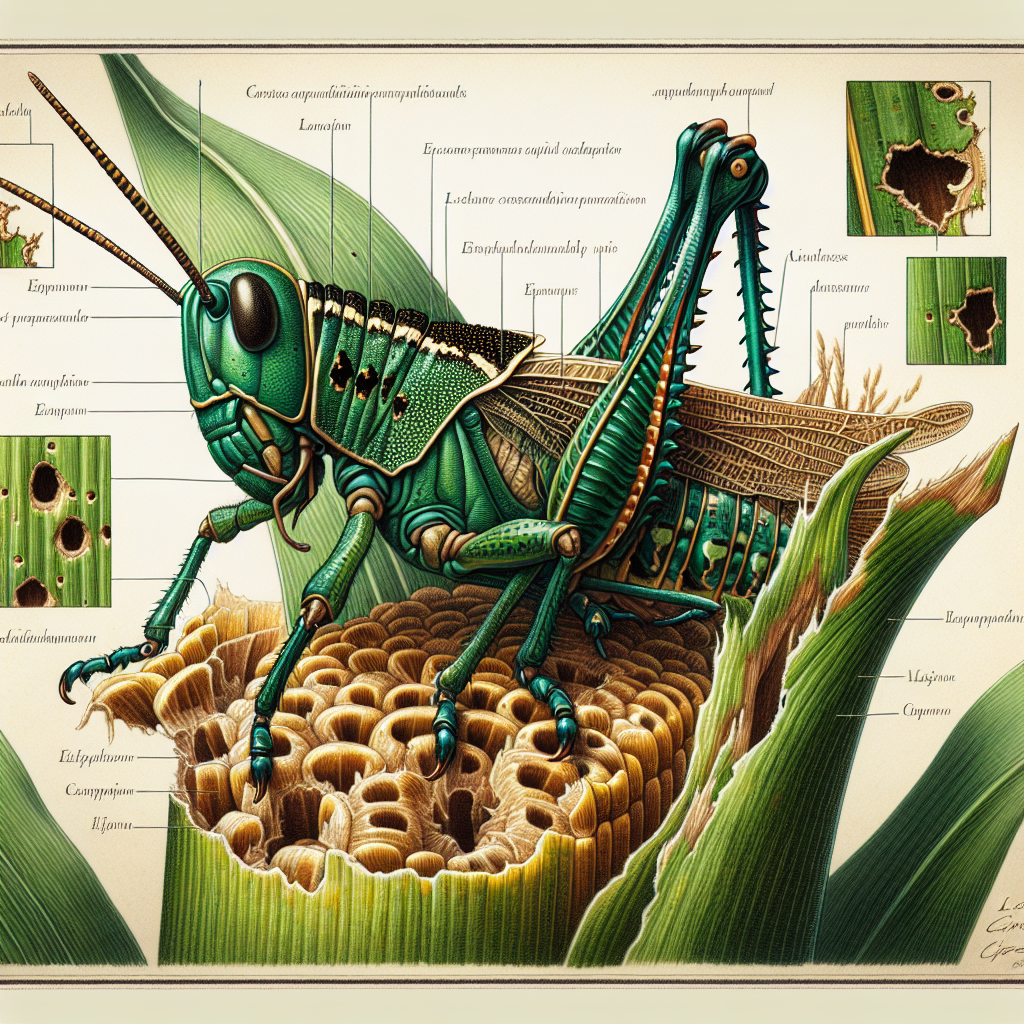
grasshoppers
Grasshoppers are voracious orthopteran pests that devastate crops by chewing large holes in leaves, stems, and fruits, leading to significant yield losses in grains, vegetables, and pastures. This guide provides definitive diagnostics, lifecycle insights, organic management strategies, and prevention tactics for farmers battling grasshopper outbreaks. Effective control hinges on early detection, biological agents, and cultural practices to minimize damage without synthetic chemicals.
View Profile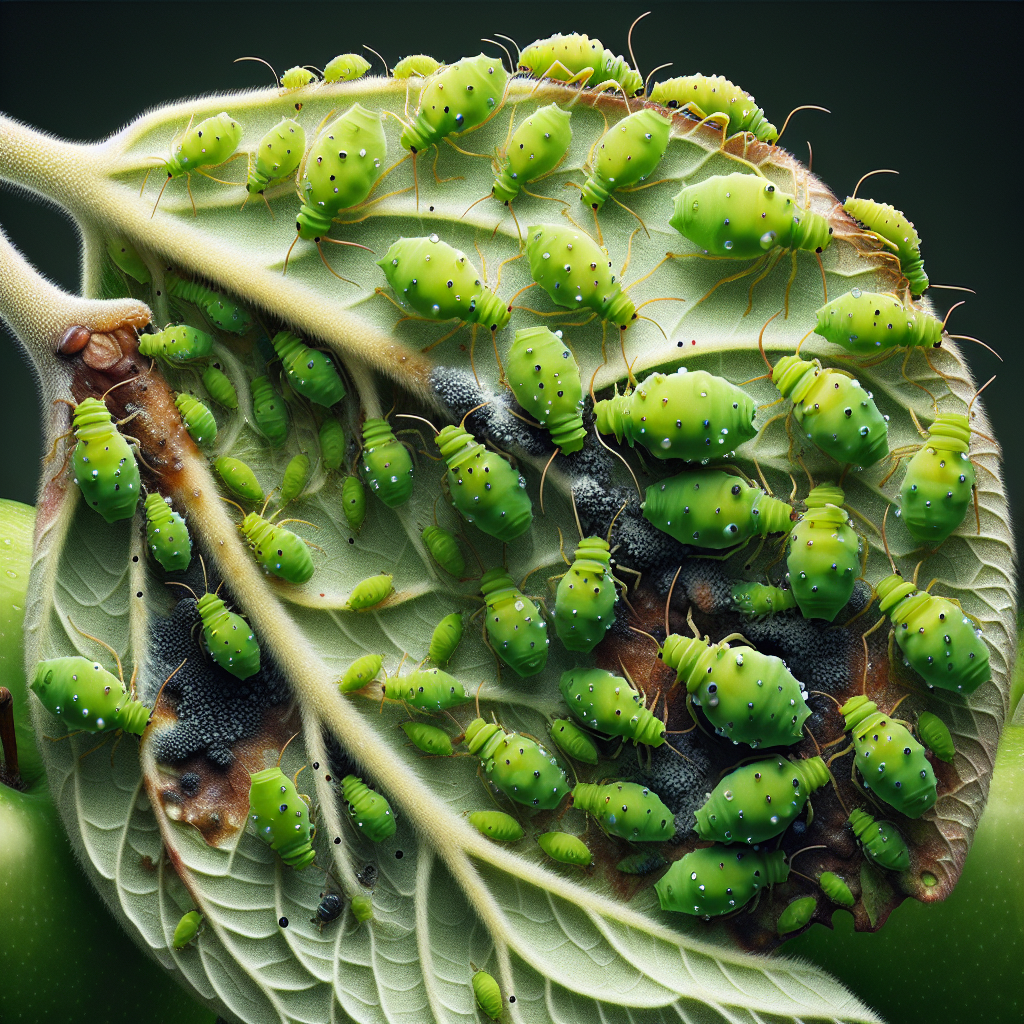
Green apple aphid
The green apple aphid (Aphis pomi) is a widespread sap-sucking pest that targets apple trees and related crops, causing curled leaves, stunted growth, and sticky honeydew that promotes sooty mold. Effective management combines organic methods like insecticidal soaps, beneficial insects, and cultural practices to minimize damage without harming pollinators. Early detection and prevention through monitoring and resistant varieties are key to protecting yields in orchards.
View Profile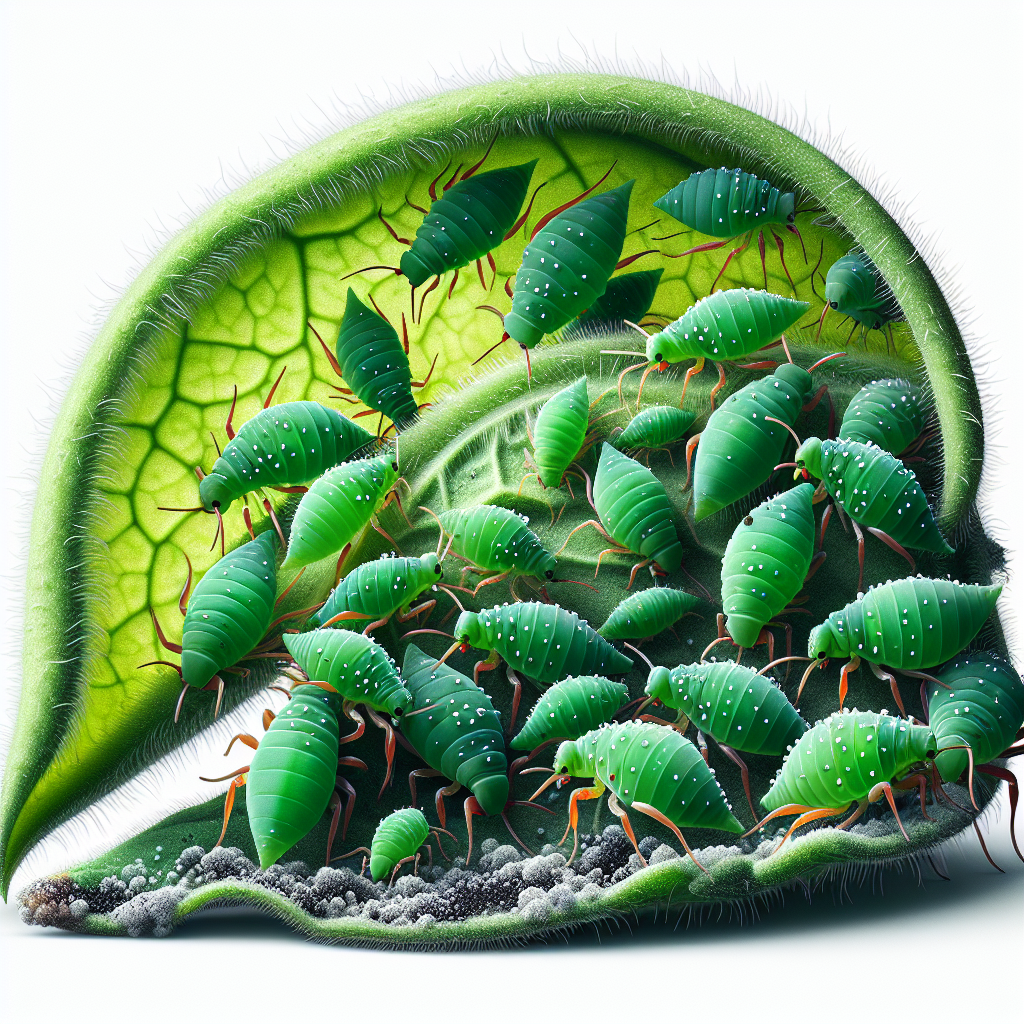
Green peach aphids
Green peach aphids (Myzus persicae) are small, sap-sucking pests that infest a wide range of crops, causing distorted growth, sticky honeydew, and transmission of plant viruses. Highly prolific and adaptable, they thrive in warm conditions and can rapidly colonize fields. Effective management combines cultural practices, biological controls, and organic treatments for sustainable control.
View Profile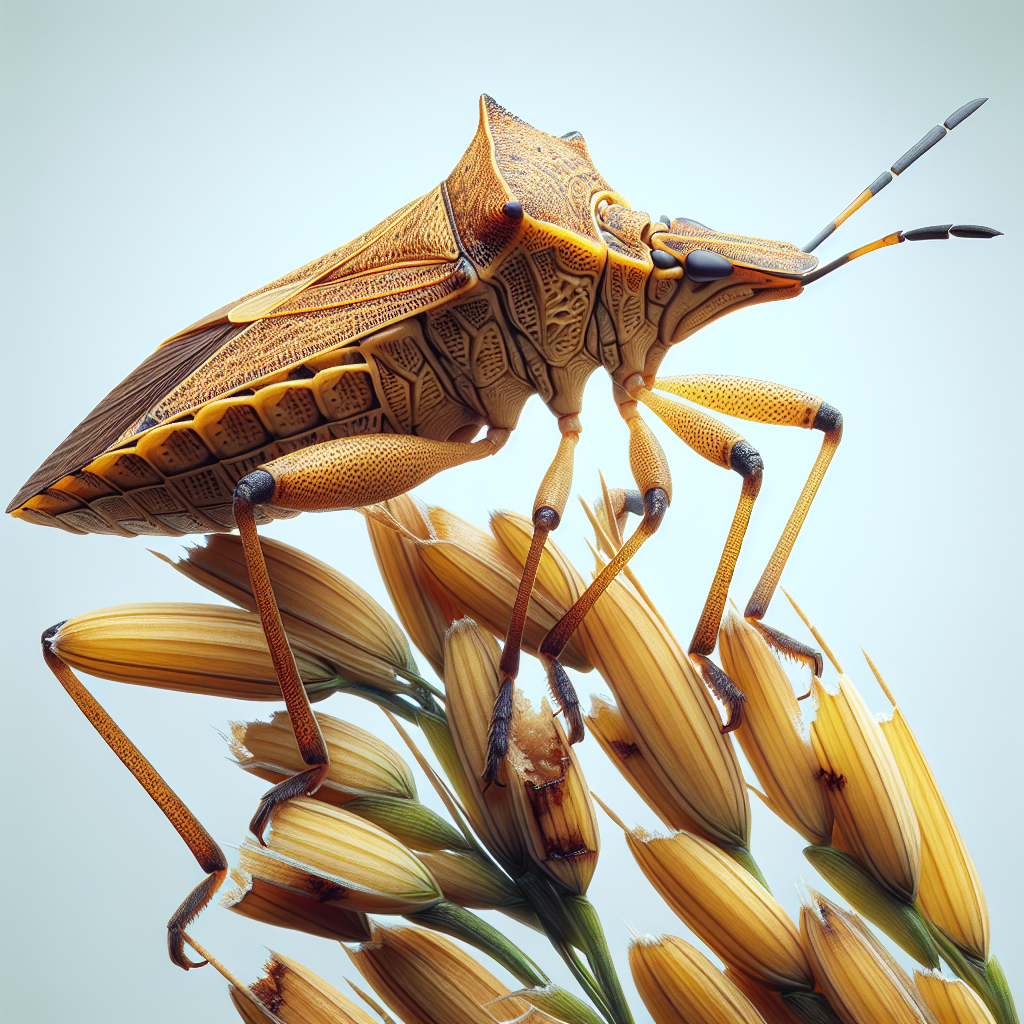
gundhi bug
The gundhi bug (Leptocorisa acuta) is a notorious rice pest in South and Southeast Asia, infamous for its foul coriander-like odor when crushed. It causes significant yield losses by sucking sap from panicles and grains, leading to chaffy and discolored kernels. Effective management combines cultural practices, biological controls, and timely interventions for sustainable rice production.
View Profile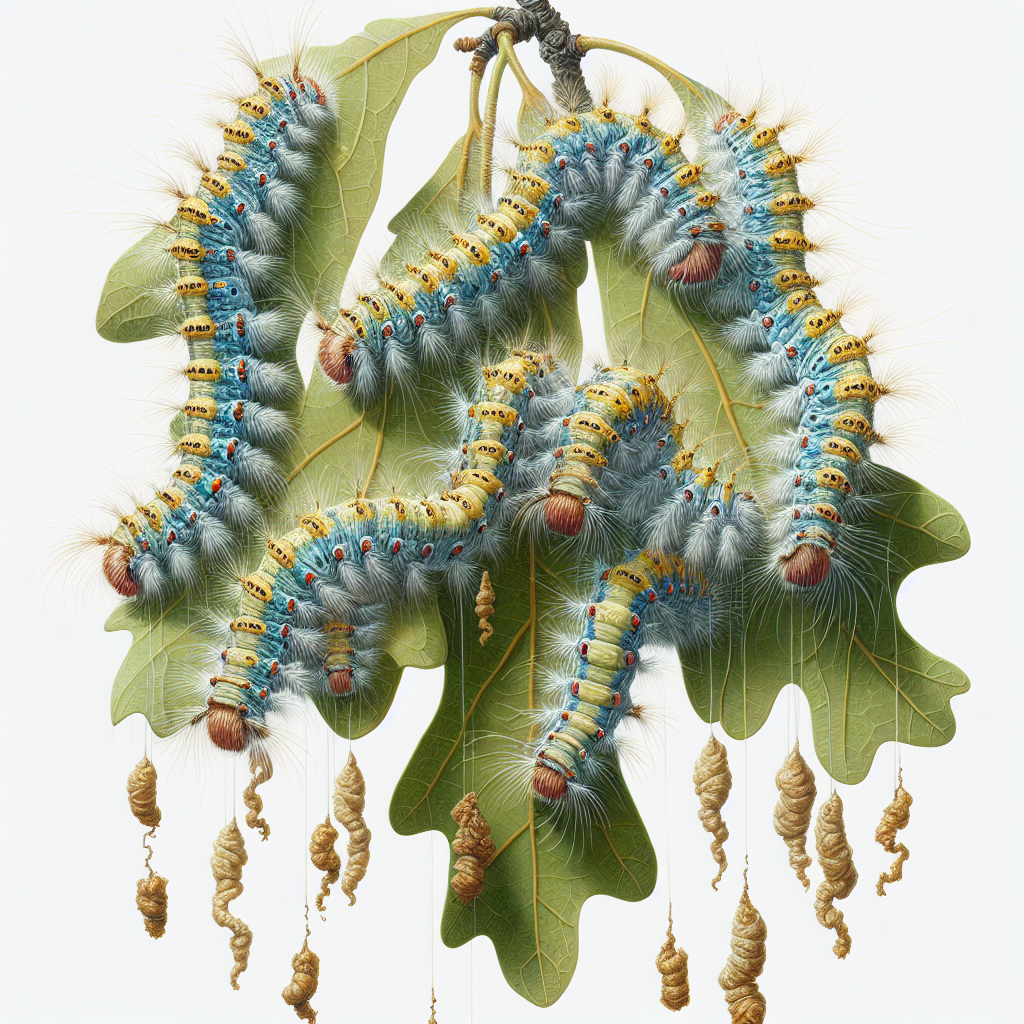
gypsy moths
Gypsy moths (Lymantria dispar) are invasive defoliators that ravage hardwood forests and orchards, with caterpillars causing extensive leaf damage during outbreaks. This guide provides professional diagnostics, lifecycle insights, organic management strategies, and prevention tips for farmers and growers. Effective control hinges on early detection and integrated organic practices to protect high-value crops like apples and oaks.
View Profile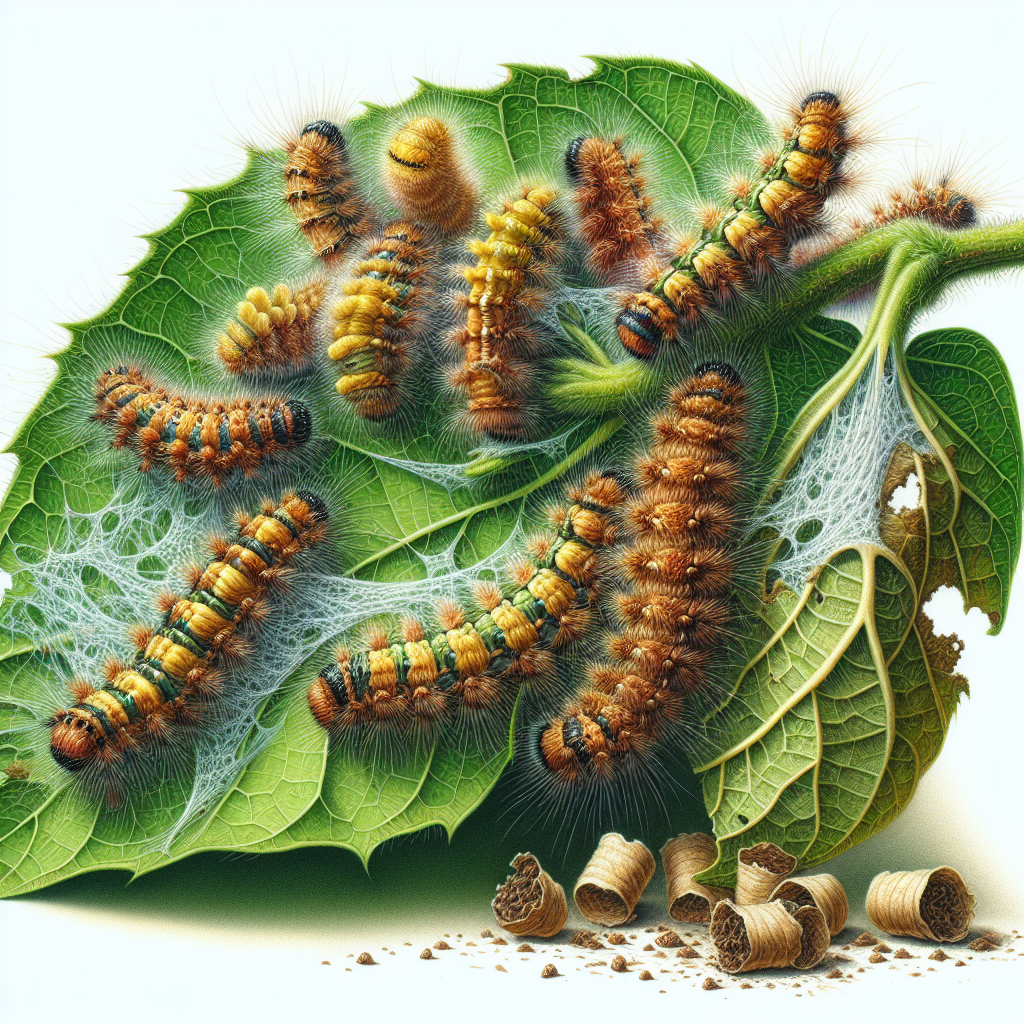
hairy caterpillars
Hairy caterpillars are the larval stage of various moth species notorious for defoliating crops with their voracious feeding and irritating hairs. These pests cause significant damage to leaves, fruits, and stems across a wide range of agricultural crops. Effective management combines early detection, organic controls, and cultural practices to minimize outbreaks.
View Profile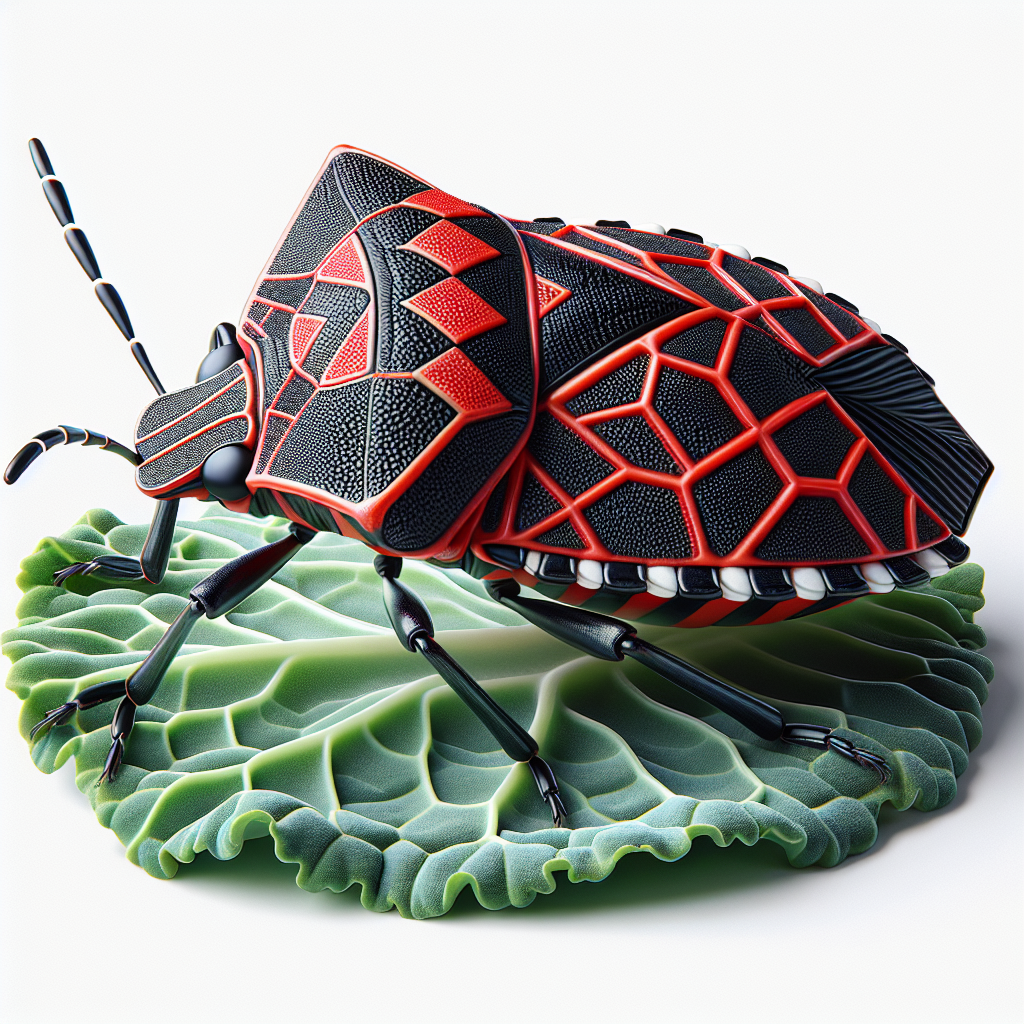
Harlequin bugs
Harlequin bugs (Murgantia histrionica) are striking black-and-red shield-shaped stink bugs that devastate cruciferous crops like cabbage, kale, and broccoli by sucking sap and injecting toxins, causing wilting and necrotic spots. Native to the southern U.S., they thrive in warm climates and can rapidly multiply, leading to significant yield losses if unmanaged. Effective organic control relies on early detection, row covers, and natural predators.
View Profile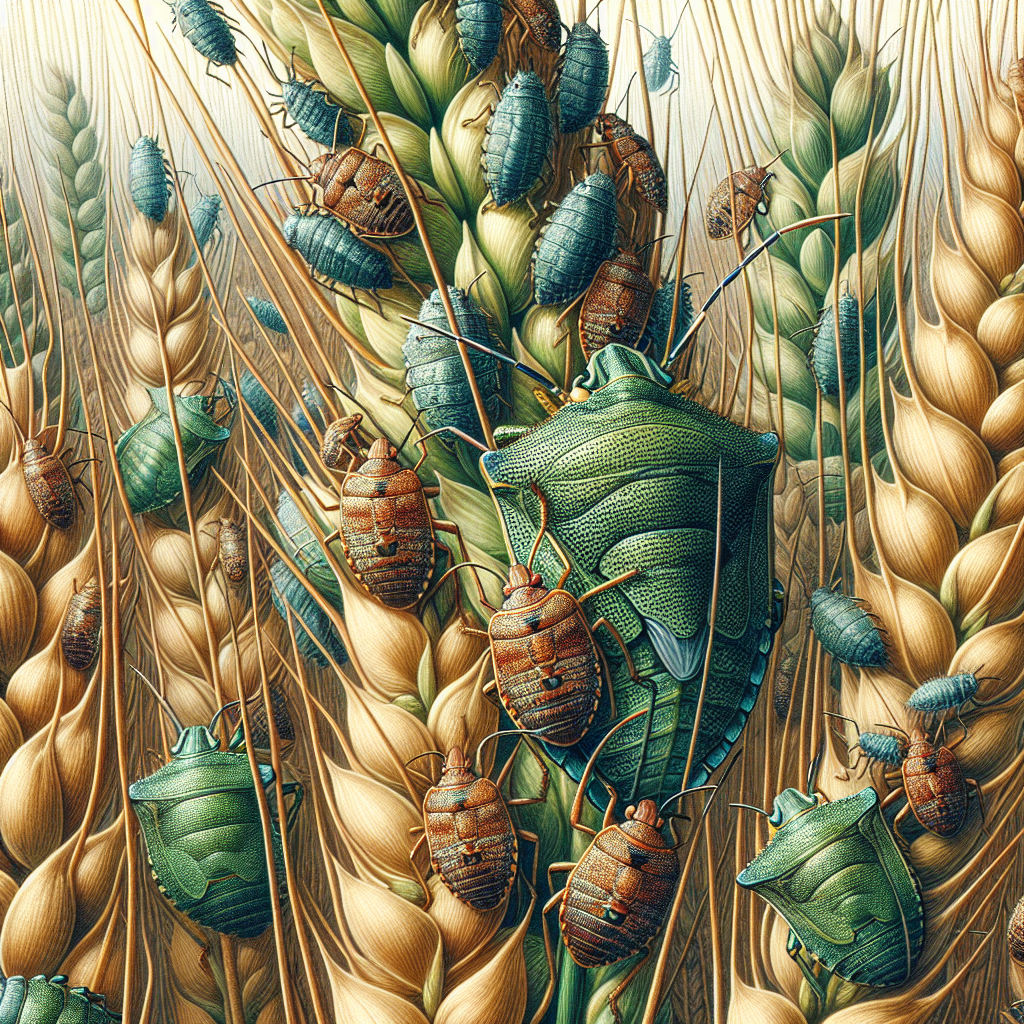
head bugs
Head bugs are notorious cereal crop pests known for targeting flowering heads and grains, causing significant yield losses in wheat, rice, and sorghum. These small, highly mobile insects feed voraciously on developing seeds, leading to chaffy heads and reduced grain quality. Effective management combines monitoring, cultural practices, and targeted organic controls for sustainable agriculture.
View Profile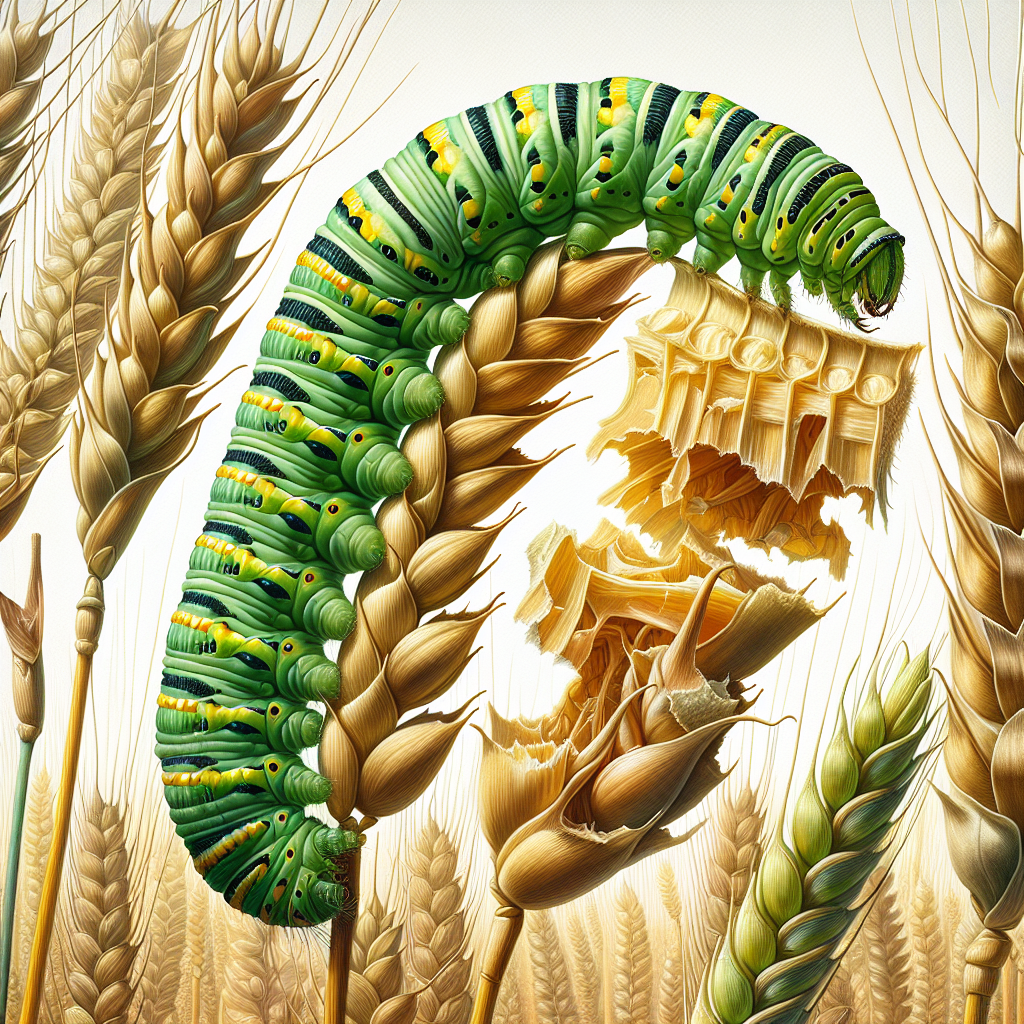
head-feeding caterpillars
Head-feeding caterpillars are destructive larvae targeting grain heads, panicles, and ears in cereal crops, causing significant yield losses through direct grain consumption and secondary damage. This guide provides comprehensive diagnostics, lifecycle insights, organic management strategies, and prevention tactics for farmers battling these pests. Effective control combines monitoring, biological agents, and cultural practices for sustainable agriculture.
View Profile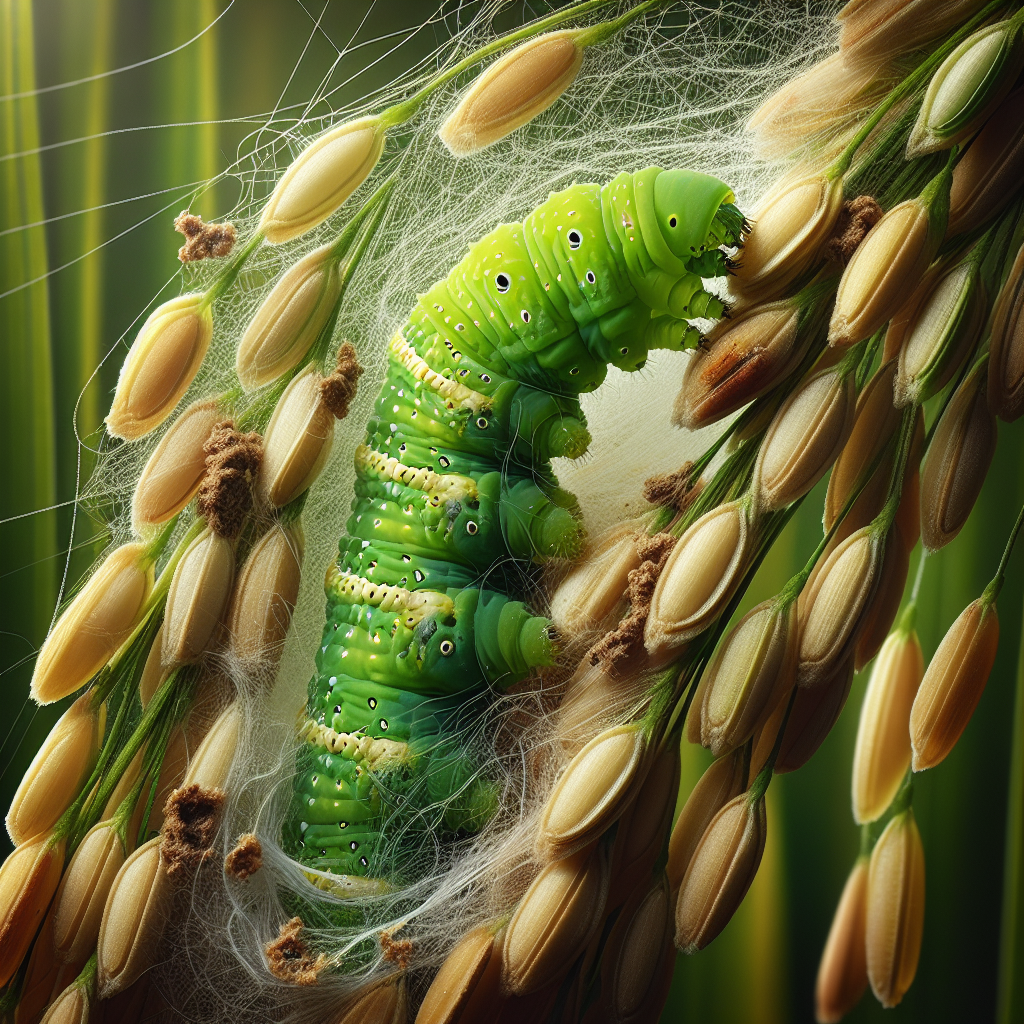
Head-feeding insects
Head-feeding insects are primarily caterpillars that target the developing heads, ears, or panicles of cereal and grain crops, causing severe yield losses by consuming grains and florets. These pests, including armyworms and earworms, thrive in warm, humid conditions and can devastate fields rapidly if not managed. Effective organic control relies on timely scouting, biological agents, and cultural practices to protect crop heads during vulnerable flowering stages.
View Profile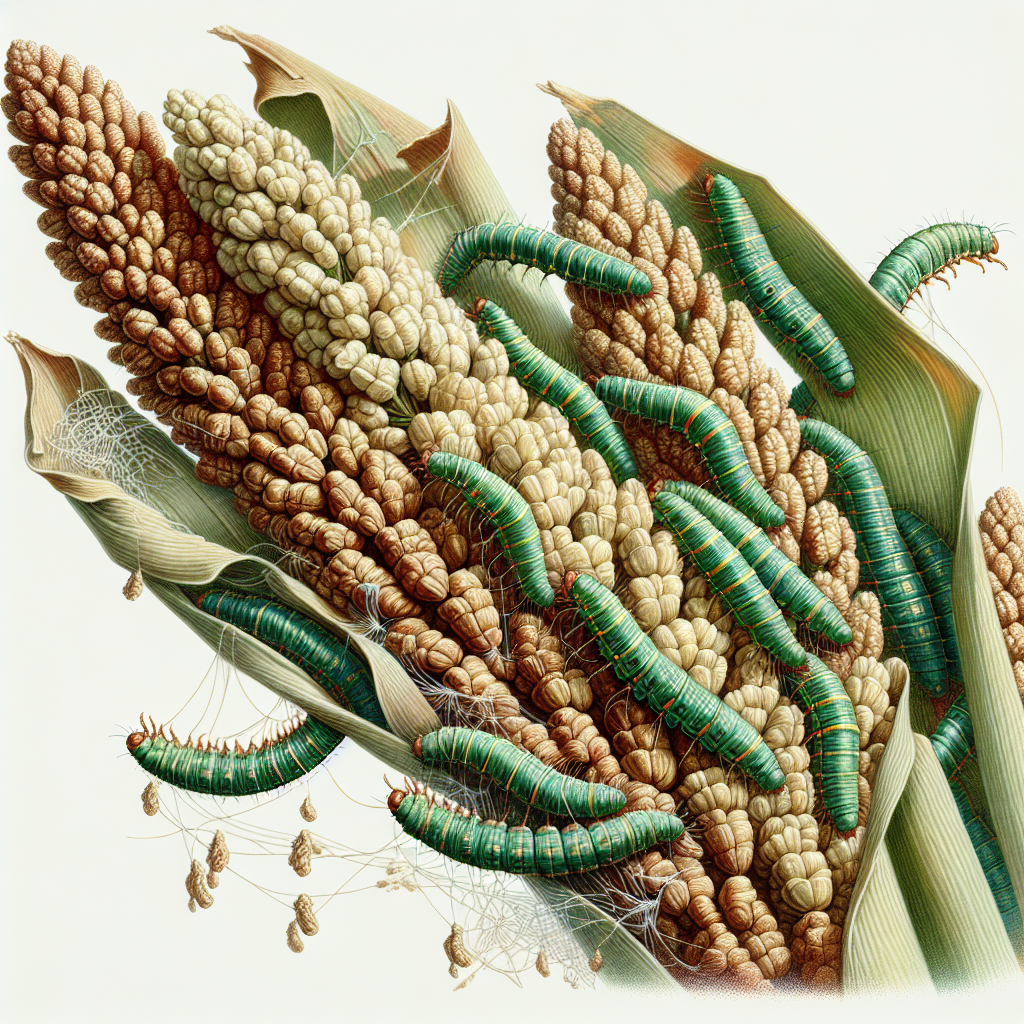
Headworms
Headworms are destructive caterpillars that target the reproductive heads of cereal crops like corn, sorghum, and millet, feeding on grains and causing significant yield losses. Primarily larvae of moths such as Helicoverpa zea and Spodoptera frugiperda, they bore into heads during grain fill, leading to mold and reduced quality. Effective management combines monitoring, biological controls, and cultural practices for sustainable control.
View Profile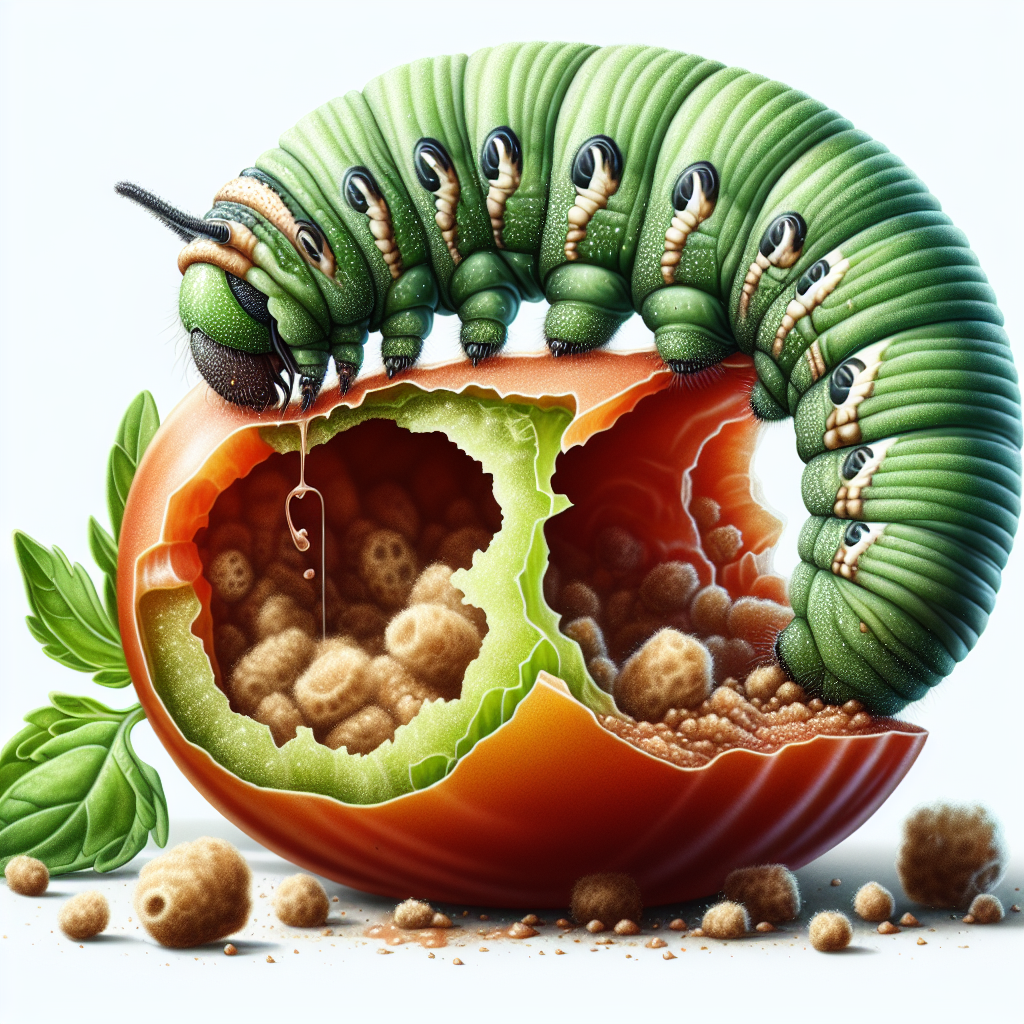
Helicoverpa species
Helicoverpa species, commonly known as bollworms, corn earworms, or tomato fruitworms, are highly destructive moth larvae that bore into fruits, pods, and ears of numerous crops worldwide. These polyphagous pests cause significant yield losses in field crops through feeding damage and frass contamination. Effective integrated management combines monitoring, biological controls, and cultural practices for sustainable control.
View Profile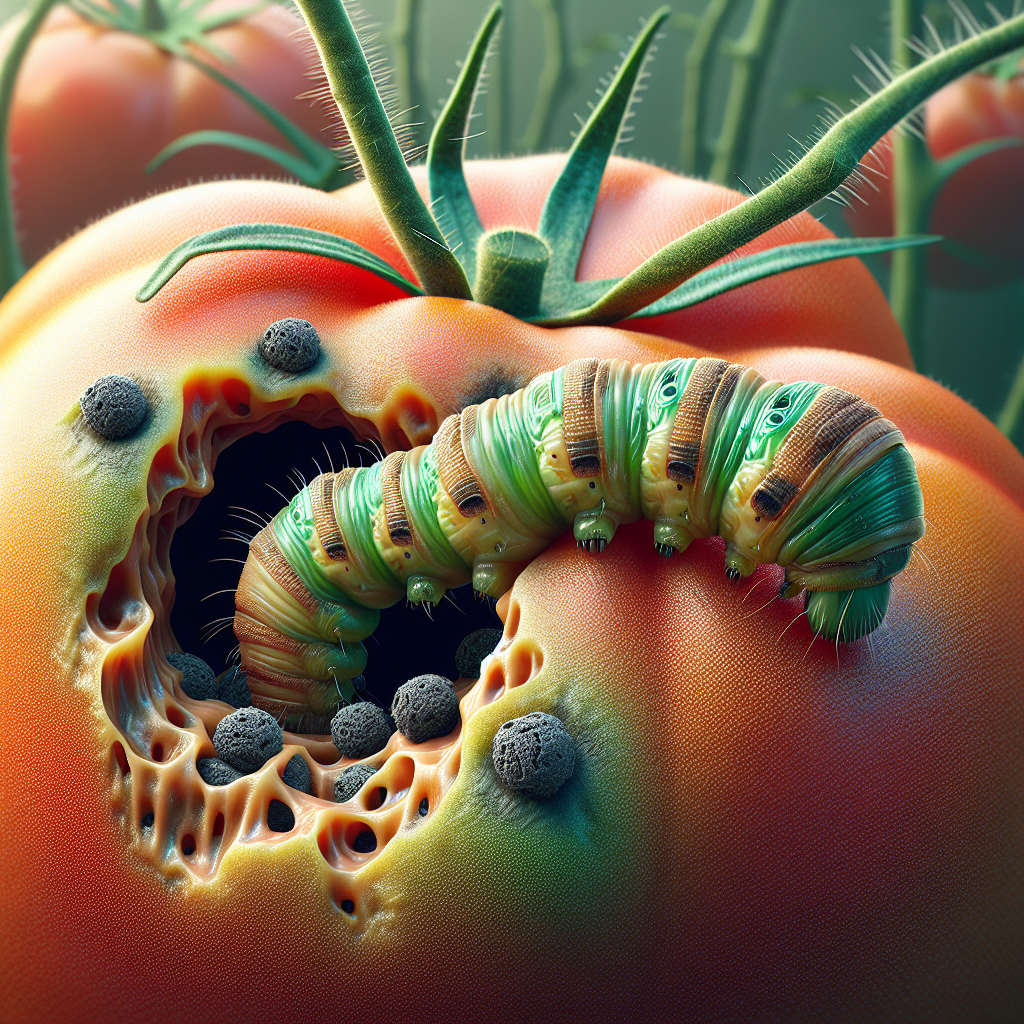
Helicoverpa spp.
Helicoverpa spp., commonly known as bollworms, corn earworms, or tomato fruitworms, are highly destructive lepidopteran pests targeting over 100 crops worldwide. Their larvae bore into fruits, pods, and ears, causing massive yield losses. This guide provides comprehensive diagnostics, organic management strategies, and prevention tactics for farmers.
View Profile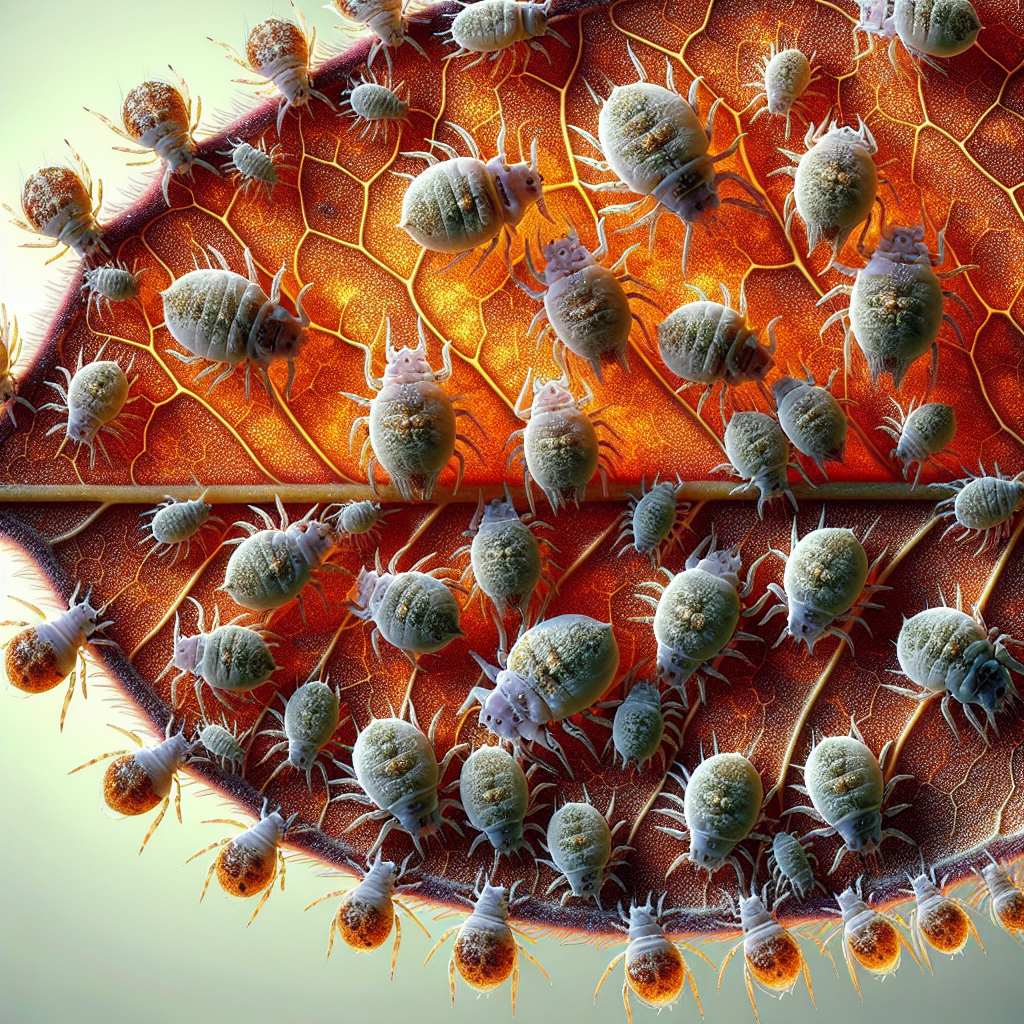
hemp russet mite
The hemp russet mite (Aculops cannabicola) is a microscopic eriophyid mite that infests hemp and cannabis crops, causing russeting, bronzing, and stunted growth. Highly prolific in warm, dry conditions, it spreads rapidly via wind and tools, leading to significant yield losses if unmanaged. This guide provides expert diagnostics, organic management strategies, and prevention tactics for growers.
View Profile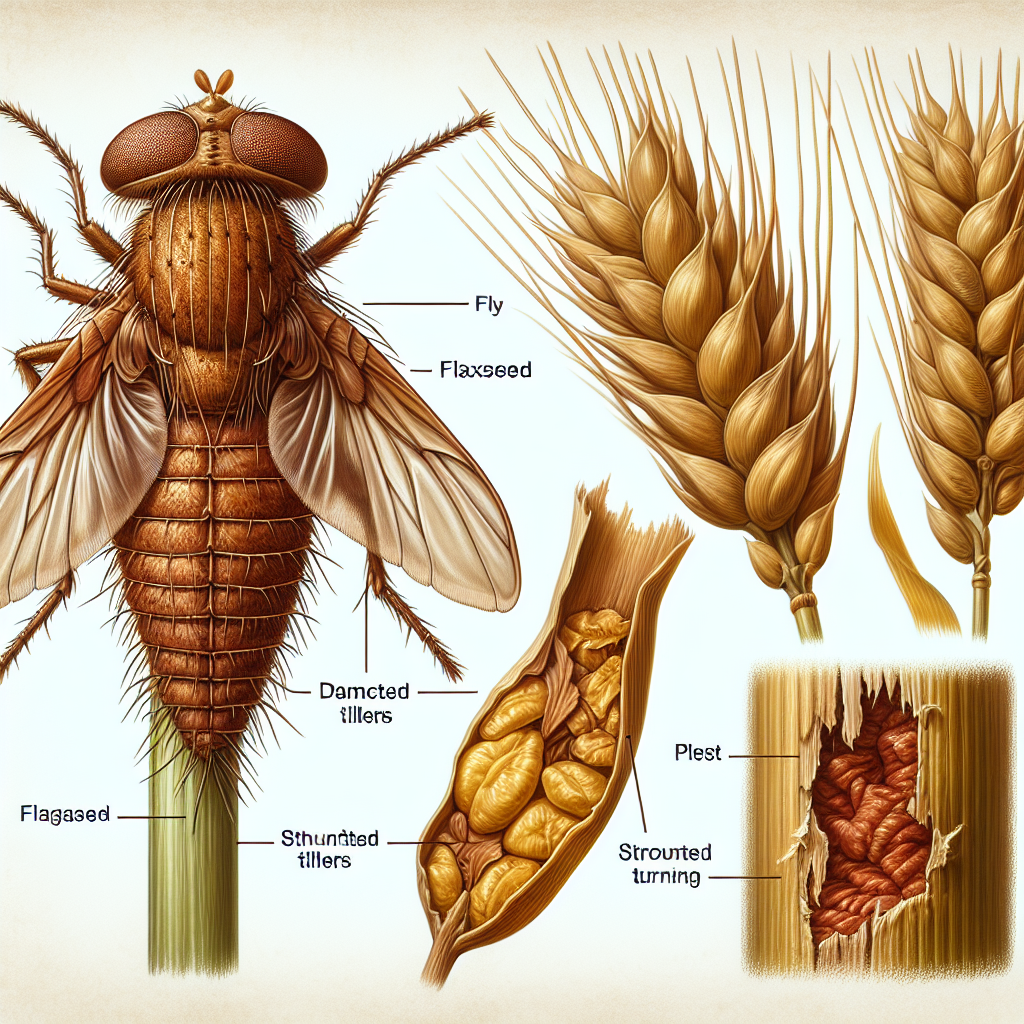
Hessian fly
The Hessian fly is a devastating pest of wheat and other small grains, known for causing significant yield losses through larval feeding that stunts plant growth and promotes lodging. This guide provides comprehensive diagnostics, lifecycle insights, organic management strategies, and prevention tactics for farmers battling this tiny gall midge. Early detection and cultural controls are key to minimizing damage in affected crops like [wheat](/wiki/wheat) and [barley](/wiki/barley).
View Profile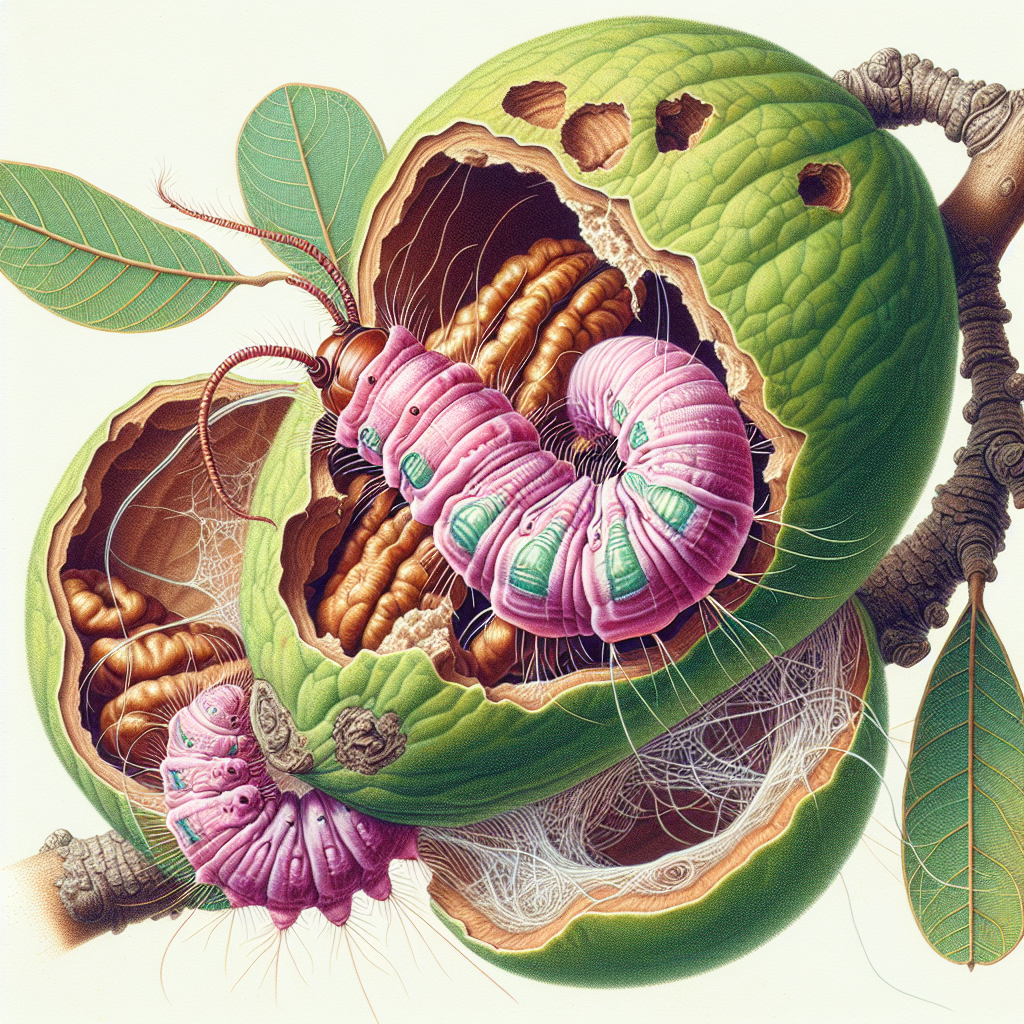
hickory shuckworm
The hickory shuckworm (Cydia caryae) is a destructive moth pest targeting hickory nuts and pecans, boring into shucks and kernels causing premature nut drop and mold. This guide provides comprehensive diagnostics, lifecycle insights, organic management strategies, and prevention tips for growers. Effective control hinges on timely scouting and integrated organic practices to protect yields.
View Profile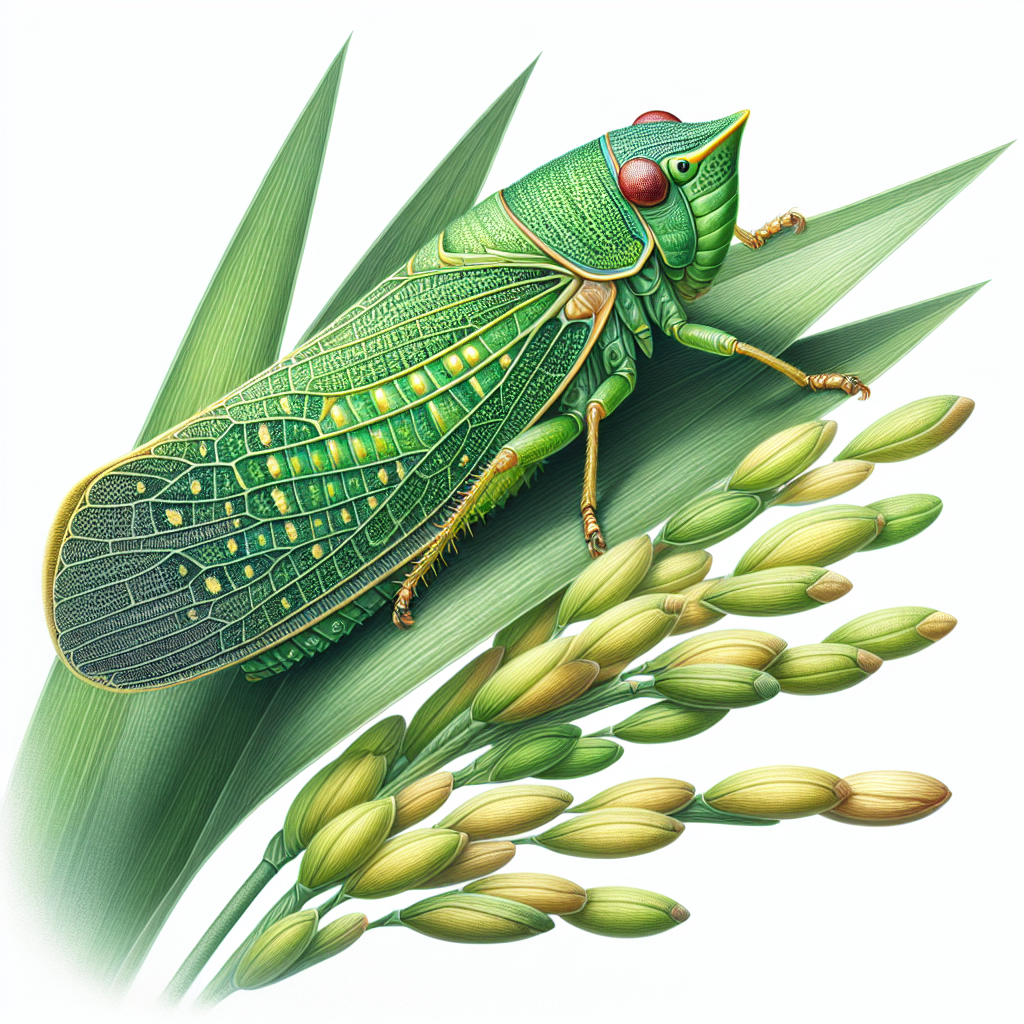
Hoppers
Hoppers, commonly known as leafhoppers, are small, wedge-shaped insects that suck sap from plant leaves and stems, causing stippling, yellowing, and potential disease transmission. They pose a significant threat to crops like rice, sugarcane, and mangoes, multiplying rapidly in warm, humid conditions. Effective management combines cultural practices, biological controls, and organic treatments to minimize damage and prevent outbreaks.
View Profile