Encyclopedia
Definitive guides for crops, pests, and agricultural diseases.
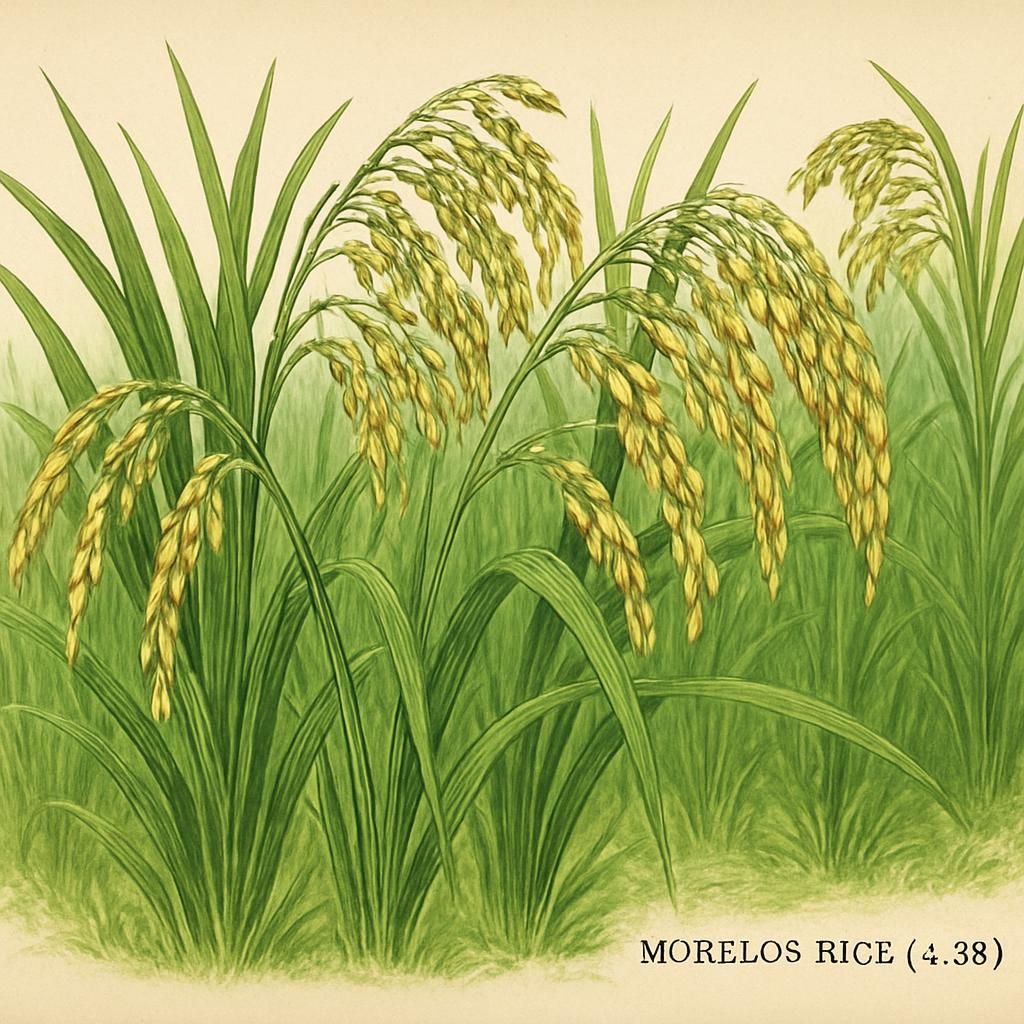
Morelos Rice (A-98)
Morelos Rice (A-98) is a premium variety known for its adaptability and flavor. Cultivated in ideal soil and climate conditions, it offers an excellent yield with the right agricultural practices.
View Guide
Moroccan Mint
Moroccan Mint is a popular variety of mint known for its aromatic leaves and refreshing flavor. Ideal for teas and garnishes, it thrives in well-drained soil and sunlight.
View Guide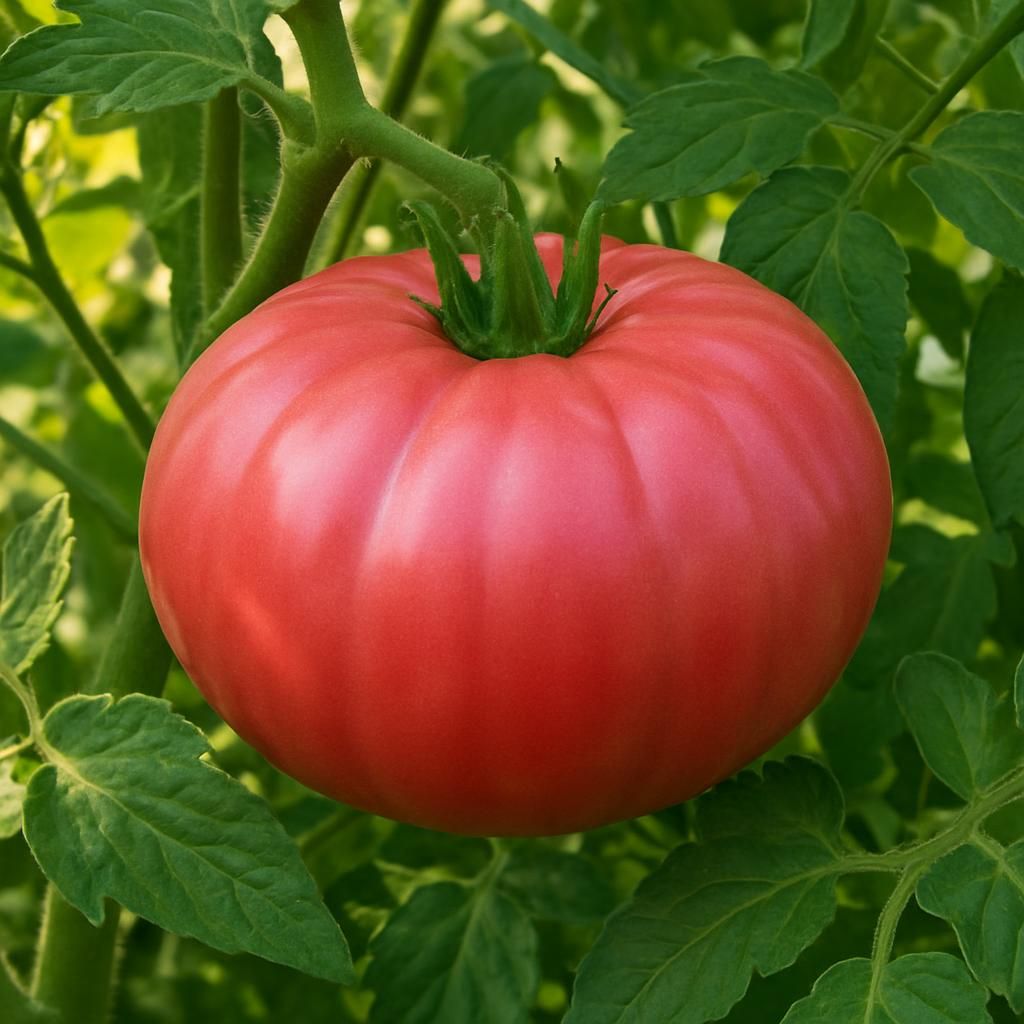
Mortgage Lifter Estler's Tomato
Mortgage Lifter Estler's Tomato is a legendary heirloom beefsteak variety renowned for its massive fruits, rich flavor, and historical significance. Developed in the 1930s, it offers high yields of pink-skinned tomatoes weighing up to 2-4 pounds each. This guide provides professional growing instructions for optimal results in home and small-farm settings.
View Guide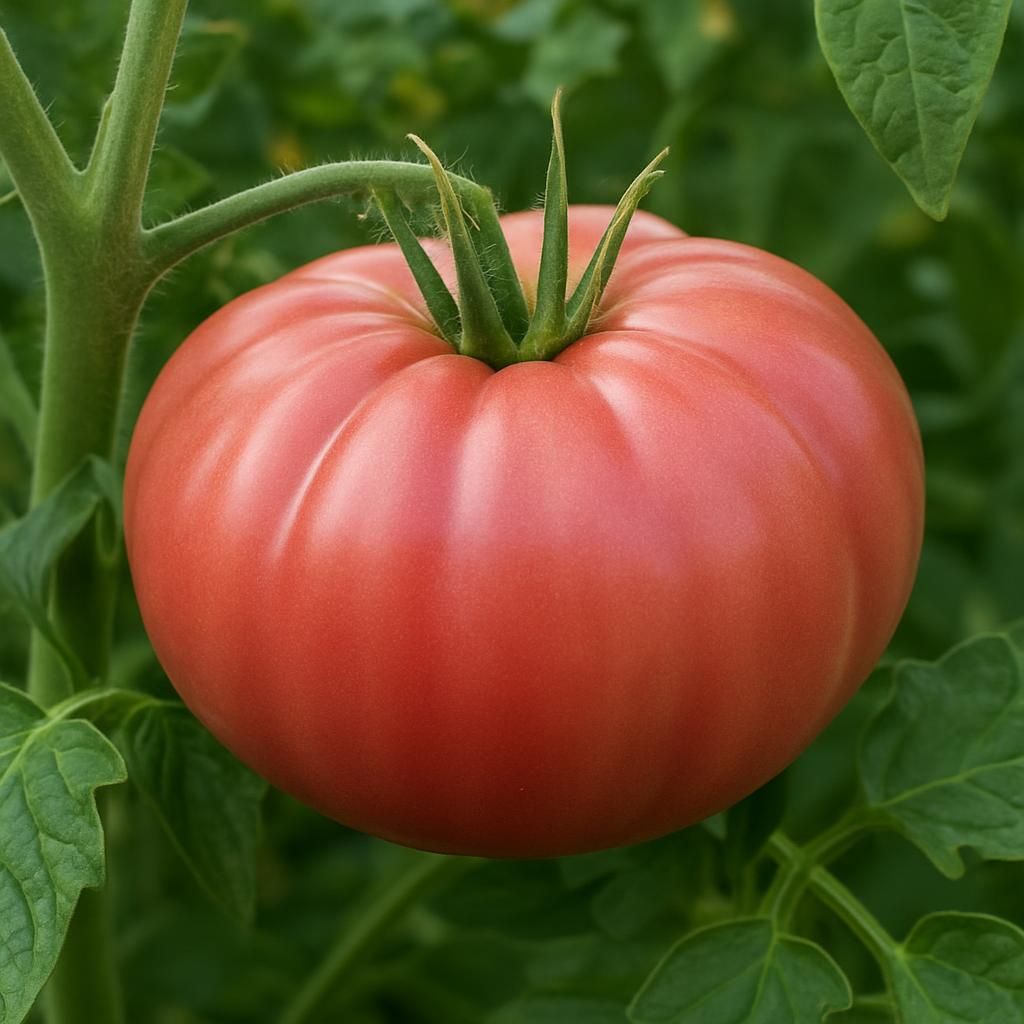
Mortgage Lifter Tomato
Mortgage Lifter is a legendary heirloom beefsteak tomato renowned for its massive fruits, rich flavor, and historical significance. Developed in the 1930s by a West Virginia farmer, it remains a favorite for home gardeners and market growers seeking high yields of large, meaty tomatoes.
View Guide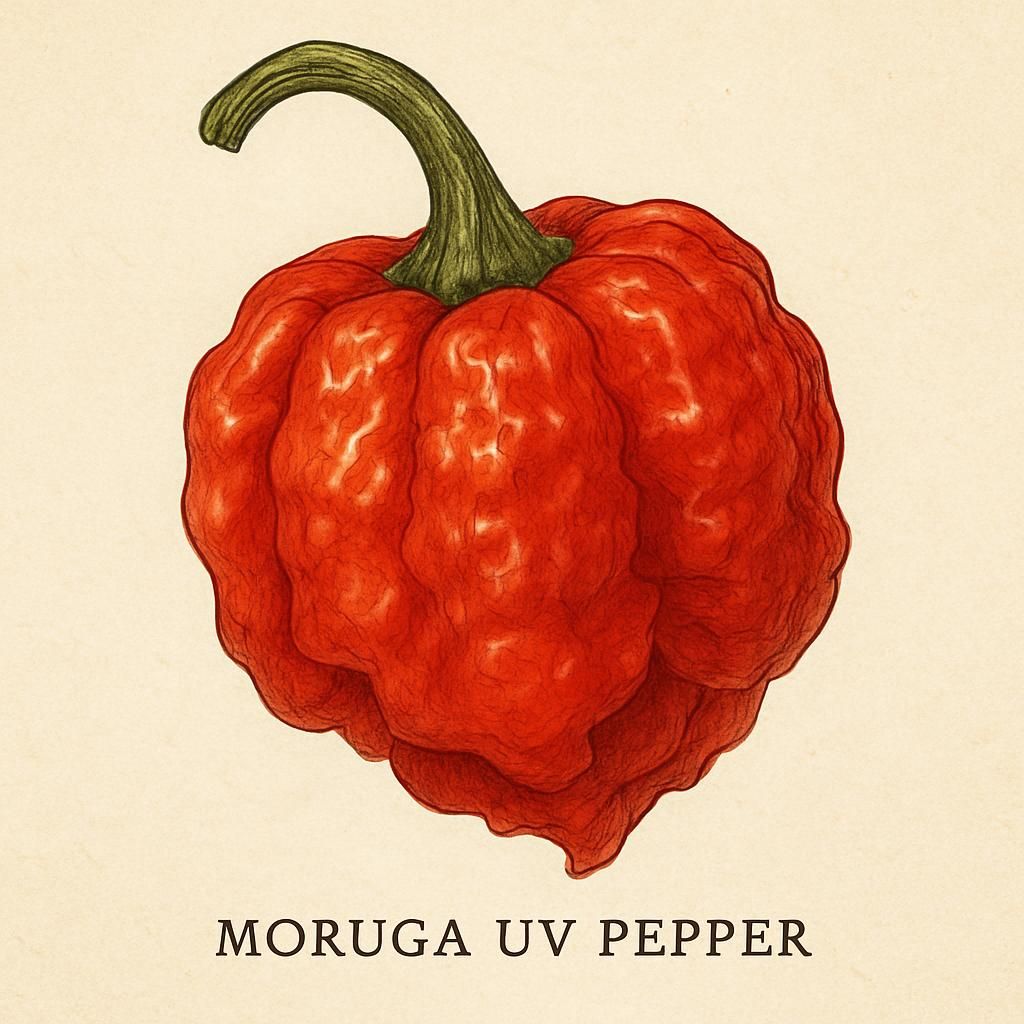
Moruga UV Pepper
The Moruga UV Pepper is a hybrid pepper known for its intense heat and vibrant color. This pepper thrives in warm climates and requires specific care and attention, making it a fascinating yet challenging crop for pepper enthusiasts and commercial growers.
View Guide
Mosaic
Mosaic is a viral disease affecting numerous crops, characterized by mottled leaf patterns, stunted growth, and reduced yields. Transmitted primarily by insect vectors like aphids and through mechanical means, it poses significant challenges to agricultural productivity. Effective management relies on prevention, vector control, and resistant varieties.
View Profile
Mosaic complexes
Mosaic complexes refer to a group of viral diseases causing mottled, mosaic-like patterns on leaves, stunted growth, and reduced yields in numerous crops. Transmitted primarily by insect vectors like aphids and whiteflies, these viruses create light and dark green patches that disrupt photosynthesis. Effective management relies on prevention, vector control, and resistant varieties.
View Profile
Mosaic virus
Mosaic viruses are a group of plant viruses causing characteristic mottled leaf patterns, stunted growth, and yield losses in numerous crops. Transmitted primarily by aphids, mechanical injury, or infected seeds, they lack curative treatments but can be effectively managed through prevention and resistant varieties. This guide provides diagnostic, organic control, and prevention strategies for affected farms.
View Profile
Mosaic viruses
Mosaic viruses are a group of plant viruses causing characteristic mottled leaf patterns, stunted growth, and reduced yields across numerous crops. Transmitted primarily by aphids and other insects, they pose significant challenges in vegetable, legume, and cereal production. Effective management relies on prevention through resistant varieties, vector control, and sanitation practices.
View Profile
Mosquitos
Mosquitos are blood-feeding dipteran insects whose larvae develop in standing water and whose adults transmit pathogens affecting both humans and livestock. In agricultural settings they reduce worker productivity, stress animals, and occasionally vector plant viruses. Effective management relies on eliminating breeding sites, biological controls, and targeted adult suppression.
View Profile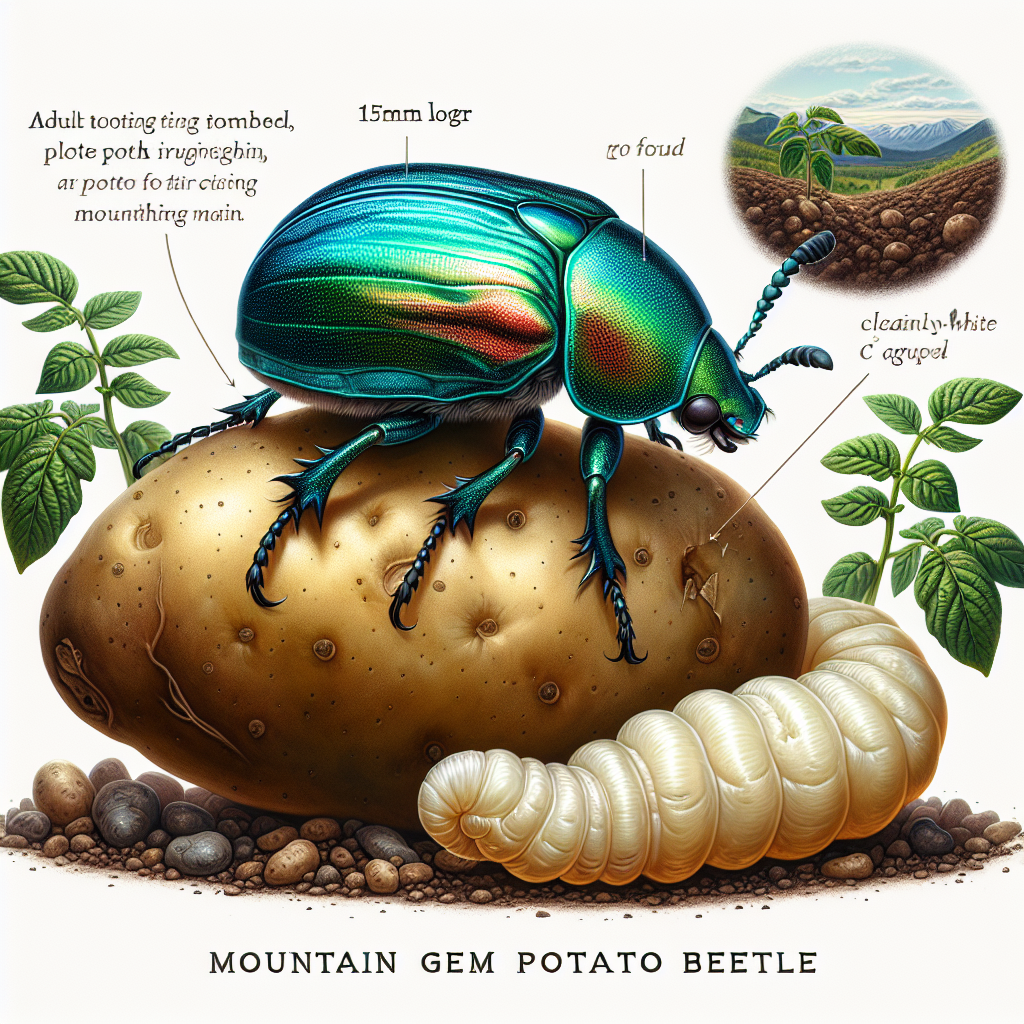
Mountain Gem potato
The Mountain Gem potato is a destructive root-feeding beetle pest notorious for targeting potato crops in high-altitude regions, causing severe underground damage that leads to stunted growth and yield losses up to 70%. Native to Andean highlands, its larvae burrow into tubers and roots, making early detection challenging. Effective management combines cultural practices, organic treatments, and vigilant monitoring for sustainable control.
View Guide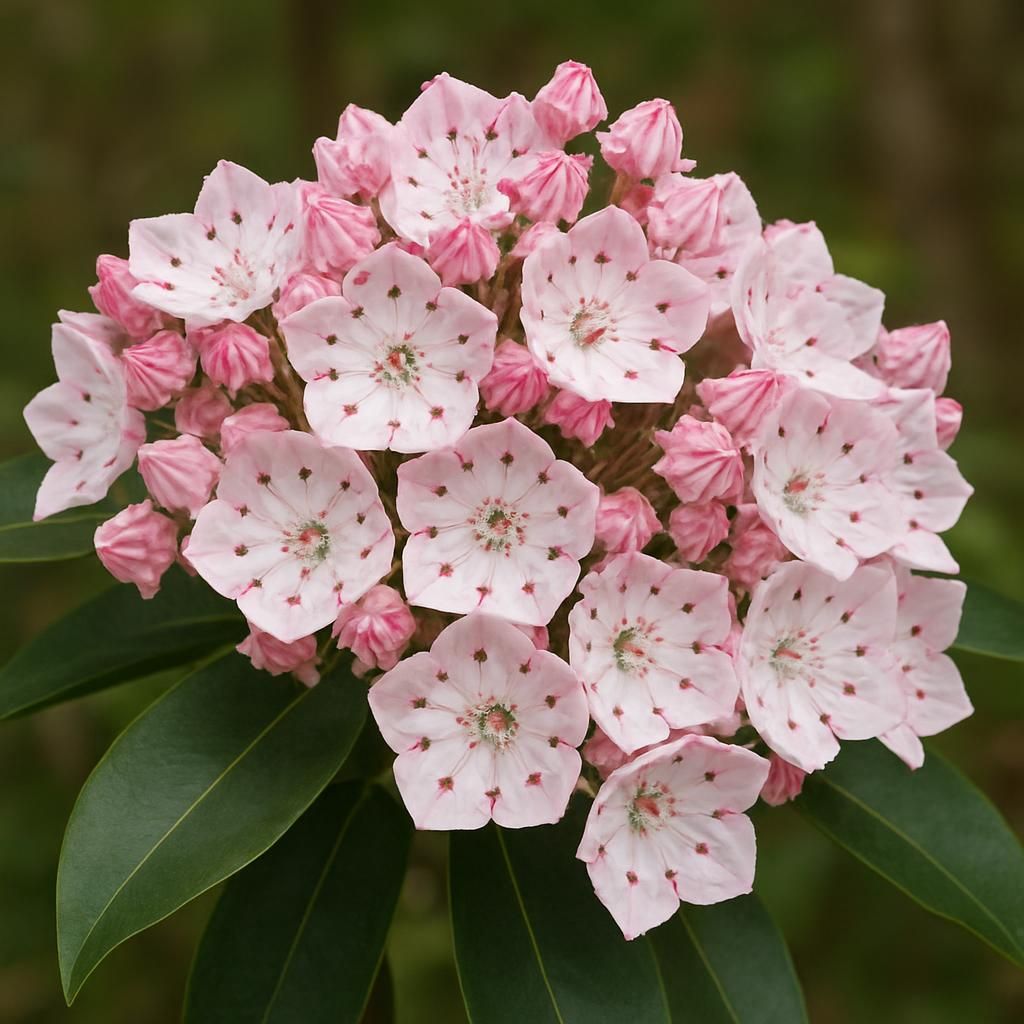
Mountain Laurel
Mountain Laurel is a broadleaf evergreen shrub prized for its spectacular clusters of pink, white, or red star-shaped flowers and its value as a native understory plant. This comprehensive guide covers ideal soil conditions, planting methods, seasonal care schedules, organic pest management, and companion planting strategies for successful cultivation.
View Guide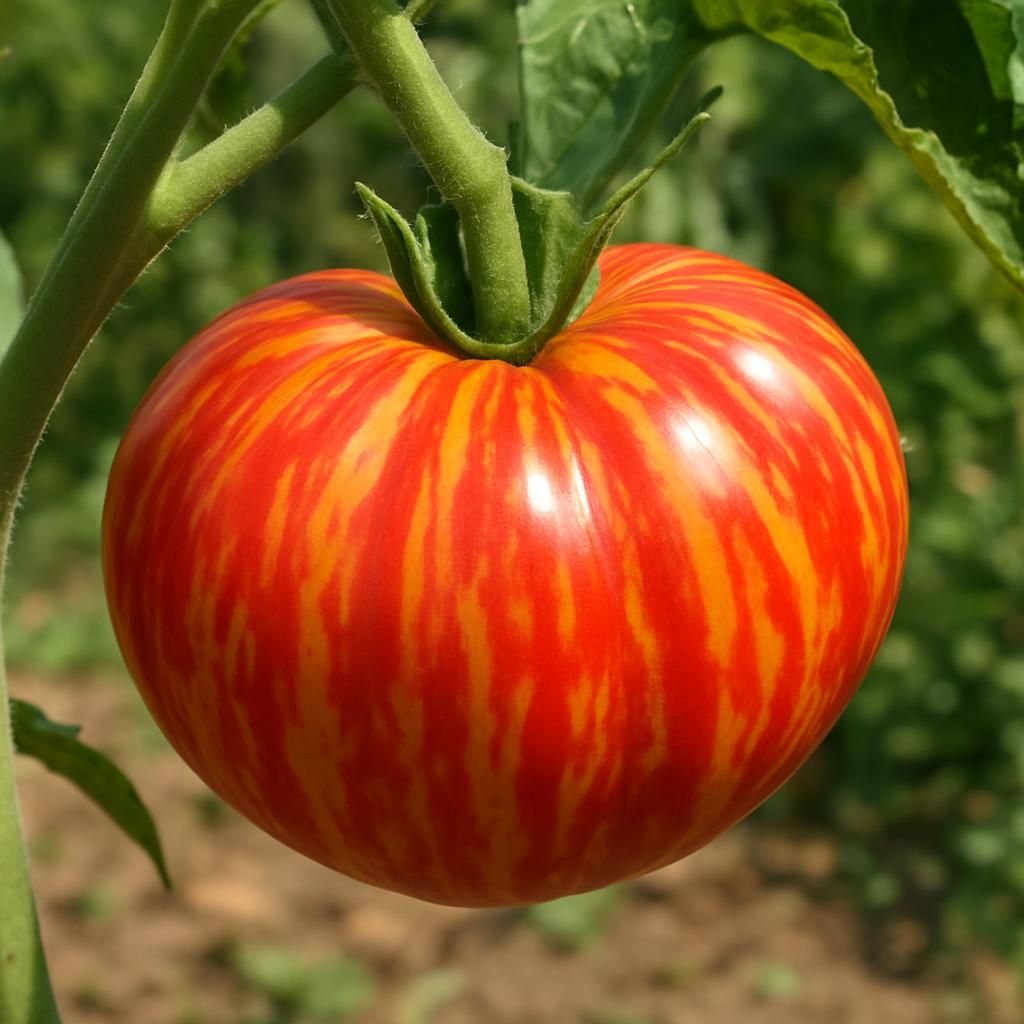
Mr. Stripey Tomato
Mr. Stripey Tomato is a classic heirloom beefsteak variety prized for its large, bicolored fruits with striking red-and-yellow stripes and rich, low-acid flavor. This indeterminate plant delivers high yields when grown with proper support, consistent moisture, and organic fertility management. It excels in home gardens and small farms seeking flavorful, visually distinctive tomatoes for fresh eating and market sales.
View Guide
Mucuna
Mucuna pruriens, commonly known as velvet bean, is a fast-growing tropical legume notorious as an invasive weed pest in agricultural systems, smothering crops with its vigorous vines and dense foliage. This guide provides definitive diagnostic symptoms, lifecycle details, organic management strategies, and prevention tactics for farmers battling mucuna infestations. Effective control hinges on early detection and integrated organic practices to protect yields without synthetic chemicals.
View Profile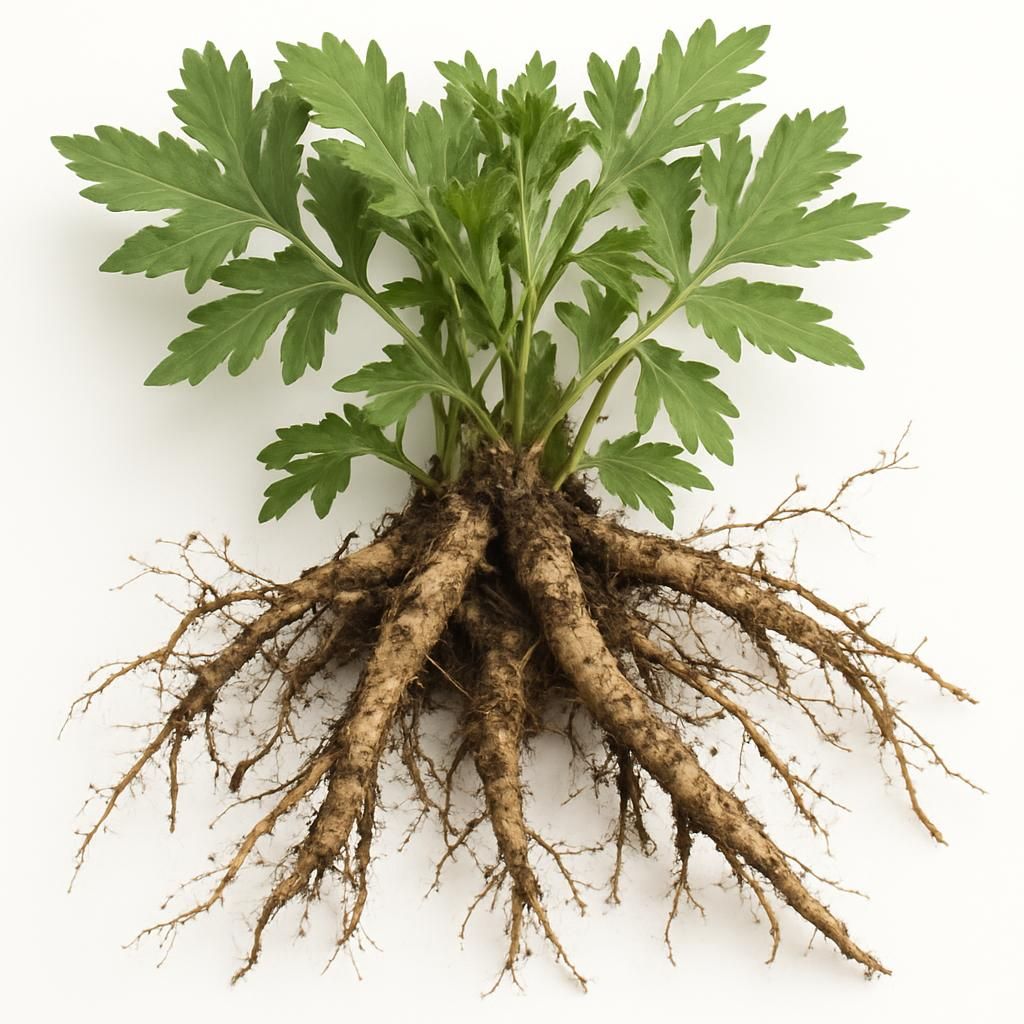
Mugwort Root
Mugwort root is a hardy perennial herb prized for its medicinal rhizomes and aromatic foliage. This guide covers soil needs, propagation, pest management, and harvesting techniques for reliable yields.
View Guide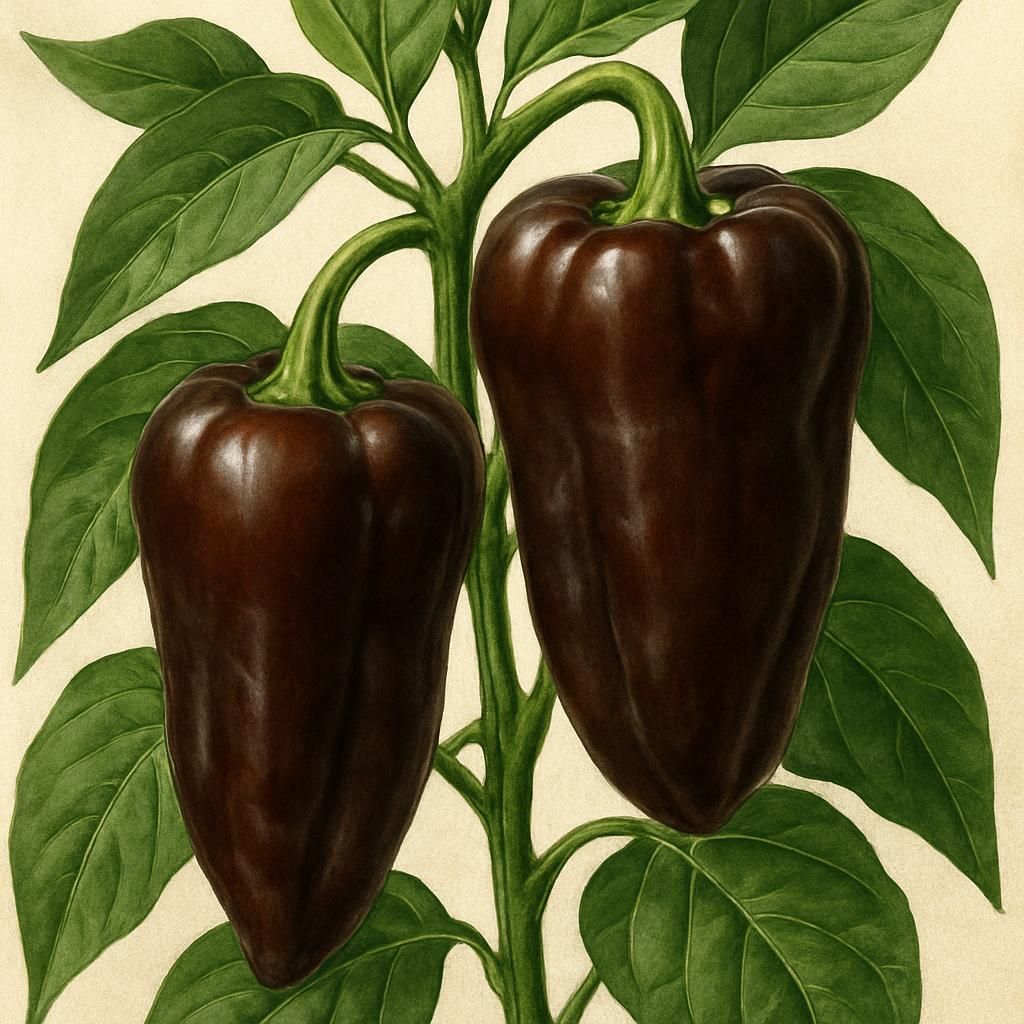
Mulato Pepper
The Mulato Pepper is a mild, thick-walled poblano-type chile prized for its deep chocolate-brown color, rich smoky flavor, and versatility in Mexican cuisine. This comprehensive guide covers every stage of cultivation, from soil preparation and planting through harvest, curing, and storage, with professional-grade tables and organic management strategies.
View Guide
Mulberry (Black)
Black mulberry is a long-lived, highly flavorful fruit tree prized for its intensely aromatic, sweet-tart berries and ornamental value. Slower growing and less widely planted than white mulberry, it rewards patient growers with exceptional fruit quality, strong drought tolerance once established, and a broad adaptation to temperate and subtropical conditions when given deep, well-drained soil and full sun.
View Guide
Mulberry (White)
White mulberry is a fast-growing, adaptable deciduous tree valued for sweet fruit, nutritious foliage, and exceptional resilience across a wide range of soils and climates. Best known historically as the primary feed plant for silkworms, it is also a productive farm and homestead species for fresh eating, drying, shade, windbreak use, and agroforestry systems.
View Guide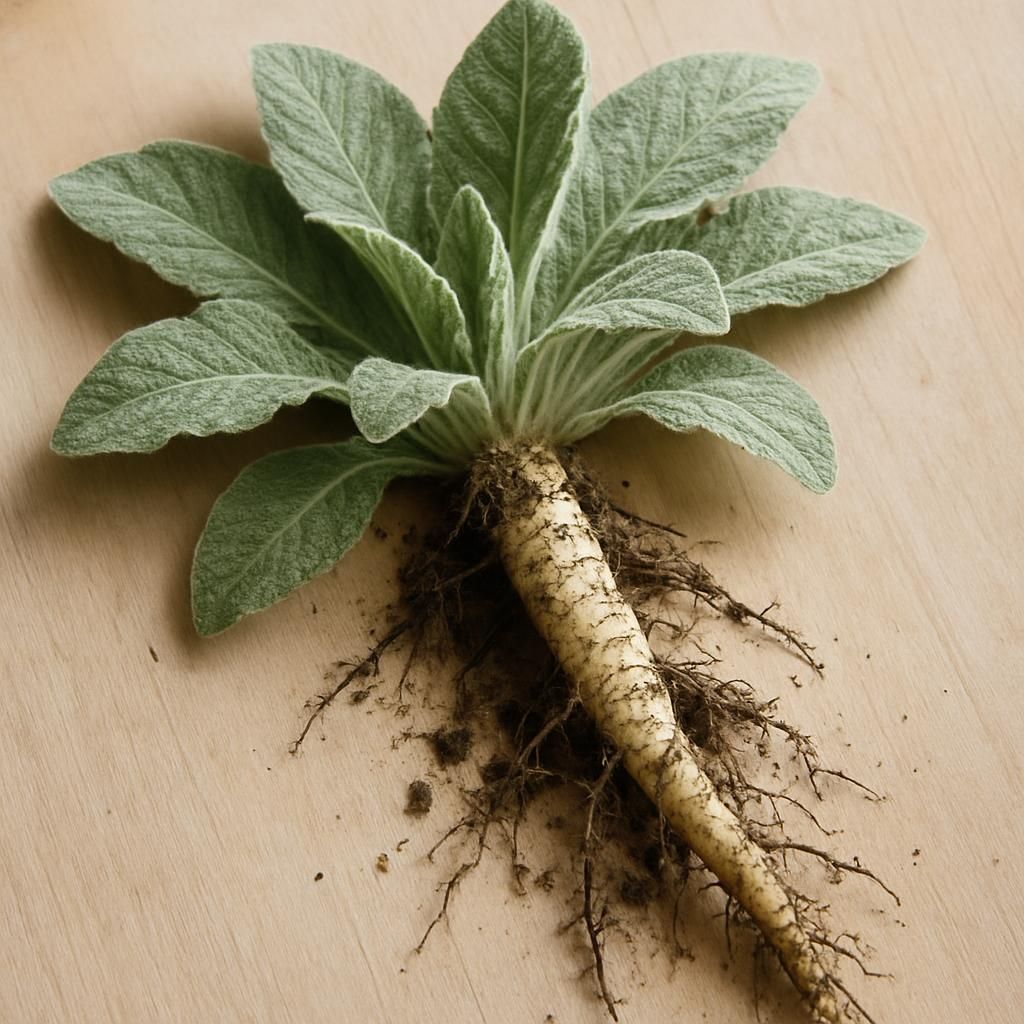
Mullein Root
Mullein root is a deep-taprooted biennial herb valued for its medicinal properties and soil-improving qualities. This comprehensive guide covers everything from soil preparation to harvest, with professional-grade organic practices. Readers will learn precise planting timelines, pest management, and post-harvest curing techniques for high-quality root production.
View Guide
Multiplier Onion
Multiplier onions, also called potato onions or nesting onions, are a hardy perennial Allium that produces clusters of small bulbs from a single planting. They offer reliable yields in cool climates, require minimal space, and store exceptionally well for winter use.
View Guide
Mumijo (Shilajit)
Mumijo, commonly known as Shilajit, is a natural resinous exudate formed from the slow decomposition of plant material in high-altitude rock fissures of the Himalayas and other mountain ranges. It is harvested as a mineral-rich biomass and purified for agricultural and medicinal use. This guide covers its unique cultivation requirements, propagation, maintenance, and harvesting practices for commercial and home growers.
View Guide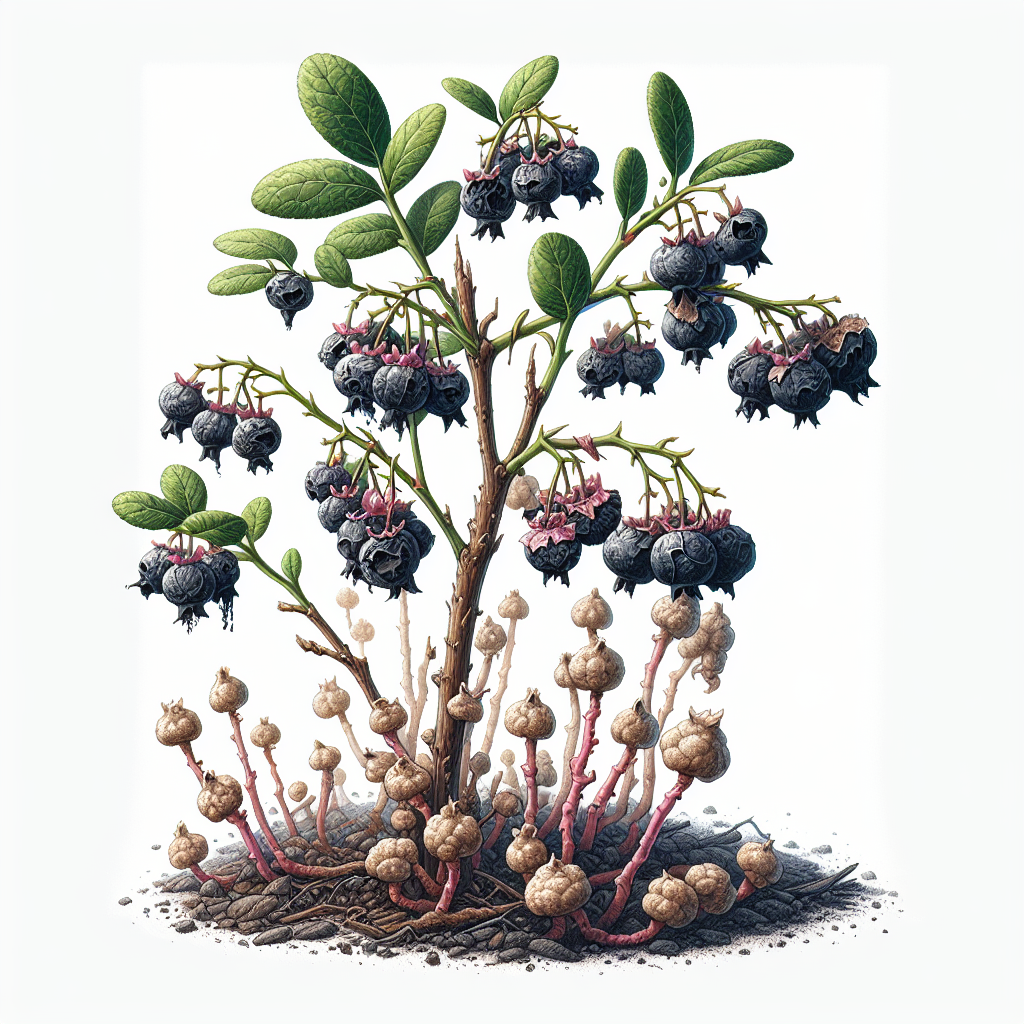
Mummy berry
Mummy berry is a destructive fungal disease caused by Monilinia vaccinii-corymbosi that primarily affects blueberry crops, turning developing berries into hard, shriveled 'mummies.' It spreads through ascospores infecting new leaves and conidia on flowers, leading to significant yield losses if unmanaged. Effective control relies on cultural practices, sanitation, and targeted organic fungicides during key infection periods.
View Profile
Mundu (Garcinia dulcis)
Mundu, scientifically known as Garcinia dulcis, is a tropical evergreen tree prized for its sweet, aromatic yellow fruits with a honey-like flavor. Native to Southeast Asia, it thrives in humid climates and offers commercial potential for fresh markets, juices, and preserves. This guide provides expert cultivation techniques for optimal yields.
View Guide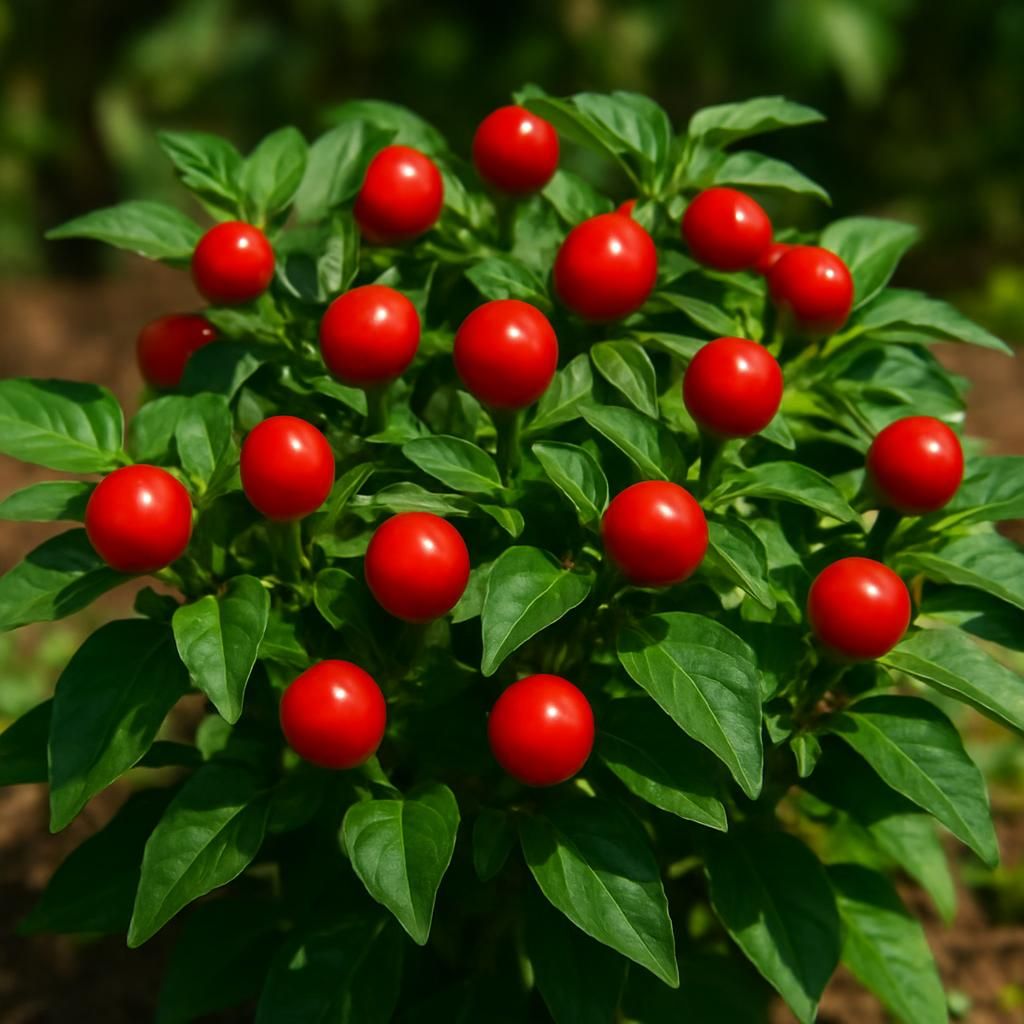
Mundu Chili
Mundu Chili is a compact, high-yielding Capsicum annuum cultivar prized for its small, round, intensely flavored pods that mature from green to bright red. It thrives in tropical and subtropical climates and is valued for both fresh culinary use and dried spice production. This definitive guide covers all stages from soil preparation to post-harvest storage for optimal yields.
View Guide