Introduction to Natal Plum (Fancy)
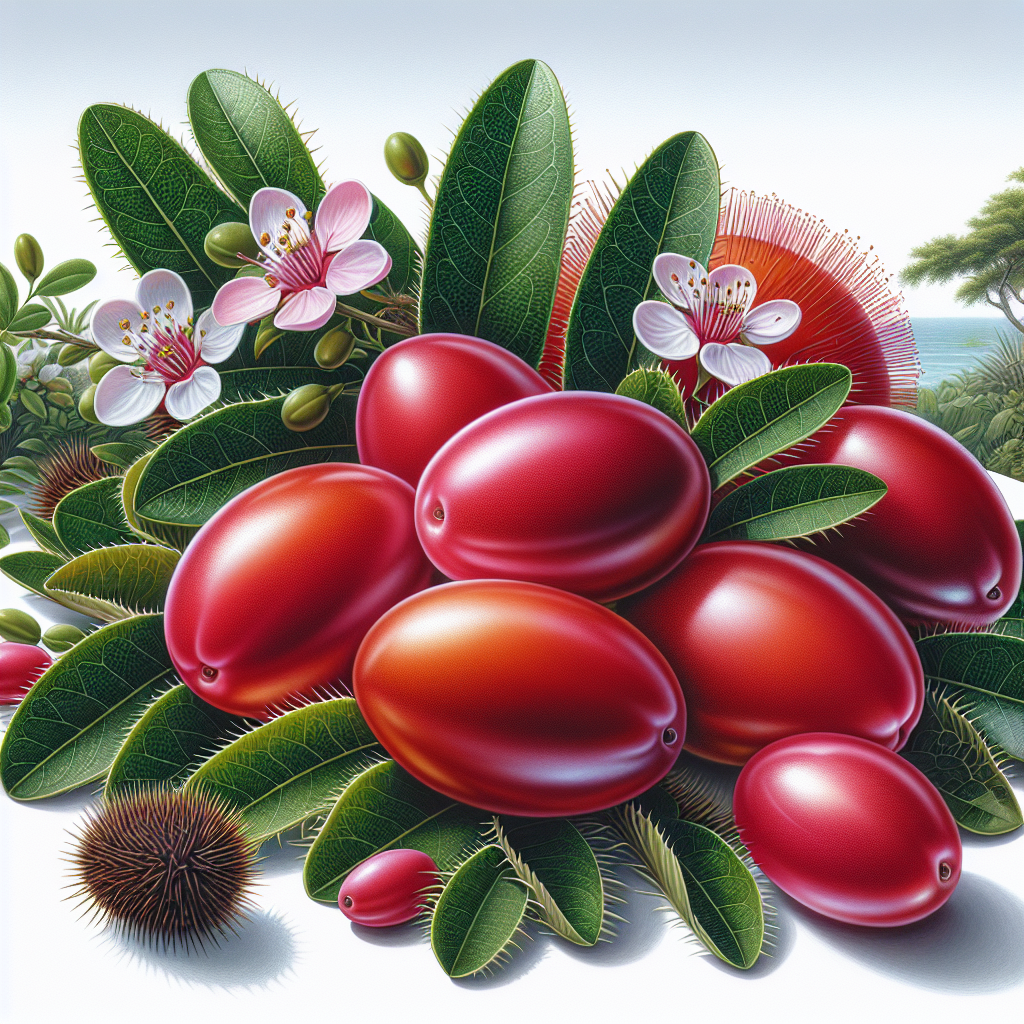
Natal Plum (Fancy), a select cultivar of Carissa macrocarpa, stands out as one of the most versatile and visually striking edible landscape plants available to gardeners today. Native to the coastal dunes of South Africa's Eastern Cape, this evergreen shrub has earned its 'Fancy' designation through its compact growth habit, profuse blooming, and exceptionally flavorful fruits that ripen to a deep, glossy crimson. Unlike standard Natal Plum varieties, the Fancy cultivar features denser foliage, more abundant flowers, and fruits with superior sweetness balanced by a pleasant tartness, making it a favorite for both ornamental and culinary use.
What sets Natal Plum (Fancy) apart in modern agriculture and home gardening is its remarkable adaptability. It flourishes in harsh coastal conditions, tolerates salt spray, and withstands drought once established, yet it performs equally well in urban containers or as a formal hedge. Gardeners appreciate its year-round interest: fragrant, star-shaped white flowers emerge continuously, followed by edible berries that can be harvested fresh, juiced, or preserved into jams, jellies, and sauces. With fruits containing up to 10% sugar and rich in vitamin C, this plant offers nutritional value alongside aesthetic appeal. For small farms or homesteads, it provides a reliable, low-input crop that enhances biodiversity while generating side income through farmers' markets or value-added products. Plum (crop) shares some fruit characteristics but lacks the salt tolerance and evergreen nature of this subtropical gem.
This comprehensive guide dives deep into every aspect of cultivating Natal Plum (Fancy), from site selection to post-harvest handling, empowering growers to maximize yields and plant health. Whether you're establishing a seaside hedge or scaling up for commercial production, mastering this crop unlocks a pathway to resilient, productive landscapes.
Botanical Profile of Natal Plum (Fancy)
Carissa macrocarpa 'Fancy' belongs to the Apocynaceae family, closely related to periwinkle and oleander, sharing their milky sap and paired thorns that deter herbivores. This cultivar typically reaches 4-6 feet in height and width, forming a dense, mounding habit ideal for hedging or topiaries. Its glossy, dark green leaves, measuring 2-3 inches long, provide a lush backdrop for clusters of jasmine-scented flowers that bloom spring through fall, often year-round in frost-free zones.
Fruits develop from pollinated flowers, maturing in 2-3 months to 1-2 inch oval plums with tough, crimson skins and juicy, red flesh surrounding a single large seed embedded in a gel-like matrix. The 'Fancy' selection boasts fruits with enhanced size, uniform color, and reduced seed bitterness compared to wild types. Roots are fibrous and extensive, contributing to drought tolerance, while the plant's paired spines (up to 1 inch long) make it an impenetrable barrier plant.
Growth is rapid in the first 2-3 years, slowing to a moderate 12-18 inches annually. It's dioecious or hermaphroditic depending on the clone, but 'Fancy' is largely self-fertile, though cross-pollination boosts yields. Hardiness spans USDA zones 9-11, with young plants sensitive to freezes below 28°F (-2°C). In marginal climates, it serves as a high-value annual or container specimen overwintered indoors.
Soil, pH, and Climate Requirements for Natal Plum (Fancy)
Natal Plum (Fancy) thrives in well-drained, sandy or loamy soils, mimicking its native dune habitat. Heavy clays lead to root rot, so amend with 30-50% sand, perlite, or pine bark for optimal aeration. Soil pH ranges from mildly acidic (5.5-6.5) to neutral (7.0), with tolerance up to 8.0 in alkaline coastal sands. Test soil and adjust with sulfur or lime as needed, but avoid over-fertilization, which promotes weak growth.
Climate-wise, it demands full sun (6+ hours daily) for maximum fruiting, though it tolerates partial shade with reduced yields. Ideal temperatures average 70-85°F (21-29°C) daytime, never dipping below 50°F (10°C) for extended periods. It's exceptionally salt-tolerant, enduring ocean spray and saline irrigation up to 4,000 ppm, making it a top choice for seaside farms. Annual rainfall of 30-50 inches suits it well, supplemented by deep watering during establishment (first year) and dry spells thereafter.
Humidity levels above 50% enhance flowering, but excellent drainage prevents fungal issues in wet summers. In containers, use a cactus/succulent mix with added organics. Mulch with 2-3 inches of bark or gravel to conserve moisture and suppress weeds. For small farms facing Why Summer Heatwaves Are Silently Killing Small Farm Yields - And 7 Organic Strategies to Fight Back, this crop's heat tolerance (up to 110°F/43°C) provides a resilient option.
Step-by-Step Planting & Propagation
Propagation
Start with semi-hardwood cuttings in spring or summer: select 4-6 inch tips, strip lower leaves, dip in rooting hormone, and plant in perlite:peat (1:1). Mist daily under plastic until rooted (4-6 weeks) at 75-80°F. Seeds are viable but slower, germinating in 3-6 weeks on heat mats; scarify for better rates. Air-layering works for mature plants.
Planting
Site prep: Dig holes 2x wider than root ball, 12-18 inches apart for hedges. Plant at soil grade in spring after frost risk. For containers (5+ gallons), ensure drainage holes. Water deeply post-planting, then weekly until established (3-6 months). Stake if windy.
Spacing: 4-6 feet for shrubs, 3 feet for hedges. In rows, allow 8-10 feet between for air flow. Incorporate 2-4 quarts compost per plant, avoiding high-nitrogen fertilizers initially. Group plantings for pollination. Expect first fruits in 1-2 years from cuttings.
Care & Maintenance regimes for Natal Plum (Fancy)
Water moderately: 1 inch weekly during growth, tapering to drought-tolerant maturity. Fertilize sparingly—balanced 10-10-10 in spring, micronutrients (iron, magnesium) if chlorotic. Prune post-harvest to shape, removing dead wood; thorns require gloves.
Mulch annually, weed diligently. In zones 8-9, protect from rare frosts with covers. For hedges, shear lightly 2x yearly. Monitor for nutrient deficiencies: yellow leaves signal iron chelate needs. Yields peak at 10-20 lbs per mature plant annually with proper care.
Pests, Diseases & Organic Management
Common pests include aphids, scale insects, and mealybugs, controlled via neem oil or insecticidal soap sprays. Spider mites thrive in dry conditions—mitigate with overhead watering and predatory mites. Birds love ripe fruit; use netting.
Diseases: Root rot from overwatering (Phytophthora); ensure drainage. Powdery mildew in shade—improve air circulation. Organic IPM: Companion herbs like Thyme (crop), beneficial insects, and sanitation. For broader strategies, see Why 90% of Small Farms Fail at Pest Management - And 8 Organic Fixes That Actually Work. Avoid chemicals to preserve self-fertility.
Harvesting, Curing & Optimal Storage
Harvest when fully crimson and slightly soft, twisting gently to avoid sap. Pick every 2-3 days in peak season (summer-fall). Yields: 50-100 fruits per plant. Fruits store 1-2 weeks refrigerated; freeze pulp or process into jelly (high pectin).
No curing needed; rinse and dry. For jam: Simmer with sugar/pectin. Market fresh or as value-added. Shelf life extends with wax coating.
Companion Planting for Natal Plum (Fancy)
Pair with salt-tolerant natives like Yarrow (crop) for pest repulsion, Nasturtium (crop) as trap crop, or Thai Basil (crop) for aroma synergy. Avoid heavy feeders like Tomato (crop). Clover (crop) fixes nitrogen. See Why Companion Planting Feels Like Guesswork for Small Farms - And How AI Makes It Foolproof for optimization. Enhances biodiversity, suppresses weeds.