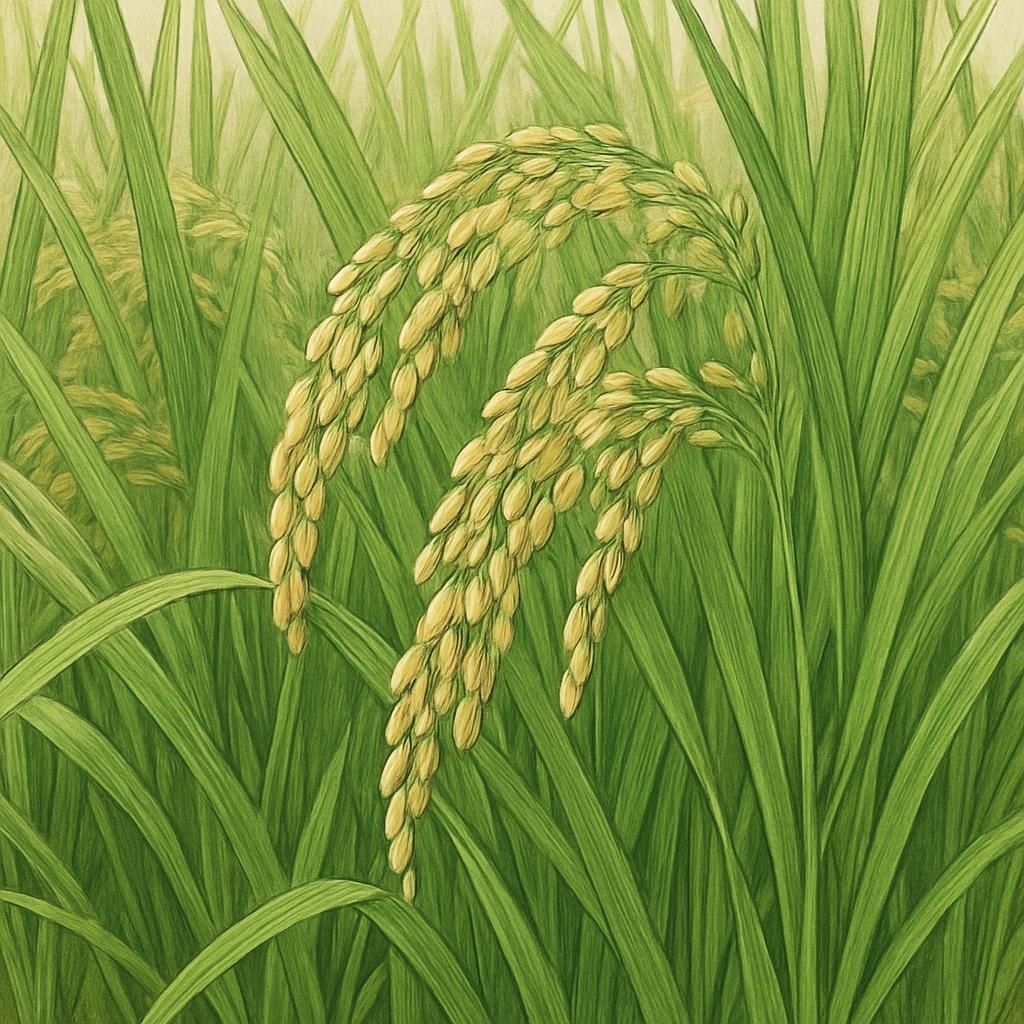
Nanatsuboshi Rice Growing Guide
Introduction to Nanatsuboshi Rice
Nanatsuboshi Rice, originating from the northern landscapes of Hokkaido, Japan, is a much-celebrated variety of Rice. Characterized by its unique stickiness and moderate flavor, this rice variety thrives in cooler climates, which contributes to its renowned taste profile. Often used in Japanese cuisine, Nanatsuboshi Rice has gained international popularity for its quality and adaptability.
Botanical Profile of Nanatsuboshi Rice
Belonging to the species Oryza sativa, Nanatsuboshi Rice is a short-grain variety that epitomizes the delicate balance required in rice breeding. Its development in Hokkaido ensures a resilient crop capable of tolerating cooler temperatures while enhancing its taste and aroma due to the slower maturation period.
Soil, pH, and Climate Requirements for Nanatsuboshi Rice
Successfully growing Nanatsuboshi Rice begins with understanding its specific soil and climate preferences. Soil should be rich and well-drained, with the ability to retain adequate moisture—a critical factor for optimal growth.
| Parameter | Ideal Conditions |
|---|---|
| Soil Type | Loam, Clay |
| pH Range | 5.5 - 6.5 |
| Temperature | 18 - 24°C |
| Rainfall | 600 - 1200 mm per year |
The region of Hokkaido offers these ideal growing conditions naturally, making it the perfect environment for cultivating this rice.
Step-by-Step Planting & Propagation
- Seed Selection: Choose high-quality seeds from certified suppliers.
- Soil Preparation: Ensure fields are leveled and plowed early, incorporating organic matter such as compost for enhanced fertility.
- Sowing: Start seeds indoors in trays to allow germination, typically 4-5 weeks before transplanting.
- Transplanting: Move seedlings to flooded fields once they reach a suitable height, maintaining an even spacing for air circulation and growth.
- Water Management: Maintain a flooded field to suppress weeds and provide necessary nutrients.
Care & Maintenance regimes for Nanatsuboshi Rice
Ensuring the health of your rice crop necessitates meticulous care routines, especially concerning irrigation, fertilization, and pest management.
| Aspect | Schedule/Details |
|---|---|
| Water | Keep fields flooded, ensure proper drainage |
| Fertilizer | Use balanced N-P-K fertilizer post-transplanting |
| Pruning | N/A |
Proper water and nutrient management is pivotal to prevent issues like sheath rots and other diseases.
Pests, Diseases & Organic Management
Nanatsuboshi Rice is susceptible to common rice pests such as Spider Mites and fungal infections like blast. Employing organic management techniques is vital:
- Pest Control: Utilize companion planting or biological controls.
- Disease Management: Ensure proper water management and crop rotation to minimize fungal diseases.
- Organic Solutions: Neem oil and natural predators can effectively control minor infestations.
For a comprehensive approach to pest and disease management, refer to 7 Summer Pest Traps That Sabotage Small Farm Harvests.
Harvesting, Curing & Optimal Storage
Nanatsuboshi Rice requires precise timing for harvesting; typically, this is when 80% of the grains have ripened. Harvest with care to maintain grain quality, followed by:
- Curing: Dry grains under the sun or in controlled environments to reduce moisture content.
- Storage: Keep in cool, dry, airtight containers to maintain freshness and prevent pest infestations.
Companion Planting for Nanatsuboshi Rice
Utilizing companion plants such as Thyme can bolster resistance to pests and add biodiversity to the field. Explore more about companion planting in Summer Companion Planting: 10 Organic Pairings to Boost Small Farm Resilience.