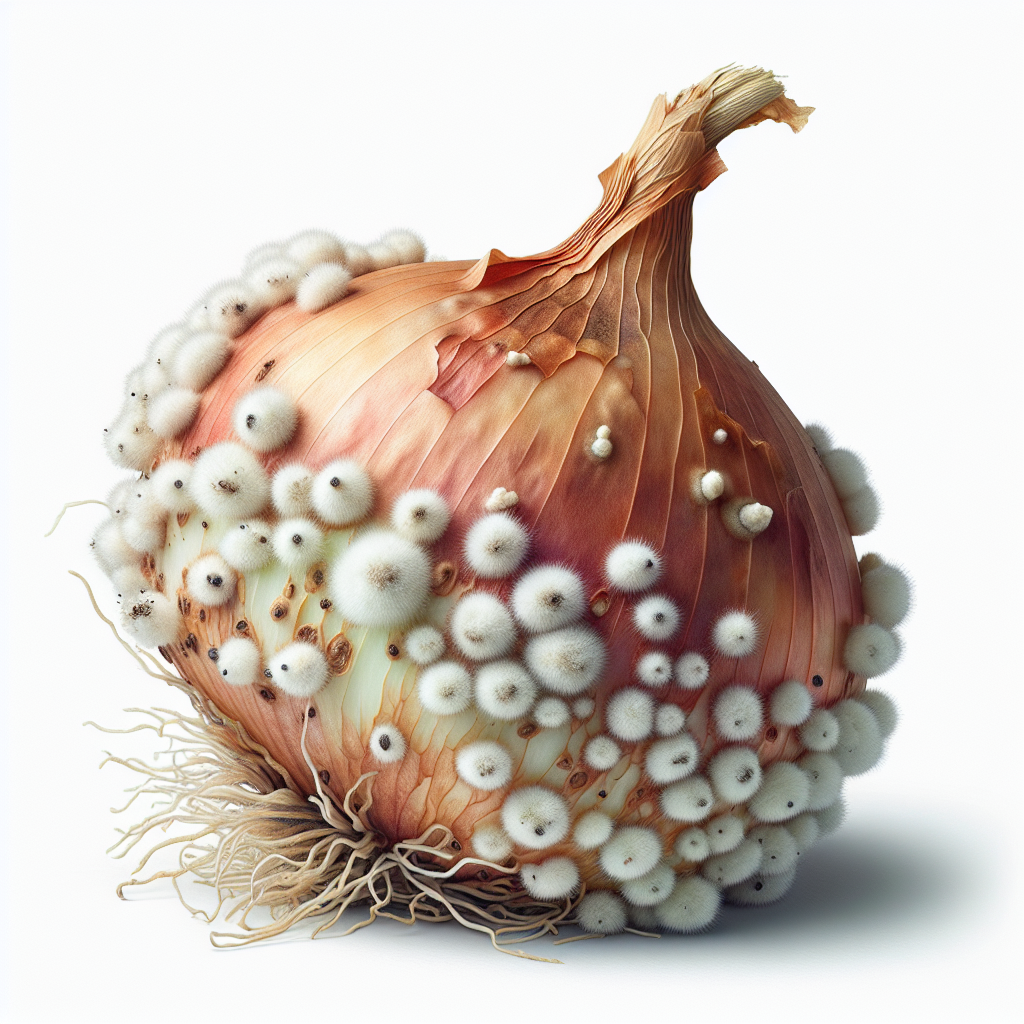
Introduction to Neck rot
Neck rot is one of the most destructive fungal diseases impacting onion and garlic crops worldwide, particularly in temperate growing regions. Caused mainly by the fungus Sclerotinia sclerotiorum (often referred to as white mold), this disease attacks the neck and bulb areas of allium crops, leading to significant yield losses of up to 50-100% in severe outbreaks. The pathogen produces hard, black sclerotia—resting structures that can survive in soil for 5-8 years, making long-term control challenging.
Farmers first notice neck rot during harvest or storage when necks soften, turn brown, and develop a fluffy white mycelium under humid conditions. Affected bulbs become lightweight, wrinkled, and emit a musty odor as secondary bacteria invade. This guide provides professional-grade diagnostic criteria, lifecycle insights, and organic management strategies to help growers protect their crops. Early detection and prevention are key, as chemical fungicides offer limited efficacy against sclerotia. For small-scale and commercial operations, integrating crop rotation, sanitation, and biological controls is essential. Learn more about optimizing farm strategies in this blog on soil health mastery.
Identifying Symptoms & Damage
Accurate diagnosis of neck rot begins with recognizing its distinct symptoms, which differ from similar issues like Fusarium basal rot or Rhizoctonia diseases. Initial signs appear 2-4 weeks before harvest on mature plants: necks turn light brown, water-soaked, and soft, often with small, black sclerotia (1-10 mm) embedded in the tissue. Under cool, humid conditions (10-20°C), dense white cottony mycelium covers the neck, sometimes forming a web-like growth that binds multiple plants together.
As the disease progresses, mycelium penetrates bulbs, causing grayish-white rot with black sclerotia scattered internally and externally. Bulbs shrivel, scales separate, and a fermented smell develops. In storage, rotted necks collapse, leading to bulb slippage and total decay. Damage assessment shows 20-30% yield loss in fields, escalating to 70-100% in storage without intervention.
Differentiate from bacterial soft rot (slimy, foul-smelling) or blue mold (green spores). Cut affected necks longitudinally: sclerotia confirm Sclerotinia. Yield impacts are severe—lightweight bulbs (<50g) unsellable, reducing marketable yield by 40%. Scout fields weekly from bulb initiation; use a hand lens for early mycelium. Economic thresholds: remove plants if >5% show symptoms pre-harvest.
Lifecycle and Progression of Neck rot
Sclerotinia sclerotiorum has a complex lifecycle adapted for persistence. Sclerotia in soil germinate under cool, moist conditions (8-25°C, >70% humidity), producing apothecia (small, tan mushroom-like structures) that release ascospores. These wind-dispersed spores infect senescing leaves or necks, especially during canopy closure when humidity spikes.
Mycelium spreads internally, forming new sclerotia in dead tissue within 7-14 days. In onions, infection peaks at 50% bulb maturity. Post-harvest, sclerotia form in rotting necks, contaminating soil via harvest debris. One infected plant produces 100-500 sclerotia, each viable for years. Progression: latent (1-2 weeks), symptomatic rot (3-7 days), sclerotia maturation (10-14 days). Overwinters as sclerotia; spring germination risks repeat infections. Crop debris buries sclerotia 2-5 cm deep, ideal for survival.
Environmental Triggers & Risk Factors
Neck rot thrives in cool (15-20°C), wet conditions with prolonged leaf wetness (>48 hours). High humidity from dense planting, poor airflow, or overhead irrigation triggers outbreaks. Soil pH 6.0-7.0, high organic matter, and temperatures 10-25°C favor sclerotia germination. Risk factors include short rotations (<3 years), infected seed bulbs, and mechanical injury during harvest.
Susceptible varieties like Yellow Sweet Spanish onions amplify spread. Excessive nitrogen delays maturity, prolonging susceptibility. Wet harvests (>20% bulb moisture) spike storage losses. Climate change extends cool, damp periods, increasing incidence. Acidic soils (pH<6) suppress but rarely eliminate sclerotia. Monitor downy mildew as it predisposes plants via wounds.
Organic Control & Treatment Plans
Organic management emphasizes cultural, biological, and physical tactics, as fungicides like iprodione have limited soil activity. Step 1: Sanitation—harvest promptly at 50% tops-down; cure bulbs 2-3 weeks at 25-30°C, 50-60% RH to <18% moisture. Discard rotted bulbs; bury debris >30 cm deep or hot compost (>55°C) to kill sclerotia.
Step 2: Biologicals—apply Trichoderma harzianum or Coniothyrium minitans (5-10 kg/ha) pre-planting to parasitize sclerotia. Bacillus subtilis foliar sprays reduce spore germination by 60-70%. Step 3: Rotation—avoid alliums for 4-6 years; plant mustard biofumigants to suppress via glucosinolates.
Step 4: Resistant varieties—choose hybrids like 'Cortland' or 'Redwing' onions. Treatment timeline: Pre-plant soil dilution (flooding reduces sclerotia 80%); in-season: improve airflow, avoid N late. Storage: ventilate at 0-5°C, <70% RH. Integrated plans cut losses 70%. Monitor with bait tests (carrot slices in soil).
Preventing Neck rot in the Future
Long-term prevention integrates IPM. Crop rotation: 4+ years with non-hosts like grains or brassicas; mustard green manures release biofumigants. Site selection: well-drained soils; raised beds reduce wetness. Planting: space 10-15 cm, low N (100 kg/ha), early harvest.
Seed treatment: hot water (48°C, 20 min) kills surface sclerotia. Field practices: undercut harvest to minimize soil splash; windrows dry 1-2 days. Storage: rapid curing, inspect weekly. Soil solarization (6 weeks summer, >40°C) kills 90% sclerotia. Scout with traps; threshold <2% incidence. Track via farm logs for patterns. Future tech like AI forecasting aids timing—see Why Timing Kills Small Farm Profits. Annual soil tests guide amendments.
Crops Most Affected by Neck rot
Primary hosts: onion (80% losses), garlic (softneck varieties worst), leeks, shallots. Secondary: chives, wild alliums. Over 400 plants susceptible, including soybeans, lettuce, sunflowers—rotation critical. Bulb onions suffer most in storage; green onions less due to early harvest. Global impact: $100M+ annual losses in onion production.