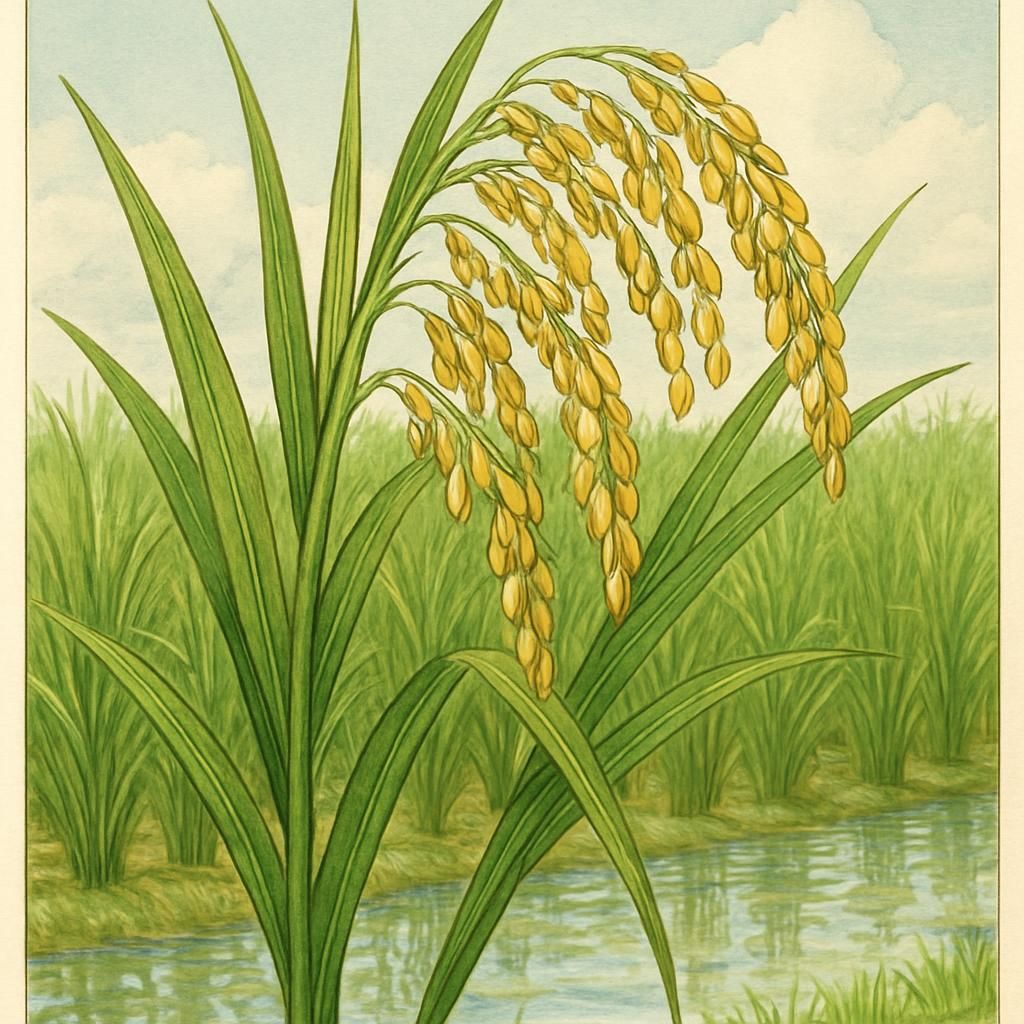
Introduction to Nato Rice
Nato Rice is a versatile and resilient variety of Rice, known for its exceptional adaptability to diverse environments. This grain is characterized by its ability to thrive in both wet and dry conditions, making it a preferred choice for farmers seeking high yields. Nato Rice offers a delicious, nutty flavor and is an excellent source of vitamins, minerals, and dietary fiber, contributing to its popularity in various culinary traditions.
Botanical Profile of Nato Rice
Nato Rice, scientifically referred to as Oryza sativa var. nato, belongs to the Poaceae family. It is an annual grass that typically reaches heights of up to 1.5 meters, featuring long, slender leaves and panicles that bear the rice grains. The plant is cultivated mainly for its grain, which is a primary source of nutrition in many regions across the globe.
Soil, pH, and Climate Requirements for Nato Rice
To maximize yield, Nato Rice requires specific soil and climate conditions. Below is a table summarizing the ideal growing conditions:
| Factor | Ideal Conditions |
|---|---|
| Soil Type | Loamy, well-drained soils |
| Soil pH | 5.5 - 6.5 |
| Temperature | 21°C - 37°C |
| Rainfall | 1000 - 2000 mm annually |
Nato Rice thrives in regions with a tropical to subtropical climate. It requires significant sunlight, and seasonal rains or irrigation to ensure sustained growth through its development phases.
Step-by-Step Planting & Propagation
- Seed Selection: Begin with high-quality, certified Nato Rice seeds. Choosing disease-resistant varieties can enhance yield and reduce pest management costs.
- Soil Preparation: Ensure the land is plowed and leveled. Incorporate organic matter to enhance soil fertility.
- Sowing: Sow seeds either directly into the field or start them in nurseries before transplanting. For direct seeding, ensure even distribution.
- Watering: Maintain consistent moisture levels. Implement irrigation strategies if rainfall is insufficient.
- Spacing: Maintain a spacing of 20 to 25 cm between rows to allow ample space for growth and air circulation.
Care & Maintenance Regimes for Nato Rice
Proper care and maintenance are crucial for achieving an optimal yield. Key maintenance practices include:
| Practice | Schedule and Recommendations |
|---|---|
| Watering | Regular irrigation during the growing season |
| Fertilizing | Apply balanced N-P-K fertilizer at planting and flowering stages |
| Weeding | Conduct regular manual or chemical weeding |
Nato Rice should be monitored for nutrient deficiencies and pests regularly. Implementing a controlled irrigation system will prevent waterlogging, and soil testing will aid in precise fertilization.
Pests, Diseases & Organic Management
Nato Rice is susceptible to various pests and diseases like Spider Mites and leaf spot diseases. Implementing organic management practices, such as crop rotation and maintaining biodiversity with beneficial insects, can minimize damage:
- Natural Predators: Introduce beneficial insects like ladybugs to deter pest populations.
- Neem Oil: Use neem oil sprays to control insect infestations naturally.
- Companion Planting: Use companion plants to attract beneficial insects that prey on common rice pests.
For additional insights on addressing common farm pest issues using organic methods, see our guide on Crop Diseases Under the Microscope: 9 Organic Fixes for Small Farm Resilience.
Harvesting, Curing & Optimal Storage
Nato Rice is typically harvested about four months after sowing, once the grains have matured and moisture content is reduced. To harvest:
- Cutting: The mature plants are cut using sickles or mechanical harvesters.
- Threshing: This involves separating the grains from the stalks, often using threshing machines.
- Drying: Post-harvest, rice grains should be sun-dried or machine-dried to reach a moisture content of about 12%.
- Storage: Store dried rice grains in a cool, dry place, ideally in airtight containers, to prevent mold and pests.
Companion Planting for Nato Rice
Nato Rice benefits from companion planting strategies which help in pest management and enhance crop yield. Ideal companions include:
- Lychee: Known for improving soil conditions and providing shade in intercropping systems.
- Onion: Acts as a natural pest deterrent due to its pungent scent.
Employing these strategies keeps the ecosystem balanced, encouraging healthy growth and reducing the reliance on chemical inputs.