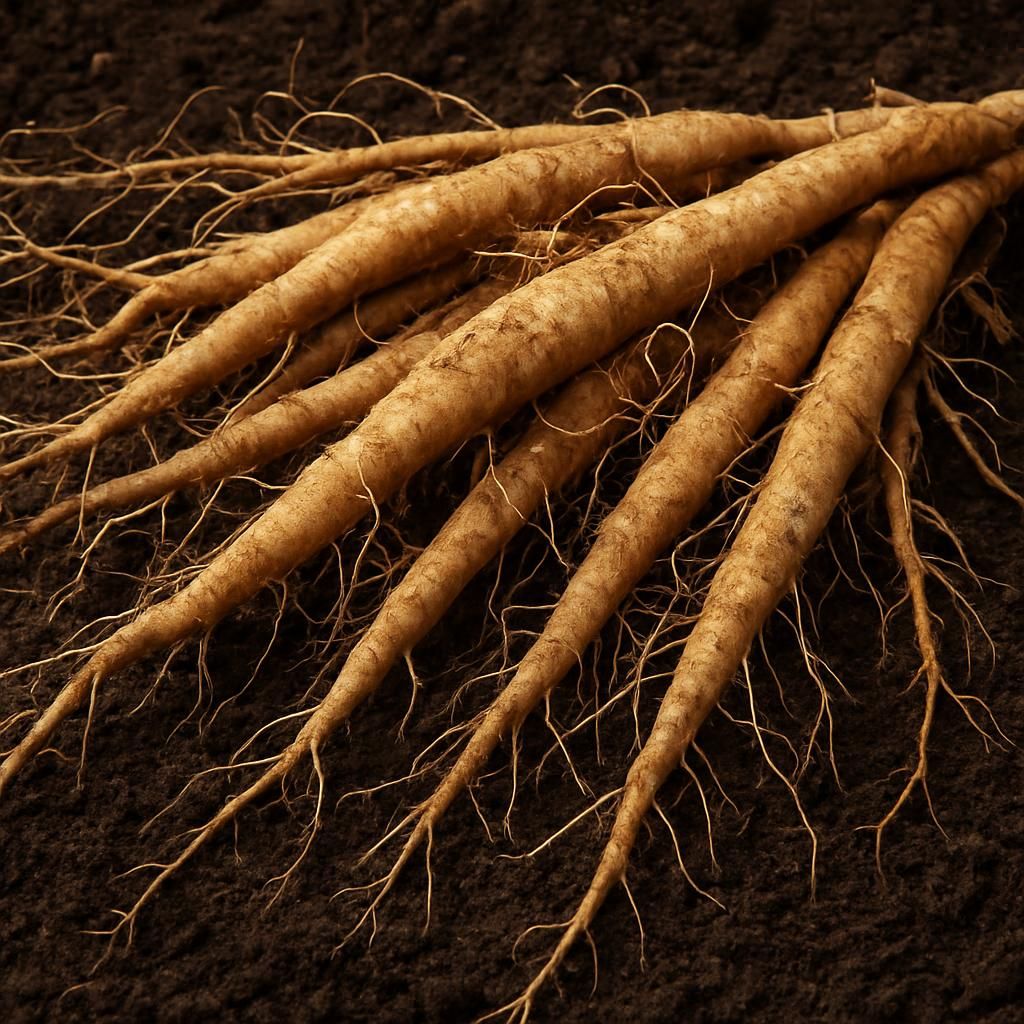
Introduction to Neem Root
Neem Root refers to the harvested root system of the neem tree (Azadirachta indica), a fast-growing evergreen native to the Indian subcontinent. While the leaves, seeds, and bark are widely recognized for their azadirachtin content and insect-repellent properties, the roots contain concentrated triterpenoids and other secondary metabolites valued in organic agriculture and pharmaceutical extraction. Commercial production of neem root focuses on optimizing root biomass and bioactive concentration through controlled propagation, soil management, and harvest timing.
Cultivation of neem root is gaining interest among specialty crop growers seeking drought-tolerant, low-input perennials that improve soil health via deep taproots and allelopathic effects. Unlike leaf or seed harvesting, root production requires careful attention to plant age, soil depth, and post-harvest processing to preserve compound integrity. This guide delivers actionable, field-tested protocols for establishing and managing neem root plantings at commercial scale.
Botanical Profile of Neem Root
Azadirachta indica belongs to the Meliaceae family and develops a robust, deep-penetrating taproot system that can extend 3–5 meters in mature specimens. The roots are typically light brown to yellowish, fibrous in outer layers, and contain high levels of nimbin, salannin, and azadirachtin derivatives. These compounds contribute to the root’s nematicidal, antifungal, and antimicrobial properties, making neem root extracts effective soil amendments.
Young neem seedlings establish a primary taproot within the first 8–12 weeks, followed by extensive lateral root development. Root diameter at harvest (typically 18–36 months) ranges from 2–8 cm depending on spacing and irrigation regime. The root bark is thin and aromatic, while the inner wood is dense and pale. Understanding this architecture is essential for spacing decisions and harvest equipment selection.
Soil, pH, and Climate Requirements for Neem Root
Neem thrives across a wide range of tropical and subtropical conditions but performs best with well-drained soils that allow deep root penetration. The crop tolerates poor fertility and salinity better than most trees, yet optimal root quality and biomass occur under specific parameters.
| Parameter | Ideal Range | Notes |
|---|---|---|
| Soil Type | Sandy loam to loamy sand | Avoid heavy clay; ensure >60 cm depth |
| Soil pH | 6.0 – 7.5 | Slightly acidic to neutral; tolerates 5.5–8.0 |
| Temperature | 25–38 °C daytime | Minimum 10 °C; frost sensitive |
| Annual Rainfall | 400–1200 mm | Supplemental irrigation in dry periods |
| Altitude | 0–1500 m | Best below 1200 m for root development |
| Organic Matter | 1.5–3.0 % | Incorporate compost or well-rotted manure |
Step-by-Step Planting & Propagation
Seed Selection & Pre-treatment: Collect fresh neem seeds from mature, high-azadirachtin mother trees. Soak cleaned seeds in water for 24 hours, then scarify lightly or use 0.5 % potassium nitrate soak to break dormancy.
Nursery Raising: Sow seeds in 15 cm deep polybags filled with sterilized sand:compost mix (3:1). Maintain 30–35 °C and 70 % humidity. Seedlings reach transplant size (30–45 cm) in 10–12 weeks.
Site Preparation: Deep plow or rip soil to 60–90 cm. Incorporate 10–15 t/ha well-decomposed farmyard manure plus 50 kg/ha rock phosphate. Form raised beds 1.2 m wide if drainage is marginal.
Transplanting: Plant seedlings at 3 m × 3 m spacing for root production or 2.5 m × 2.5 m for higher density. Water immediately after planting and apply mulch (5–7 cm) around each stem.
Direct Seeding Option: In regions with reliable monsoon onset, direct sow pre-treated seeds 3–4 cm deep at final spacing. Thin to one vigorous plant per station after 6 weeks.
Care & Maintenance regimes for Neem Root
Consistent but moderate irrigation during the first two years promotes deep rooting. Once established, neem tolerates extended dry periods, though supplemental water during flowering increases root biomass. Fertilizer regimes emphasize phosphorus and potassium to support root development while limiting excessive vegetative growth.
| Growth Stage | Water Schedule | Fertilizer Application | Pruning Schedule |
|---|---|---|---|
| Establishment (0–6 mo) | 15–20 L/plant every 7–10 days | 50 g NPK 10-20-10 at planting; repeat at 3 mo | Remove lower branches at 60 cm height |
| Vegetative (6–18 mo) | 20–30 L/plant every 14–21 days | 100 g NPK 8-16-24 + 5 kg compost per tree at 12 mo | Tip prune to encourage lateral roots |
| Mature (18+ mo) | Rainfed or 30 L every 30 days if dry | 150 g NPK 5-15-25 + micronutrients every 18 mo | Minimal; remove deadwood only |
Pests, Diseases & Organic Management
Neem root plantings experience relatively few serious pest issues due to the tree’s natural insecticidal properties. However, young seedlings can be attacked by Aphids, Termites, and Root-knot nematodes. Monitor for wilting and root galls; solarize nursery soil and apply neem cake at 2 t/ha to suppress nematodes.
Fungal problems such as Root rot (Rhizoctonia and Fusarium species) occur in waterlogged soils. Improve drainage and drench with Trichoderma harzianum at planting. Leaf spot diseases rarely affect roots but can reduce photosynthesis; copper-based sprays at first sign provide control.
Harvesting, Curing & Optimal Storage
Harvest neem roots at 24–36 months when taproot diameter reaches 4–6 cm. Excavate carefully with a modified potato digger or manual fork to minimize breakage. Wash roots immediately to remove soil, then air-dry in shade for 48 hours.
Curing involves slicing roots into 5–10 cm segments and shade-drying to 10–12 % moisture over 7–10 days. Store in breathable jute bags or ventilated crates at 15–20 °C and <60 % RH. Properly cured roots retain >85 % azadirachtin content for 12–18 months. Vacuum-seal or freeze for longer-term pharmaceutical use.
Companion Planting for Neem Root
Neem’s deep roots and allelopathic leaf litter make it an excellent nurse tree for understory crops. Compatible companions include Pigeon pea, Sesame, and Marigold, which benefit from reduced nematode pressure and improved microclimate. Avoid planting shallow-rooted vegetables directly under mature neem canopies due to competition for surface moisture. Intercropping with legumes during the first two years improves soil nitrogen and provides additional income before root harvest.