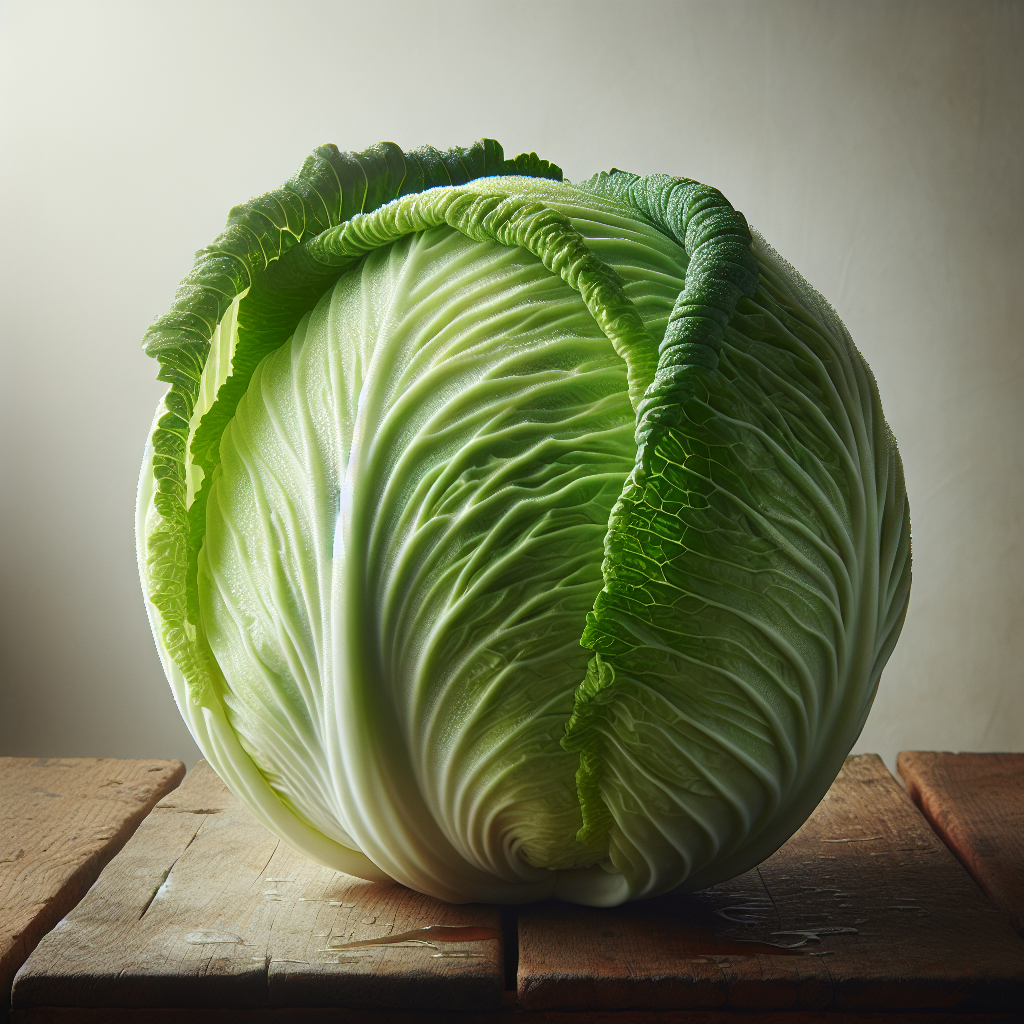
Introduction to Napa Cabbage
Napa cabbage (Brassica rapa subsp. pekinensis), often called Chinese cabbage or celery cabbage, is a staple in East Asian cuisine renowned for its elongated, barrel-shaped heads with crinkly, pale green leaves. Unlike its round-headed cousin, Cabbage, Napa cabbage features a more tender texture and subtler flavor, making it perfect for raw preparations like salads, kimchi fermentation, or quick stir-fries. This cool-season brassica originated in China over 1,500 years ago and has become a global favorite due to its rapid growth cycle—typically 60-90 days to maturity—and impressive nutritional profile, packing vitamins A, C, K, folate, and antioxidants into every bite.
For small-scale farmers and home gardeners, Napa cabbage offers exceptional value: high yields per square foot (up to 10 pounds per plant), successive planting potential for year-round harvests in mild climates, and strong market demand in ethnic groceries and farm-to-table scenes. It's particularly suited to intercropping and companion planting systems, enhancing biodiversity while deterring pests naturally. Whether you're scaling up for profit or filling your kitchen with fresh produce, mastering Napa cabbage cultivation unlocks a reliable, low-maintenance crop that performs reliably across diverse growing zones. For more on optimizing small farm layouts, check this insightful guide on Why Companion Planting Feels Like Guesswork for Small Farms - And How AI Makes It Foolproof.
Botanical Profile of Napa Cabbage
Napa cabbage belongs to the Brassicaceae family, sharing lineage with broccoli, kale, and mustard greens. Botanically, it's Brassica rapa subsp. pekinensis, a non-heading variant of the turnip group distinguished by its loose, layered heads reaching 12-18 inches tall and 10-12 inches wide at maturity. Leaves are broad, wavy-edged, and blanched white at the base, forming dense, cylindrical heads weighing 2-5 pounds. The plant's rosette growth habit features a short central stem with petioles that thicken into crisp midribs, contributing to its signature crunch.
Roots form a shallow, fibrous system extending 12-18 inches deep, highly efficient at nutrient uptake but susceptible to waterlogging. Napa cabbage is cool-season annual or biennial, bolting (flowering prematurely) under heat stress above 75°F (24°C). Popular cultivars include 'Minuto' for baby heads, 'Blues' for bolt resistance, 'Hanoi' for heat tolerance, and 'Cherokee' for flavor depth. Flowers, if allowed to bolt, produce yellow blooms followed by siliques containing 15-20 seeds each. As a diploid species (2n=20), it hybridizes readily with other Brassica rapa types, enabling breeding for disease resistance and yield.
Soil, pH, and Climate Requirements for Napa Cabbage
Napa cabbage demands fertile, well-drained loamy soil rich in organic matter, with pH 6.0-7.0 for optimal nutrient availability. Heavy clays lead to root rot, while sandy soils require amendment with compost to retain moisture and nutrients. Aim for 2-4% organic matter; incorporate aged manure or green manures like clover pre-planting to boost tilth and microbial activity. Test soil annually, correcting deficiencies with balanced fertilizers like 10-10-10 NPK at 1-2 pounds per 100 square feet.
Climatically, it's a cool-season crop thriving in 60-70°F (15-21°C) daytime temps, tolerating light frosts down to 25°F (-4°C). Ideal planting zones are USDA 4-9, with spring crops sown after last frost and fall crops 8-10 weeks before first frost. Day lengths under 14 hours prevent bolting; use shade cloth in warmer regions. Full sun (6-8 hours) is essential, but afternoon shade mitigates heat stress. Irrigation should maintain consistent moisture—1 inch per week—avoiding overhead watering to prevent foliar diseases. Mulch with straw or black plastic to regulate soil temps (ideal 55-75°F) and suppress weeds.
Step-by-Step Planting & Propagation
Seed Starting
Start seeds indoors 4-6 weeks before last frost at 70-75°F soil temp for 80-90% germination in 4-7 days. Sow ¼-inch deep in 72-cell trays with seed-starting mix; thin to strongest seedlings at 2 true leaves. Harden off over 7-10 days before transplanting.
Direct Sowing
In mild climates, direct sow ½-inch deep, 1-2 inches apart in rows 18-24 inches apart. Cover lightly; keep moist until emergence (5-10 days). Thin to 12-18 inches between plants for full-sized heads.
Transplanting
Set 4-6 week old seedlings 12-18 inches apart in rows 24-36 inches wide, burying stems to first true leaves for stability. Water deeply post-transplant; use row covers for flea beetle protection.
Propagation Alternatives
Save seeds from bolted plants by isolating 50 feet from other brassicas; harvest siliques when brown. Root cuttings from healthy midribs root readily in perlite for clonal propagation, though seeds are most common.
Plant densely for baby greens (4-6 inches apart) or space wider for heads. Succession plant every 2 weeks for continuous harvest.
Care & Maintenance regimes for Napa Cabbage
Water consistently to 1-1.5 inches weekly, using drip irrigation to keep foliage dry. Fertilize at planting with 5-10-10 (½ pound per 100 sq ft), side-dress with nitrogen (e.g., blood meal) at 4 weeks, and again at head formation. Thin aggressively to prevent crowding, which invites disease.
Weed meticulously early on; mulch after establishment suppresses competition. Hill soil around bases at 4-6 weeks to blanch stems and support heavy heads. Scout weekly for nutrient deficiencies—yellowing lower leaves signal nitrogen lack; purple tinges indicate phosphorus shortage.
For bolting prevention, select resistant varieties and maintain cool conditions. Use floating row covers for pest exclusion and frost protection. Rotate with non-brassicas every 3-4 years to break pest cycles. In containers, use 5-gallon pots minimum per plant with potting mix amended 20% compost.
Pests, Diseases & Organic Management
Common pests include cabbage worms, aphids, flea beetles, slugs, and root maggots. Handpick worms; apply BT (Bacillus thuringiensis) at first sign. Blast aphids with strong water streams or use insecticidal soap. Diatomaceous earth deters flea beetles and slugs; nematodes target maggots.
Diseases like clubroot, downy mildew, black rot, and Fusarium wilt thrive in wet, acidic soils. Prevent with liming to pH 6.5+, 3-year rotation, and disease-free seed. Remove infected plants immediately; apply copper fungicides organically. For comprehensive pest strategies, explore Spring Pest Patrol: Organic AI Strategies to Shield Your Crops from Common Invaders. Ensure good airflow via spacing; avoid overhead irrigation.
Harvesting, Curing & Optimal Storage
Harvest when heads are firm and tight, 60-90 days post-transplant, weighing 2-4 pounds. Cut at base with sharp knife, leaving outer wrapper leaves for protection. For baby cabbage, harvest at 4-6 inches. Succession harvests extend yield.
No curing needed, but field-cure 1-2 days in shade to dry outer leaves. Store at 32-35°F (0-2°C) with 95-100% humidity in perforated plastic bags; lasts 2-3 months. Avoid ethylene producers like apples. For processing, ferment promptly or refrigerate whole heads up to 1 month.
Companion Planting for Napa Cabbage
Napa cabbage excels with companions that deter brassica pests and improve soil: plant with dill, sage, rosemary, onions, beets, and celery. Nasturtium traps aphids; marigolds repel nematodes. Avoid strawberries, tomatoes, and pole beans, which attract shared pests.
Good neighbors: Lettuce, Onion, chamomile, spinach. In guilds, underplant with thyme or yarrow for pest-repelling aromatics. For fall rotations, follow with garlic or peas. Check Fall Companion Planting Guide: Boost Yields and Soil Health for Small Farms and Gardens for seasonal tips.