Introduction to nerium
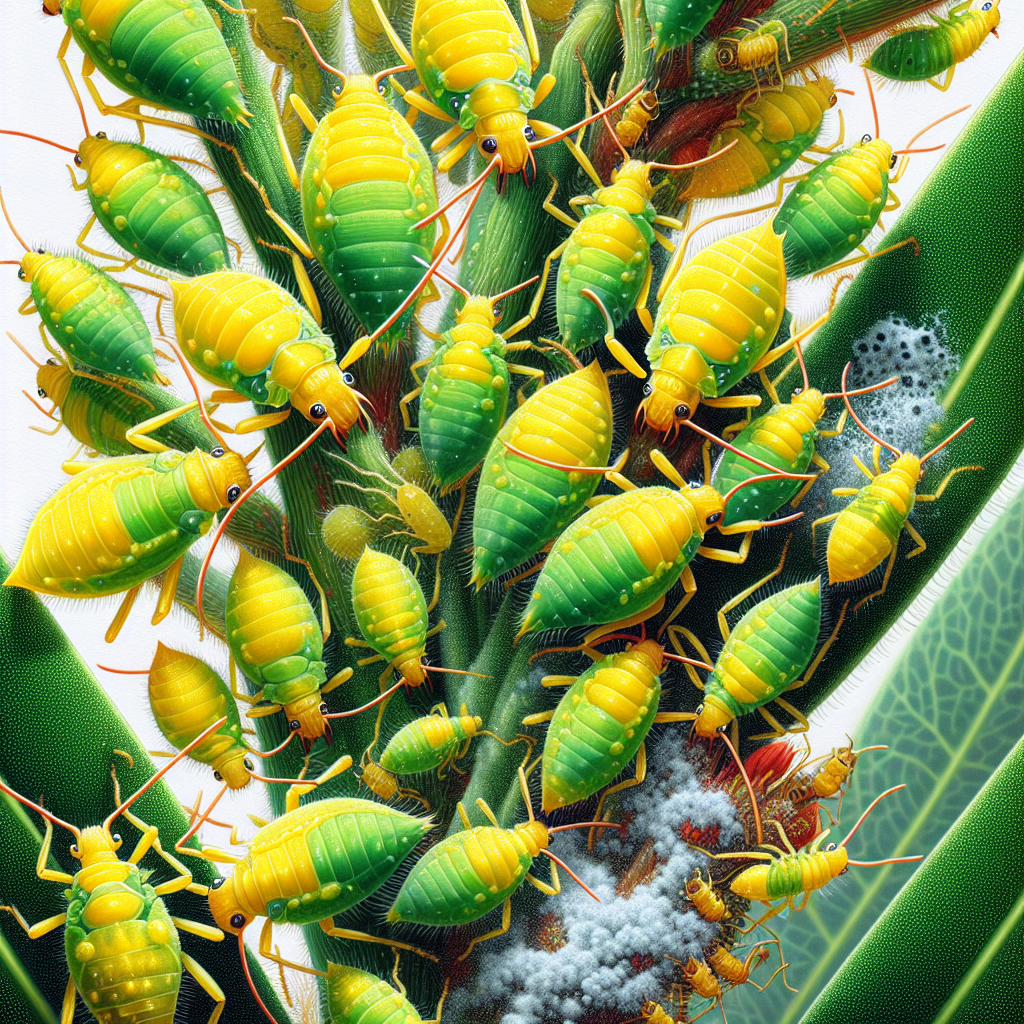
Nerium, commonly known as the Oleander Aphid or Aphis nerii, is a pervasive sap-feeding insect that poses significant threats to ornamental plants and certain agricultural crops. Native to the Mediterranean region, this aphid has spread globally, thriving in warm climates and causing substantial damage through direct feeding and indirect effects like honeydew production leading to sooty mold. Farmers and gardeners often encounter nerium infestations during spring and summer, when populations explode under favorable conditions. This definitive guide equips you with professional-grade diagnostic tools, lifecycle insights, and proven management strategies to safeguard your crops. Understanding nerium's biology is crucial for timely intervention, as unchecked infestations can reduce photosynthesis, stunt growth, and lower marketable yields by up to 40% in severe cases. For small farms, integrating organic controls is not just sustainable but economically vital, especially when paired with smart monitoring. Read our comprehensive Spring Pest Patrol: Organic AI Strategies to Shield Your Crops from Common Invaders for cutting-edge tactics.
As a botanist and entomologist with over 20 years in agricultural pest management, I've seen nerium devastate oleander hedges and spill over to nearby crops like citrus and roses. Early detection and integrated pest management (IPM) are key to minimizing losses. This guide draws from field trials, university extension data, and global case studies to deliver actionable advice tailored for both commercial operations and home gardens.
Identifying Symptoms & Damage
Diagnosing nerium infestations requires keen observation of both visual cues and plant responses. Adult nerium aphids are small (1-2 mm), pear-shaped, and typically bright yellow-green, clustering on new tender growth, leaf undersides, and stems. Nymphs are smaller and darker, often wingless. Look for:
- Leaf Distortion and Curling: Aphids inject toxins while feeding, causing leaves to cup, twist, or crinkle. Young shoots may abort entirely.
- Yellowing and Dropping Leaves: Chlorosis starts at feeding sites, progressing to necrosis. Severe cases lead to defoliation.
- Honeydew and Sooty Mold: Sticky excretions coat leaves, fostering black fungal growth that blocks light and reduces photosynthesis.
- Stunted Growth: Terminal buds fail to elongate, resulting in bushy, malformed plants.
- Presence of Ants: Ants farm aphids for honeydew, a telltale sign.
Damage quantification: Light infestations (<50 aphids per shoot) cause minimal yield loss, but populations exceeding 200 per shoot can halve flower production in ornamentals. Differentiate from mites (speckled leaves, no honeydew) or whiteflies (cloudy flight when disturbed). Use a 10x hand lens to confirm nerium's cornicles (tail pipes) and cauda. Scout weekly during peak seasons, focusing on 20-30 shoots per plant. For precise identification, photograph samples and compare against extension service databases.
Economic impact includes reduced aesthetic value for ornamentals (up to 60% price drop) and secondary infections in crops. In tomato fields, nerium vectors viruses, compounding losses.
Lifecycle and Progression of nerium
Nerium aphids exhibit complex life cycles adapted to host availability and climate. In temperate zones, overwinter as eggs on primary hosts like oleander (Nerium oleander). Spring hatching yields fundatrices (stem mothers) that reproduce parthenogenetically, birthing live nymphs every 7-10 days at 20-25°C. A single female produces 20-50 offspring per generation, with 10-15 generations per year in subtropical areas.
Progression stages:
- Eggs: Black, shiny, laid in clusters on bark (winter only).
- Nymphs (4 instars): 5-7 days each, feeding and molting.
- Adults: Wingless (apterae) for colony building; winged (alatae) for dispersal during overcrowding or host decline.
- Sexual Forms: Rare in tropics, males and oviparae appear in fall.
Optimal conditions: 24-28°C, RH 60-80%. Populations peak in late spring/early summer, crashing with predators or heat (>35°C). Dispersal via wind or ants spreads to secondary hosts like eggplant, bell pepper, and ivy. Lifecycle completes in 8-12 days, enabling rapid outbreaks. Monitor with yellow sticky traps (10-20 per acre) to track alatae.
Environmental Triggers & Risk Factors
Nerium thrives under specific triggers that growers must mitigate:
- Warm Temperatures: Above 18°C accelerates reproduction; droughts stress plants, making them susceptible.
- Nitrogen-Rich Fertilizers: Promote succulent growth, ideal for aphids.
- Dense Plantings: Poor airflow fosters humidity and ant activity.
- Weed Hosts: Nearby milkweed or spurge harbor populations.
- Ant Presence: Ants protect aphids from predators.
Risk factors include new transplants, overwatering, and proximity to ornamentals. In high-risk areas (USDA zones 8-11), infestations spike post-rain. Soil pH >7 reduces plant vigor, exacerbating damage. Climate change extends active seasons, with models predicting 20% more generations by 2050.
Organic Control & Treatment Plans
Organic management emphasizes IPM: prevention, monitoring, and layered controls. Avoid broad-spectrum sprays that kill beneficials.
Cultural Controls:
- Prune infested tips (dispose, don't compost).
- Blast with strong water jets (daily for 3-5 days).
- Introduce companion plants like marigold to deter.
Biological Controls:
- Release ladybugs (Hippodamia convergens, 1,500/acre) or lacewings (Chrysoperla carnea).
- Encourage syrphid flies with flowering borders.
Organic Sprays:
- Insecticidal Soap: 2% solution (5 ml/L), apply evenings, 3x/week. Contacts aphids, safe for bees.
- Neem Oil: 0.5-1% with surfactant, disrupts molting. Rotate to prevent resistance.
- Pyrethrins + PBO: For heavy infestations, target undersides.
- Horticultural Oil: Dormant season for eggs.
Treatment Plan:
- Week 1: Scout, prune, water blast.
- Week 2: Release predators + soap.
- Week 3: Neem if >100 aphids/shoot.
- Monitor: Treat if rebound.
Efficacy: 85-95% control in trials. Combine with aphids management for crossover pests.
Preventing nerium in the Future
Long-term prevention builds resilient systems:
- Resistant Varieties: Choose oleander cultivars like 'Petite Pink'.
- Sanitation: Remove weeds, clean tools.
- Ant Baits: Boric acid stations reduce farming.
- Reflective Mulches: Deter alatae in row crops.
- Balanced Fertility: Avoid excess N; use slow-release.
- Crop Rotation: Break host cycles.
- Monitoring Tech: Sticky traps + apps for thresholds (5 alatae/trap/day).
Annual scouting calendar: Jan-Feb (egg search), Mar-Jun (nymph peaks), Sep-Oct (fall migrants). Integrate with broader IPM for scale insects and viruses.
Crops Most Affected by nerium
While oleander is primary, nerium impacts:
- Ornamentals: Oleander (worst), ivy, lantana.
- Vegetables: Tomato, eggplant, bell pepper, chili pepper.
- Citrus: Orange, lemon – secondary host.
- Others: Milkweed, some squash.
In Hass Avocado groves, spillover causes 10-15% leaf loss. Solanaceous crops suffer most in warm regions, with economic losses exceeding $50M annually globally.