Encyclopedia
Definitive guides for crops, pests, and agricultural diseases.
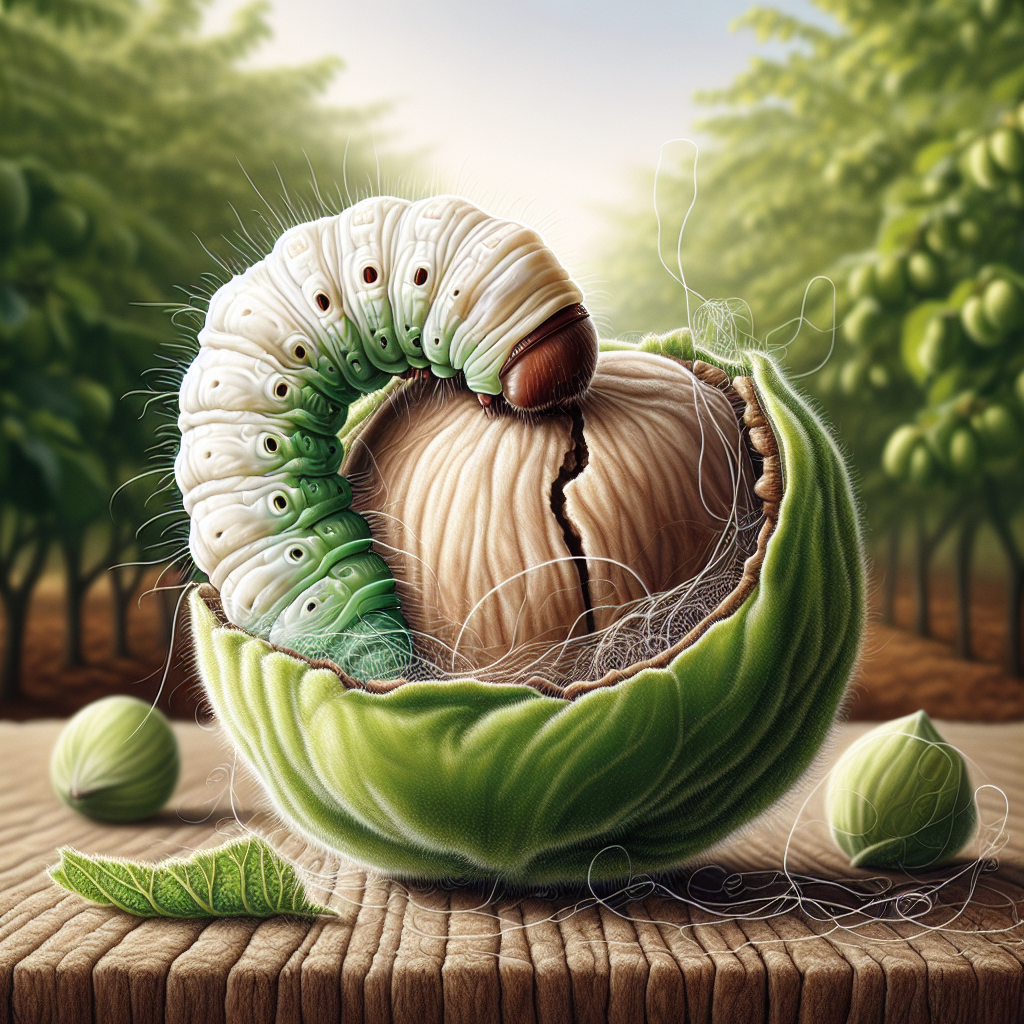
Filbertworm
The filbertworm is a destructive pest targeting hazelnut orchards, with larvae boring into nuts and causing significant yield losses. This guide provides comprehensive diagnostics, lifecycle insights, organic management strategies, and prevention tactics for growers. Effective control hinges on timely monitoring and integrated approaches to protect [hazelnut](/wiki/hazelnut) crops.
View Profile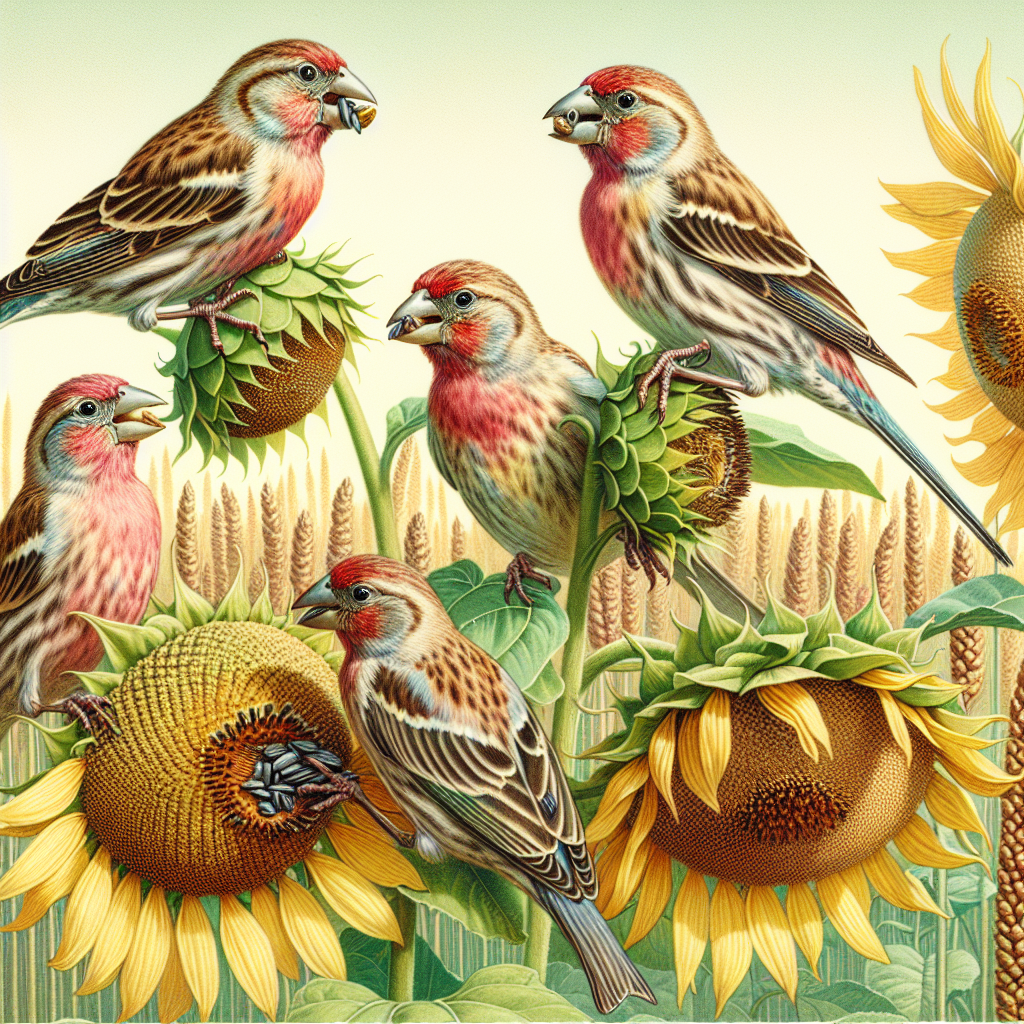
Finches
Finches are small, colorful songbirds that pose significant threats to agricultural crops by devouring seeds, fruits, and buds at critical growth stages. These avian pests can cause substantial yield losses in orchards, grain fields, and vegetable gardens, often arriving in flocks that strip plants rapidly. Effective management combines cultural practices, physical barriers, and humane deterrents for sustainable control.
View Profile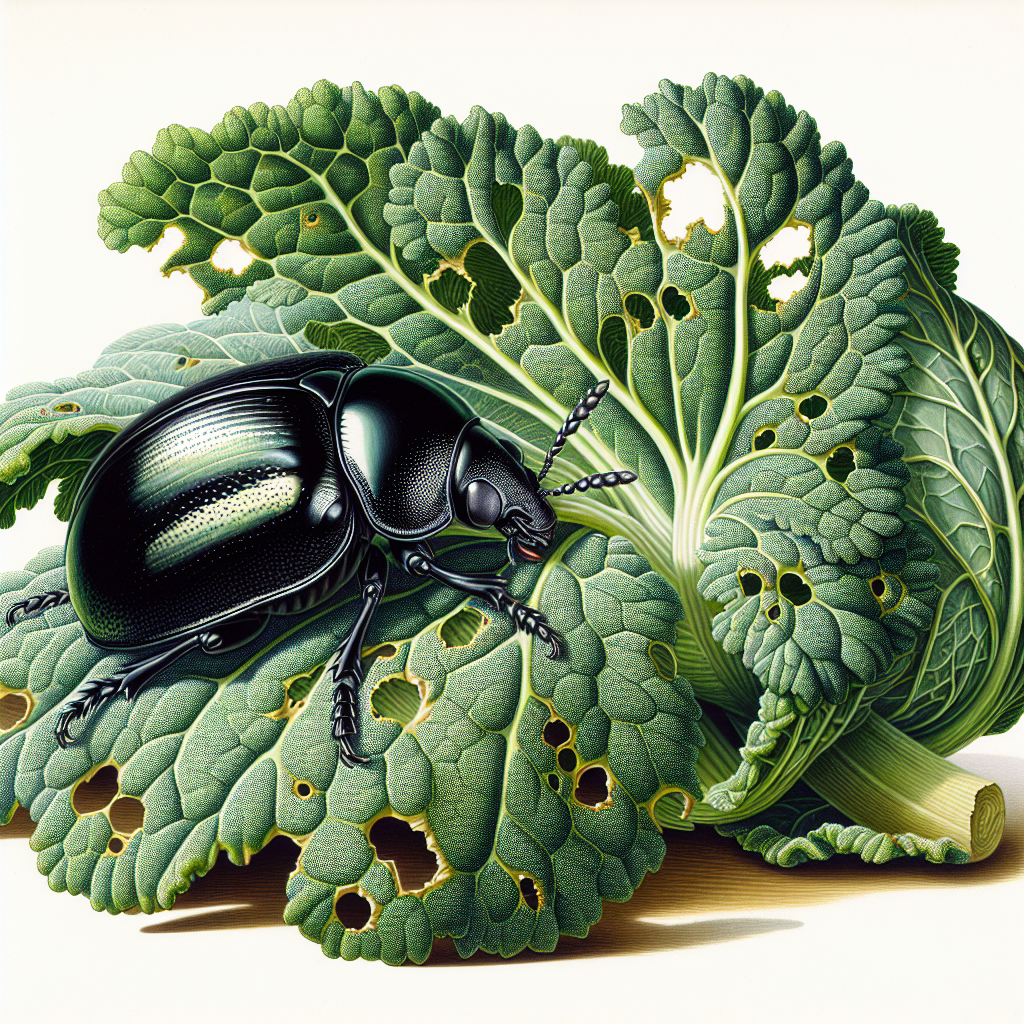
flea beetle
Flea beetles are small, jumping beetles that cause significant damage to young seedlings and brassica crops by chewing small holes in leaves. They are notorious for their ability to leap away when disturbed, resembling fleas. Effective management combines cultural practices, organic controls, and resistant varieties for long-term prevention.
View Profile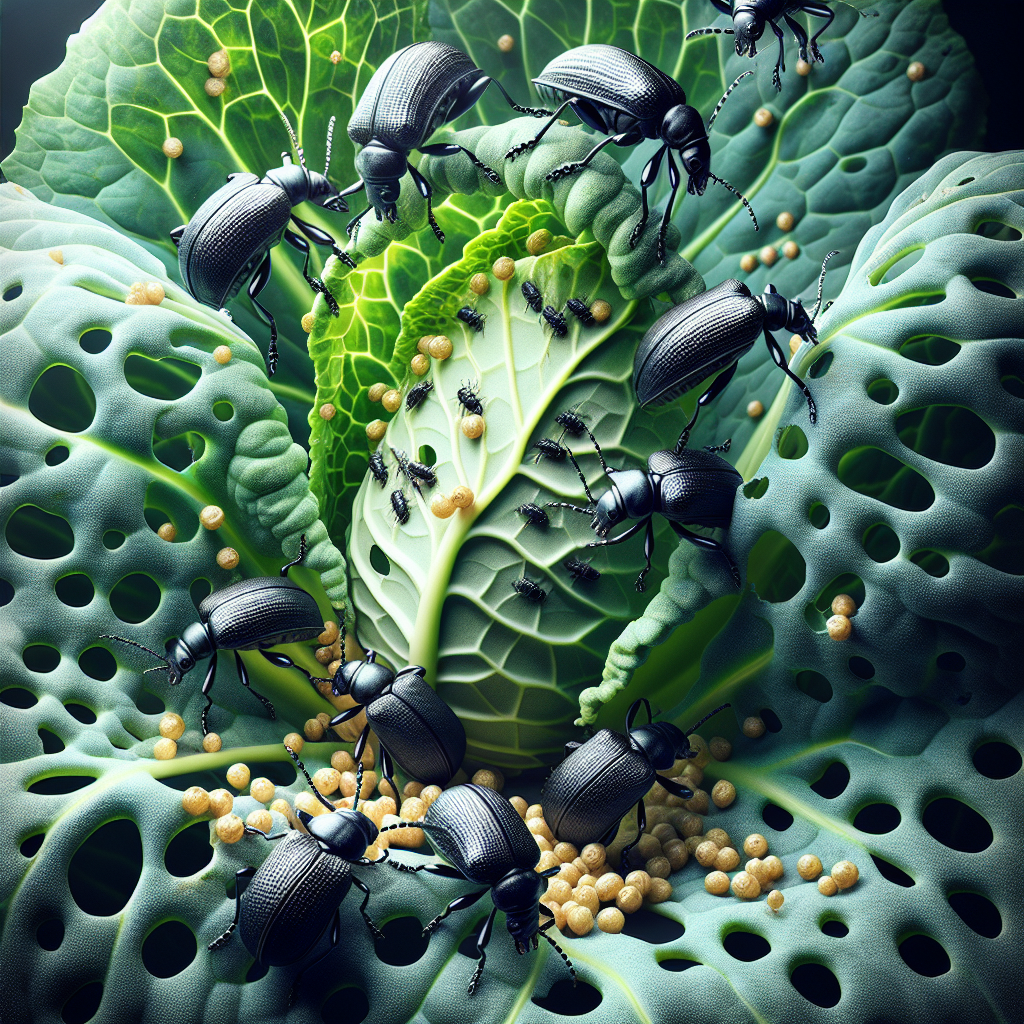
flea beetles
Flea beetles are small, jumping beetles that cause significant damage to young seedlings and brassica crops by feeding on leaves, creating characteristic shot-hole patterns. Effective management combines cultural practices, organic controls, and preventive strategies to protect vulnerable crops like broccoli and radishes. This guide provides diagnostic tools, lifecycle insights, and proven organic treatments for sustainable control.
View Profile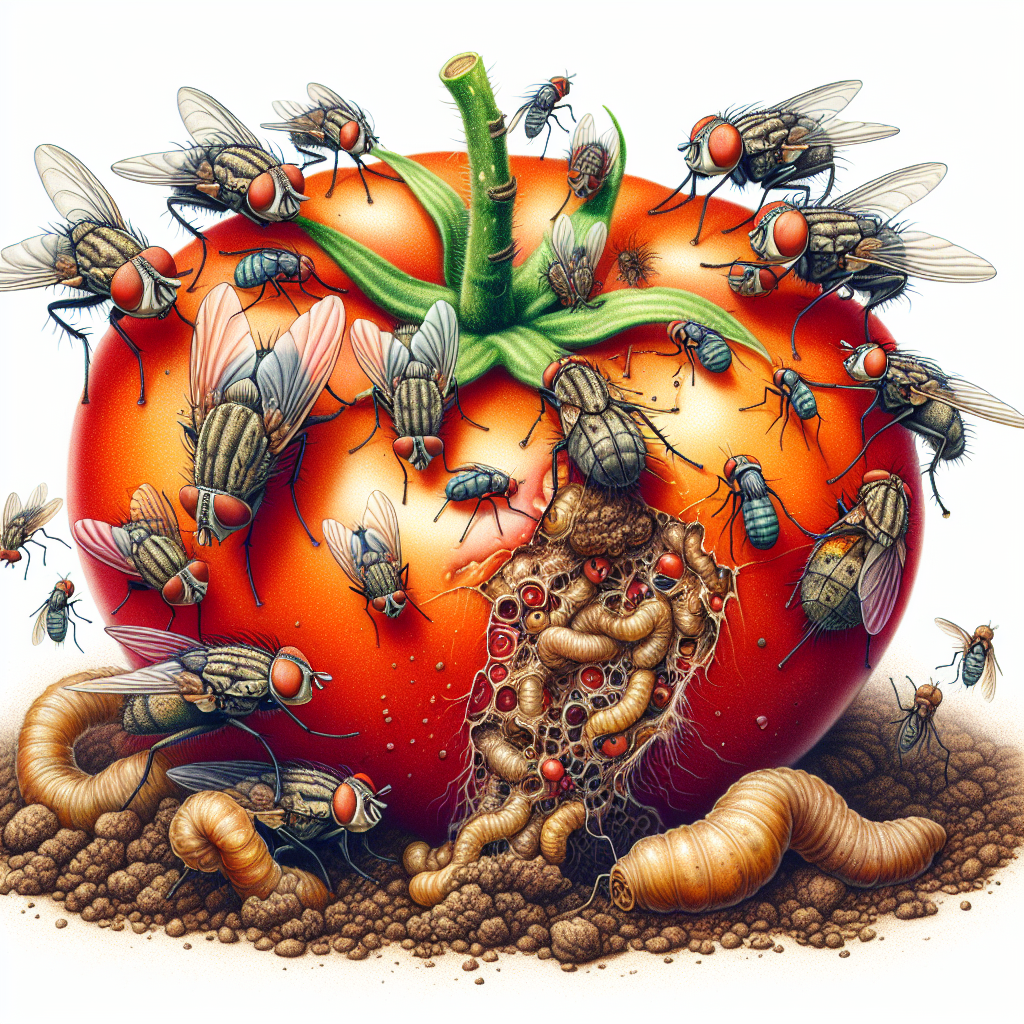
flies
Flies in agricultural settings, primarily from the order Diptera, are ubiquitous pests that transmit diseases, lay eggs in decaying matter, and damage crops through larval feeding. Common species like fruit flies, vinegar flies, and fungus gnats infest overripe produce and moist soils, leading to significant yield losses. Effective management combines sanitation, biological controls, and barriers for sustainable farming.
View Profile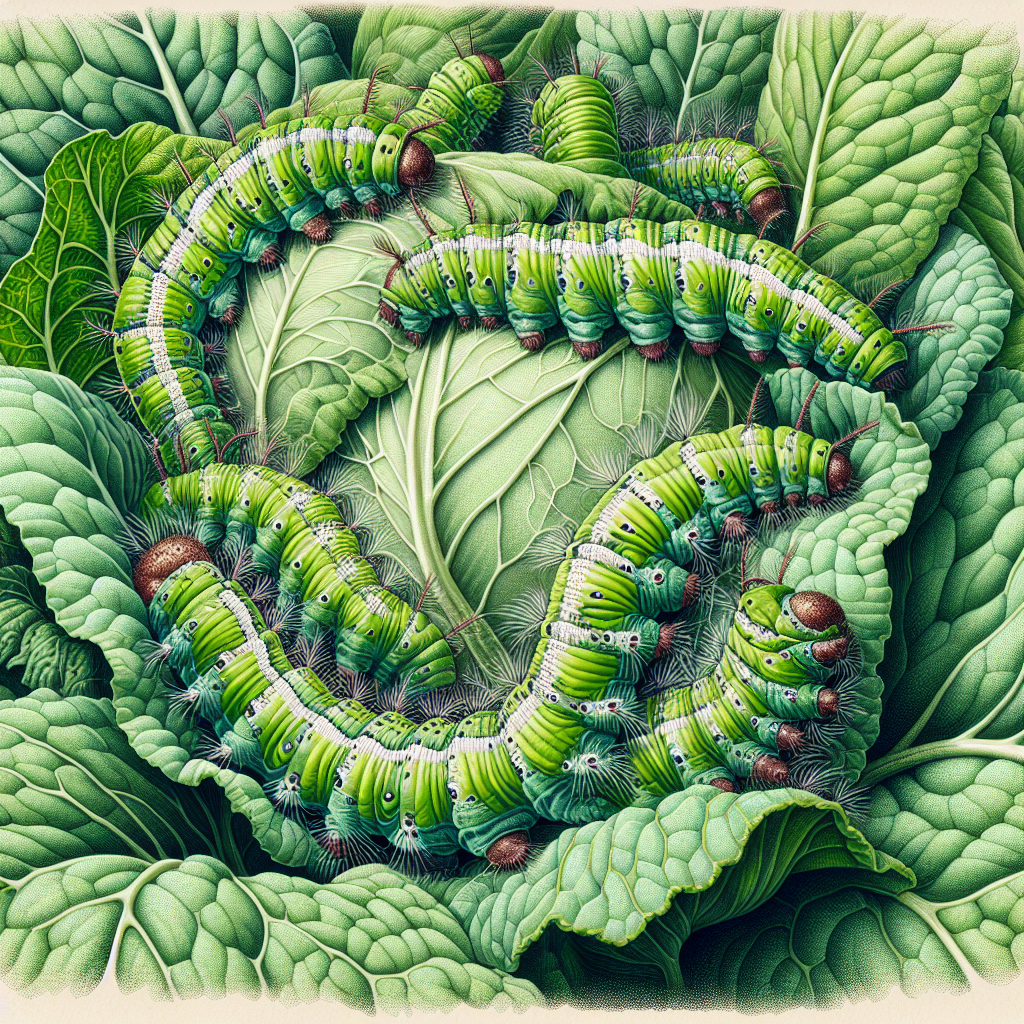
Foliage-Feeding Caterpillars
Foliage-feeding caterpillars are the larval stages of moths and butterflies that voraciously consume plant leaves, causing significant defoliation in crops. These pests are prevalent in warm seasons and can devastate yields if unmanaged. Effective identification, organic controls, and prevention strategies are key to protecting agricultural productivity.
View Profile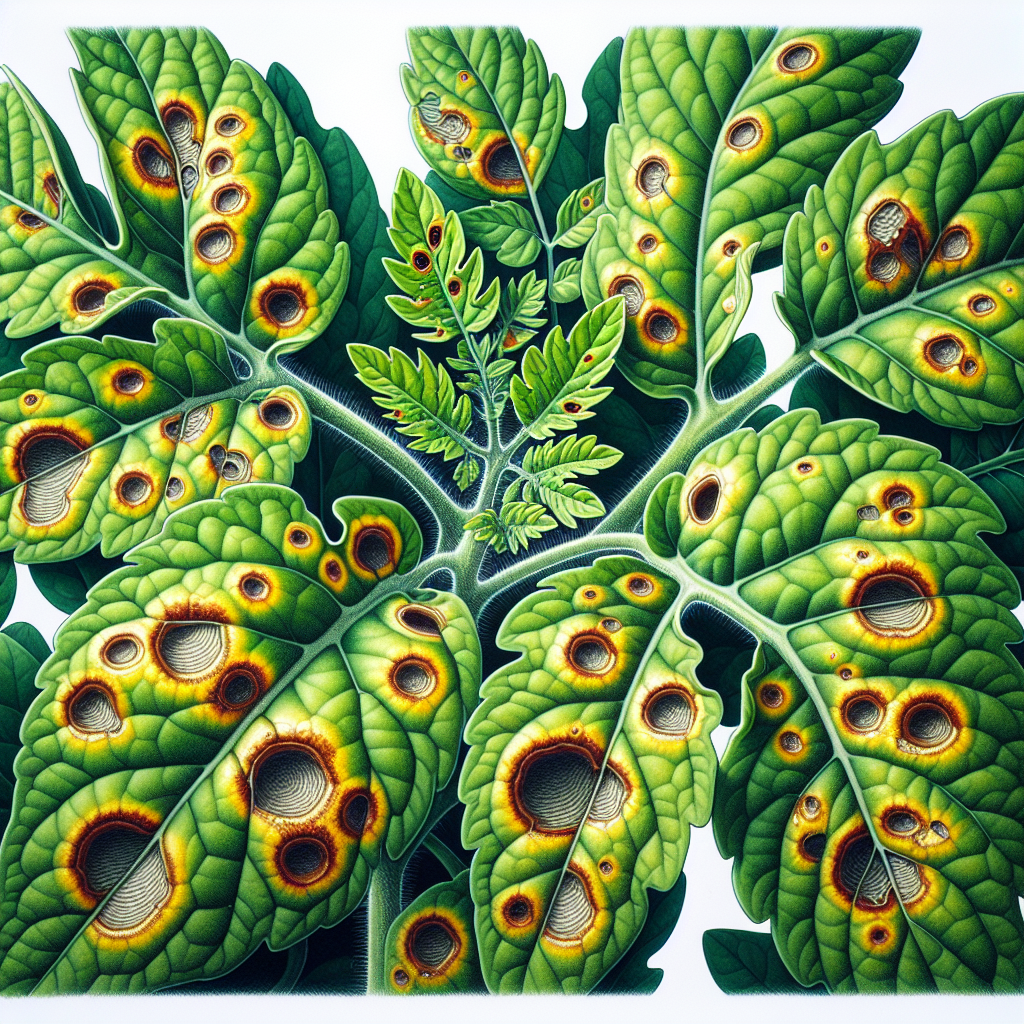
Foliar spots
Foliar spots are common leaf diseases caused by fungi, bacteria, or environmental stress, appearing as discolored lesions on plant foliage that can reduce photosynthesis and yield. Early identification and targeted management are crucial to prevent spread and crop loss. This guide provides diagnostic tips, organic treatments, and prevention strategies for affected crops.
View Profile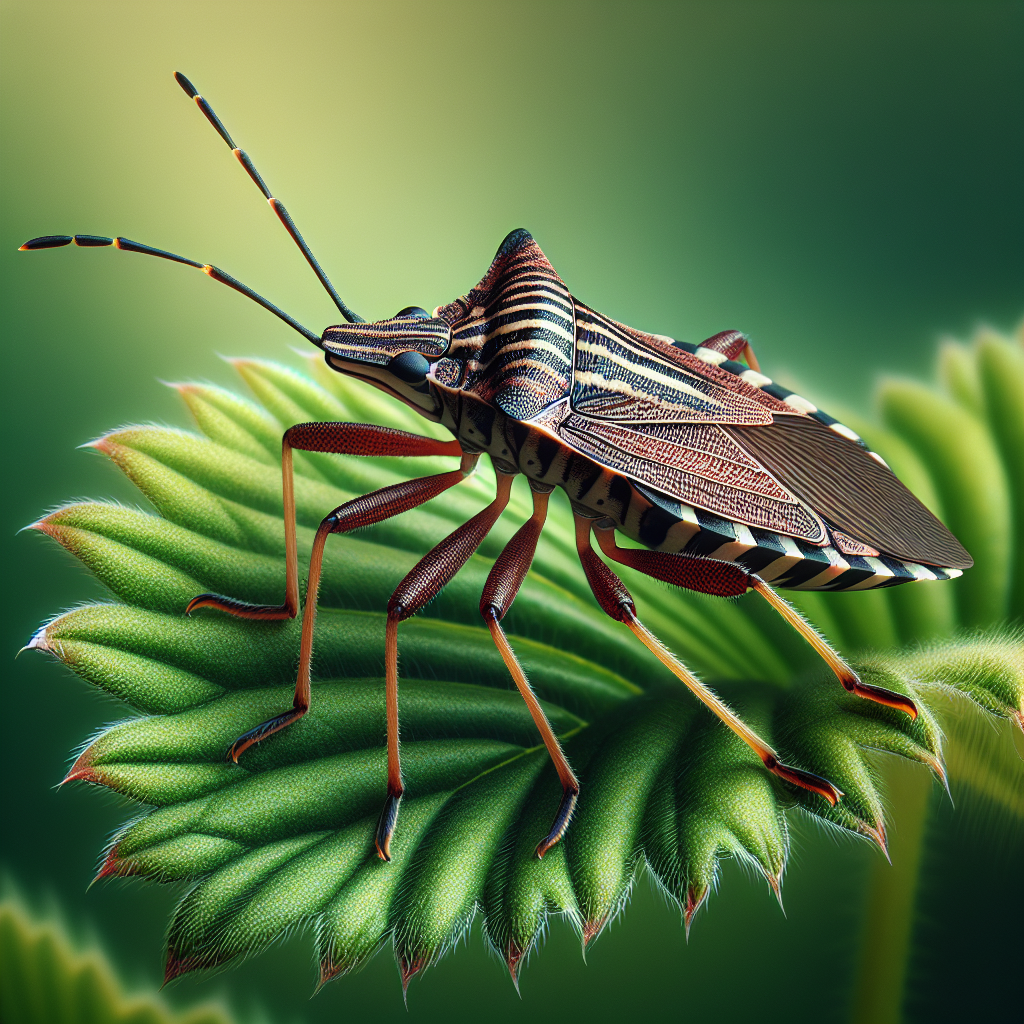
Four-line plant bugs
Four-line plant bugs (Poecilocapsus lineatus) are small, piercing-sucking pests that cause significant damage to a wide range of crops by injecting toxins that lead to necrotic spots and deformed growth. Native to North America, these bugs thrive in warm, dry conditions and can rapidly multiply, devastating young plants and fruits. Effective management relies on early detection, cultural practices, and organic controls like insecticidal soaps and beneficial insects.
View Profile
foxes
Foxes are cunning mammalian predators that raid agricultural fields, poultry operations, and fruit orchards, causing significant economic losses through direct predation and crop damage. This guide provides farmers with diagnostic tools, lifecycle insights, organic deterrence strategies, and prevention tactics to safeguard yields. Effective management combines habitat modification, exclusion barriers, and guardian animals for sustainable control.
View Profile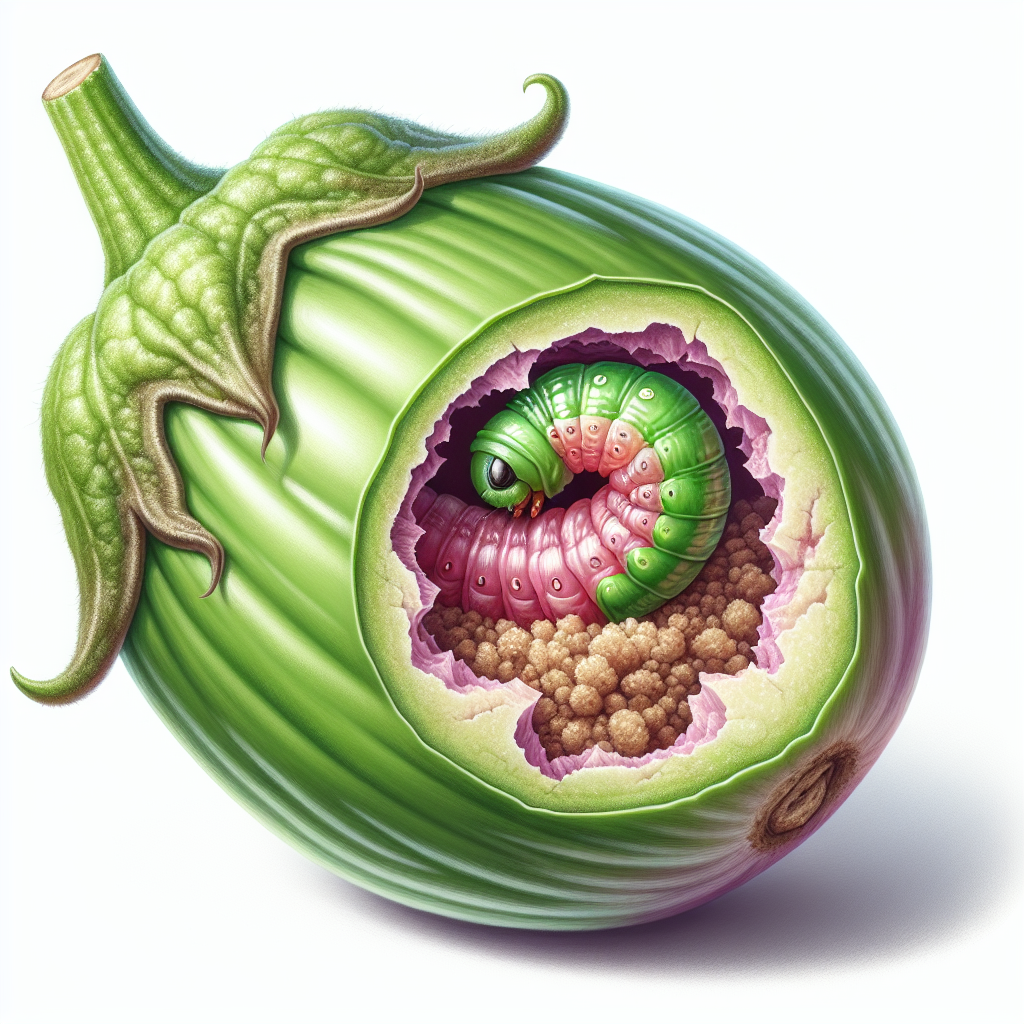
Fruit and shoot borers
Fruit and shoot borers are destructive moth larvae that tunnel into fruits, shoots, and stems of solanaceous and cucurbit crops, causing wilting, fruit drop, and significant yield losses. Primarily affecting tomatoes, eggplants, okra, and cucurbits, these pests are managed through integrated organic strategies including biological controls, traps, and cultural practices. Early detection and prevention are key to minimizing damage in warm, humid climates.
View Profile
Fruit beetles
Fruit beetles are robust, colorful scarab beetles that feed on ripening fruits, causing significant damage to orchards and gardens worldwide. Adults chew irregular holes in fruit flesh, while larvae develop in soil, feeding on organic matter and roots. Effective management combines cultural practices, organic controls, and monitoring for early detection.
View Profile
Fruit borers
Fruit borers are destructive moth larvae that tunnel into developing fruits, causing extensive damage to crops like tomato, mango, and eggplant. This guide provides comprehensive diagnostics, lifecycle details, organic management strategies, and prevention tips for farmers. Effective control combines monitoring, biological agents, and cultural practices to protect yields.
View Profile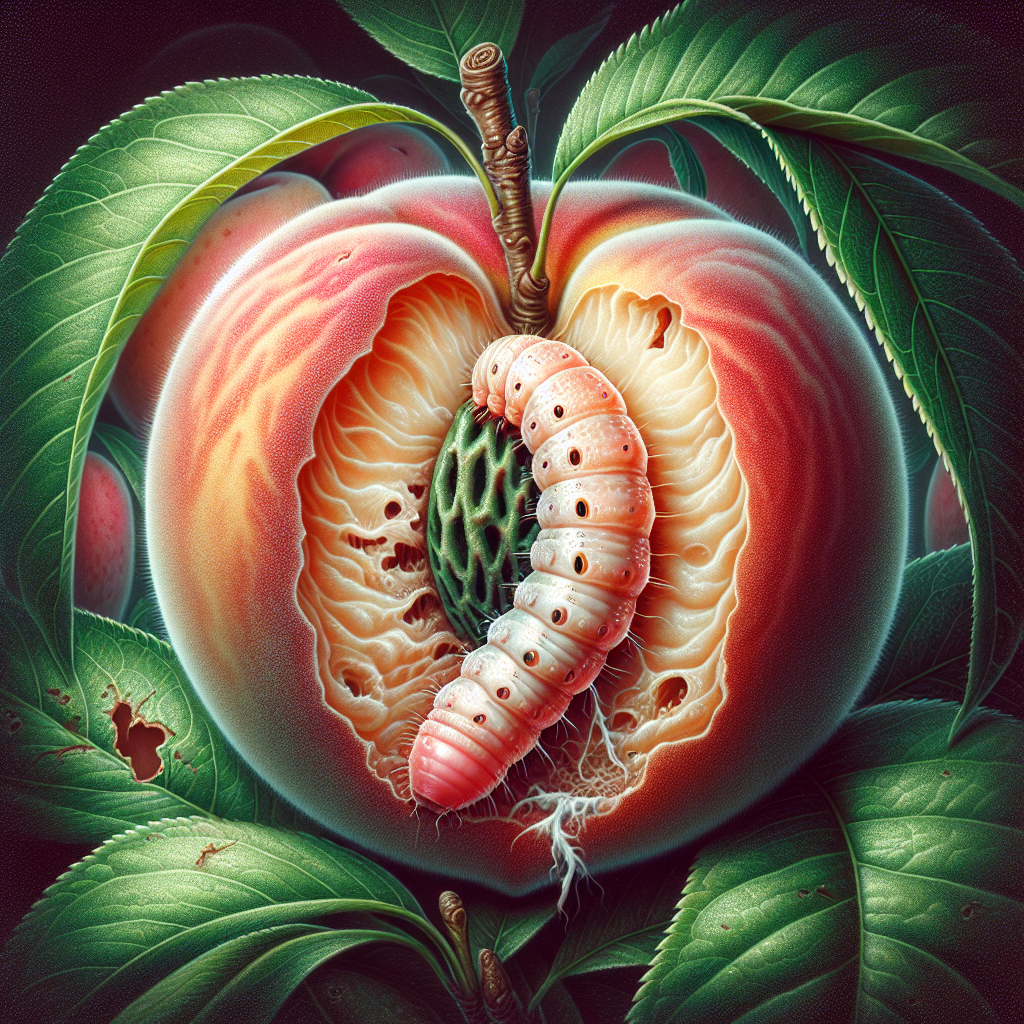
Fruit borers (Anarsia lineatella)
Anarsia lineatella, commonly known as the peach twig borer or fruit borer, is a destructive moth pest targeting stone fruits like peaches, cherries, and almonds. Its larvae bore into twigs, buds, and fruits, causing significant yield losses. Effective management combines monitoring, organic controls, and cultural practices for sustainable control.
View Profile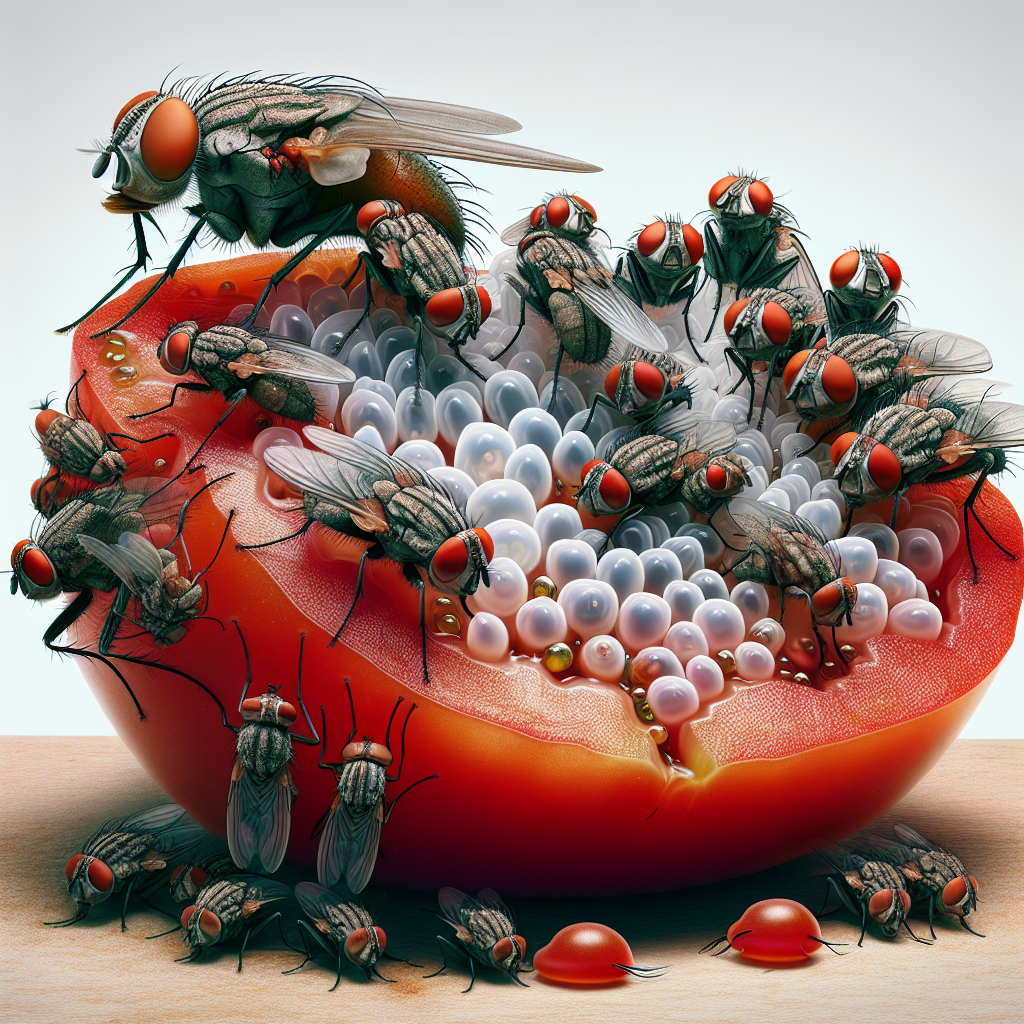
Fruit flies
Fruit flies are small, prolific pests that infest ripening fruits, vegetables, and organic matter, causing significant damage in agricultural settings worldwide. This guide provides comprehensive diagnostics, lifecycle insights, organic management strategies, and prevention tactics tailored for small farms and home growers. Effective control hinges on sanitation, traps, and cultural practices to break their rapid reproductive cycle.
View Profile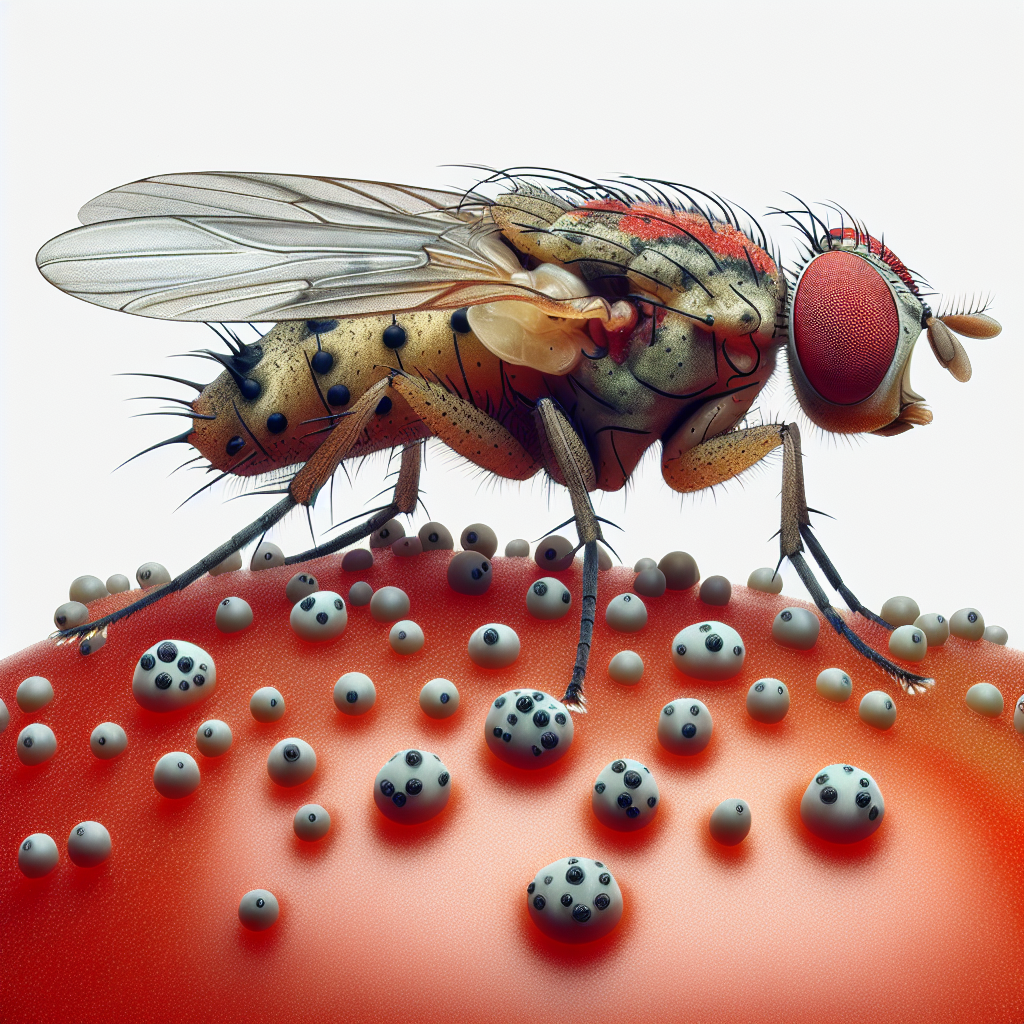
Fruit fly
Fruit flies are small, highly destructive pests that infest ripening fruits and vegetables, causing significant crop losses worldwide. This guide provides professional agricultural insights into identification, lifecycle, organic management, and prevention strategies. Farmers can effectively control outbreaks using integrated pest management (IPM) tailored to high-value crops.
View Profile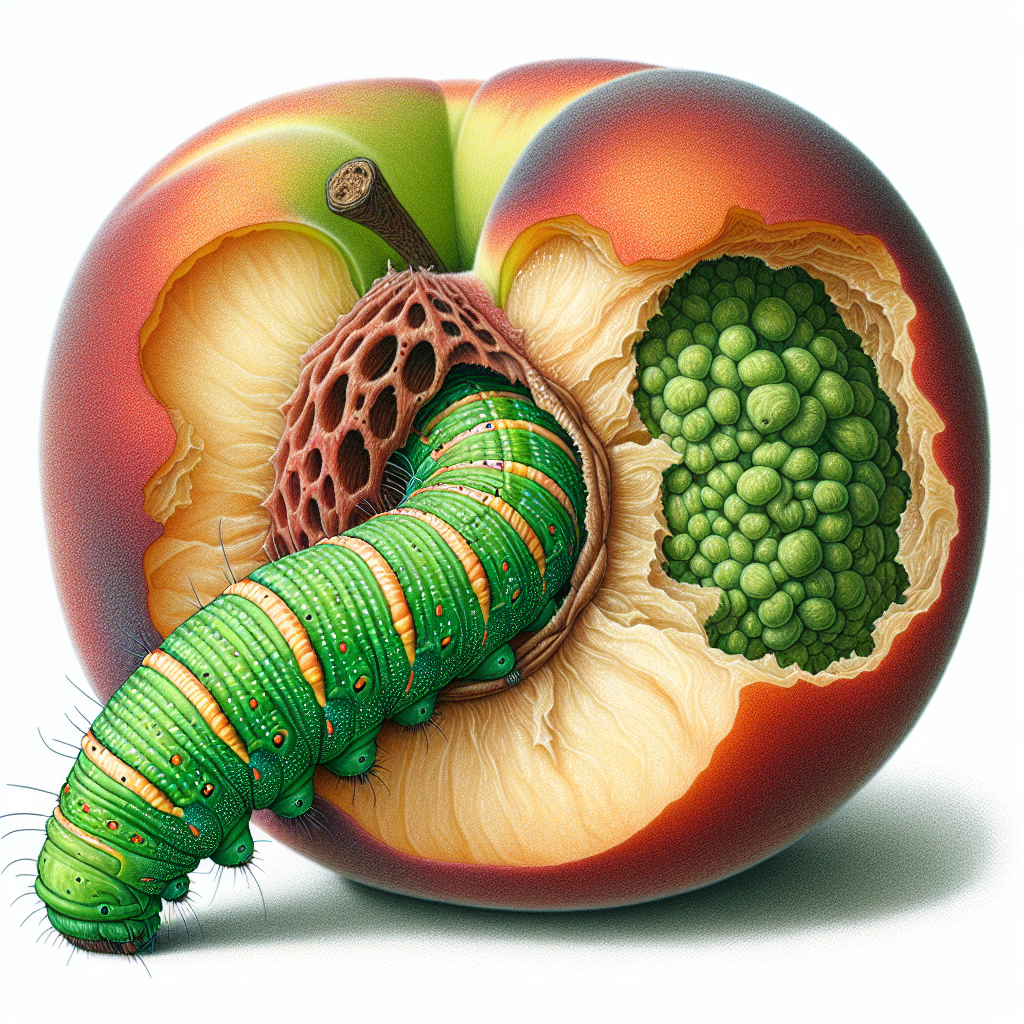
Fruit-feeding caterpillars
Fruit-feeding caterpillars are destructive larvae of moths that target ripening fruits, causing extensive economic losses in orchards and gardens. These pests chew into fruits, leaving frass-filled cavities that lead to rot and unmarketable produce. Effective management combines monitoring, organic controls, and cultural practices for sustainable protection.
View Profile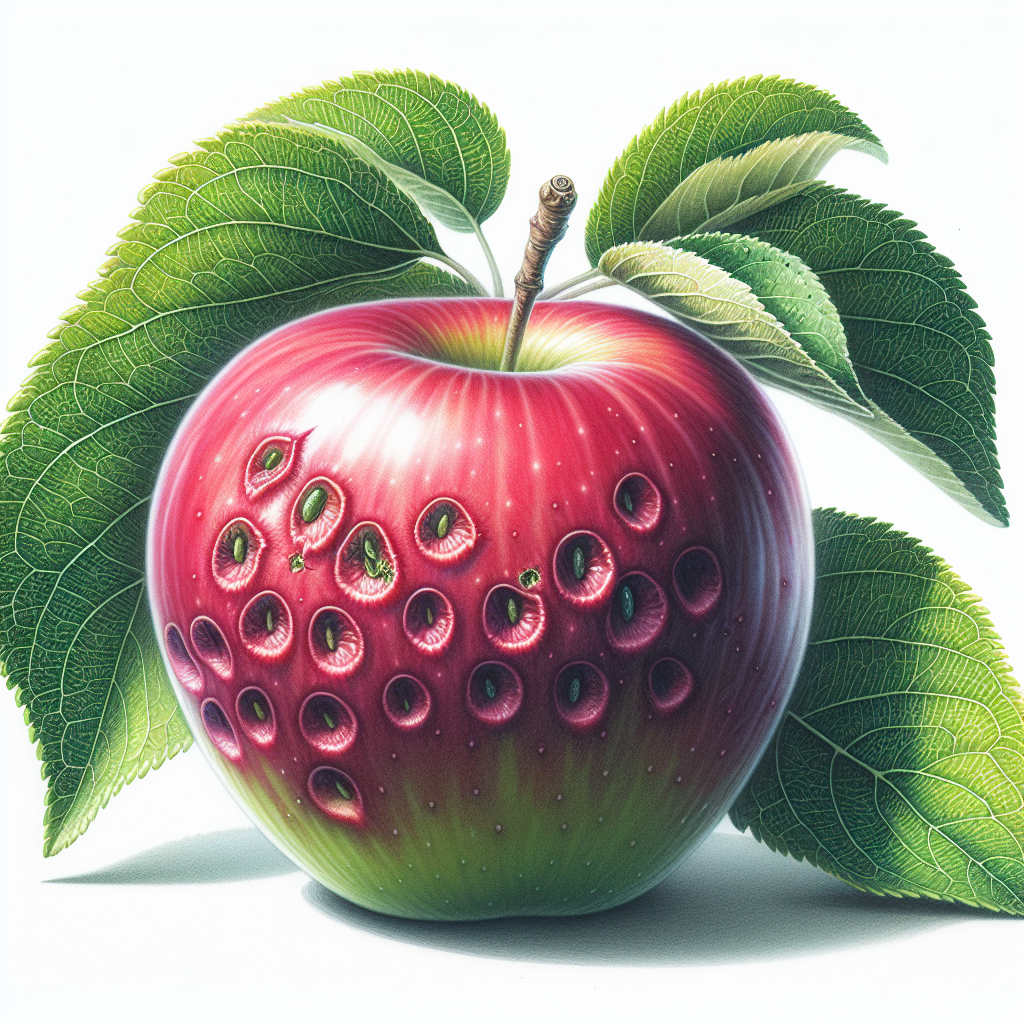
fruit-feeding pests
Fruit-feeding pests encompass a diverse group of insects including beetles, moths, flies, and birds that target ripening fruits, causing direct damage through feeding and entry points for pathogens. These pests lead to significant yield losses in orchards and gardens worldwide. Effective management combines monitoring, organic controls, and cultural practices for sustainable protection.
View Profile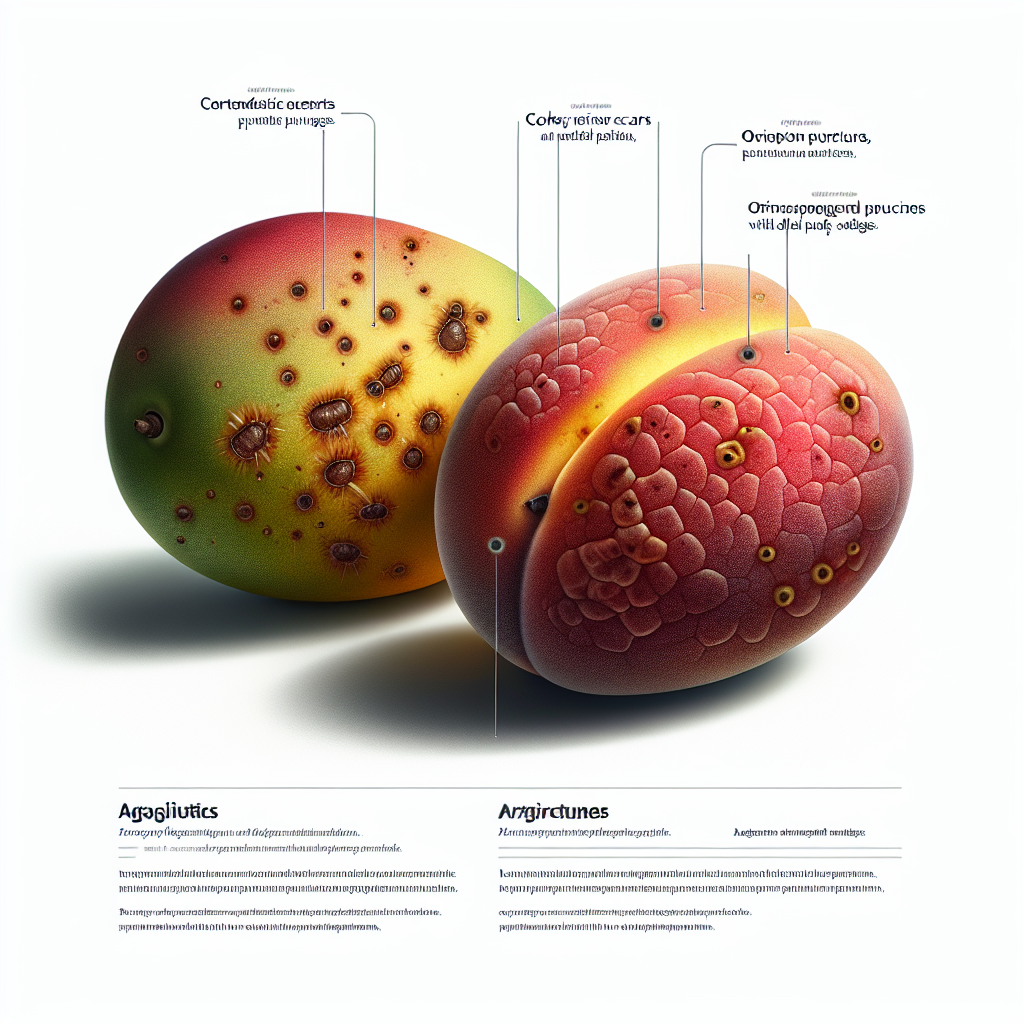
Fruit-scarring insects
Fruit-scarring insects are a diverse group of pests including fruit flies, moths, beetles, and bugs that damage fruit surfaces through feeding, oviposition, and rasping, leading to scarring, deformities, and reduced market value. This guide provides comprehensive diagnostics, lifecycle insights, organic management strategies, and prevention tactics for affected crops. Effective control combines monitoring, cultural practices, and biological agents to minimize losses without synthetic chemicals.
View Profile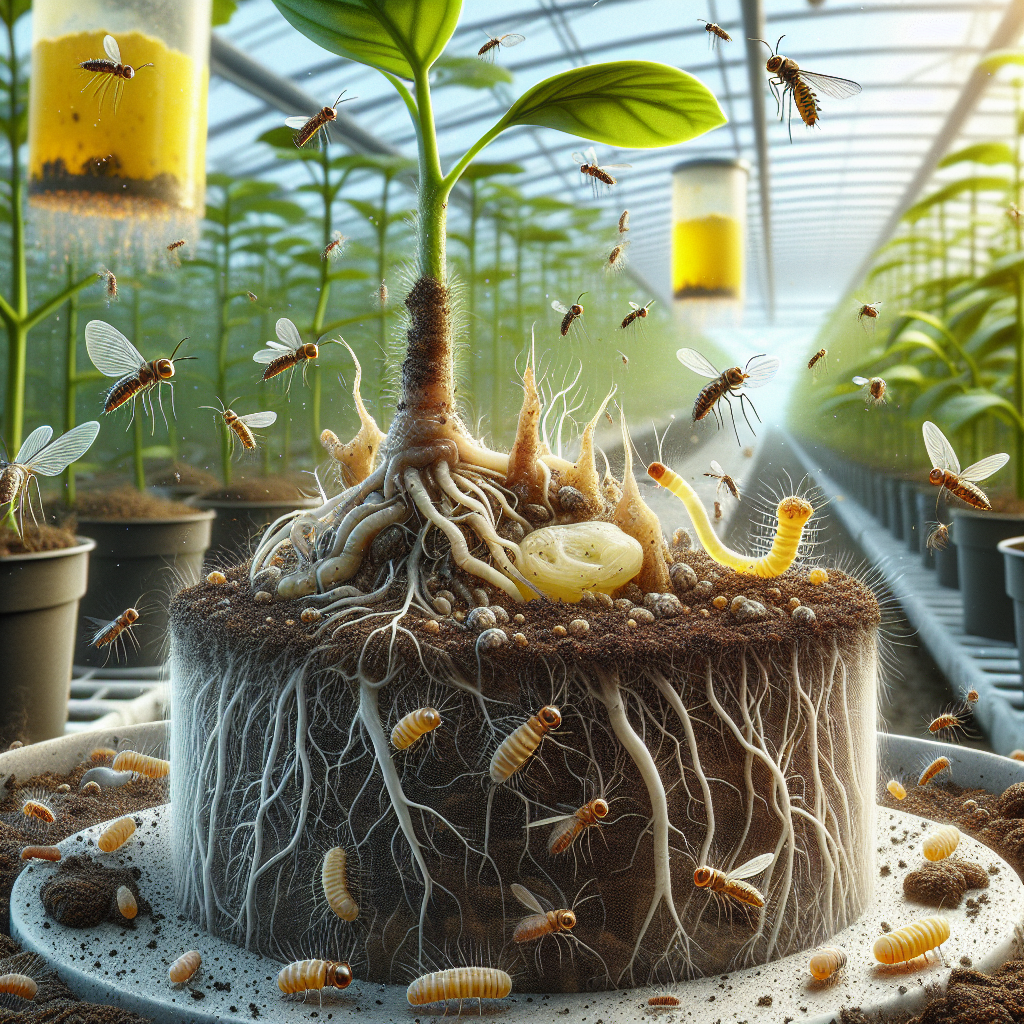
Fungus gnats
Fungus gnats are small, flying pests that thrive in moist, organic-rich soils, primarily targeting the roots of seedlings and young plants in greenhouses, nurseries, and indoor gardens. Their larvae feed on root hairs and fungi, causing stunted growth, wilting, and high mortality in susceptible crops. Effective management combines cultural practices, biological controls, and vigilant monitoring for long-term prevention.
View Profile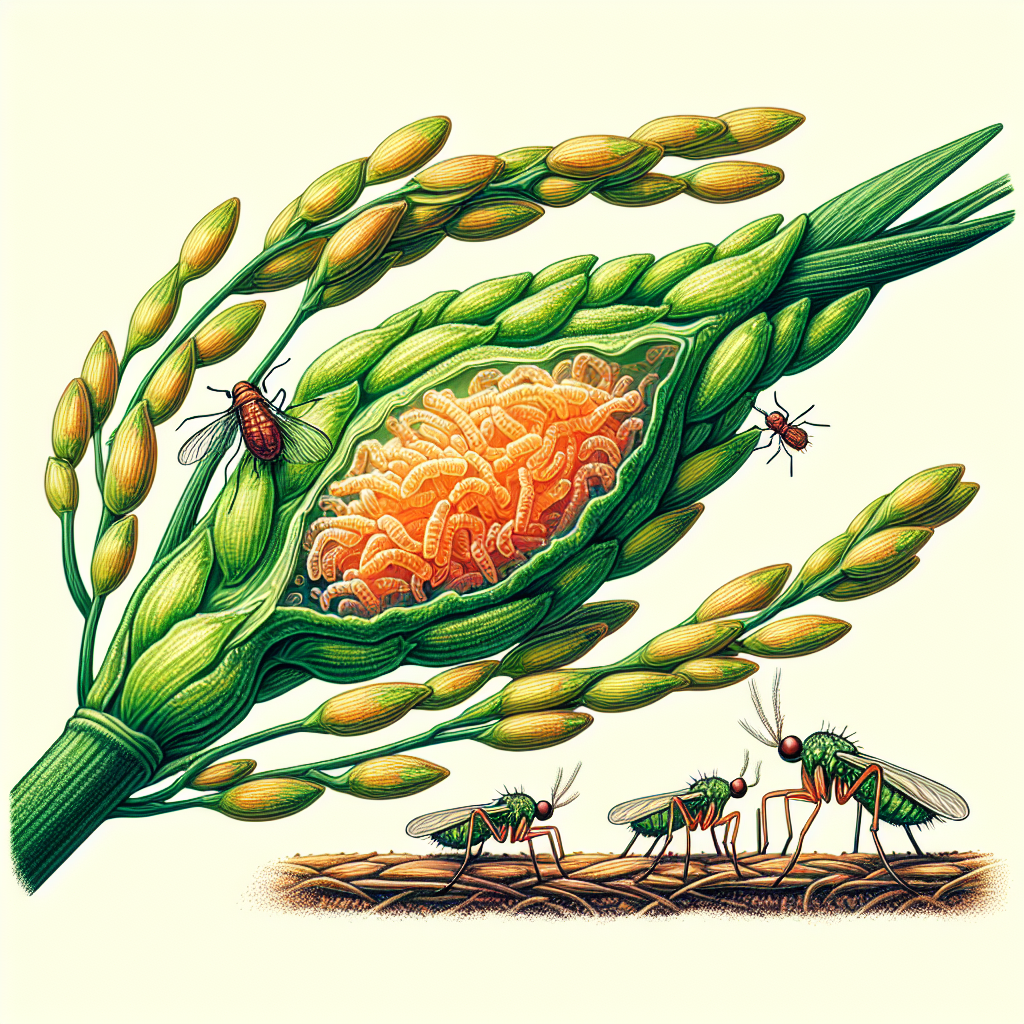
gall midge
Gall midges are tiny, fragile flies whose larvae induce characteristic galls on plant tissues, causing significant economic damage to crops like grains, vegetables, and fruits. This guide provides definitive diagnostics, lifecycle insights, organic management strategies, and prevention tactics for farmers battling these insidious pests. Master identification and control to safeguard yields effectively.
View Profile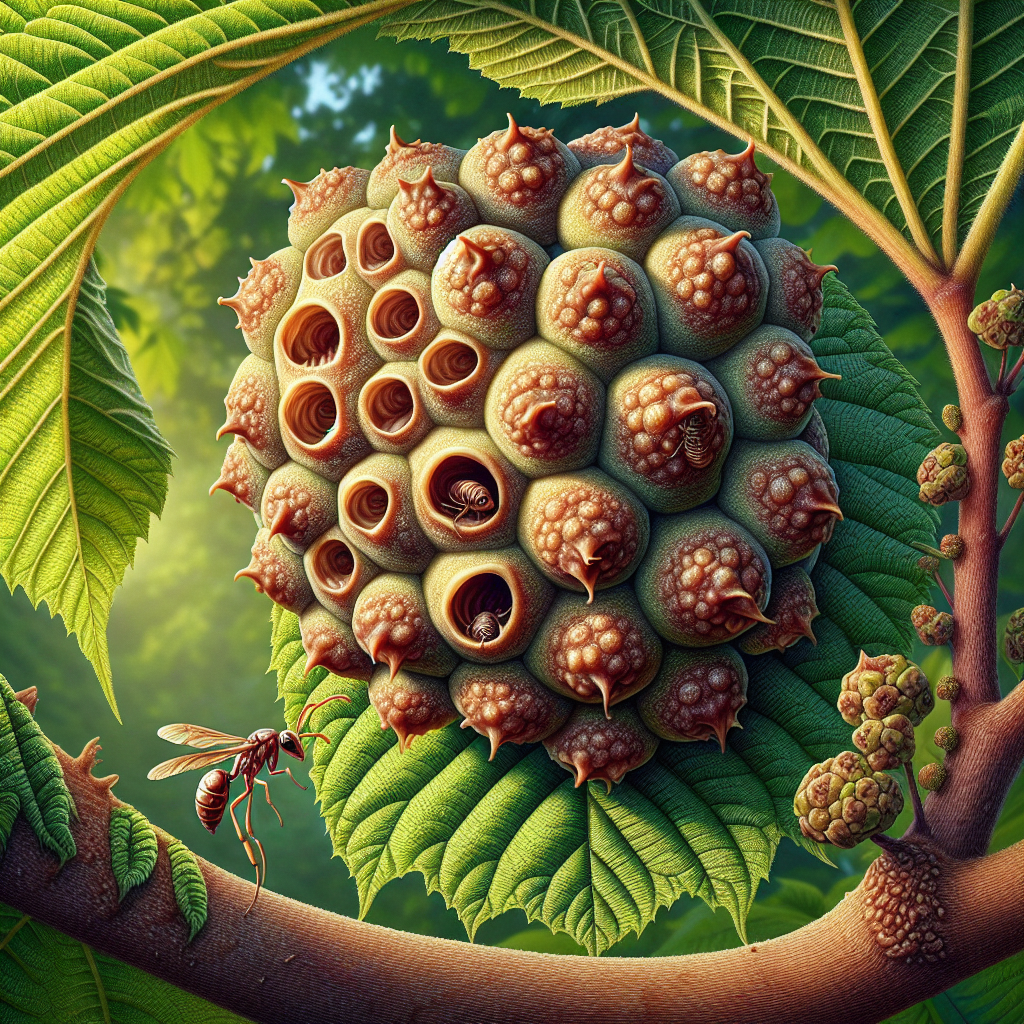
Gall wasps
Gall wasps are tiny hymenopteran insects that induce abnormal plant growths called galls on trees and shrubs, primarily oaks, chestnuts, and roses. These galls protect developing larvae, causing aesthetic damage, reduced vigor, and potential tree decline. Effective management relies on biological controls, cultural practices, and resistant varieties.
View Profile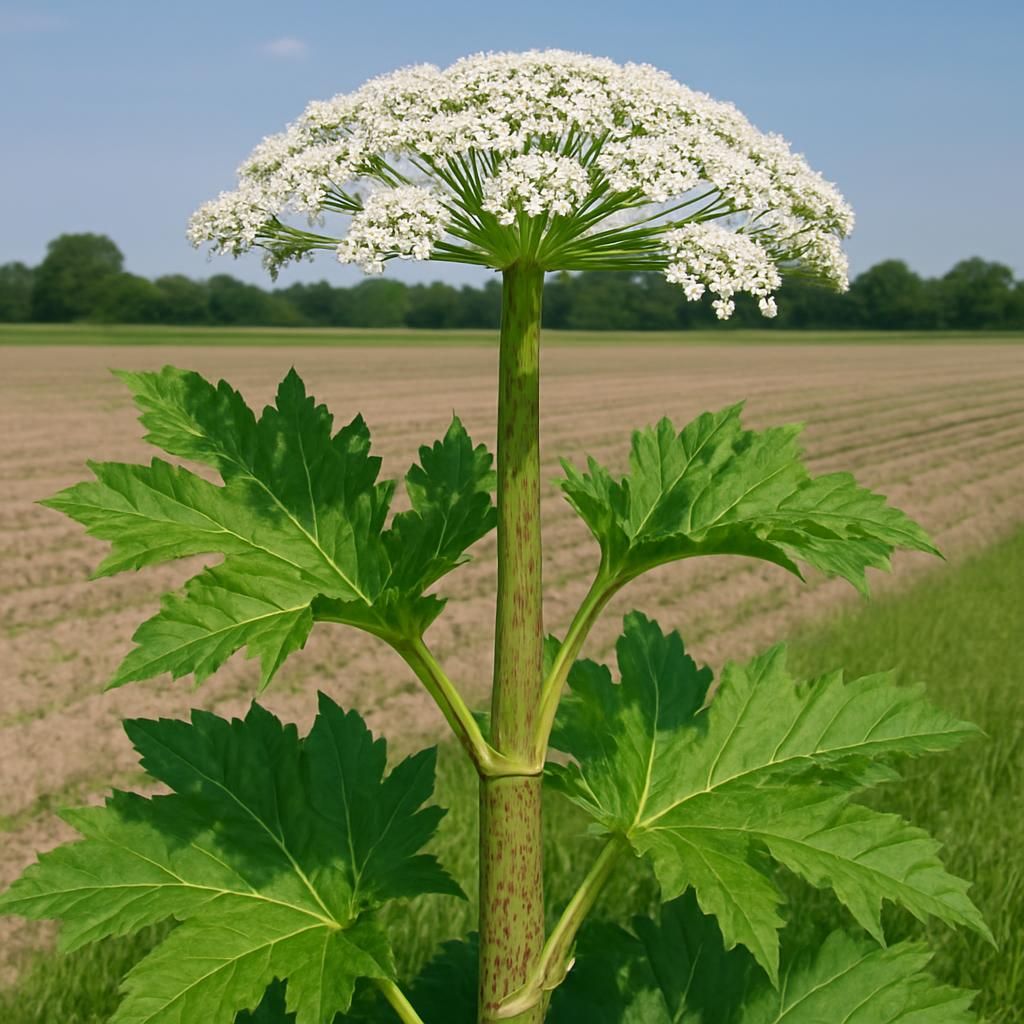
giant hogweed
Giant hogweed is a highly invasive herbaceous perennial that poses serious risks to agricultural land, native ecosystems, and human health due to its phototoxic sap and aggressive growth. This definitive guide covers identification, lifecycle, environmental triggers, and proven organic management strategies for growers and land managers.
View Profile
Golden apple snail
The golden apple snail (Pomacea canaliculata) is a highly invasive freshwater pest devastating rice and wetland crops worldwide. Native to South America, it has spread across Asia, causing billions in agricultural losses through voracious feeding on seedlings and young plants. Effective management combines cultural practices, biological controls, and vigilant prevention to protect vulnerable crops.
View Profile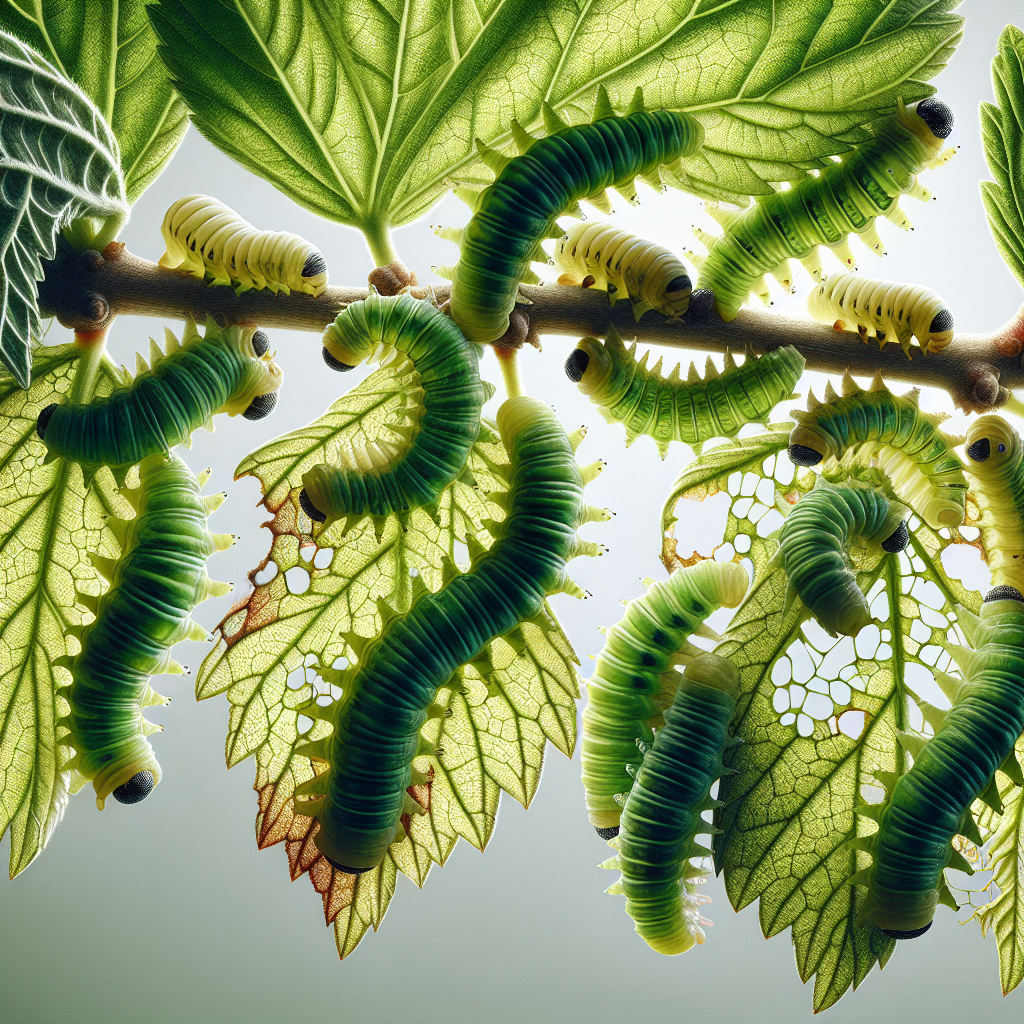
Gooseberry sawfly
The Gooseberry sawfly (Nematus ribesii) is a destructive pest targeting gooseberry and currant bushes, with larvae capable of defoliating plants rapidly in spring and summer. This guide provides comprehensive diagnostics, lifecycle insights, organic management strategies, and prevention tactics for growers. Effective control hinges on early detection and integrated organic methods to protect yields without chemicals.
View Profile