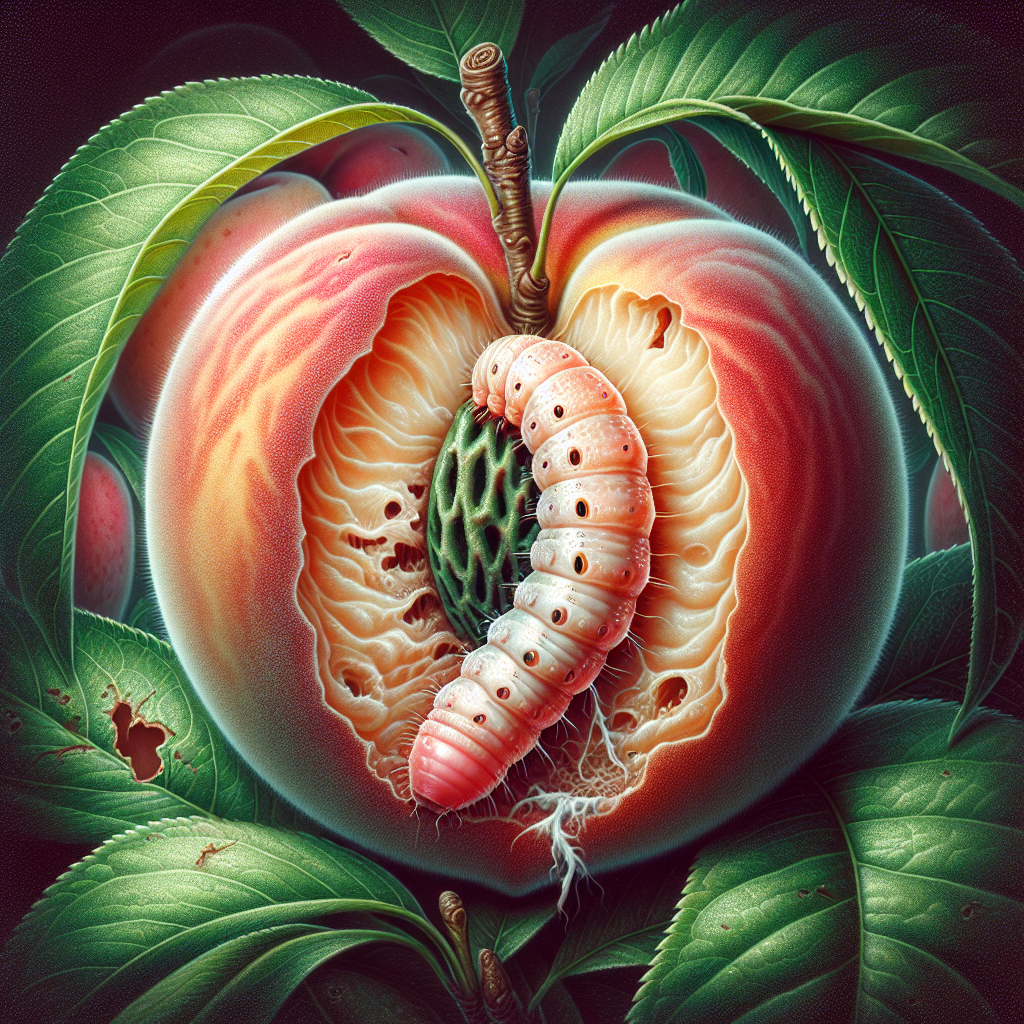
Introduction to Fruit borers (Anarsia lineatella)
Fruit borers, scientifically known as Anarsia lineatella (Zeller), represent a serious threat to stone fruit orchards worldwide, particularly in temperate regions of Europe, North America, and parts of Asia. This small gelechiid moth, often called the peach twig borer, oriental fruit moth, or lesser peach borer, earns its notorious reputation through the destructive feeding habits of its larvae. These pale pink or white caterpillars tunnel into tender twigs, buds, shoots, and developing fruits, leading to wilting terminals, gummosis, fruit deformation, and premature drop. In severe infestations, yield reductions can exceed 50%, making timely diagnosis and integrated management essential for commercial growers and home orchardists alike.
Native to the Mediterranean but now cosmopolitan, A. lineatella thrives in warm, dry climates with mild winters, overlapping generations that can produce 2-4 broods per season. Adult moths are inconspicuous, silvery-gray with black markings and a wingspan of 12-16 mm, active at dusk. Eggs are laid singly on leaves or bark, hatching into larvae that immediately seek succulent tissues. Understanding this pest's biology is crucial for deploying targeted controls, especially as chemical resistance emerges in some populations. This guide provides professional-grade diagnostics, lifecycle insights, organic treatments, and prevention strategies optimized for sustainable agriculture. For related pests, see fruit borers.
Identifying Symptoms & Damage
Early detection of Anarsia lineatella is key to minimizing damage, as larvae feed concealed within plant tissues. Scout orchards from early spring through harvest, focusing on new growth. Key symptoms include:
- Twig and Shoot Damage: Wilting or 'flagged' terminals with reddish-brown frass (insect excrement) at entry holes. Longitudinal slits in bark reveal pinkish larvae up to 12 mm long. Affected shoots die back, reducing vigor.
- Bud and Flower Injury: Shot-hole appearance in buds; blackened, shriveled blossoms fail to set fruit. Larvae overwinter in dormant buds or cracks.
- Fruit Damage: Entry holes (1-2 mm) on calyx end or sides, surrounded by gum and frass. Internal galleries cause fruit rot, browning, and drop. In peach and cherry fruits, tunnels lead to market-unacceptable scarring or wormy interiors.
- Secondary Signs: Gummosis (sap oozing), sooty mold from honeydew (if ants attend), and premature leaf yellowing. Differentiate from codling moth by smaller size and twig preference.
Damage peaks in summer generations, with larvae pupating inside fruits. Threshold: 5-10% shoot tips infested triggers action. Use pheromone traps for adults (10-20 moths/trap/week). For small farms, check Spring Pest Patrol: Organic AI Strategies to Shield Your Crops from Common Invaders for monitoring tips.
Lifecycle and Progression of Fruit borers (Anarsia lineatella)
A. lineatella completes 2-4 generations annually, synchronized with host phenology. Lifecycle spans 30-60 days per generation:
- Eggs (3-7 days): Tiny (0.5 mm), white, laid on leaves, buds, or bark in clusters of 10-50. Hatching peaks at 10-15°C.
- Larvae (2-4 weeks): Five instars; neonate larvae mine leaves, then bore twigs. Overwintering third/fourth instars in bark hibernacula survive -10°C. Full-grown larvae are 10-13 mm, pink with brown head.
- Pupae (7-14 days): Silken cocoons in twigs, bark, or debris; reddish-brown, 6-8 mm.
- Adults (1-2 weeks): Moths emerge evenings, mate, females oviposit 50-100 eggs. Flight peaks: March-April (overwintered), June-July (1st gen), August-September (2nd gen).
Degree-day model (base 10°C): First flight ~200 DD, egg hatch ~250 DD. In California peach orchards, four broods occur; cooler climates limit to two. Pupae overwinter in 80% of cases. Disrupt mating with pheromones timed to biofix (first sustained trap catch).
Environmental Triggers & Risk Factors
A. lineatella populations explode under specific conditions:
- Climate: Warm springs (15-25°C) accelerate generations; mild winters (>0°C) boost overwinter survival to 70%. Drought stress weakens trees, increasing susceptibility.
- Orchard Factors: Dense canopies, excessive nitrogen, delayed pruning promote humid microclimates favoring egg-laying. Susceptible varieties like early peach cultivars (e.g., Elberta) suffer most.
- Proximity: Infestations spread from wild hosts (Prunus spp.) or abandoned orchards within 1-2 km. Poor sanitation leaves pupae.
- Associated Pests: Ants protect larvae; mites weaken trees synergistically.
Risk map: High in Central Valley (USA), Po Valley (Italy). Monitor weather for 200+ DD windows. Integrate with Soil Health Mastery: 5 Proven Strategies for Small Farms to Build Fertile Ground Without Breaking the Bank for resilient trees.
Organic Control & Treatment Plans
Prioritize IPM with organic tactics achieving 80-90% control:
- Cultural: Prune infested twigs pre-bloom (remove 90% overwinterers). Thin canopy for sunlight penetration. Destroy cull fruits.
- Biological: Release Trichogramma wasps (2-5 million/ha/season) for 60% egg parasitism. Bacillus thuringiensis (Bt) kurstaki at 1-2 g/L targets larvae (apply evenings, 7-day intervals). Predators: lacewings, spiders.
- Organic Sprays: Neem oil (0.5-2%) or spinosad (0.2 ml/L) at petal fall, shuck split. Kaolin clay barriers deter oviposition.
- Mating Disruption: Pheromone dispensers (200/ha) confuse males, reducing egg-laying by 70%.
- Traps: Delta traps with lures (1-2/acre) for monitoring/mass trapping.
Treatment Calendar: Biofix spray Bt + neem; scout weekly. Rotate modes to prevent resistance. Combine with aphids controls for synergy.
Preventing Fruit borers (Anarsia lineatella) in the Future
Long-term prevention builds resilient systems:
- Resistant Varieties: Plant late-blooming peaches (e.g., Redhaven) or almond rootstocks.
- Sanitation: Shred prunings, deep plow pupae. Trap crops divert moths.
- Monitoring Tech: Pheromone traps + degree-day apps predict flights.
- Habitat Management: Interplant marigold repellents; encourage birds (birds deter moths).
- Soil Health: Balanced fertility reduces stress; cover crops suppress weeds.
Annual IPM audits sustain yields. Reference Why Companion Planting Feels Like Guesswork for Small Farms - And How AI Makes It Foolproof for enhancements.
Crops Most Affected by Fruit borers (Anarsia lineatella)
A. lineatella targets Rosaceae, prioritizing stone fruits:
| Crop | Damage Level | Key Varieties |
|---|---|---|
| Peach | High | Elberta, Redhaven |
| Cherry | High | Bing, Rainier |
| Almond | High | Nonpareil |
| Plum | Moderate | Santa Rosa |
| Apricot | Moderate | - |
| Pear | Low | Bartlett |
Secondary: Nectarine, wild Prunus. Losses: 20-60% untreated. Protect apple peripherally.