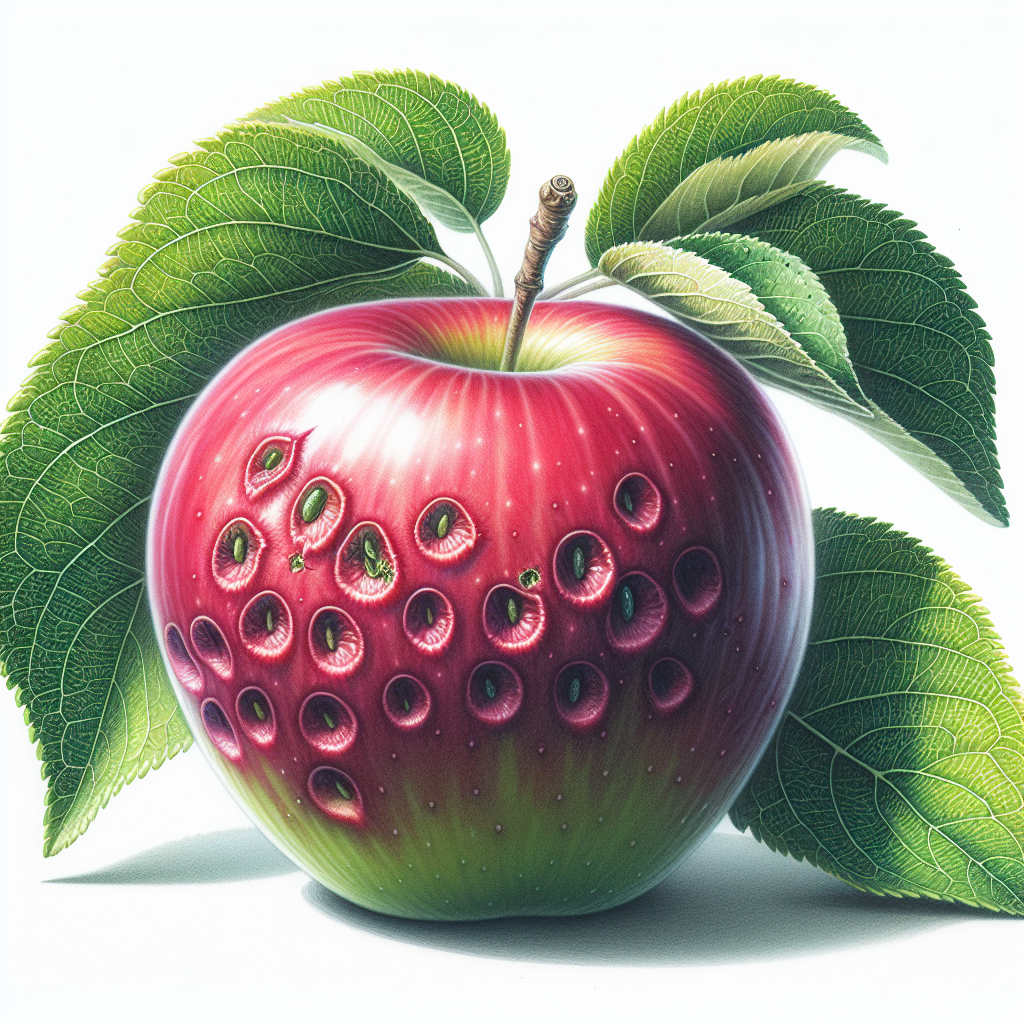
Introduction to fruit-feeding pests
Fruit-feeding pests represent a critical challenge for fruit growers, encompassing a wide array of insects and occasionally vertebrates that specifically target developing and ripening fruits. Common culprits include plum curculio (plum curculio), codling moth (codling moth), fruit flies (fruit flies), apple maggot (apple maggot), and sap beetles (sap beetles), among others. These pests inflict direct damage by chewing into fruit flesh, laying eggs inside fruits, or rasping the skin to feed on juices, often rendering produce unmarketable.
The economic impact is staggering: in apple orchards alone, fruit-feeding pests can cause 20-50% yield losses if unmanaged, according to agricultural extension services. Beyond direct feeding, these pests create wounds that invite secondary infections like anthracnose or fruit rots, exacerbating losses. This guide provides definitive diagnostic criteria, lifecycle insights, and proven organic management strategies tailored for small farms and home orchards. Early detection and integrated approaches are key to minimizing damage while preserving beneficial ecosystems. For small farms battling these invaders, check out Spring Pest Patrol: Organic AI Strategies to Shield Your Crops from Common Invaders for cutting-edge tips.
Understanding these pests' behaviors allows growers to implement timely interventions, protecting high-value crops like apple, mango, and strawberry. This comprehensive resource draws from entomological research and field-tested practices to empower you with professional-grade advice.
Identifying Symptoms & Damage
Accurate diagnosis begins with recognizing telltale signs of fruit-feeding pests. Look for crescent-shaped cuts on young fruits, often from weevils like plum curculio, where adults insert eggs via a characteristic flap-like oviposition scar. These appear as 1/8-inch slits with a folded edge, primarily on the fruit's underside.
Larval damage manifests as brown, frass-filled tunnels radiating from the core outward, typical of codling moth or oriental fruit moth larvae. Fruits drop prematurely or show 'wormy' interiors with silken webbing and excrement. Maggot infestation, from apple maggot or Mediterranean fruit fly, produces brown, winding tunnels packed with frass, leading to soft, rotten spots.
External signs include rasped skin from sap beetles or Drosophila vinegar flies, creating shallow depressions oozing sap. Spotted wing drosophila leaves small, white eggs on fruit surfaces, developing into reddish-brown larvae visible upon slicing. Birds and wasps exacerbate damage by enlarging existing wounds.
Differentiate from diseases: pest damage features clean cuts or tunnels, while fungal rots show fuzzy mycelium or concentric lesions. Use a hand lens to spot eggs, larvae, or adults. Sticky traps capture flying adults, confirming species. Monitor Hass Avocado or Cherry Tomato for early signs, as these are prime targets. Severity scales: light (scattered marks), moderate (10-20% affected), severe (>30% infestation).
Lifecycle and Progression of fruit-feeding pests
Fruit-feeding pests exhibit diverse lifecycles, typically univoltine to multivoltine depending on species and climate. Take codling moth (Cydia pomonella): overwinters as full-grown larva in dense cocoons under bark or debris. Adults emerge in late spring (400-500 GDD base 50°F), coinciding with petal fall. Females lay 20-50 eggs singly on leaves or fruit calyces. Larvae hatch in 6-20 days, bore into fruit, feed for 2-3 weeks, exit to pupate. Multiple generations (2-4) occur through summer.
Plum curculio (Anthonomus tenebrosus) overwinters as adults in leaf litter, migrating to orchards at pink bud. They feed and oviposit in 1-4 week window, with one generation per year in northern regions. Larvae drop to soil to pupate. Fruit flies like spotted wing drosophila (Drosophila suzukii) have 10-13 generations annually, with adults piercing ripening fruit year-round in mild climates.
Progression aligns with fruit phenology: first generation targets early fruits, later ones peak at harvest. Monitor degree-days for precise timing. Sap beetles develop rapidly in warm, humid conditions, breeding in fermenting fruit. Understanding these cycles enables targeted interventions, disrupting reproduction at vulnerable stages.
Environmental Triggers & Risk Factors
Warm temperatures (70-85°F) and high humidity (>70% RH) accelerate fruit-feeding pest development, with rainfall aiding adult dispersal. Overripe or wounded fruits serve as breeding reservoirs, perpetuating cycles. Poor sanitation—leaving dropped fruit—amplifies populations exponentially.
Susceptible varieties like thin-skinned peach or early-ripening strawberry face higher risk. Dense canopies reduce spray penetration, favoring hidden infestations. Nearby wild hosts (e.g., hawthorn for apple maggots) provide reservoirs. Climate change extends growing seasons, boosting generations.
Soil type influences pupation success; heavy clays protect overwintering stages. Nitrogen excess promotes lush fruit susceptible to attack. Risk factors include: proximity to woods (>20% higher incidence), history of infestation, and inadequate monitoring. Scout weekly from bloom to harvest, using pheromone traps for thresholds (e.g., 5 moths/trap/week).
Organic Control & Treatment Plans
Organic management emphasizes IPM: monitoring, cultural, biological, and minimal mechanical controls. Start with sanitation: remove and destroy all dropped or infested fruits weekly, burying >2 ft deep or solarizing in black plastic. This eliminates 70-90% of next-generation pests.
Biological agents shine: release Trichogramma wasps (200-400/acre/week) against moth eggs, achieving 50-80% parasitism. Bacillus thuringiensis (Bt) kurstaki targets larvae effectively on young fruits (apply at petal fall, repeat 7-10 days). Neem oil or spinosad disrupts feeding/oviposition when applied evenings to spare pollinators.
Traps are pivotal: yellow sticky cards for flies (10/acre), McPhail bait traps for fruit flies baited with torula yeast. Pheromone mating disruption dispensers for codling moth reduce catches by 90%. Kaolin clay (Surround) creates protective film on fruits, deterring oviposition.
Treatment plans: Scout-triggered sprays at 5% fruit infestation. For severe cases, combine Bt + neem at 10-day intervals. Encourage predators like birds (birds) via nest boxes and ground beetles with mulch. Rotate tactics to prevent resistance. Efficacy: 80-95% control with consistent application.
Preventing fruit-feeding pests in the Future
Prevention hinges on long-term strategies. Plant resistant varieties like Enterprise apple or Harrow Sweet peach. Maintain orchard vigor with balanced nutrition, avoiding excess N. Prune for open canopies, improving light/airflow and spray coverage.
Border sprays target incoming migrants. Use row covers on small plantings until fruit set. Reflective mulches deter flies. Destroy wild hosts within 500 ft. Calendar-based monitoring using degree-day models predicts flights accurately.
Soil management: till orchard floors post-harvest to expose pupae to predators/weather. Cover crops like clover suppress weeds harboring pests. Annual audits track progress. Integrate with broader IPM for mango or grapes. Long-term, these reduce populations by 60-80%, minimizing interventions.
Crops Most Affected by fruit-feeding pests
Fruit-feeding pests devastate pome and stone fruits primarily. Apples (apple) suffer codling moth and apple maggot, losing $100M+ annually in U.S. Peaches/plums (peach, plum) battle plum curculio and oriental fruit moth. Cherries (cherry) face cherry fruit fly.
Berries like strawberries (strawberry), blueberries (blueberry), raspberries (raspberry) are ravaged by spotted wing drosophila. Tropicals including mango (mango), dragon fruit, and Hass Avocado host fruit flies and borers. Citrus (orange, lemon) sees fruit-piercing moths. Even vegetables like tomato mimic fruit damage. Prioritize monitoring on these high-risk crops for best ROI.