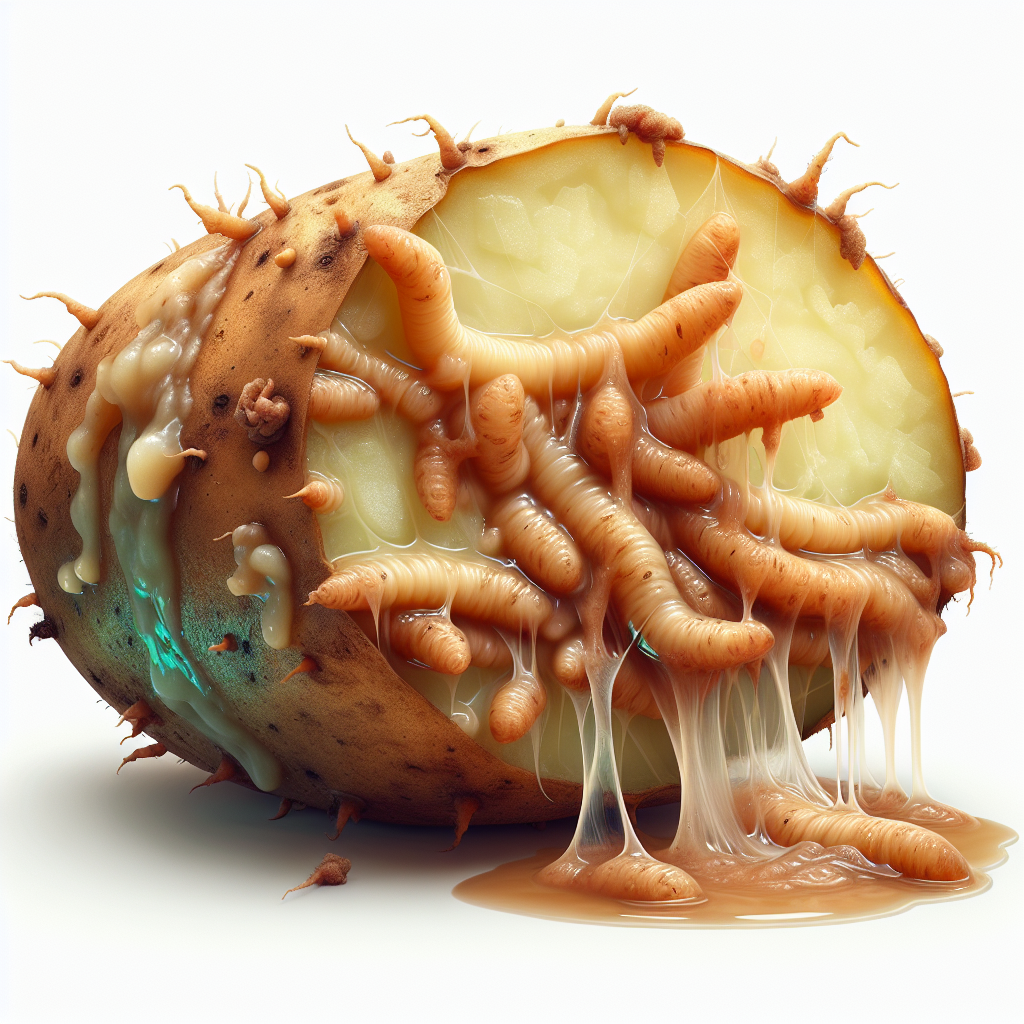
Introduction to bacterial soft rots
Bacterial soft rots represent one of the most destructive post-harvest and field diseases in agriculture, caused primarily by gram-negative bacteria in the genera Pectobacterium, Dickeya, and Erwinia. These pathogens produce enzymes like pectinases and cellulases that break down the pectin in plant cell walls, resulting in a characteristic watery, mushy decay. Unlike fungal rots, bacterial soft rots progress extremely rapidly—often turning firm tissues into slime within 24-48 hours under optimal conditions.
Globally, bacterial soft rots inflict billions in losses annually, particularly in vegetable storage facilities, transit, and markets. They thrive as opportunistic invaders, entering through wounds from mechanical injury, insect feeding, or frost damage. Common culprits include Pectobacterium carotovorum (formerly Erwinia carotovora), responsible for blackleg in potato, and Dickeya dadantii, which devastates ornamentals and tropical crops. This guide provides professional-grade diagnostics, organic management strategies, and prevention protocols tailored for small farms and commercial operations.
Understanding bacterial soft rots is crucial because antibiotics are often ineffective or prohibited in organic systems, shifting focus to cultural controls. Early identification prevents spread, as bacteria ooze from infected tissues, contaminating healthy produce via splashing water, tools, or hands. In storage, a single infected tuber can ruin an entire pallet overnight.
Identifying Symptoms & Damage
Diagnosis begins with hallmark symptoms: tissues become soft, watery, and translucent, emitting a foul, fermented odor reminiscent of sauerkraut or rotting fish. Initial lesions appear as pale, water-soaked spots that expand rapidly, often following vascular tissues. As decay advances, the plant material dissolves into a slimy mush, with separation between healthy and rotted areas becoming indistinct.
Field Symptoms: Wilting of leaves or tops without yellowing, followed by collapse. Stems show internal blackening (blackleg) or hollowing. Roots and tubers exhibit external firmness initially, then collapse under finger pressure, leaking viscous liquid. In fruits like onions or tomatoes, rot starts at the stem end or wounds.
Post-Harvest Signs: Rapid liquefaction at 20-30°C (68-86°F), with bacteria streaming from cut surfaces in 'bacterial ooze.' Unlike fungal rots (soft rots), no mycelium or spores are visible; instead, press a sample—clear liquid exudes, turning opaque and bubbly on exposure to air.
Diagnostic Tests: Place suspect tissue in a plastic bag at room temperature; bacterial soft rot produces slime within hours, while fungal rots dry out. Microscopic exam reveals rod-shaped, motile bacteria. Differentiate from Phytophthora (firm brown rot) or freezing injury (no odor). Damage includes total crop loss in storage (up to 50% in potatoes), reduced marketability, and secondary invasions by yeasts or flies.
Lifecycle and Progression of bacterial soft rots
These bacteria are soil inhabitants and survive as saprophytes on plant debris for years. Infection cycle starts with entry via wounds: harvest cuts, insect bites (aphids), hail, or machinery. Inside the plant, bacteria multiply slowly at cool temperatures (<15°C/59°F) but explode in warm, moist conditions.
Progression Stages: 1) Dormancy in soil/debris. 2) Entry and colonization (incubation 1-7 days). 3) Enzymatic dissolution (hours to days). 4) Oozing and spread via water, tools, or vectors. 5) Post-harvest epidemics in anaerobic piles. Bacteria produce biofilms in xylem, blocking water flow and causing wilt.
In potato, blackleg stems from latently infected seed tubers; daughter tubers rot in field or storage. For onions, bulb scales crack from over-maturity, allowing entry. Lifecycle completes when slime dries, leaving desiccated debris as inoculum. No sexual reproduction—spread purely vegetative.
Environmental Triggers & Risk Factors
Optimal conditions: temperatures 24-35°C (75-95°F), free water on surfaces >8 hours, high humidity (>90%). Anaerobic pockets in piled produce accelerate spread. Risk factors include:
- Mechanical Injury: Harvest bruises, improper curing.
- Overcrowding: Poor ventilation in storage crates.
- Contaminated Water: Irrigation with runoff from rotted fields.
- Crop-Specific: High pectin crops like potato, carrot, onion vulnerable. Late planting delays maturity into wet autumns.
- Post-Harvest: Washing without sanitizers, stacking warm produce.
Climate change exacerbates risks with warmer nights favoring Dickeya. Soil pH >6.5 and low calcium weaken cell walls, inviting attack. Companion issues like root rot or root-knot nematodes predispose plants.
Organic Control & Treatment Plans
No curative organic sprays exist; focus on sanitation and biocontrols. Immediate Actions: Isolate infected plants; do not compost—burn or bury deeply. Disinfect tools/hands with 10% bleach or alcohol.
Field Management: Rotate 3-4 years away from host crops. Use certified disease-free seed. Avoid overhead irrigation; drip only. Hill up soil to prevent tuber greening/sunburn entry points. Apply biocontrols like Pseudomonas fluorescens or Bacillus subtilis as drenches pre-planting.
Harvest Protocols: Harvest into clean crates during dry weather. Cure tubers at 12-15°C (54-59°F), 95% humidity 1-2 weeks. Store at 4-10°C (39-50°F), 95% RH, excellent ventilation. For onions, cure 2-4 weeks at 25-30°C (77-86°F), then 0-5°C (32-41°F).
Organic Treatments: Hydrogen peroxide dips (1-3%) for wounds. Chitosan sprays strengthen cell walls. Beneficial microbes compete for space. Learn more about Why Misidentifying Plants Costs Small Farms Thousands - And How AI Camera Diagnosis Fixes It Fast for rapid symptom ID.
Integrated Plan: Scout weekly; rogue infecteds. Solarize soil pre-planting. Mulch to reduce splash. Post-harvest, chlorinate wash water (50-100 ppm). Yields recover 20-40% with vigilant hygiene.
Preventing bacterial soft rots in the Future
Prevention is 90% of control. Seed Selection: Plant certified, inspected tubers/onions. Hot-water treat seed (48°C/118°F, 20 min) for Erwinia-free starts.
Cultural Practices: Improve drainage; avoid compaction. Balance fertility—excess N softens tissues. Time planting for dry maturity. Use windbreaks to minimize hail.
Storage Mastery: Ventilate aggressively; monitor CO2 <1%. FIFO inventory rotation. Rapid cooling post-cure. Wrap sensitive produce in paper.
Long-Term: Biofumigate with mustard cover crops. Resistant varieties: 'Superior' potato, 'Red Pontiac' less prone. Monitor with traps for vectors like flies. For zoning strategies, check Why Zoning Your Small Farm Chaos into Profit Zones Feels Impossible - And How AI Changes Everything. Farm hygiene rivals surgical standards—zero tolerance for debris.
Crops Most Affected by bacterial soft rots
High-risk: Potato (tuber/stem rot, 20-50% losses), onion (center/scale rot), carrot (post-harvest slime), cabbage (head rot), tomato (fruit decay). Moderate: cucumber, squash, sweet potato. Tropicals like cassava, yam suffer in humid zones. Flowers (carnations, chrysanthemums) and ornamentals hit hard. Low-pectin crops like grains spared.