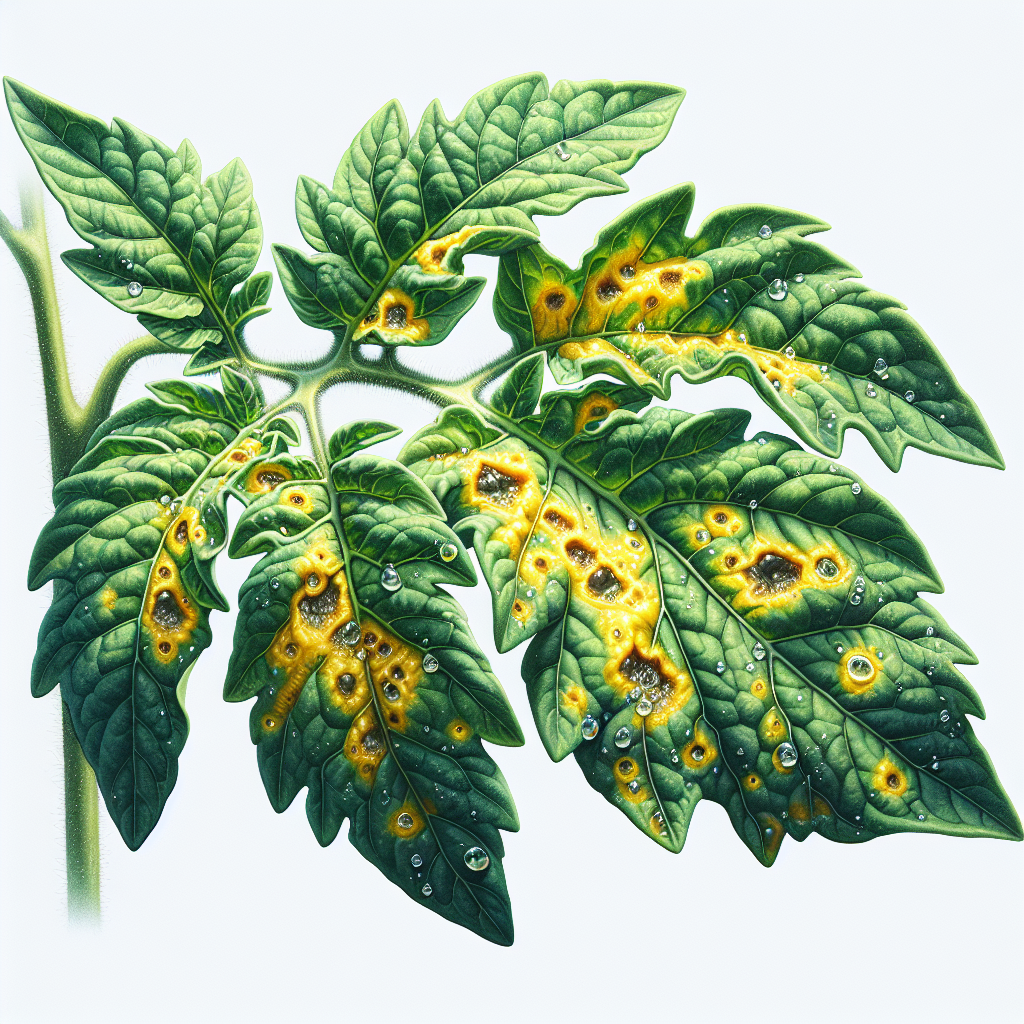
Introduction to Bacterial leaf diseases
Bacterial leaf diseases represent a significant threat to global agriculture, affecting a wide array of crops by targeting leaf tissues and disrupting photosynthesis, transpiration, and overall plant vigor. These diseases are primarily caused by gram-negative bacteria such as Xanthomonas campestris, Pseudomonas syringae, Pseudomonas cichorii, and Erwinia spp., which enter plants through natural openings like stomata or wounds created by mechanical injury, hail, or insect feeding. Unlike fungal pathogens, bacterial diseases spread rapidly in wet environments, often leading to epidemics that can wipe out entire fields if not managed promptly.
In commercial farming and home gardens alike, bacterial leaf diseases manifest as water-soaked lesions that evolve into necrotic spots, angular leaf spots, or widespread blights. Yield losses can exceed 50% in susceptible crops like tomatoes, peppers, and rice during favorable conditions. Early diagnosis is crucial, as antibiotics like copper-based bactericides offer limited control once infections are established. This guide provides professional-grade diagnostic criteria, lifecycle insights, organic management strategies, and prevention tactics tailored for sustainable agriculture. Understanding these diseases empowers growers to implement integrated pest management (IPM) approaches, reducing reliance on chemical inputs while protecting harvests. For instance, tomato crops are particularly vulnerable, highlighting the need for vigilant monitoring.
Identifying Symptoms & Damage
Accurate identification of bacterial leaf diseases hinges on recognizing distinct symptoms that differentiate them from fungal or viral issues. Initial signs include small, water-soaked spots on leaves, often appearing along veins or margins. These lesions are translucent when held to light and may ooze bacterial slime on the underside, especially in humid conditions. As infection progresses, spots turn dark brown to black, developing yellow halos—characteristic of bacterial blight or angular leaf spot.
Angular leaf spots, caused by Xanthomonas species, are bounded by veins, giving a rectangular appearance, and frequently feature a chlorotic (yellow) halo. In contrast, Pseudomonas-induced bacterial leaf spot shows minute, necrotic centers with shot-hole appearance as centers drop out. Blight symptoms involve rapid tissue death, starting at leaf tips or edges, leading to complete defoliation. Systemic infections can cause wilting, stem cankers, and fruit rot, with bacterial streams visible when infected tissue is macerated in water.
Damage extends beyond aesthetics: infected leaves prematurely senesce, reducing photosynthetic capacity by up to 70%, stunting growth, and lowering fruit quality and quantity. Secondary infections by leaf spot diseases or aphids often follow, compounding losses. Diagnostic confirmation involves lab tests like PCR or immunofluorescence, but field diagnosis relies on symptoms plus environmental history—bacteria thrive post-rain or overhead irrigation. Differentiate from fungal spots by lack of mycelial growth or spores under magnification; bacterial ooze is key. In potato, symptoms mimic early blight but progress faster in wet weather.
Lifecycle and Progression of Bacterial leaf diseases
Bacterial leaf diseases follow a polycyclic lifecycle, with multiple infection cycles per season driven by favorable weather. Pathogens overwinter as dormant cells in crop debris, soil, weeds, or on seeds and volunteer plants. Primary inoculum activates in spring with warming temperatures (20-30°C) and moisture, splashing onto lower leaves via rain, irrigation, or wind-driven rain.
Entry occurs through stomata, hydathodes, or wounds. Inside the plant, bacteria multiply in intercellular spaces, producing enzymes that dissolve cell walls, causing water-soaking. Symptoms appear 2-5 days post-infection, coinciding with optimal temperatures and leaf wetness >8 hours. Lesions expand, releasing millions of bacteria in ooze, which dries and becomes airborne or survives on surfaces.
Secondary spread accelerates via splashing, tools, or insects, with epidemics peaking during prolonged wet periods. Progression varies: angular leaf spot halts at veins, while blights spread systemically via xylem, causing wilt. In late season, bacteria enter seeds or fruits, perpetuating the cycle. Lifecycle completion takes 7-14 days per cycle, allowing 5-10 generations per crop. Understanding this enables timed interventions, like removing lower leaves during early wet phases. In rice, bacterial leaf blight progresses from leaf tips upward, defoliating plants in 2-3 weeks.
Environmental Triggers & Risk Factors
Bacterial leaf diseases are highly weather-dependent, exploding in warm (25-32°C), humid conditions with frequent leaf wetness from rain, dew, or poor air circulation. Overhead irrigation splashes bacteria upward, a primary risk in dense canopies. High nitrogen fertilization promotes succulent growth, ideal for bacterial colonization, while dense planting reduces airflow, extending leaf wetness duration.
Soil type influences indirectly: poorly drained fields retain moisture, favoring epiphytic bacteria buildup. Contaminated seeds, tools, or transplants introduce inoculum. Wounds from hail, wind, or machinery provide entry points. Weeds and crop residues serve as reservoirs, especially in minimum-till systems. Regions with monsoon climates or tropical humidity face chronic pressure.
Risk spikes with monoculture of susceptible varieties lacking resistance genes. For example, peppers in humid tropics suffer repeated outbreaks. Climate change exacerbates issues via erratic rains. Mitigate by monitoring forecasts and avoiding stress—drought-weakened plants are more susceptible. Check out this blog post on hyper-local AI weather forecasts for predictive tools.
Organic Control & Treatment Plans
Organic management of bacterial leaf diseases emphasizes prevention over cure, as bactericides have limited efficacy post-infection. Start with sanitation: rogue infected plants immediately, bury or hot-compost debris at >60°C. Disinfect tools with 10% bleach or 70% alcohol between plants. Use disease-free seeds treated with hot water (50°C for 25 min) or approved biofumigants.
Copper-based sprays (e.g., Bordeaux mixture, fixed copper) act as protectants—apply at 7-10 day intervals pre-rain, but rotate to avoid resistance. Organic bactericides like streptomycin (where permitted) or botanical extracts (garlic, neem) offer supplemental control. Biocontrol agents such as Bacillus subtilis or Pseudomonas fluorescens compete with pathogens; apply as foliar sprays.
Cultural tactics: space plants for airflow, stake to reduce soil splash, mulch to suppress weeds. Apply compost teas with antagonistic microbes weekly. Remove lower leaves to minimize inoculum. For outbreaks, prune blighted tissue into bleach bags. In cucumber, combine with bacterial wilt management. Integrated plans yield 80-90% control; monitor weekly.
Preventing Bacterial leaf diseases in the Future
Long-term prevention builds resilient systems. Select resistant varieties—e.g., bacterial spot-resistant tomatoes like 'Mountain Merit'. Practice 2-3 year crop rotations excluding solanaceous hosts. Use drip irrigation to keep foliage dry, timing applications for mornings to minimize wetness.
Enhance soil health with cover crops like clover to boost beneficial microbes suppressing bacteria. Scout fields twice weekly, using sticky traps for vectors. Eradicate weed hosts promptly. Hot water seed treatment and indexing transplants prevent introductions. Balanced nutrition avoids excess nitrogen; calcium strengthens cell walls.
Site selection matters: choose well-drained fields with good airflow. In greenhouses, ventilate and sterilize surfaces. Record incidence for predictive models. Community efforts like area-wide sanitation curb spread. These steps can reduce incidence by 70-90%. Pair with AI diagnostics for early detection, as in this plant misidentification blog.
Crops Most Affected by Bacterial leaf diseases
Bacterial leaf diseases plague solanaceous crops foremost: tomatoes suffer bacterial spot (Xanthomonas spp.) and speck (Pseudomonas); peppers face bacterial leaf spot with 50%+ losses. Crucifers like cabbage endure black rot (X. campestris pv. campestris). Rice battles bacterial leaf blight (X. oryzae pv. oryzae), devastating Asia's paddies. Beans experience halo blight (P. savastanoi pv. phaseolicola).
Cucurbits like squash get angular leaf spot; onions show center rot. Citrus trees exhibit bacterial leaf spot, while strawberry faces bacterial angular leaf spot. Grains like corn suffer Stewart's wilt. Tropicals including mango and banana report outbreaks. Susceptibility varies by variety and region—tropical humidity amplifies risks. Tailor strategies per crop for optimal protection.