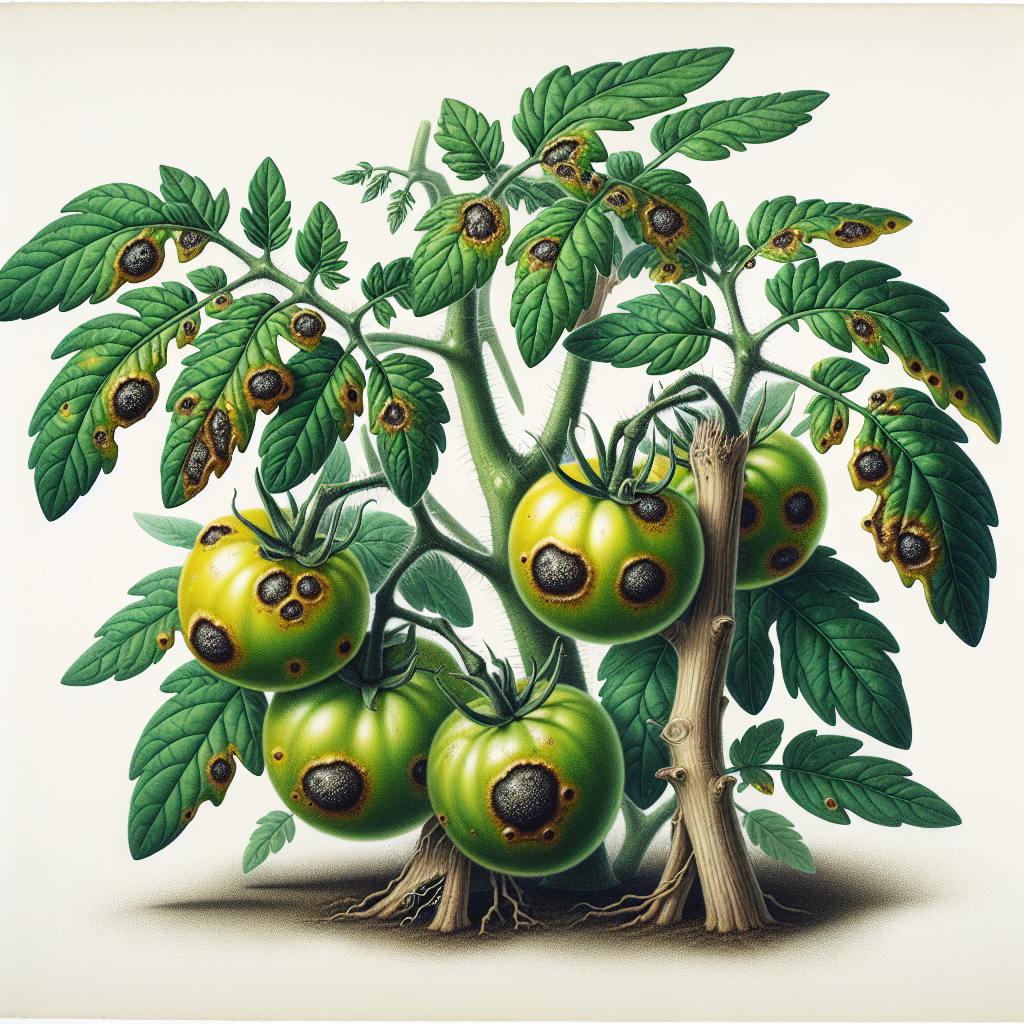
Introduction to Bacterial speck
Bacterial speck, caused by the pathogen Pseudomonas syringae pv. tomato, is a significant bacterial disease that plagues tomato growers worldwide, particularly in temperate climates. This disease manifests as small, dark, water-soaked spots on foliage, stems, and fruits, often surrounded by yellow halos, severely impacting plant health and commercial value. First identified in the early 20th century, bacterial speck has become a persistent challenge due to its ability to survive in crop debris, seeds, and weeds, making it a top concern for tomato cultivation.
The economic impact is substantial, with yield losses reaching up to 30-50% in severe outbreaks, especially on fresh-market tomatoes where fruit blemishes render produce unmarketable. Unlike fungal diseases, bacterial speck progresses rapidly under favorable conditions, emphasizing the need for early detection and integrated management. This guide provides professional-grade diagnostic criteria, lifecycle insights, and proven organic strategies to safeguard your tomato crops. For small farms, timely intervention can mean the difference between profit and loss—check out Why Misidentifying Plants Costs Small Farms Thousands - And How AI Camera Diagnosis Fixes It Fast for tech-assisted solutions.
Understanding bacterial speck is crucial for sustainable agriculture, as it often co-occurs with other issues like bacterial spot or Septoria leaf spot, complicating diagnosis. This comprehensive resource equips growers with actionable steps to minimize damage and optimize yields.
Identifying Symptoms & Damage
Accurate identification of bacterial speck is the cornerstone of effective management. Early symptoms appear on lower leaves as small (1-3 mm), dark brown to black lesions with a water-soaked appearance, often featuring a yellow halo under humid conditions. As the disease advances, spots may merge into larger necrotic areas, leading to leaf yellowing, premature defoliation, and reduced photosynthesis.
On stems, elongated lesions form, sometimes with a corky texture, while fruits develop small, raised, black specks (0.25-1.5 mm) that distort growth and crack under pressure. These fruit spots are superficial but critically affect marketability, especially for salad tomatoes or cherry varieties like Cherry Tomato (Sungold). Severe infections stunt plants, lowering fruit set by 20-40% and increasing susceptibility to secondary pests such as aphids or whiteflies.
Diagnosis involves observing symptoms after cool, rainy periods. Confirm via lab tests: scrape leaf spots and observe under magnification for bacterial streaming (oozing threads in water mounts) or use PCR for P. syringae pv. tomato. Differentiate from early blight (concentric rings) or Alternaria leaf spot (larger, zonate lesions). Damage extends beyond aesthetics—defoliation exposes fruit to sunscald, and speckled tomatoes fetch 50-70% lower prices at market.
Lifecycle and Progression of Bacterial speck
The lifecycle of Pseudomonas syringae pv. tomato is polycyclic, with multiple infection cycles per season. The bacterium overwinters in infected plant debris, seeds, weeds, and soil, surviving epiphytically on symptomless hosts. Primary inoculum spreads via wind-driven rain, overhead irrigation, or contaminated tools, entering through natural openings (stomata, hydathodes) or wounds.
Optimal infection occurs at 18-24°C (64-75°F) with leaf wetness >8 hours. Bacteria multiply rapidly in films of water on leaves, producing toxins that kill host tissue within 3-5 days. Latent periods last 2-10 days, followed by symptom expression. Secondary spread via rain splash accelerates epidemics, with peak activity during flowering to early fruit set.
Progression varies: mild infections cause minor spotting; severe cases lead to total defoliation in 4-6 weeks. In greenhouses, high humidity perpetuates cycles year-round. Survival exceeds 18 months in debris, underscoring sanitation's role. Understanding this cycle enables predictive management, timing sprays before wet weather.
Environmental Triggers & Risk Factors
Bacterial speck thrives in cool (15-25°C), moist environments with prolonged leaf wetness from dew, fog, or rain. High nitrogen fertilizers promote succulent growth, ideal for bacterial entry, while dense canopies trap humidity. Overhead irrigation and poor air circulation are major triggers, splashing bacteria up to 1 meter.
Risk factors include planting infected seeds (up to 5% contamination), volunteer tomatoes, and nearby Solanaceous weeds harboring the pathogen. Cool springs followed by warm rains spike outbreaks, as seen in the U.S. Midwest and Europe. Soil pH >7 reduces copper efficacy, and clay soils retain moisture longer. Crop rotation <2 years with non-hosts like corn or wheat heightens risk. Monitor forecasts—outbreaks surge post-thunderstorms.
Organic Control & Treatment Plans
Organic management integrates cultural, biological, and approved bactericides. Start with sanitation: rogue infected plants, till debris post-harvest, and disinfect tools (1:10 bleach). Use certified disease-free seeds or hot-water treat (soak 25 min at 50°C). Apply copper-based sprays (e.g., copper octanoate) at 7-10 day intervals during wet periods, tank-mixing with Bacillus subtilis for antagonism.
Biologicals like Pseudomonas fluorescens or Streptomyces griseoviridis colonize leaves, outcompeting the pathogen. Serenade (Bacillus subtilis) reduces lesions by 60-80% in trials. Prune for airflow, stake plants upright, and mulch to minimize splash. Foliar nutrition with micronutrients (Zn, Mn) boosts resistance. For outbreaks, apply Actigard (acibenzolar-S-methyl, OMRI-listed) to induce SAR, applied 2-3x at 7-day intervals.
Treatment plan: Scout weekly; at first symptoms, copper + biological spray, repeat biweekly. In severe cases, harvest early. Efficacy reaches 70-90% with IPM. Avoid overhead watering—drip irrigate.
Preventing Bacterial speck in the Future
Prevention hinges on exclusion and resistance. Plant resistant varieties like 'Mountain Merit' or 'Iron Lady', which show 50-80% less severity. Rotate 3+ years with non-Solanaceae like cucumber or lettuce. Site selection: well-drained fields with good airflow, avoiding low spots.
Seed treatment: thermotherapy or indexing. Cover crops like mustard biofumigate soil. Windbreaks reduce rain splash. Monitor with traps or apps for early warning. Post-harvest, flame-kill volunteers and debris. Long-term, soil solarization (6 weeks summer) kills overwintering bacteria. Integrated with Soil Health Mastery: 5 Proven Strategies for Small Farms to Build Fertile Ground Without Breaking the Bank—healthy soils resist better. Annual planning cuts incidence by 90%.
Crops Most Affected by Bacterial Speck
Primarily tomatoes (Roma Tomato, Beefsteak Tomato, field and greenhouse), with occasional reports on peppers (bell pepper), eggplant (eggplant), and potatoes (potato). Susceptible worldwide, devastating in commercial fields. Hybrids vary; heirlooms highly vulnerable.