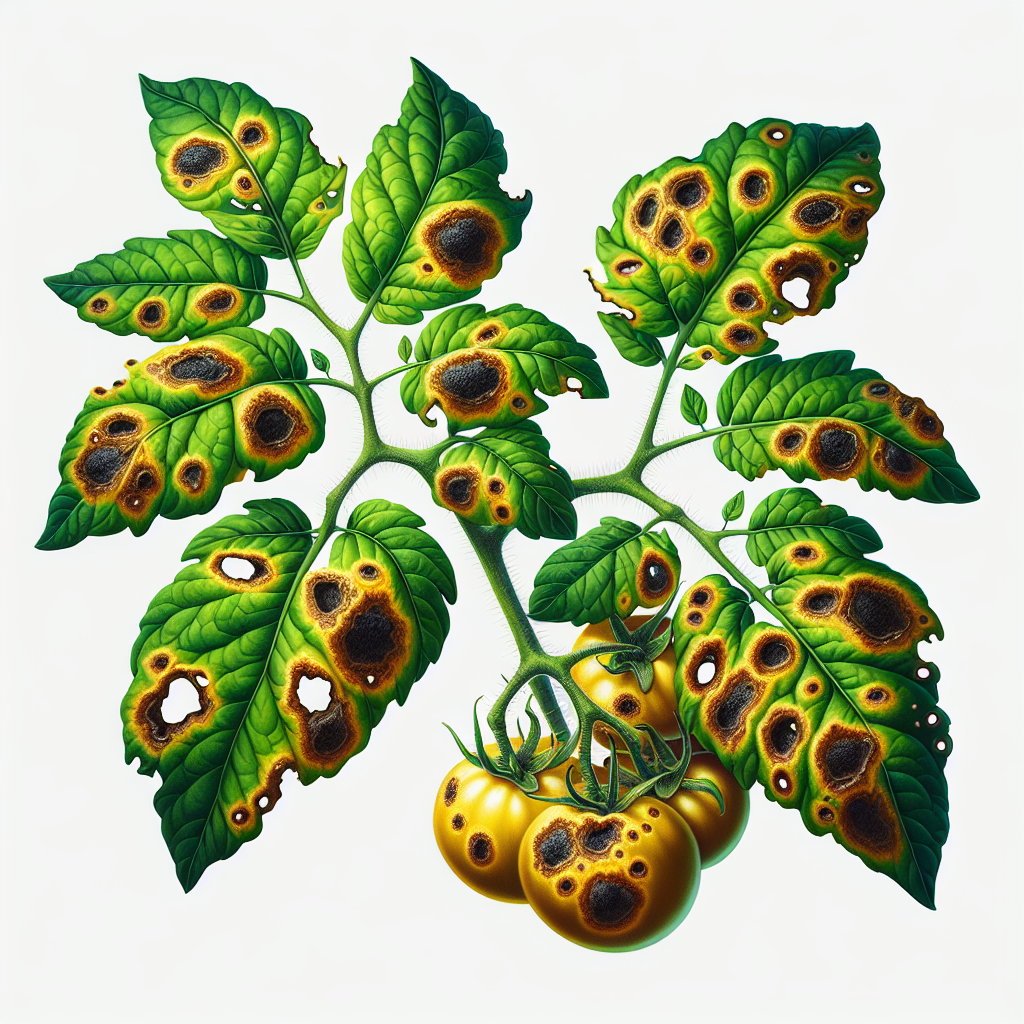
Introduction to Bacterial black spot
Bacterial black spot, also known as bacterial spot, is a prevalent and highly infectious disease caused by the bacterium Xanthomonas campestris pv. vesicatoria (Xcv). This pathogen poses a major threat to vegetable production worldwide, particularly in warm, humid climates where it can devastate crops within weeks of infection. First identified in the early 20th century, bacterial black spot thrives on crops in the Solanaceae family, leading to defoliation, fruit blemishes, and up to 50% yield reductions in severe outbreaks.
Unlike fungal diseases, bacterial black spot spreads through water-splashed bacteria entering plants via natural openings or wounds. It overwinters in plant debris, seeds, and volunteer plants, making crop rotation and sanitation critical. Farmers often confuse it with fungal leaf spots or early blight, but its water-soaked lesions and haloed spots are distinctive. Early detection is key to minimizing economic losses, especially for high-value crops like tomato and bell pepper. This guide provides comprehensive diagnostics, lifecycle insights, and organic management strategies to protect your fields. For small farms struggling with disease identification, tools like AI-powered plant diagnosis can prevent costly missteps—check out Why Misidentifying Plants Costs Small Farms Thousands - And How AI Camera Diagnosis Fixes It Fast.
The disease's impact extends beyond yield loss; blemished fruits are unmarketable, affecting fresh market sales and processing quality. In regions with intensive tomato production, such as the southeastern U.S., Florida, and parts of Asia, annual losses exceed millions. Understanding its biology empowers growers to implement integrated pest management (IPM) tailored to their operations.
Identifying Symptoms & Damage
Recognizing bacterial black spot early is essential for containment. Initial symptoms appear on lower leaves as small, water-soaked spots, often 1/8 to 1/4 inch in diameter. These lesions turn dark brown to black with a yellow halo, resembling freckles on the foliage. As the disease progresses, spots merge into larger necrotic areas, causing leaf yellowing, wilting, and premature defoliation. Stems develop cankers—sunken, blackened streaks that girdle young tissues, halting growth.
On fruits, especially Roma tomato and jalapeño pepper, spots start as minute, raised pimples that darken to black, erupting with a shot-hole appearance. Infected fruits become leathery, cracked, and prone to secondary rots. Unlike Septoria leaf spot, bacterial spots lack fruiting bodies and ooze creamy bacterial slime when cut, especially in humid mornings.
Damage severity correlates with plant age; seedlings succumb quickly, while mature plants suffer cosmetic fruit damage reducing grade. Yield losses range from 10-70%, with defoliation exposing fruits to sunscald and pests like aphids. Conduct a 20x hand lens inspection: look for angular lesions bounded by veins and fluorescent under UV light. Differentiate from bacterial blight by the lack of systemic wilting. Regular scouting every 3-5 days during wet periods prevents epidemic spread.
Lifecycle and Progression of Bacterial black spot
The lifecycle of X. campestris pv. vesicatoria is rapid, completing in 5-7 days under optimal conditions. Bacteria survive as dormant cells in infected seeds (up to 10 years), plant debris (1-2 years), and alternate hosts like weeds. Primary infection occurs via splashing rain or overhead irrigation carrying bacteria into stomata or wounds.
Once inside, bacteria multiply in intercellular spaces, producing toxins that kill cells, forming lesions within 2-4 days. Lesions release millions of bacteria in ooze, perpetuating cycles during rain events. Peak activity happens at 77-86°F (25-30°C) with leaf wetness >6 hours. Progression: Day 1-2 water-soaked spots; Day 3-4 halo formation; Day 5+ necrosis and shot holes. Systemic spread via xylem causes stem cankers in advanced stages.
Overwintering in debris releases bacteria next season via rain splash. Seed transmission rates can reach 80% in untreated lots. Understanding this cycle informs timing: avoid planting during peak rain, remove debris post-harvest. Compared to Pseudomonas syringae, Xcv is more aggressive in warm weather.
Environmental Triggers & Risk Factors
Warm temperatures (75-90°F) and high humidity (>85%) are prime triggers, with free water on leaves enabling infection. Frequent rains, poor air circulation from dense canopies, and overhead watering exacerbate spread. Acidic soils (pH <6.0) stress plants, increasing susceptibility.
Risk factors include contaminated seeds, volunteer plants, and nearby solanaceous weeds. High nitrogen fertilizers promote lush growth ideal for bacteria. Clay soils retaining moisture heighten danger. Regions like the tropics or irrigated fields in summer face highest risks. Leafhoppers and wind-driven rain aid dispersal over 1/4 mile. Mitigate by planting in full sun with 4-6 ft row spacing for airflow.
Organic Control & Treatment Plans
No cure exists post-infection; focus on suppression. Start with copper-based bactericides like fixed copper hydroxide (OMRI-listed) applied preventively every 7 days in wet weather. Alternate with Bacillus subtilis or Streptomyces lydicus for resistance management. Serenade (QST 713) provides biological control by outcompeting pathogens.
Prune infected leaves (sterilize tools with 10% bleach between cuts) and destroy debris. Apply Actigard (acibenzolar-S-methyl) as a plant activator to boost systemic acquired resistance (SAR). For seedlings, hot water treat seeds at 122°F for 25 minutes. Integrate with compost teas containing Trichoderma for root health.
Treatment timeline: Scout weekly; apply copper at first symptoms; follow with biologics. Efficacy reaches 60-80% with IPM. Avoid antibiotics to preserve beneficial microbes. For eggplant, combine with reflective mulches to deter vectors.
Preventing Bacterial black spot in the Future
Prevention is 90% of control. Use certified disease-free seeds or hot-water treated stock. Rotate crops 2-3 years away from solanaceae. Plant resistant varieties like 'Mountain Magic' tomato or 'Revolution' pepper. Maintain 4-week weed-free strips around fields.
Optimize spacing (18-24" in-row), stake for airflow, and irrigate via drip to keep foliage dry. Apply balanced nutrition avoiding excess N. Post-harvest, till debris and cover with tarps for solarization. Mulch with straw to suppress splash. Monitor weather for leaf wetness hours; delay planting if >20 hours/week forecasted. Learn from Soil Health Mastery: 5 Proven Strategies for Small Farms to Build Fertile Ground Without Breaking the Bank to bolster plant vigor.
Crops Most Affected by Bacterial black spot
Primarily solanaceous crops: tomato (all types, e.g., cherry tomato, beefsteak tomato), bell pepper, chili pepper, and eggplant. Potato shows minor susceptibility. Tropical crops like okra and weeds host reservoirs. Global impact hits processing tomatoes hardest, with U.S. losses >$100M annually.