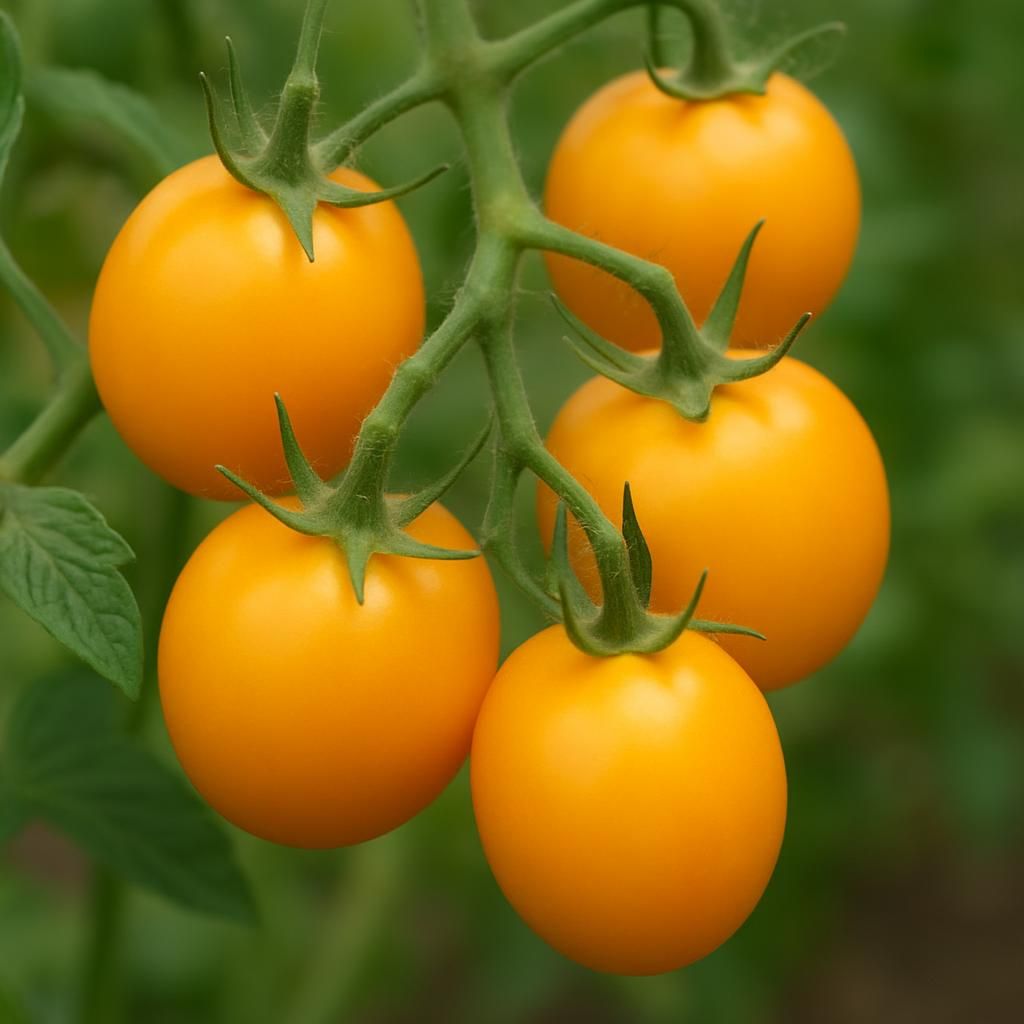
Introduction to Azoychka Tomato
Azoychka Tomato is a distinctive Russian heirloom cultivar that has gained international recognition for its cold-hardiness, vibrant fruit color, and outstanding flavor profile. Originating from the northern regions of Russia, this variety was developed to thrive in short growing seasons and cooler temperatures where many standard tomato cultivars struggle. The name 'Azoychka' reflects its regional heritage and is often associated with the Azov Sea area. Gardeners appreciate Azoychka for its ability to set fruit reliably even when nighttime temperatures dip, making it an excellent choice for northern climates and high-altitude gardens. Its bright yellow-orange fruits are not only visually striking but also deliver a balanced sweet-tart flavor with subtle citrus undertones. The plants are indeterminate, continuing to produce throughout the season until frost, which maximizes yields in extended harvest windows. Azoychka Tomato is also noted for its relatively early maturity, often ripening 70-80 days after transplanting, providing an advantage in regions with limited frost-free periods. In addition to fresh eating, the fruits hold well for sauces, salads, and canning due to their firm texture and rich juice content. This variety has become a favorite among seed savers and collectors seeking unique, non-hybrid tomatoes with proven performance in challenging conditions.
Botanical Profile of Azoychka Tomato
Azoychka Tomato belongs to the species Tomato within the Solanaceae family. It is an indeterminate, vining plant that can reach heights of 5-7 feet when properly supported. The foliage is typical of tomatoes, with compound leaves that are medium green and slightly serrated. Flowers are yellow and self-pollinating, appearing in clusters along the stems. The fruits are medium-sized, averaging 4-8 ounces, with a slightly flattened or oblate shape and smooth, thin skin that ripens to a brilliant yellow-orange hue. Inside, the flesh is meaty with few seeds and a juicy, aromatic quality. Azoychka is known for its high beta-carotene content, which contributes to both its color and nutritional value. Unlike many yellow tomatoes, it maintains good acidity, giving it a complex flavor suitable for both fresh consumption and cooked preparations. The plant exhibits moderate disease resistance but benefits from good cultural practices to prevent common tomato ailments.
Soil, pH, and Climate Requirements for Azoychka Tomato
Azoychka Tomato thrives in well-drained, fertile soils enriched with organic matter. It prefers full sun exposure of at least 6-8 hours daily and performs best in temperatures between 60-85°F during the day. This variety shows notable tolerance to cooler nights, making it suitable for regions with variable spring and fall weather.
| Parameter | Ideal Range | Notes |
|---|---|---|
| Soil Type | Loamy, well-drained | Incorporate compost for structure |
| Soil pH | 6.0-6.8 | Slightly acidic to neutral |
| Daytime Temperature | 60-85°F (15-29°C) | Optimal fruit set and growth |
| Nighttime Temperature | 50-65°F (10-18°C) | Tolerates cooler nights better than most |
| Sunlight | Full sun, 6-8+ hours | Essential for flavor and color development |
| Spacing | 24-36 inches between plants | Rows 4-5 feet apart |
| Frost Sensitivity | Tender | Protect seedlings; mature plants tolerate light frost better |
Step-by-Step Planting & Propagation
Start Azoychka Tomato seeds indoors 6-8 weeks before the last expected frost date. Use a sterile seed-starting mix and maintain soil temperatures around 70-75°F for optimal germination, which typically occurs in 7-10 days. Once seedlings develop their first true leaves, transplant them into larger containers to encourage strong root development. Harden off plants for 7-10 days before transplanting outdoors when soil has warmed to at least 60°F and nighttime temperatures consistently exceed 50°F. Dig planting holes 18-24 inches deep and amend with compost or well-rotted manure. Plant seedlings deeply, burying the stem up to the first set of leaves to promote adventitious roots. Space plants 24-36 inches apart in rows 4-5 feet wide. Install stakes, cages, or trellises at planting time to support the indeterminate vines. Water thoroughly after transplanting and apply a layer of organic mulch to conserve moisture and suppress weeds. In cooler climates, consider using row covers or cloches during the first few weeks to protect young plants.
Care & Maintenance regimes for Azoychka Tomato
Consistent care throughout the growing season ensures healthy plants and abundant harvests. Azoychka Tomato requires regular watering, balanced nutrition, and proper pruning to maintain vigor and fruit quality.
| Task | Frequency | Details |
|---|---|---|
| Watering | 1-2 inches per week | Deep, infrequent watering; increase during fruiting; avoid overhead irrigation |
| Fertilizer | Every 3-4 weeks | Balanced NPK (e.g., 5-10-10) at planting; switch to high-phosphorus formula once flowering begins |
| Pruning | Weekly | Remove suckers below first flower cluster; prune lower leaves for airflow; top vines 4 weeks before first frost |
| Mulching | At planting and as needed | 2-3 inch layer of straw, leaves, or wood chips to retain moisture and reduce disease |
| Support | Ongoing | Tie vines to stakes or cages every 8-12 inches of growth |
Monitor plants for signs of nutrient deficiency and adjust feeding accordingly. Side-dress with compost tea or fish emulsion mid-season to boost productivity.
Pests, Diseases & Organic Management
Azoychka Tomato can be affected by common tomato pests and diseases, though its cold tolerance may reduce some pressure. Regular scouting and cultural practices are the first line of defense.
Common pests include Aphids, Spider Mites, Whiteflies, Hornworms, and Flea Beetles. Organic controls include insecticidal soaps, neem oil, and handpicking larger larvae. Encourage beneficial insects such as ladybugs and lacewings by planting flowering companions.
Diseases of concern are Early Blight, Late Blight, Septoria Leaf Spot, Fusarium Wilt, and Verticillium Wilt. Practice crop rotation, avoid overhead watering, and remove infected foliage promptly. Copper-based fungicides or Bacillus subtilis products can help manage fungal issues organically. Ensure good airflow through proper spacing and pruning.
Harvesting, Curing & Optimal Storage
Azoychka Tomato fruits are typically ready for harvest 70-80 days after transplanting when they reach full yellow-orange color and yield slightly to gentle pressure. Pick regularly to encourage continued production. For best flavor, allow fruits to ripen fully on the vine, but harvest before heavy frost. To ripen late-season green tomatoes, place them in a paper bag with an apple or banana at room temperature. Store ripe tomatoes at 55-70°F away from direct sunlight; avoid refrigeration as it diminishes flavor and texture. For longer storage, process into sauces, salsas, or can whole. Properly stored canned products maintain quality for 12-18 months.
Companion Planting for Azoychka Tomato
Strategic companion planting enhances Azoychka Tomato growth, deters pests, and improves soil health. Beneficial companions include Basil, Marigold, Nasturtium, Garlic, and Onion. These plants help repel aphids, whiteflies, and nematodes while attracting pollinators. Avoid planting near Fennel or walnuts, which can inhibit tomato growth. Interplant with Lettuce or Carrot for efficient space use in smaller gardens. Rotating tomatoes with legumes such as Peas or Beans in subsequent seasons replenishes soil nitrogen naturally.