Introduction to bacterial diseases
Bacterial diseases represent one of the most challenging threats to global agriculture, affecting a vast array of crops from staple grains to high-value fruits and vegetables. Unlike fungal pathogens, bacteria are microscopic, single-celled organisms that multiply rapidly inside plant tissues, often causing wilting, spots, blights, and rots. Common culprits include genera like Xanthomonas, Pseudomonas, Erwinia, and Ralstonia, each with species specialized to infect specific hosts.
These diseases lead to significant yield reductions—up to 100% in severe outbreaks—and post-harvest losses due to soft rots. In tomato crops, bacterial spot and canker render fruits unmarketable, while in rice, bacterial leaf blight devastates entire fields. Warm, humid climates exacerbate spread, making them a perennial concern for farmers worldwide. Early diagnosis is critical, as antibiotics are ineffective once symptoms appear, emphasizing proactive cultural controls. This guide provides professional-grade strategies for identification, management, and prevention tailored to organic and conventional systems.
Identifying Symptoms & Damage
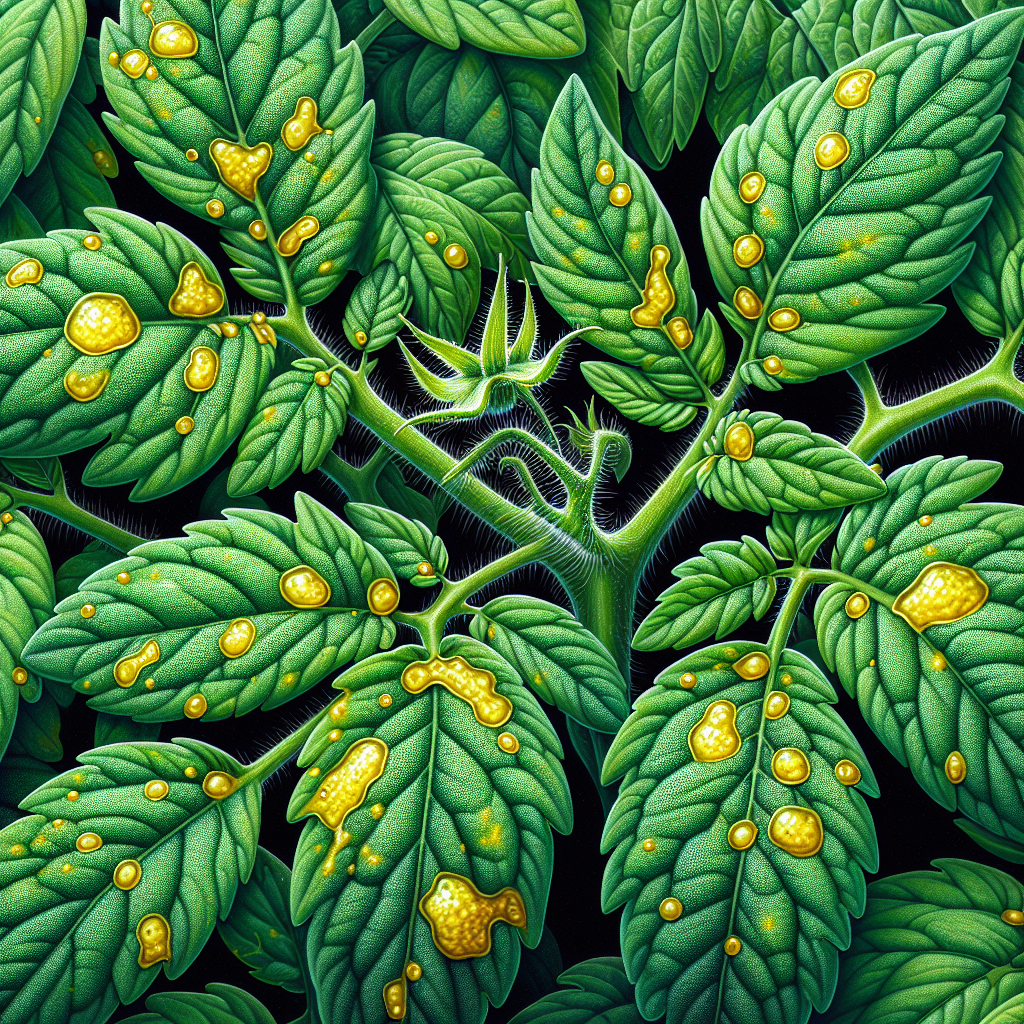
Bacterial diseases manifest through distinctive symptoms that differentiate them from fungal or viral issues. Key signs include water-soaked lesions that turn dark brown or black, often with a slimy ooze under humid conditions. Leaves show angular spots with yellow halos, as seen in bacterial spot on peppers and tomatoes, where lesions are limited by veins.
Stems exhibit cankers—sunken, discolored areas that girdle vascular tissue, leading to wilting above the infection site. In potato, common bacterial blight causes irregular brown spots on leaves and stems. Vascular wilts, like those from Ralstonia solanacearum, result in sudden drooping of foliage with no spots, as bacteria clog xylem vessels. Fruits develop soft rots with foul odors, common in Erwinia infections on cucumber and squash.
Damage progresses rapidly: initial spots expand, coalesce, and cause defoliation, reducing photosynthesis by 50-70%. Yield losses average 20-40% in grains like corn from Stewart's wilt, while fruit rots make produce unsellable. Confirm diagnosis by scraping lesions—if tissue beneath is slimy and smells rotten, bacteria are likely. Lab tests like PCR or ELISA provide definitive identification, but field scouts use the "string test": touch ooze to a stick; bacterial exudate forms threads.
Lifecycle and Progression of bacterial diseases
Bacteria enter plants via wounds, stomata, or hydathodes (natural openings at leaf tips). Once inside, they multiply in intercellular spaces, producing enzymes that dissolve cell walls, creating water-soaked areas. Populations explode from 10^4 to 10^9 cells per gram of tissue in 24-48 hours under optimal conditions (28-32°C, high humidity).
Progression follows infection courts: foliar bacteria like Xanthomonas spread via rain splash, advancing from lower to upper canopy. Systemic invaders like Ralstonia move via xylem, causing wilt within days. Overwintering occurs in crop debris, seeds, weeds, or soil for 1-3 years. In spring, irrigation or rain splashes bacteria onto new growth, restarting cycles.
Epidemics build exponentially: latent period (incubation) is 2-5 days, followed by rapid symptom expression. In wheat, bacterial leaf streak progresses from streaks to blights in wet seasons. Secondary spread via wind-driven rain amplifies damage, with polycyclic infections yielding multiple generations per season.
Environmental Triggers & Risk Factors
Bacteria thrive at 25-35°C with leaf wetness >6 hours, common in tropical/subtropical regions or during rainy summers. Overhead irrigation creates ideal splash zones, increasing risk 5-10x. High nitrogen fertilizers promote succulent growth, easing entry.
Poor air circulation in dense canopies traps moisture, while wounds from aphids, hail, or cultivation serve as gateways. Contaminated seeds transmit pathogens, with rates up to 5% in soybeans. Weeds like Johnson grass harbor Stewart's Wilt for corn. Soil pH extremes (>7.5 or <5.5) stress plants, heightening susceptibility. Monocultures amplify outbreaks, as diverse rotations reduce inoculum.
Organic Control & Treatment Plans
No curative organic treatments exist post-infection; focus on suppression. Copper-based bactericides (fixed copper like Bordeaux mixture) provide protectant action, applied at 7-10 day intervals pre-symptom onset, but efficacy is 50-70% and rainfastness limited. Streptomycin is restricted; use only if legal and rotate to avoid resistance.
Cultural Controls: Remove and destroy infected debris immediately. Prune cankers 6-12 inches below symptoms, sterilizing tools with 10% bleach between cuts. Avoid overhead watering; drip irrigate to keep foliage dry. Apply Soil Health Mastery: 5 Proven Strategies for Small Farms to Build Fertile Ground Without Breaking the Bank principles like compost teas to boost plant immunity.
Biologicals: Bacillus subtilis or Pseudomonas fluorescens antagonize pathogens via competition; apply as foliar sprays weekly. Plant extracts like garlic or neem oil show 30-50% suppression. For wilts, Trichoderma soil drenches reduce soil inoculum.
Integrated Plan: Scout weekly; threshold 1-5% incidence triggers action. In tomatoes, combine copper with mancozeb (if allowed) and rogue plants. For high-value avocado, trunk injections of oxytetracycline in early stages, but organic alternatives prioritize sanitation.
Preventing bacterial diseases in the Future
Prevention is 90% of control. Use certified, pathogen-free seeds; hot water treat at 50°C for 25 min. Plant resistant varieties: bacterial spot-resistant tomatoes like 'Mountain Magic'. Rotate crops 2-3 years, avoiding host families.
Sanitation is paramount: till under residue deeply, flame weed borders. Disinfest tools/greenhouses with quaternary ammonium. Improve airflow via wider spacing (20-30% more). Mulch suppresses splash. Monitor with disease models factoring temperature/humidity.
Biofumigation with mustard cover crops releases gases toxic to soil bacteria. Grafted plants on resistant rootstocks combat wilts in eggplant and tomato. Long-term, select fields with good drainage; avoid low spots. Annual planning with tools like those in Why Timing Kills Small Farm Profits - And How AI Task Scheduling Saves Your Harvests ensures timely preventives.
Crops Most Affected by bacterial diseases
Solanaceae family tops the list: tomato, potato, eggplant, and bell pepper suffer bacterial spot, canker, and wilt. Crucifers like cabbage and broccoli face black rot (Xanthomonas campestris). Grains including rice (bacterial blight), corn (Stewart's wilt), and wheat (basal glume rot) see major losses.
Tropicals like banana (Moko disease), mango, and citrus (canker) are vulnerable. Legumes such as soybeans and beans endure halo blight. Cucurbits including cucumber and watermelon get angular leaf spot. Onions and garlic experience center rot. Worldwide, these impact 10-20% of production annually.