Definitive Diagnostic and Management Guide for Bacillus
Introduction to Bacillus
Bacillus is a genus of rod-shaped, Gram-positive, aerobic bacteria commonly found in soil, water, and plant surfaces worldwide. In agriculture, Bacillus species are double-edged swords: beneficial strains like Bacillus thuringiensis (Bt) are cornerstone organic insecticides targeting caterpillars, armyworms, and other lepidopteran pests, while pathogenic variants such as Bacillus cereus or Bacillus subtilis can trigger bacterial leaf spots, rots, and blights in susceptible crops. Understanding Bacillus dynamics is crucial for farmers aiming to harness its biopesticidal power without inviting disease outbreaks.
First isolated in the late 19th century, Bt produces crystal proteins (Cry toxins) during sporulation that paralyze and kill pest larvae upon ingestion. Commercial Bt formulations, like Dipel or Thuricide, dominate organic pest management, offering specificity without harming beneficial insects or humans. However, overreliance or environmental stressors can lead to resistance or secondary infections from opportunistic Bacillus pathogens. This guide equips growers with diagnostic tools, lifecycle insights, and organic strategies to optimize Bacillus as an ally. For small farms, integrating Bt aligns with sustainable practices, reducing chemical inputs by up to 50% in tomato and corn fields. Learn more about Why Misidentifying Plants Costs Small Farms Thousands - And How AI Camera Diagnosis Fixes It Fast to spot Bacillus early.
Bacillus thrives in diverse conditions, forming endospores that endure extremes of heat, drought, and UV radiation—making it resilient for field applications. Pathogenic strains enter plants via wounds, stomata, or splashing rain, causing watery lesions that mimic bacterial leaf spots. Early intervention preserves yields, especially in high-value crops like potato and rice. This comprehensive resource draws from entomological and botanical expertise to deliver actionable advice.
Identifying Symptoms & Damage
Bacillus-related damage varies by strain and host. Beneficial Bt causes no plant harm but visible pest mortality: targeted larvae stop feeding within hours, turning black and liquefying in 2-3 days. Scout for shriveled, hanging caterpillars on foliage—confirmation of Bt efficacy.
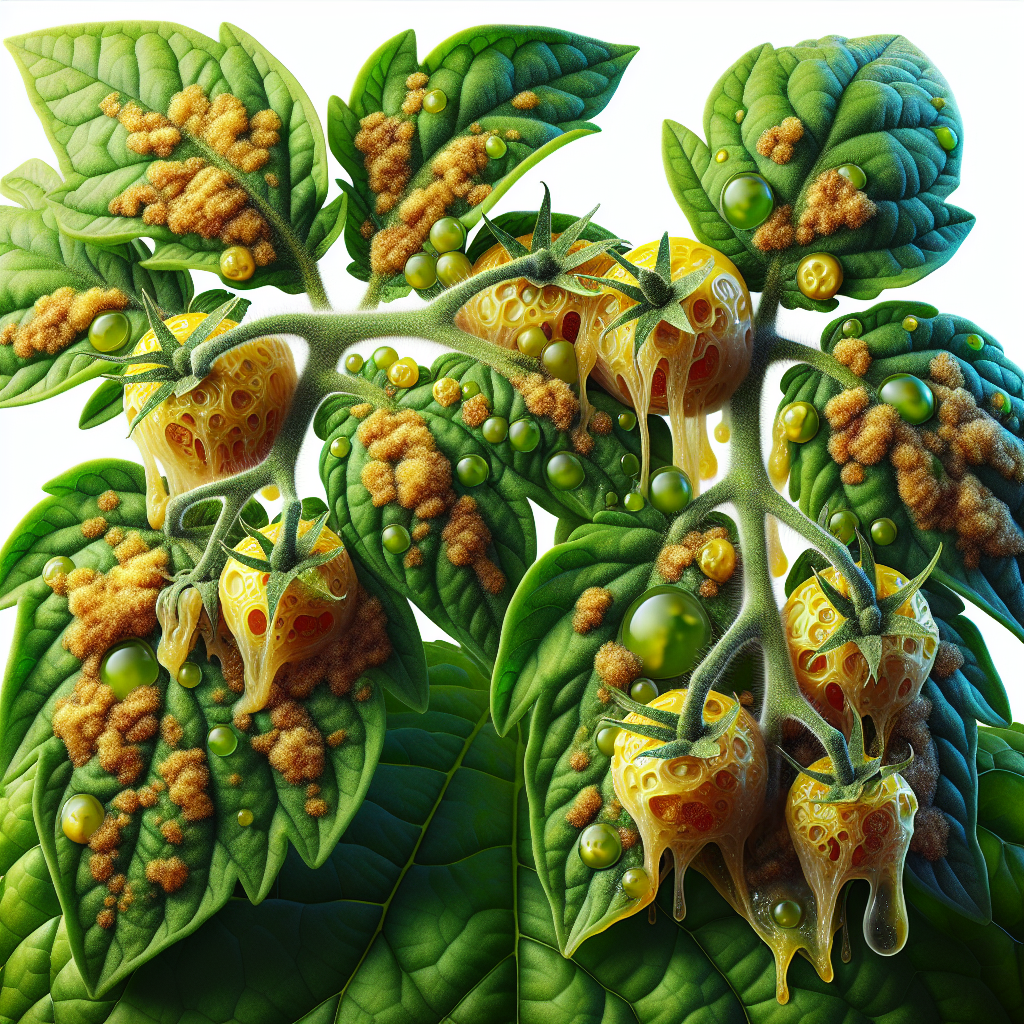
Pathogenic Bacillus manifests as bacterial blights: small, water-soaked spots on leaves evolving into yellow halos with brown centers, often with slimy ooze in humid conditions. On stems, elongated lesions girdle tissues, leading to wilting. In roots, soft rots produce foul odors and mushy textures, similar to Pythium but without fungal mycelia. Fruit symptoms include sunken, necrotic spots on tomato or bell pepper, reducing marketability by 20-40%.
Diagnostic tips: Crush lesions and sniff for earthy, musty smells (Bacillus signature). Microscopic exam reveals rod-shaped rods in Gram stains. Differentiate from fungal blights by lack of sporulation. Damage severity peaks in warm, wet weather, with yield losses up to 30% in untreated soybeans. Use a 10x hand lens to check for bacterial streaming from cut tissue—a key identifier. In advanced stages, entire plants collapse, mimicking wilt diseases. Regular monitoring prevents escalation; integrate with aphids control as vectors exacerbate spread.
Lifecycle and Progression of Bacillus
Bacillus lifecycle centers on vegetative cells transitioning to dormant endospores under stress. Vegetative phase (active growth) occurs in nutrient-rich plant exudates or pest guts, lasting 24-48 hours. Sporulation follows, producing heat-resistant endospores and insecticidal crystals in Bt.
In soil, spores persist years, germinating when conditions favor (moisture >60%, temp 25-35°C). Pathogenic strains infect via natural openings, multiplying rapidly (doubling every 20 minutes) to overwhelm plant defenses. Progression: Day 1-2 incubation; Day 3-5 symptom onset; Week 2 systemic spread via xylem. In pests, Bt crystals solubilize in alkaline midguts (pH 9-11), binding receptors and perforating cells—death in 24-72 hours.
Endospores disperse via wind, rain, insects, or equipment, surviving winters. Multiple generations per season amplify issues. In potato, tuber rots progress from field to storage, losing 15-25% post-harvest. Understanding this cycle informs timing: apply Bt evenings to evade UV degradation, reapplying every 7-10 days.
Environmental Triggers & Risk Factors
Bacillus flourishes in warm (25-37°C), humid (>80% RH) environments with poor air circulation. High nitrogen fertilizers boost succulent growth, inviting infection. Overhead irrigation splashes bacteria, while compacted soils limit drainage, fostering rots akin to root rot.
Risk factors include monocultures, wounded plants from cutworms, and alkaline soils (pH >7.5) favoring spore germination. Crop rotation gaps with wheat or corn reduce soil inoculum. Drought stress weakens defenses, while excessive tillage aerosolizes spores. In greenhouses, dense planting accelerates epidemics. Climate change extends warm periods, increasing outbreaks in rice paddies. Mitigate with 5-7 cm mulch to moderate moisture.
Organic Control & Treatment Plans
Embrace Integrated Pest Management (IPM) with Bacillus biopesticides as first line. For pests, apply Bt at 0.5-2 kg/ha, targeting young larvae. Combine with neem oil or spinosad for synergism. For pathogenic strains, copper-based organics (e.g., Bordeaux mix) at 2-3 g/L suppress bacteria without residues.
Cultural controls: Prune infected parts, destroy debris. Improve drainage with raised beds. Biologicals like Trichoderma antagonize Bacillus in soil. Treatment plan: Week 1 scout/apply Bt or copper; Week 2 monitor; Repeat if needed. In potato, seed treatment with Streptomyces reduces rots 40%. Avoid antibiotics to preserve microbiome. For severe cases, rogue plants and solarize soil (clear plastic, 4-6 weeks summer). Track efficacy with yield maps. See Spring Pest Patrol: Organic AI Strategies to Shield Your Crops from Common Invaders for tech integration.
Preventing Bacillus in the Future
Prevention hinges on sanitation and resilience. Rotate crops (3-4 years), avoiding solanaceae sequences. Use certified, disease-free seeds. Maintain 40-60 cm spacing for airflow. Apply compost teas with Bacillus subtilis (beneficial) to outcompete pathogens. Monitor with sticky traps for vectors like whiteflies.
Soil health via cover crops like clover suppresses spores. Acidify alkaline soils with sulfur (pH 6.2-6.8 ideal). Drip irrigation minimizes splash. Scout weekly, acting at 5% incidence. Resistant varieties: 'Superior' potato, Bt-cotton hybrids. Post-harvest, cure tubers at 15°C, 95% RH. Long-term, foster biodiversity with marigold borders deterring pests.
Crops Most Affected by Bacillus
Solanaceae dominate: potato (blight, rots), tomato (leaf spots), eggplant, bell pepper. Grains like rice, wheat, corn suffer sheath rots. Legumes (soybeans, chickpeas) prone to blights. Tropicals: banana, mango. Bt targets pests on cabbage, lettuce. Yields drop 10-50% untreated.