Encyclopedia
Definitive guides for crops, pests, and agricultural diseases.
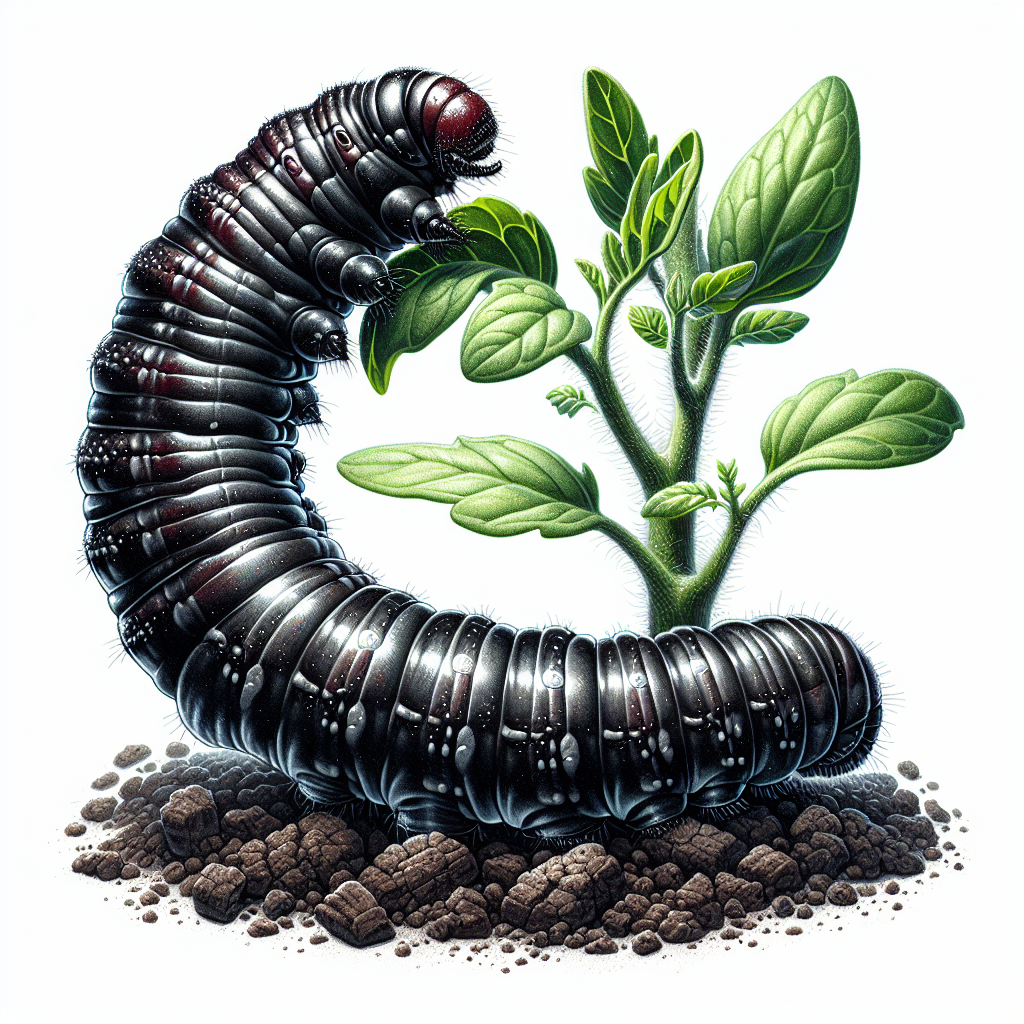
cutworms
Cutworms are notorious soil-dwelling moth larvae that sever young plant stems at ground level, causing devastating stand losses in vegetable and field crops. This guide provides definitive diagnostics, lifecycle insights, organic management strategies, and prevention tactics for farmers battling these nocturnal pests. Protect your [tomato](/wiki/tomato) and [corn](/wiki/corn) crops with proven, professional-grade agricultural advice.
View Profile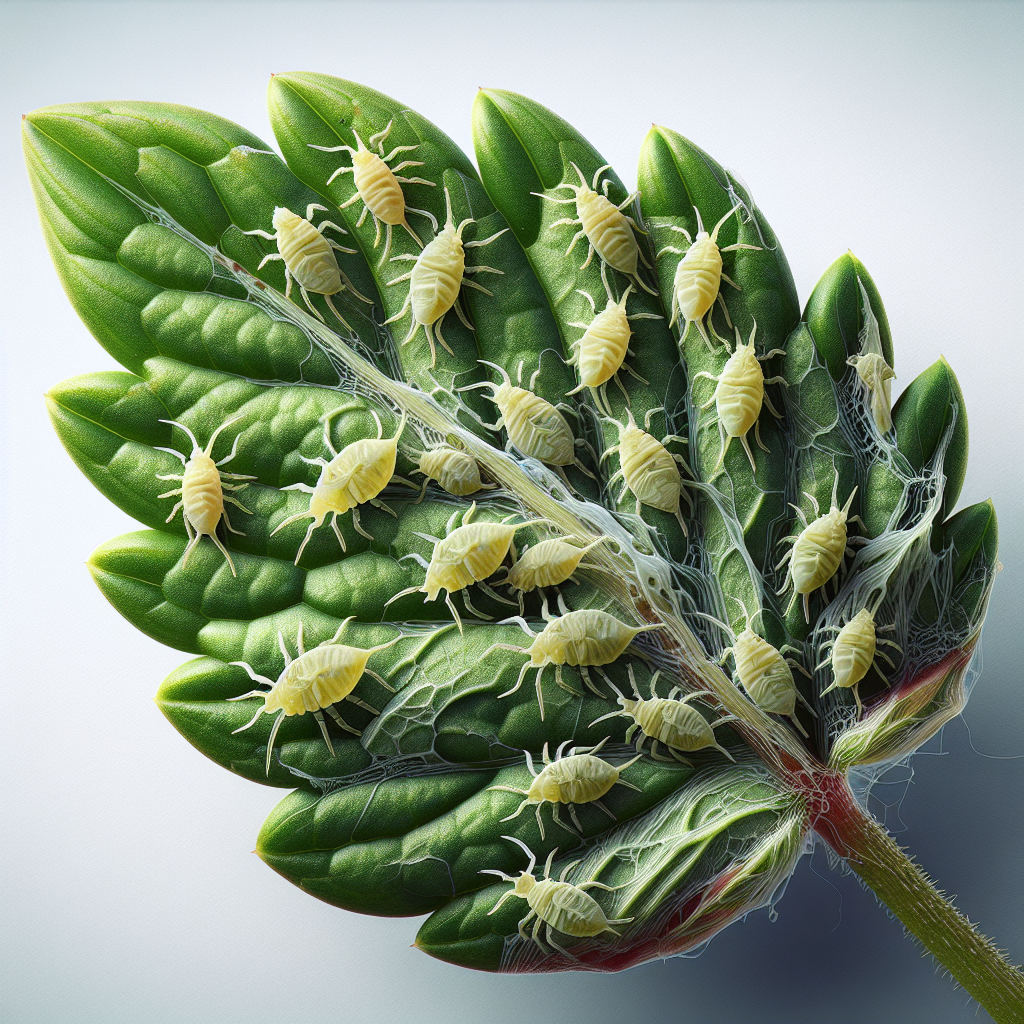
Cyclamen Mite
The cyclamen mite (Phytonemus pallidus) is a microscopic pest that infests a wide range of ornamental and crop plants, causing stunted growth, deformed leaves, and brittle, crinkled tissues. Highly prolific in cool, humid conditions, it spreads rapidly on infested plant material and is notoriously difficult to detect without magnification. Effective management relies on early diagnosis, sanitation, and targeted organic miticides.
View Profile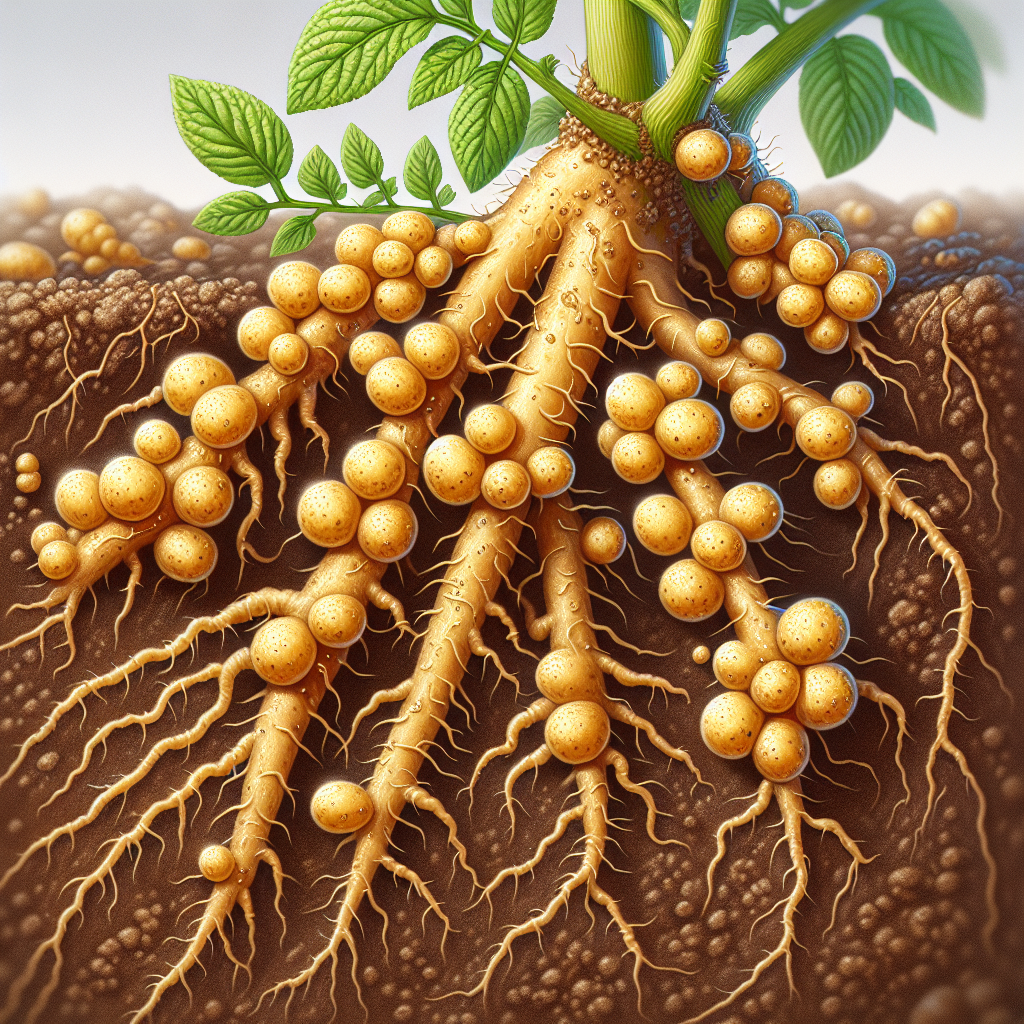
cyst nematodes
Cyst nematodes are microscopic, sedentary plant-parasitic worms that form protective cysts on roots, causing severe yield losses in key crops like potatoes and soybeans. These pests have a complex lifecycle with long-lived cysts that persist in soil for years, making them challenging to manage. Effective control relies on resistant varieties, crop rotation, and soil health practices.
View Profile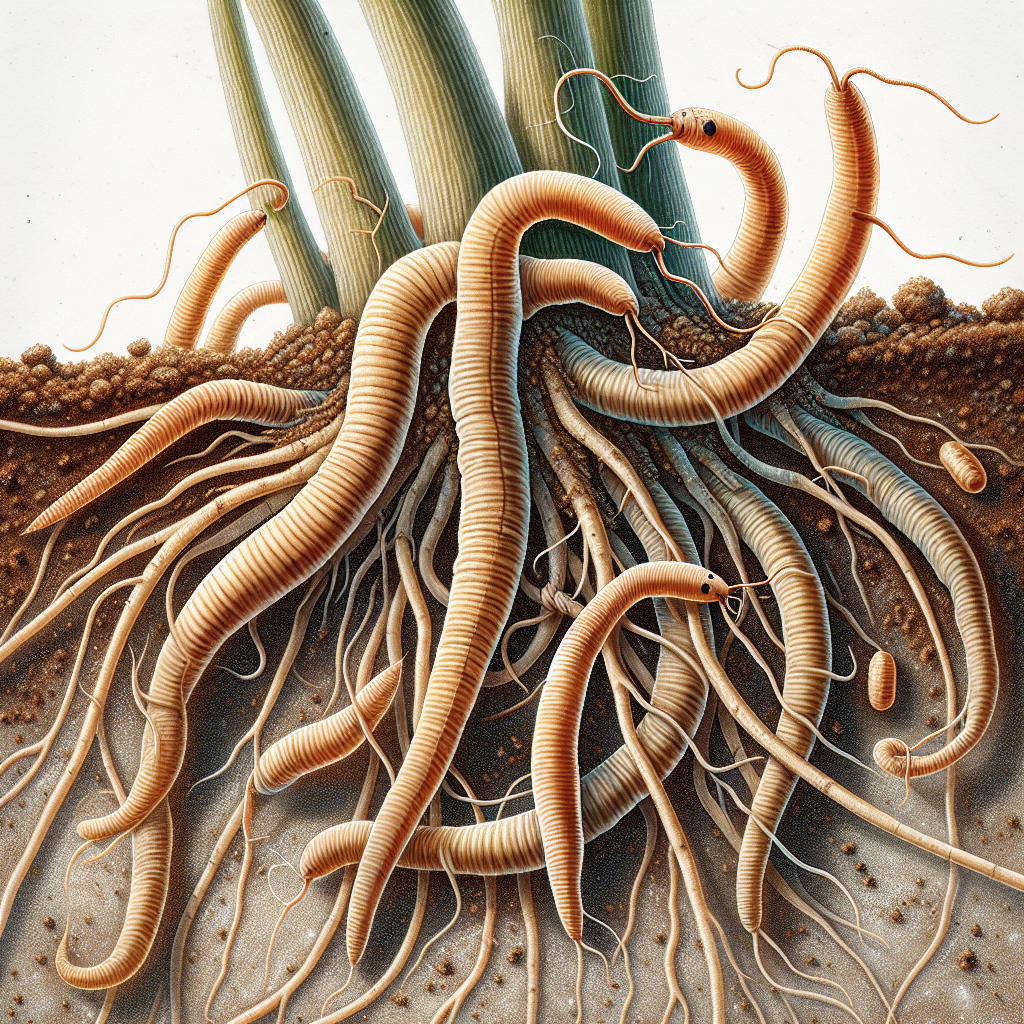
dagger nematodes
Dagger nematodes (Xiphinema spp.) are migratory ectoparasitic nematodes that damage plant roots by feeding on them, causing stunted growth, yield losses, and predisposition to other diseases. Highly prevalent in sandy soils worldwide, they affect a broad range of crops including strawberries, grapes, and stone fruits. Effective management relies on cultural practices, resistant varieties, and organic biocontrols.
View Profile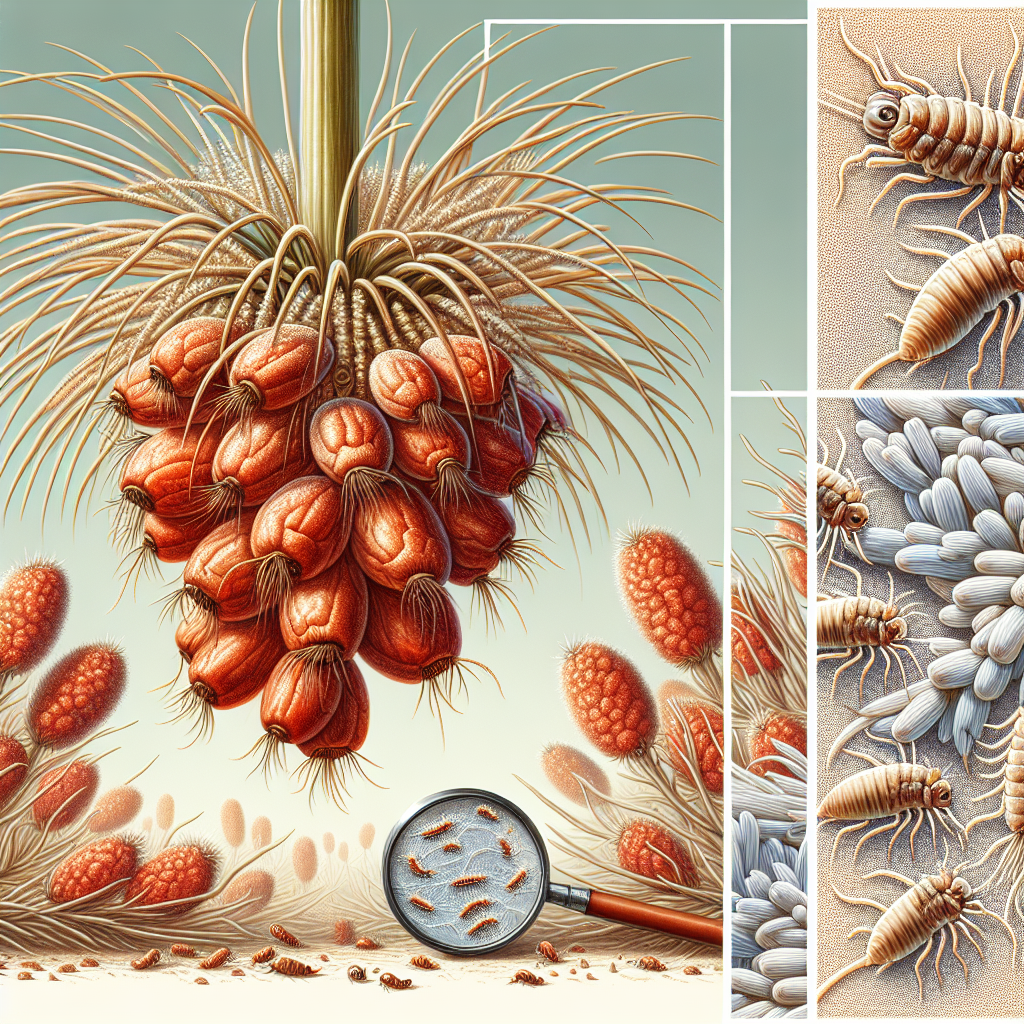
Date Palm Mite
The date palm mite is a tiny eriophyid mite that infests date palms, causing severe bunch drying and fruit drop. Native to North Africa and the Middle East, it has spread to date-growing regions worldwide, posing a major threat to Phoenix dactylifera production. Effective management combines cultural practices, biological controls, and targeted organic miticides.
View Profile
deer
Deer are large mammalian herbivores that cause extensive damage to agricultural crops by browsing on foliage, fruits, and bark. Common species like white-tailed deer (Odocoileus virginianus) and mule deer (Odocoileus hemionus) pose significant challenges for farmers, leading to billions in annual losses worldwide. Effective management combines physical barriers, repellents, and habitat modification for sustainable control.
View Profile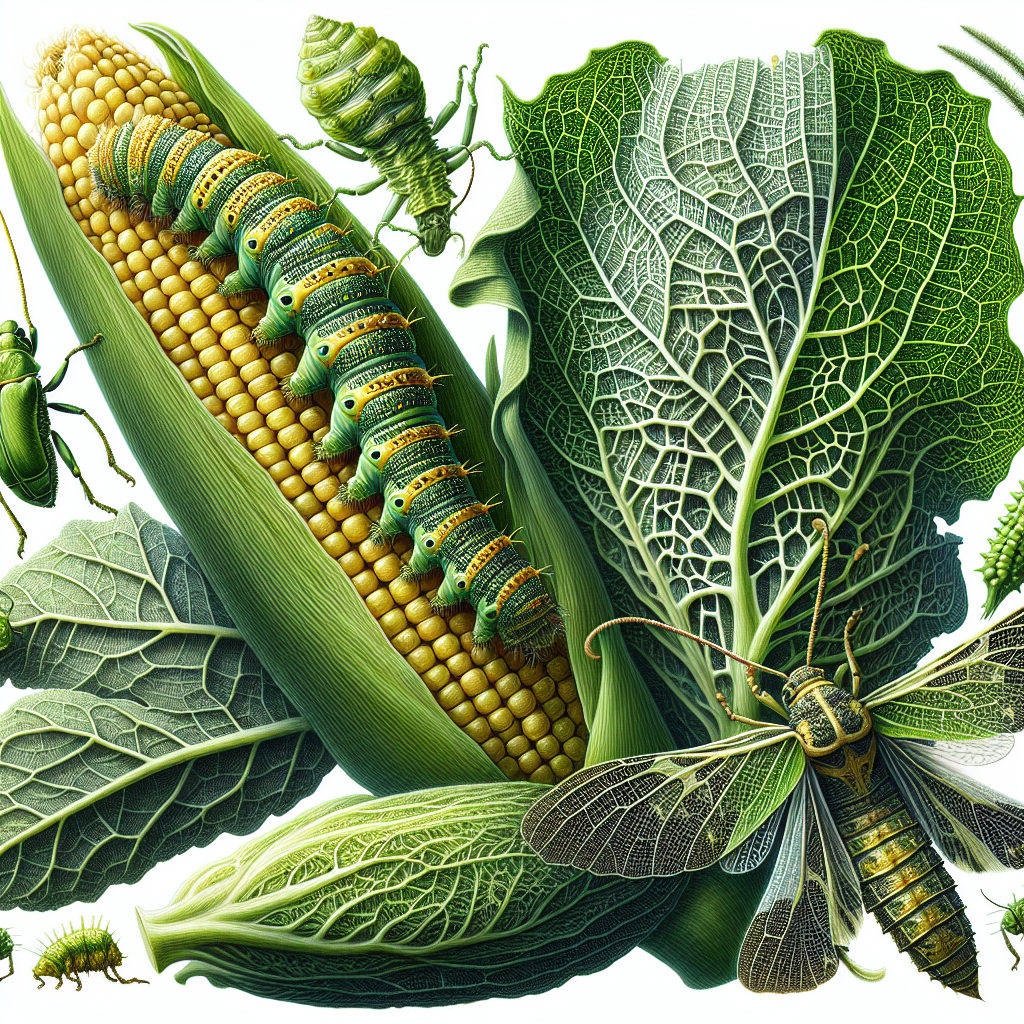
Defoliators
Defoliators are a broad category of insect pests including caterpillars, beetles, and grasshoppers that consume foliage, leading to significant crop yield losses. This guide provides comprehensive diagnostics, lifecycle insights, organic management strategies, and prevention tips for farmers facing defoliation outbreaks. Effective control hinges on early detection and integrated organic practices tailored to high-value crops.
View Profile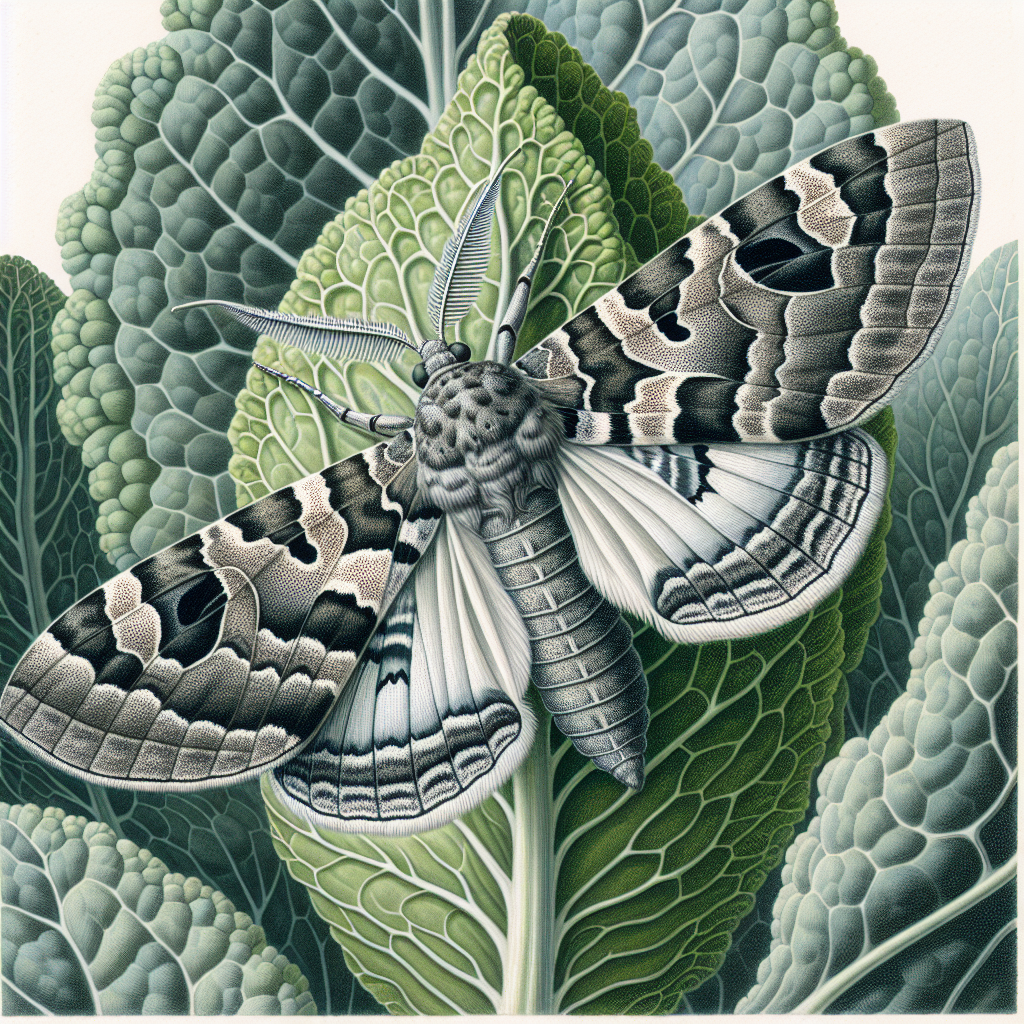
diamondback moth
The diamondback moth is a notorious global pest of cruciferous crops, with highly resilient larvae that cause extensive leaf damage. Its rapid lifecycle and insecticide resistance make it challenging to control, demanding integrated management strategies. This guide provides diagnostic, organic control, and prevention tactics for effective management.
View Profile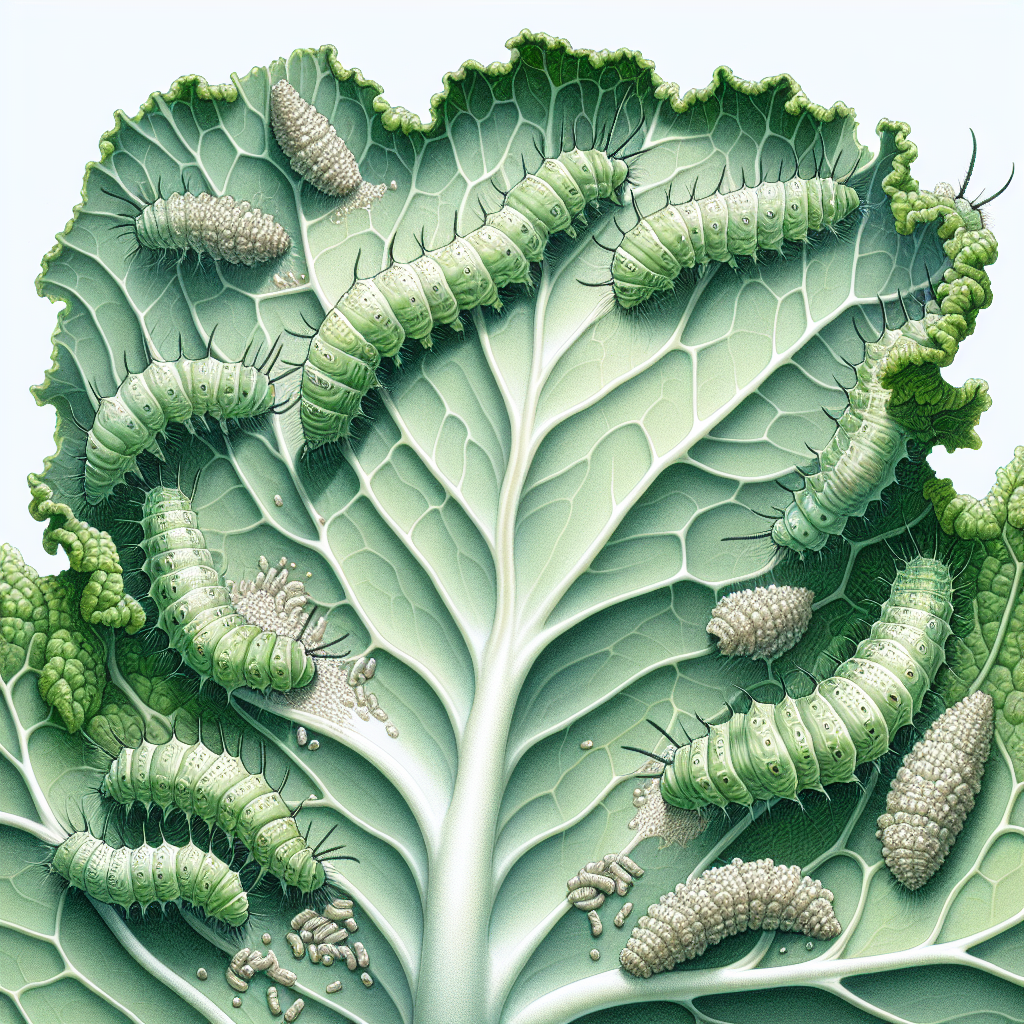
diamondback moth larvae
Diamondback moth larvae, the destructive feeding stage of Plutella xylostella, are a major pest of cruciferous crops worldwide, causing severe leaf damage and economic losses. These small, pale green caterpillars mine and skeletonize leaves, thriving in warm climates and developing resistance to many insecticides. Effective management combines cultural practices, biological controls, and monitoring for sustainable control.
View Profile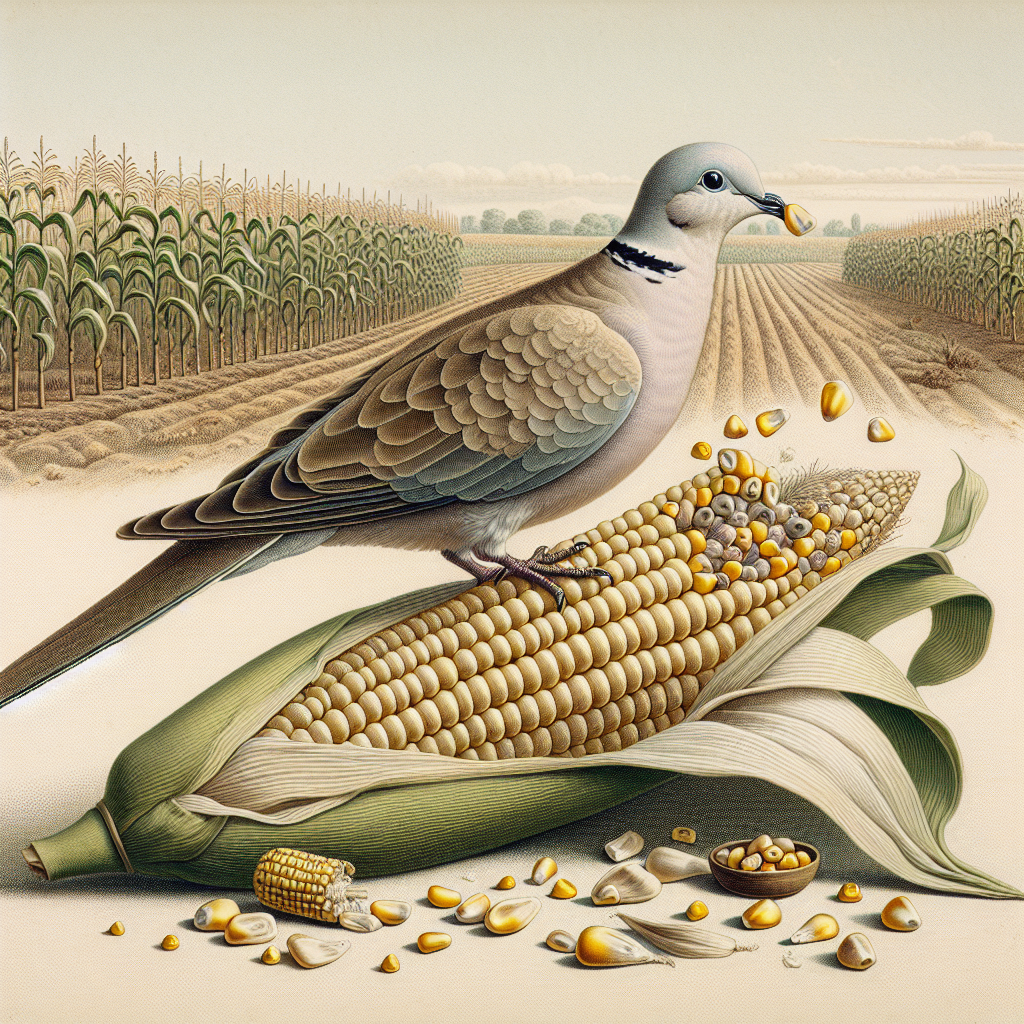
Doves
Doves, particularly species like the Eurasian collared dove and mourning dove, are widespread agricultural pests that cause significant crop losses by consuming seeds, grains, and fruits. These birds flock in large numbers during planting and harvest seasons, leading to rapid devastation in fields. Effective management combines exclusion, deterrence, and habitat modification for sustainable control.
View Profile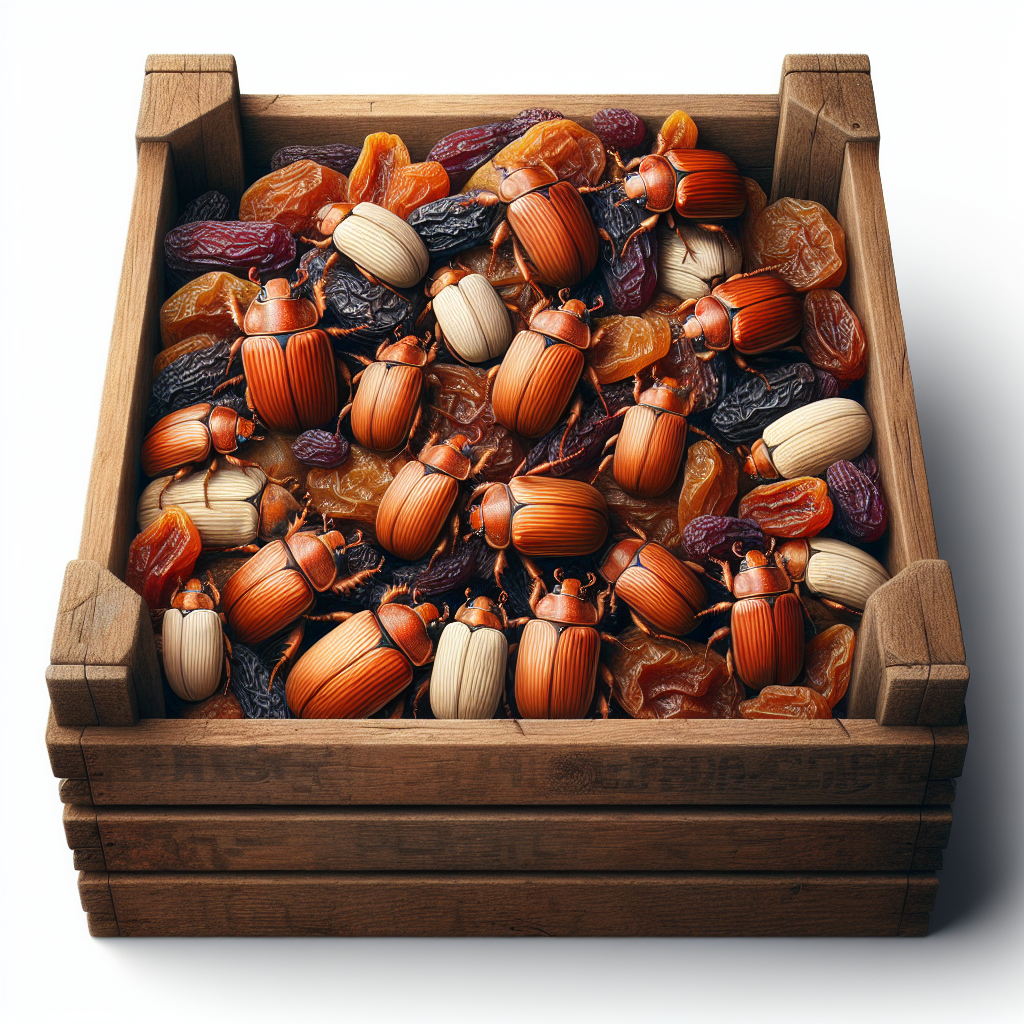
Dried fruit beetles
Dried fruit beetles are scavenging pests that infest stored dried fruits, grains, and fresh produce, causing significant economic losses through feeding damage and contamination. These small, dark beetles thrive in warm, humid conditions and can rapidly multiply in post-harvest environments. Effective management combines sanitation, monitoring, and targeted organic controls to protect crops and storage facilities.
View Profile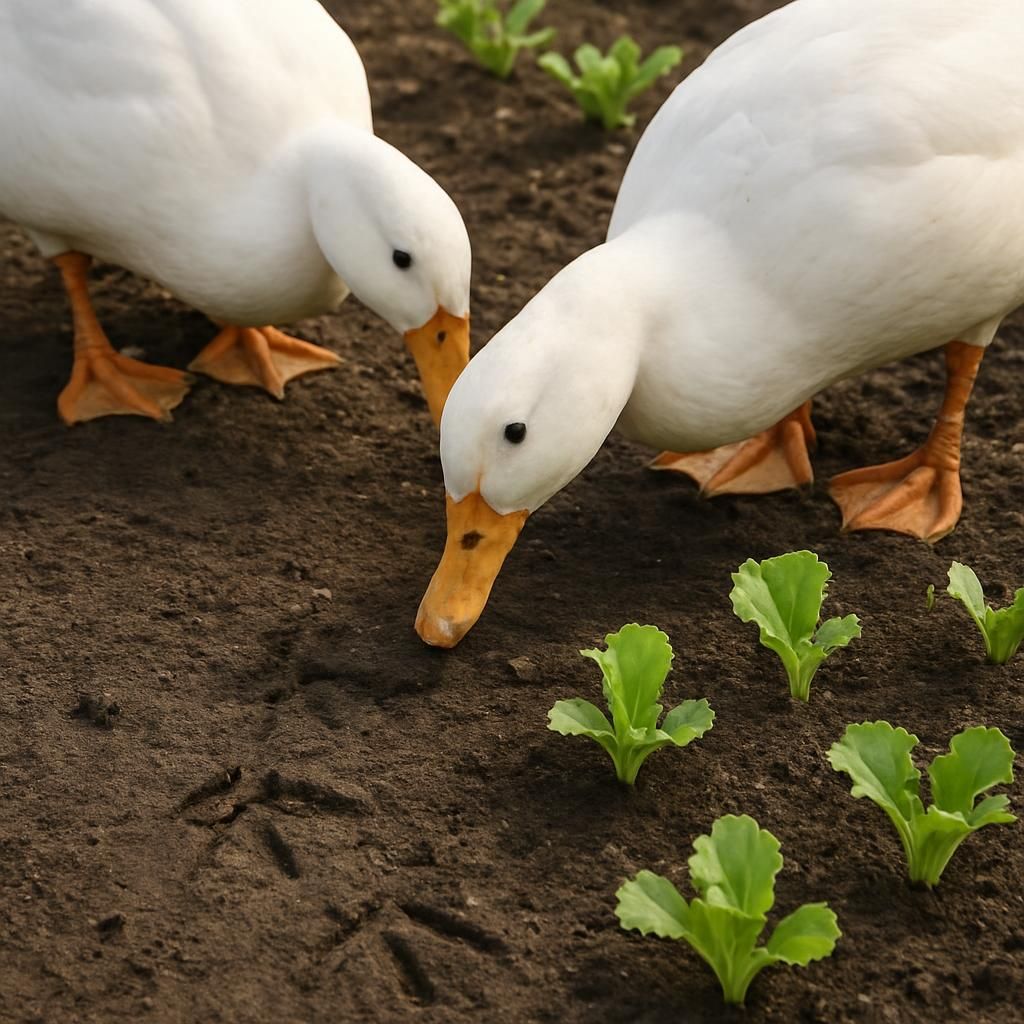
duck (livestock integration)
Duck integration in livestock systems uses domestic ducks as a biological control and soil-health tool within diversified farms. While beneficial for pest suppression and fertilization, improper management can lead to crop damage, soil compaction, and pathogen risks.
View Profile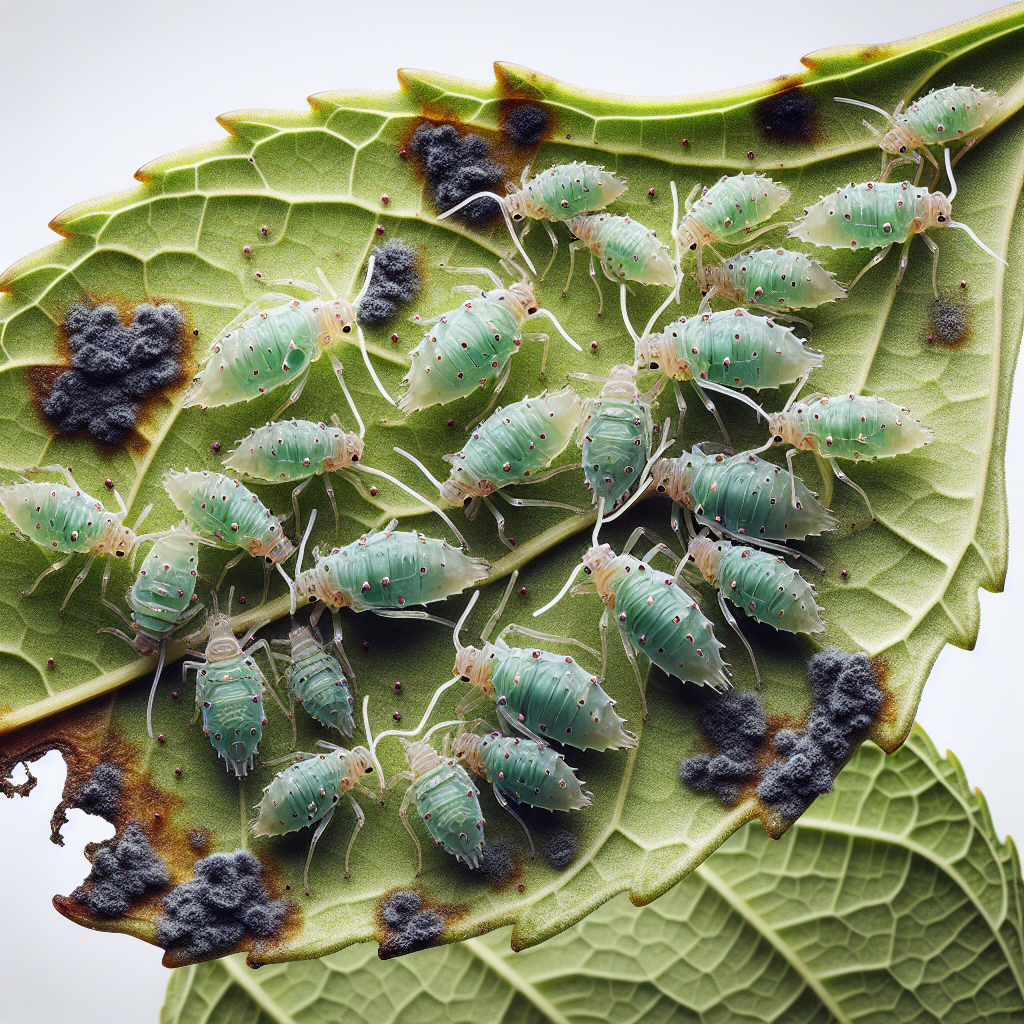
Dusky-veined walnut aphid
The dusky-veined walnut aphid (Panaphis juglandis) is a sap-sucking pest that primarily targets walnut trees, causing leaf curl, sooty mold, and reduced yields. This guide provides comprehensive diagnostics, lifecycle insights, organic management strategies, and prevention tips for farmers. Effective control relies on early detection, biological agents, and cultural practices to protect [Walnut (crop)](/wiki/walnut) orchards.
View Profile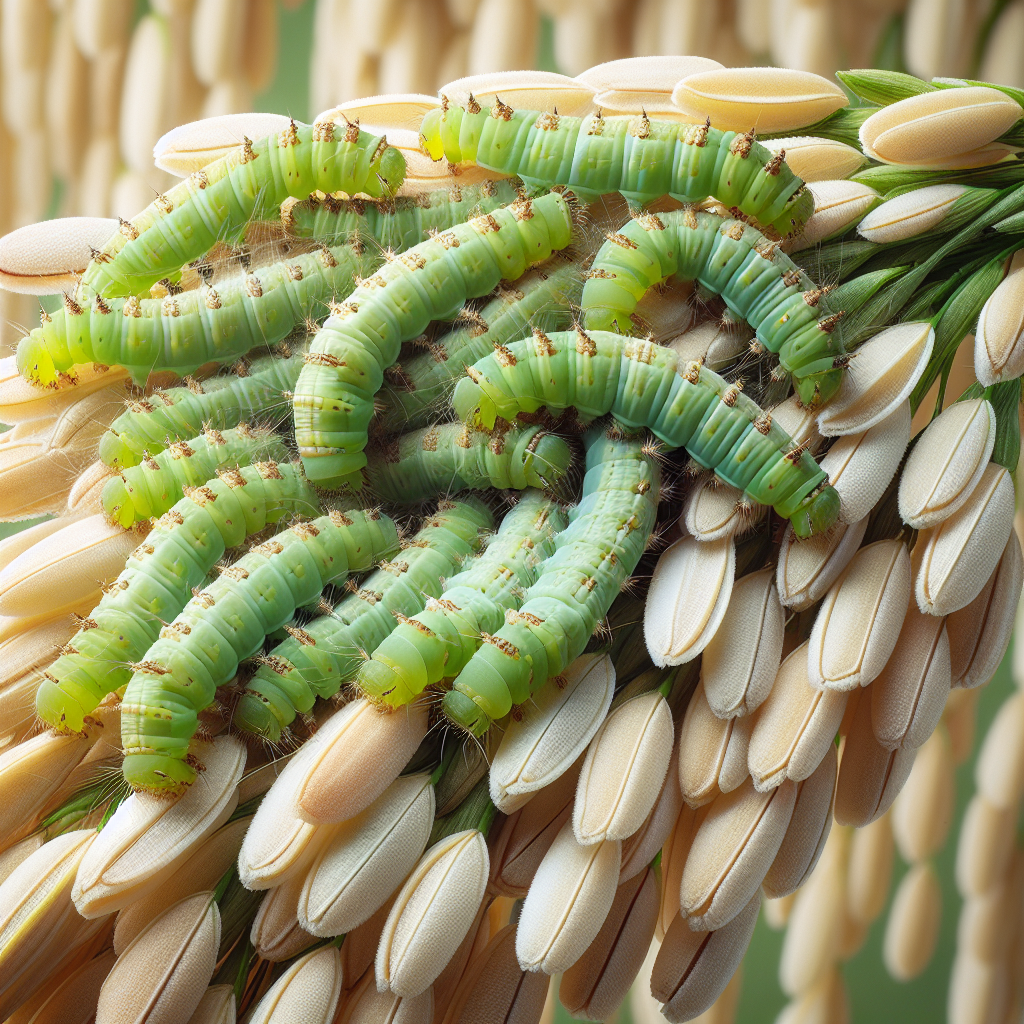
earhead caterpillars
Earhead caterpillars are destructive pests primarily targeting cereal crops like rice and sorghum, feeding on developing grains in the earhead stage, causing up to 50% yield losses. These larvae bore into panicles, leaving frass and webbing, identifiable by their green to brown bodies and distinctive head capsules. Effective management combines organic sprays, biological controls, and cultural practices for sustainable control.
View Profile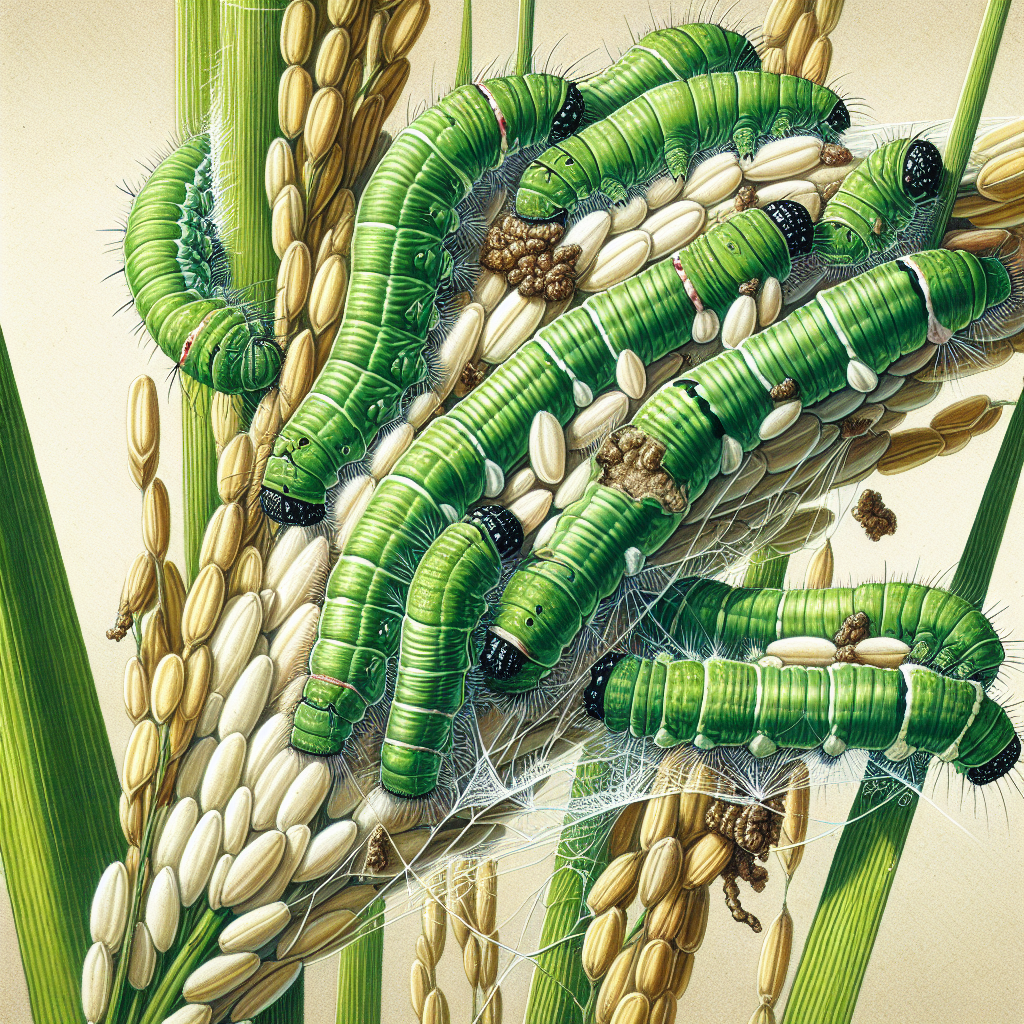
earhead feeders
Earhead feeders are destructive caterpillars targeting the developing grains in cereal crop panicles, causing significant yield losses in rice, wheat, and sorghum. These pests feed voraciously on earheads, leading to chaffy grains and reduced harvestable yield. Effective management combines cultural practices, biological controls, and timely interventions for sustainable agriculture.
View Profile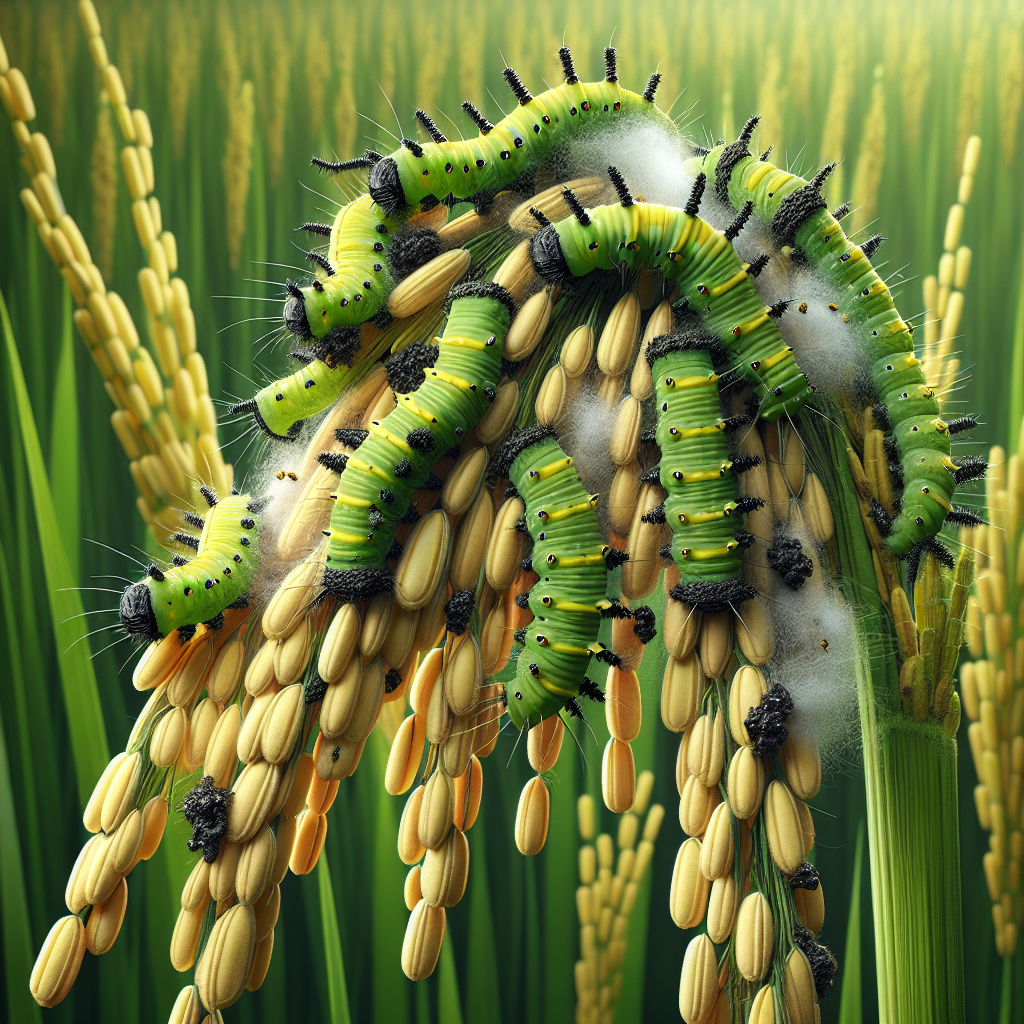
earhead-feeding caterpillars
Earhead-feeding caterpillars are destructive larvae of noctuid and pyralid moths that target the developing grains in panicles or ears of cereal crops like rice and wheat, causing significant yield losses. These pests feed voraciously on earheads, leading to chaffy grains and reduced harvest. Effective management combines cultural practices, biological controls, and timely monitoring for sustainable control.
View Profile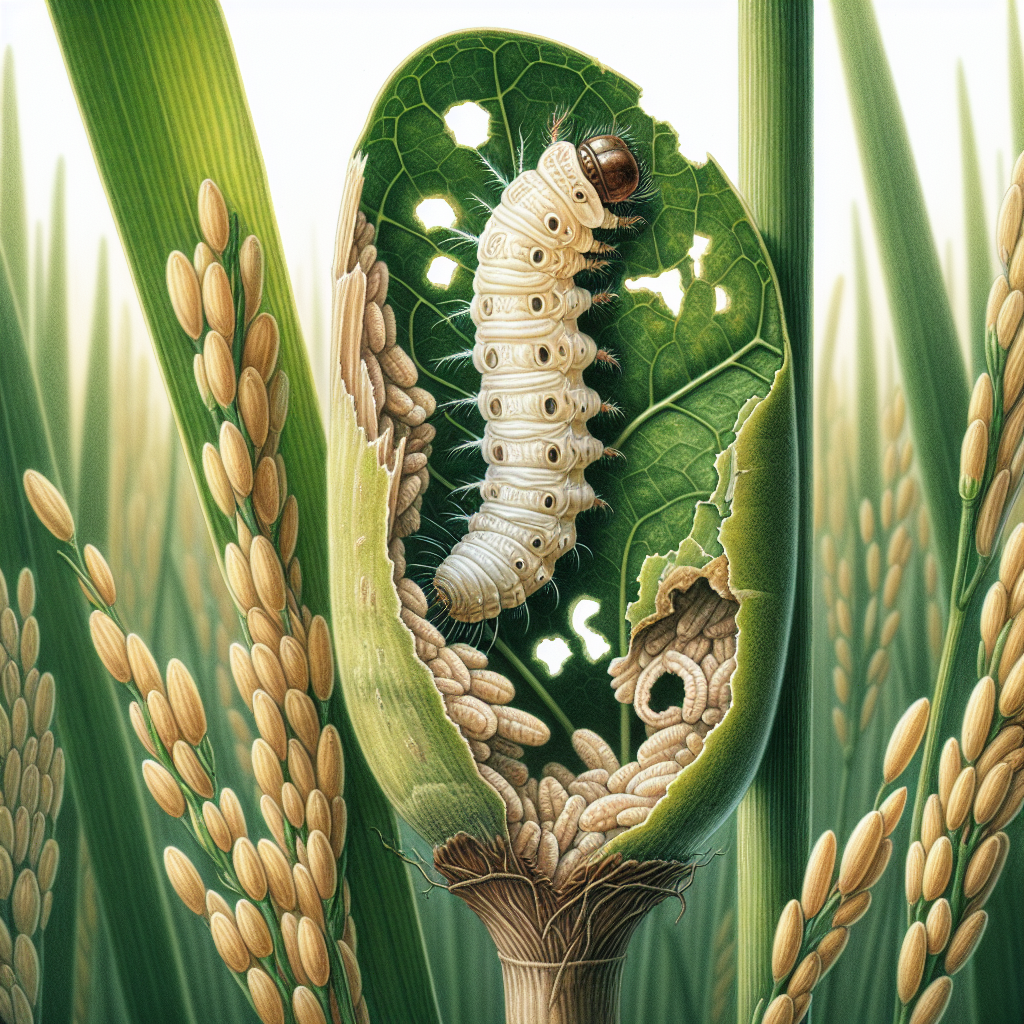
early shoot borer
The early shoot borer (Scirpophaga excerptalis) is a destructive moth pest targeting young shoots of rice and other gramineous crops, causing 'dead hearts' that can devastate early plantings. This guide provides comprehensive diagnostics, lifecycle insights, organic management strategies, and prevention tactics for farmers battling this pest. Effective control hinges on timely scouting, cultural practices, and biological agents to minimize yield losses.
View Profile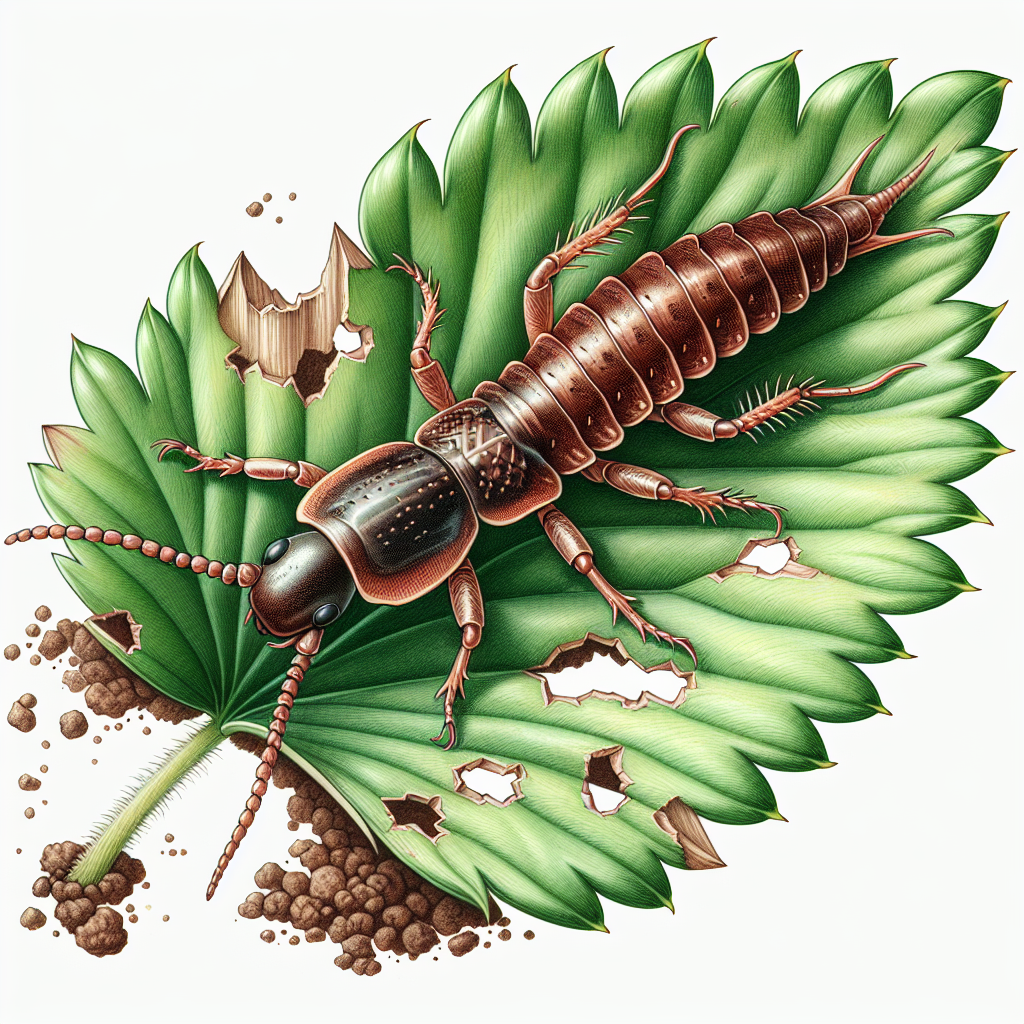
Earwigs
Earwigs are nocturnal omnivores notorious for chewing irregular holes in leaves, fruits, and vegetables, thriving in moist, organic-rich environments. While they consume decaying matter and pests like [aphids](/wiki/aphids), heavy infestations cause significant cosmetic and structural damage to crops. Effective management combines cultural practices, organic barriers, and natural predators for sustainable control.
View Profile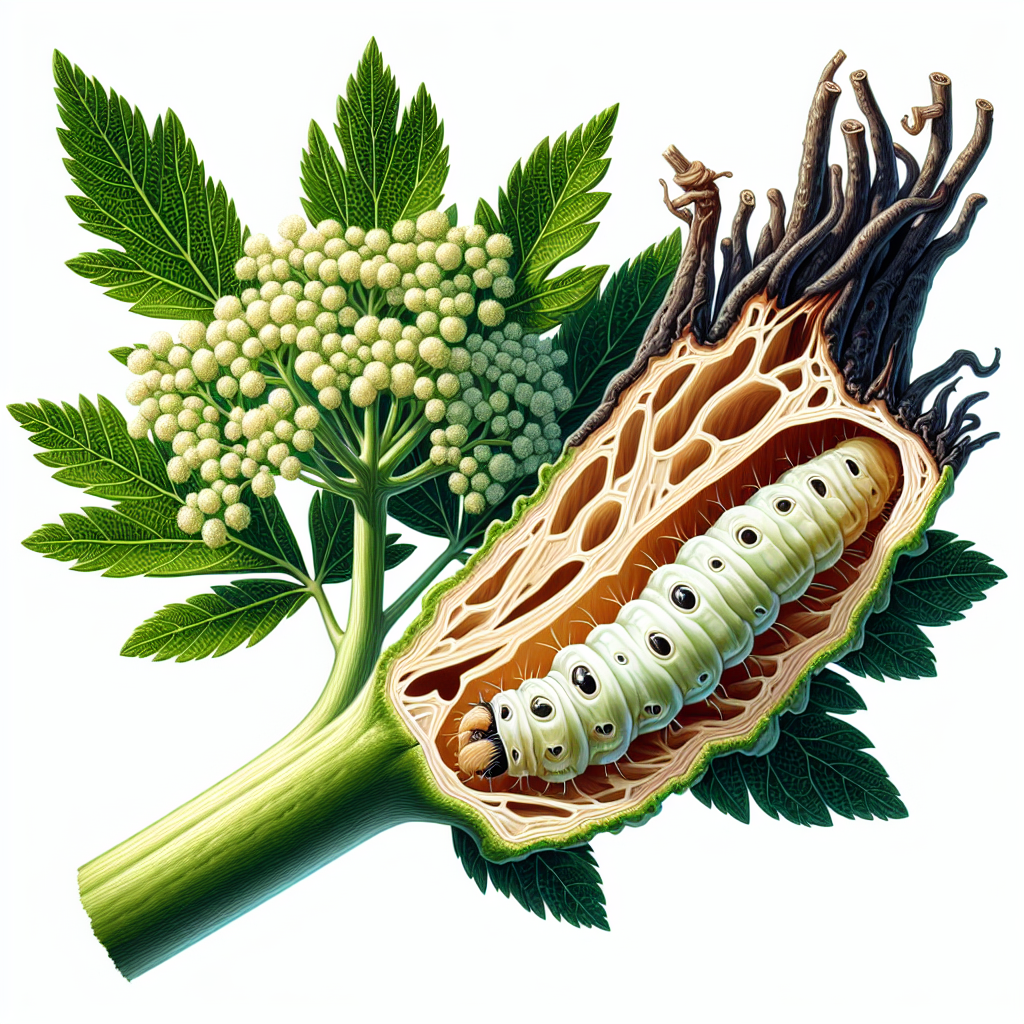
Elder shoot borers
Elder shoot borers are the larvae of the currant clearwing moth, notorious for tunneling into the shoots and stems of elderberry plants, causing wilting and dieback. This pest significantly reduces plant vigor and yield in elderberry orchards and wild stands. Effective management combines early detection, organic controls, and cultural practices for sustainable control.
View Profile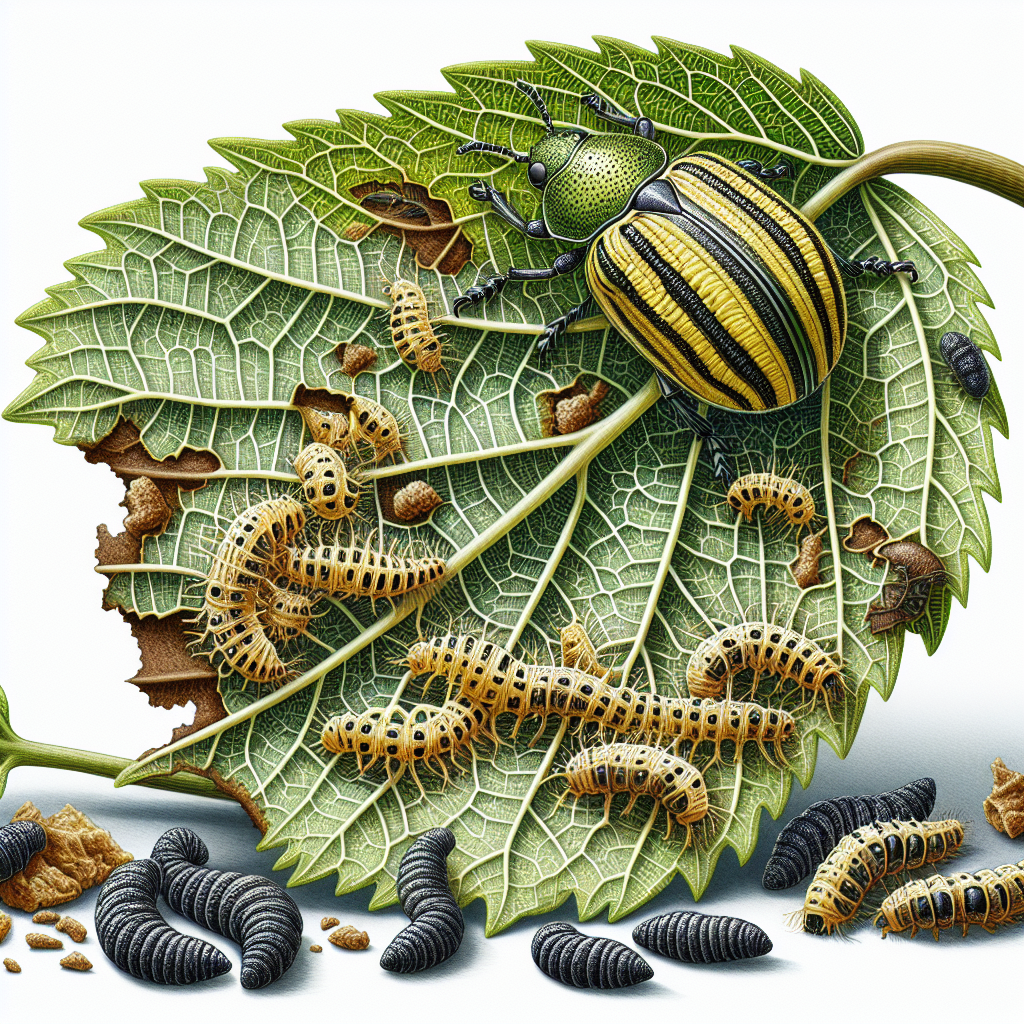
Elm Leaf Beetle
The elm leaf beetle is a pervasive pest that defoliates elm trees, causing significant aesthetic and health damage to urban and landscape elms. This guide provides comprehensive diagnostics, lifecycle insights, organic management strategies, and prevention tactics for farmers, arborists, and homeowners. Early detection and integrated organic controls can effectively protect elm plantings from severe infestations.
View Profile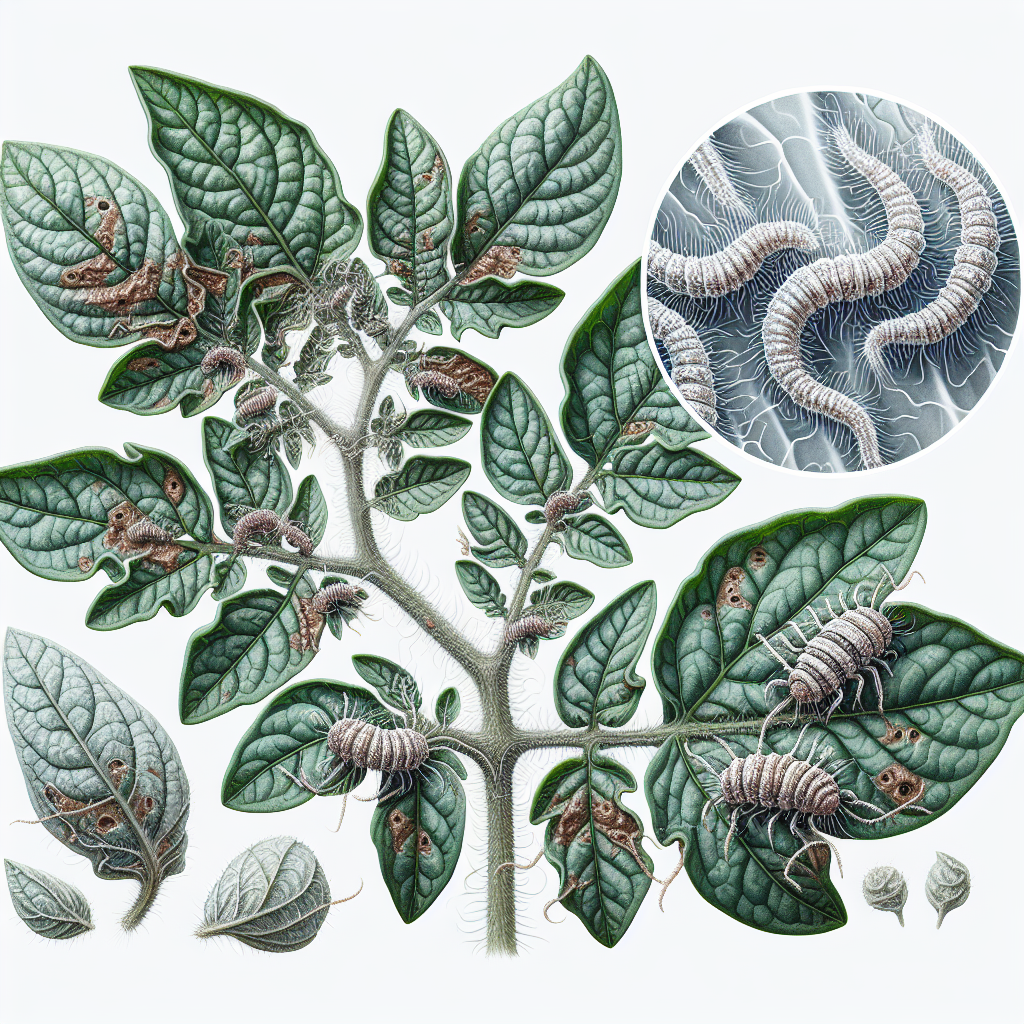
Eriophyid mites
Eriophyid mites are microscopic pests that cause distinctive galls, russeting, and distortion on leaves, buds, and fruits of numerous crops. Highly host-specific, these worm-like mites thrive in warm, dry conditions and spread via wind or machinery. Effective management relies on early detection, cultural practices, and targeted organic treatments.
View Profile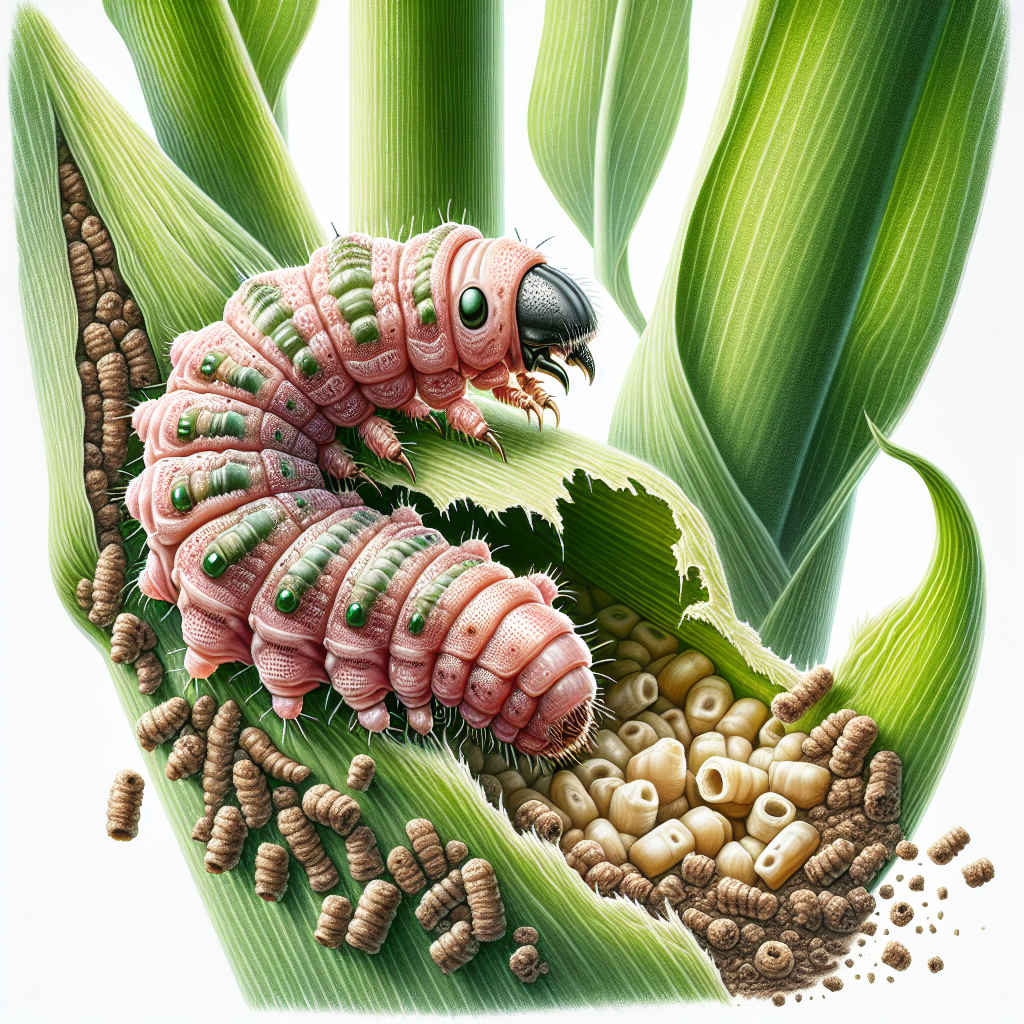
European Corn Borer
The European Corn Borer (Ostrinia nubilalis) is a destructive moth pest that bores into corn stalks, ears, and tassels, causing significant yield losses in corn and related crops. Native to Europe, it has become a major threat in North America since its introduction in the early 1900s. Effective management combines cultural practices, biological controls, and vigilant monitoring for optimal results.
View Profile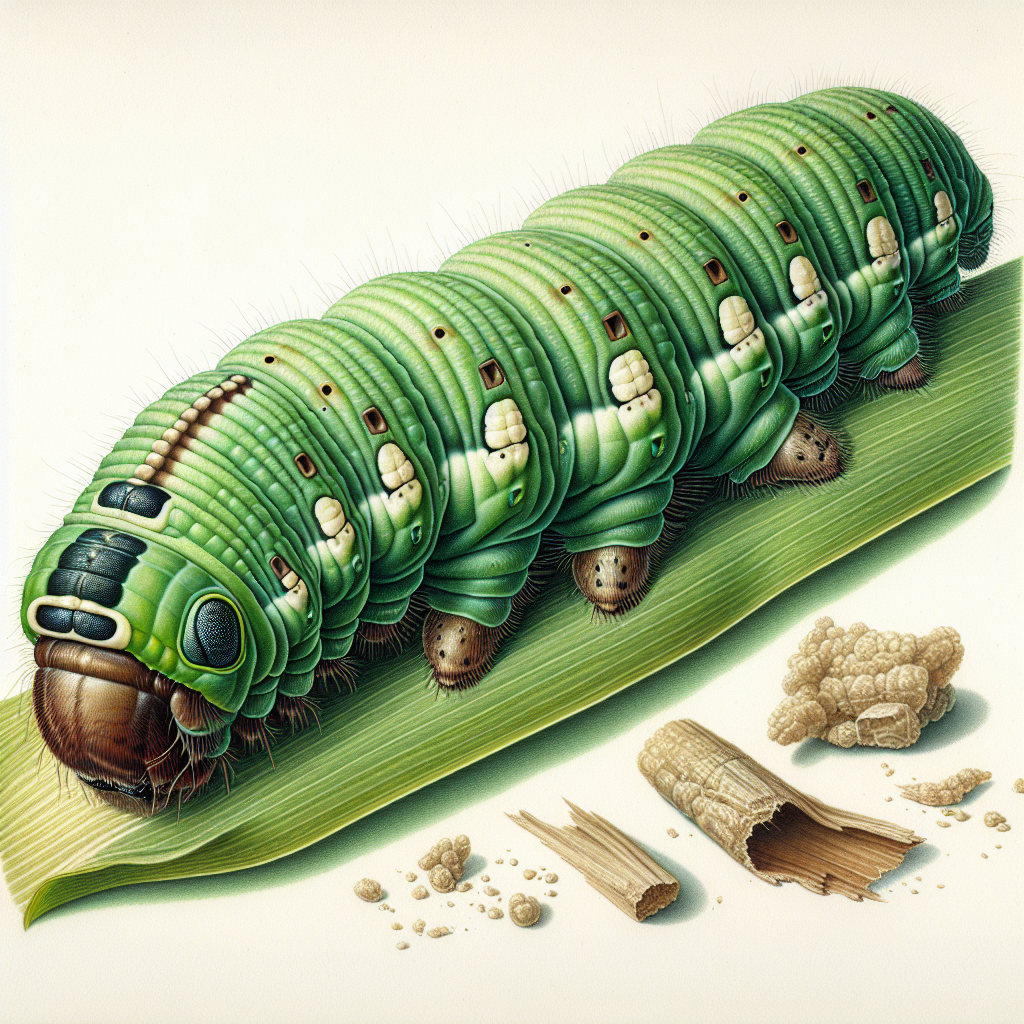
Fall Armyworm
The Fall Armyworm (Spodoptera frugiperda) is a highly destructive caterpillar pest that ravages over 80 crops worldwide, particularly grasses like corn and sorghum. Native to the Americas, it has rapidly spread to Africa, Asia, and beyond, causing billions in agricultural losses annually. This guide provides comprehensive diagnostics, organic management strategies, and prevention tactics for farmers battling this invasive threat.
View Profile
Fig beetles
Fig beetles (Cotinis mutabilis) are large, metallic green scarab beetles notorious for defoliating fruit trees and feeding on ripening fruits like figs, peaches, and avocados. Native to the southwestern U.S. and Mexico, adults emerge in summer to cause significant cosmetic and structural damage to crops. Effective management combines organic controls, cultural practices, and vigilant monitoring for sustainable agricultural protection.
View Profile