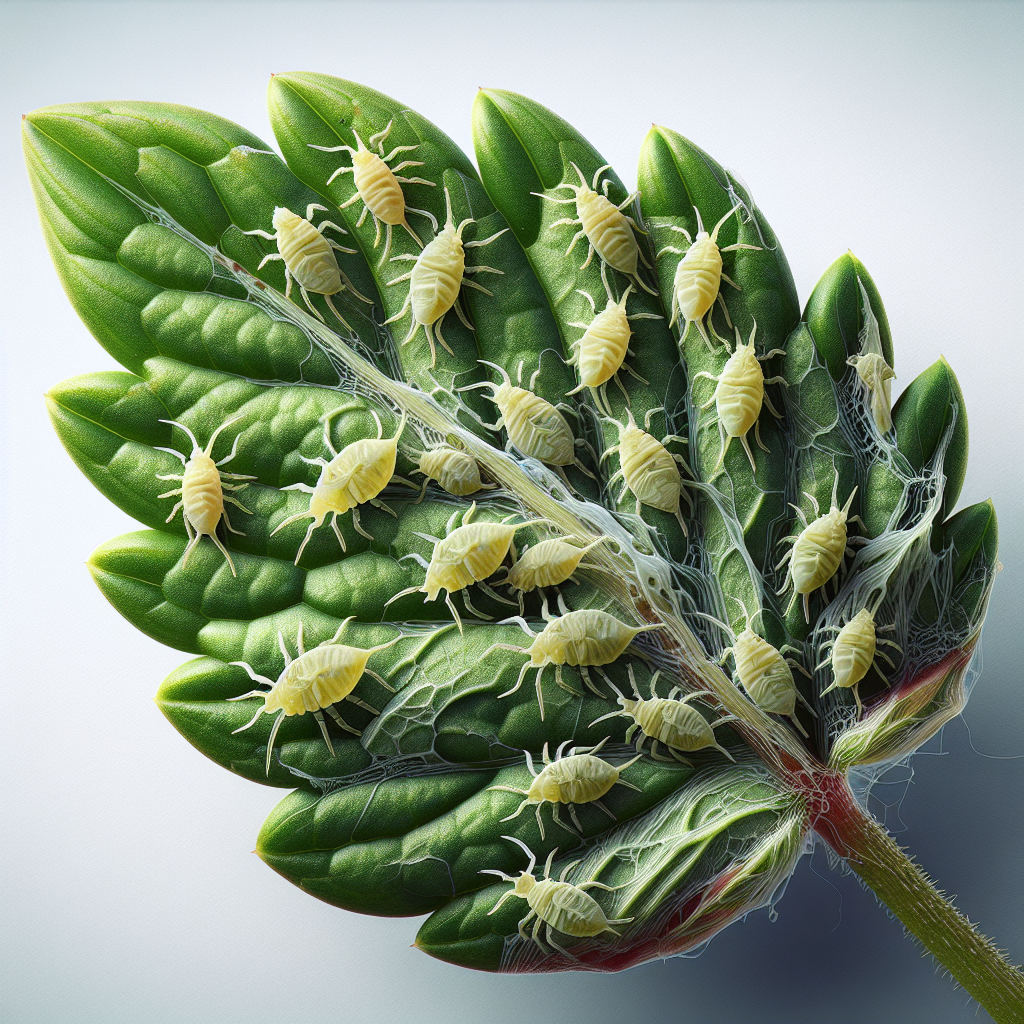
Introduction to cyclamen
Cyclamen mites (Phytonemus pallidus), often simply called 'cyclamen' in agricultural contexts, are tiny arachnids measuring just 0.5 mm in length, making them invisible to the naked eye. These pests are major threats to greenhouse crops, ornamentals, and field-grown plants worldwide, particularly in temperate regions. Native to Europe, they have spread globally through infested plant shipments, now causing billions in losses annually for growers of strawberries, ivy (commonly affected alongside crops like strawberry), and floriculture species.
Unlike larger pests like aphids or spider mites, cyclamen mites prefer protected plant parts—new buds, undersides of young leaves, and stem crotches—where they pierce cells and suck sap. This feeding disrupts growth hormones, leading to malformed tissues that resemble herbicide damage or viral infections. Infestations explode in spring and fall when temperatures hover between 55-70°F (13-21°C) with high humidity, conditions common in greenhouses and overwintered crops. Early detection is critical; by the time symptoms appear, populations can reach thousands per leaf.
This guide provides professional-grade diagnostics, lifecycle insights, and organic management strategies tailored for small farms and commercial operations. Learn to spot subtle signs, disrupt the mite's biology, and implement IPM protocols to protect yields. For small farms battling multiple pests, check our Spring Pest Patrol blog for integrated seasonal defenses.
Identifying Symptoms & Damage
Cyclamen mite damage mimics root-knot nematodes or powdery mildew, but key diagnostics set it apart. Look for brittle, crinkled, strap-like leaves on new growth; affected tissues feel stiff and glassy, unlike the soft distortion from broad mites. Plants show stunted internodes, cupped or brittle blossoms, and 'blind' buds that fail to open. In severe cases, entire crowns collapse, with grayish, velvety mite colonies visible under 10-20x magnification in crevices.
On strawberry, symptoms start at the crown: daughter plants remain tiny with twisted, undersized leaves. Floral stalks shorten, producing deformed berries unmarketable for fresh sales. In African violet and cyclamen (the namesake host), petioles swell and crack, with pale, scarred patches. Damage worsens downward; older leaves yellow and drop as mites migrate to fresh tissues.
Confirm infestation by tap-testing: shake suspect leaves over white paper—specks like ground pepper signal mites. Use a 20x hand lens to spot lemon-shaped adults and eggs. Differentiate from thrips (rasping damage) or whiteflies (honeydew/sooty mold). Threshold: 5-10 mites per bud warrants action. Yield losses hit 50-100% in unchecked outbreaks, per UC IPM studies.
Lifecycle and Progression of cyclamen
Cyclamen mites complete generations in 8-20 days, accelerating in optimal 60°F (15°C) conditions. Females overwinter in protected sites—crowns, debris, or weeds—laying 20-30 eggs each in spring. Eggs hatch in 3-5 days into larvae that feed briefly before molting to nymphs, then adults. All stages rasp plant cells; adults live 2-4 weeks, females dispersing on wind or tools.
Progression unfolds rapidly: Eggs (clear, 0.1mm) cluster in buds. Larvae/nymphs (translucent) cause initial crinkling within 7 days. Adults (pale yellow, elongated) peak mid-season, populations doubling weekly. Unlike two-spotted spider mites, no webbing; mites 'swim' in plant sap films. In greenhouses, 10-15 generations occur yearly; fields see 4-6.
Dormancy triggers below 50°F (10°C); mites enter diapause in leaf folds. Spread via clippings, transplants, or splashing water. Monitor with sticky traps (though poor for mites) or weekly leaf sampling. Lifecycle knowledge enables timing sprays to egg hatch windows.
Environmental Triggers & Risk Factors
Cyclamen thrives below 75°F (24°C), avoiding heat that kills competitors like broad mites. High humidity (>80% RH) and poor airflow in dense canopies trigger outbreaks—common in overcrowded greenhouses or mulched fields. Overwatering creates moist refuges; stressed plants from low light or nutrient imbalance (high nitrogen) exude sugars attracting mites.
Risk spikes with infested stock: 90% of outbreaks trace to nursery plants. Weeds like chickweed host mites, bridging to crops. Cool nights followed by humid days (e.g., coastal California fall) explode populations. Soil type irrelevant, but heavy clay retaining moisture worsens spread.
Scout high-risk zones: greenhouse vents, propagation benches. IPM starts here—ventilate to <70% RH, space plants 12-18 inches.
Organic Control & Treatment Plans
Organic management emphasizes sanitation and biologicals over chemicals. Step 1: Quarantine and Rogue. Isolate infested plants; discard severely hit ones (burn/dump off-site). Hot water dip crowns at 110-115°F (43-46°C) for 15 minutes—kills all stages without residues (test on small batches).
Step 2: Miticides. Rotate oils (e.g., 1-2% horticultural oil) with sulfur (1 lb/100 gal) weekly for 3 applications, targeting undersides. Insecticidal soap (2%) suffocates mites; apply evenings. Biologicals shine: predatory mites (Neoseiulus cucumeris) at 2/sq ft establish permanently. Feltiella acarisuga midges devour larvae.
Step 3: Cultural IPM. Prune infested tips (sterilize tools). Improve airflow with fans. Sulfur burners in greenhouses maintain low RH. Foliar feeds with micronutrients boost resilience. Monitor progress weekly; re-treat if >5 mites/leaf. Avoid broad-spectrum sprays killing predators. Success rates: 85-95% with integrated protocols.
Preventing cyclamen in the Future
Prevention beats cure. Inspect all incoming plants under magnification; reject suspect stock. Use mite-free certified propagules. Clean greenhouses annually: steam sterilize benches (160°F/71°C, 30 min). Rotate crops; avoid hosts like strawberry in succession.
Establish predator banks: release N. cucumeris monthly at 1/sq meter. Barrier screens block wind entry. Scout grids: 10 leaves/100 sq ft weekly. Threshold-based action prevents buildup. Companion plants like marigold repel mites. Long-term: resistant varieties (e.g., 'Empire' strawberry) reduce risk 40%. Annual planning cuts recurrence 90%.
Crops Most Affected by cyclamen
Cyclamen mites hit ornamentals hardest: African violet, cyclamen, begonia, ivy, and snapdragon suffer 70% losses in nurseries. Edibles include strawberry (crown distortion slashes yields 50%), raspberry, and blackberry (blind buds). Field crops like alfalfa and clover show stunting. Greenhouse tomato and cucumber face outbreaks in cool zones. Globally, strawberry alone loses $100M yearly. Prioritize monitoring in these.