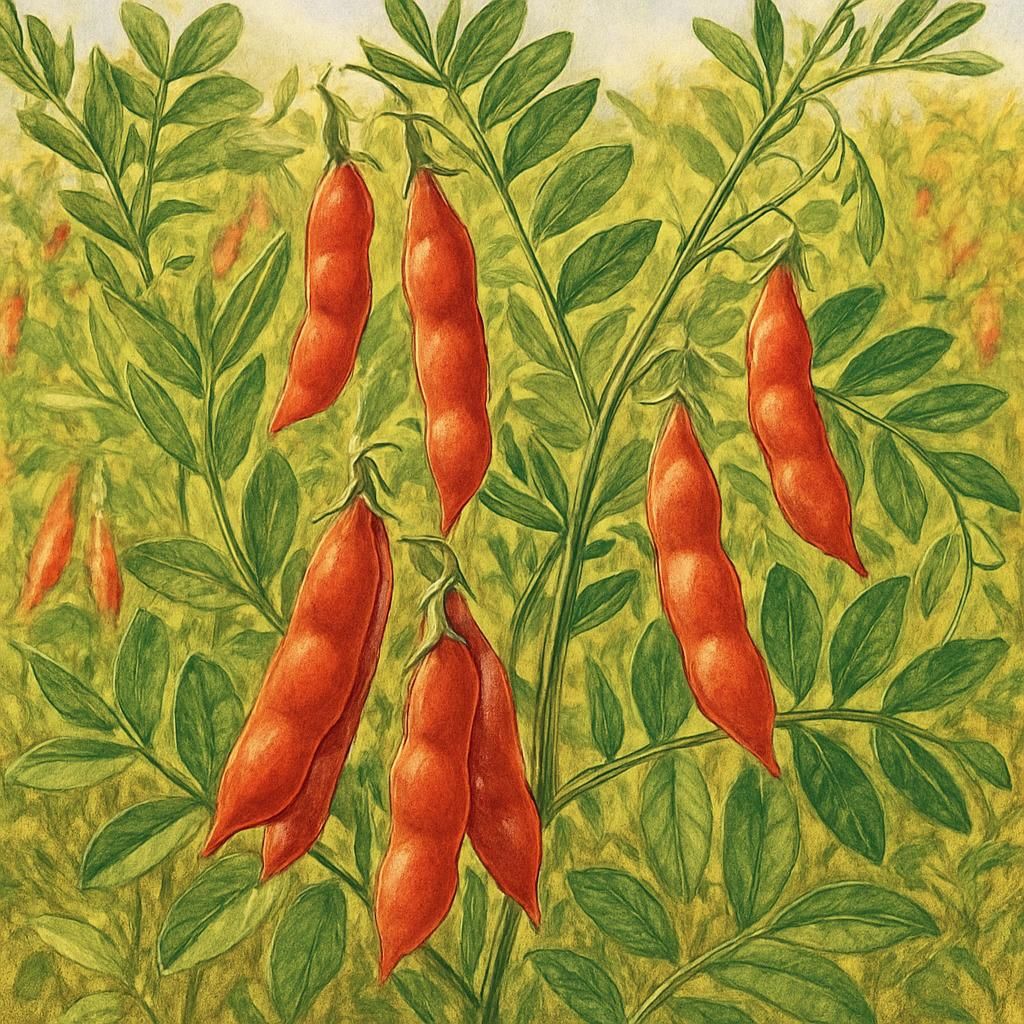
Introduction to Lentil (Red Chief)
The 'Red Chief' lentil (Lens culinaris) is a small, vibrant red legume that stands out for its ease of cooking, nutritional benefits, and robust growth characteristics. As a staple crop in many regions, lentils are prized for their high protein content and adaptability to various climatic conditions. The 'Red Chief' variety, with its rich color and flavor, offers unique advantages for home gardeners and commercial farmers alike.
Botanical Profile of Lentil (Red Chief)
Botanically classified under Lens culinaris, 'Red Chief' lentils are part of the legume family. They feature a small, disk-like shape and a brilliant red hue that darkens upon cooking. Beyond their culinary appeal, these lentils contribute to soil health by fixing nitrogen, thus enriching the earth for subsequent crops.
Soil, pH, and Climate Requirements for Lentil (Red Chief)
'Red Chief' lentils thrive in specific conditions. Here’s a breakdown of their ideal growing environment:
| Aspect | Details |
|---|---|
| Soil Type | Well-drained loam or sandy loam |
| pH Range | 6.0 - 8.0 |
| Temperature | 18°C to 30°C (64°F to 86°F) |
| Rainfall | 300-450 mm annually |
| Sunlight | Full sun |
Step-by-Step Planting & Propagation
- Seed Selection: Start with certified disease-free seeds for optimal growth.
- Site Preparation: Clear debris and weeds. A light tilth improves seedbed conditions.
- Planting: Sow seeds 1 inch deep with 2 inches spacing, in rows 18 inches apart.
- Timing: Planting should coincide with cooler seasons of early spring or late fall.
- Germination: Expect seedlings within 10-14 days under optimal moisture and temperature.
- Thinning: Thin seedlings to allow 6-inch spacing for proper air circulation.
Care & Maintenance Regimes for Lentil (Red Chief)
Maintaining a productive lentil crop involves regular care:
| Task | Frequency | Instructions |
|---|---|---|
| Watering | Moderate, as needed | Ensure soil is moist, not waterlogged, especially during flowering. |
| Fertilizing | Pre-planting | Light application of phosphorus-rich fertilizer. |
| Pruning | Not applicable | Lentils don’t require pruning but manage weeds regularly. |
Pests, Diseases & Organic Management
Lentils, including 'Red Chief,' might encounter pests like Spodoptera, aphids, and fungal diseases like Downy Mildew. Implementing integrated pest management (IPM) with crop rotation, natural predators, and organic pesticides can be effective. For an in-depth look at small farm resilience against plant diseases, refer to the blog post Crop Diseases Under the Microscope: 9 Organic Fixes for Small Farm Resilience.
Harvesting, Curing & Optimal Storage
Harvest your 'Red Chief' lentils once the plants turn yellow and pods dry. Use combines for large fields, or hand-pick for smaller operations.
- Curing: Allow harvested plants to dry in the sun for a few days to reduce moisture content.
- Threshing: After curing, thresh the pods to extract the seeds.
- Storage: Store in cool, dry conditions to prevent mold and insect infestations, ensuring longevity and quality.
Companion Planting for Lentil (Red Chief)
Companion planting enhances growth and pest resistance. Suitable companions include Corn, Garlic, and Onion. Avoid planting near Fennel as it can inhibit growth.
For more on maximizing yields through strategic planting, read Spring Companion Planting: 8 Organic Pairings to Maximize Small Farm Yields.
In conclusion, cultivating 'Red Chief' lentils is both rewarding and practical, providing nutritional benefits and enriching agricultural diversity. Their relatively simple care requirements make them accessible to growers at all levels of expertise.