Introduction to Lemon Drop Mangosteen
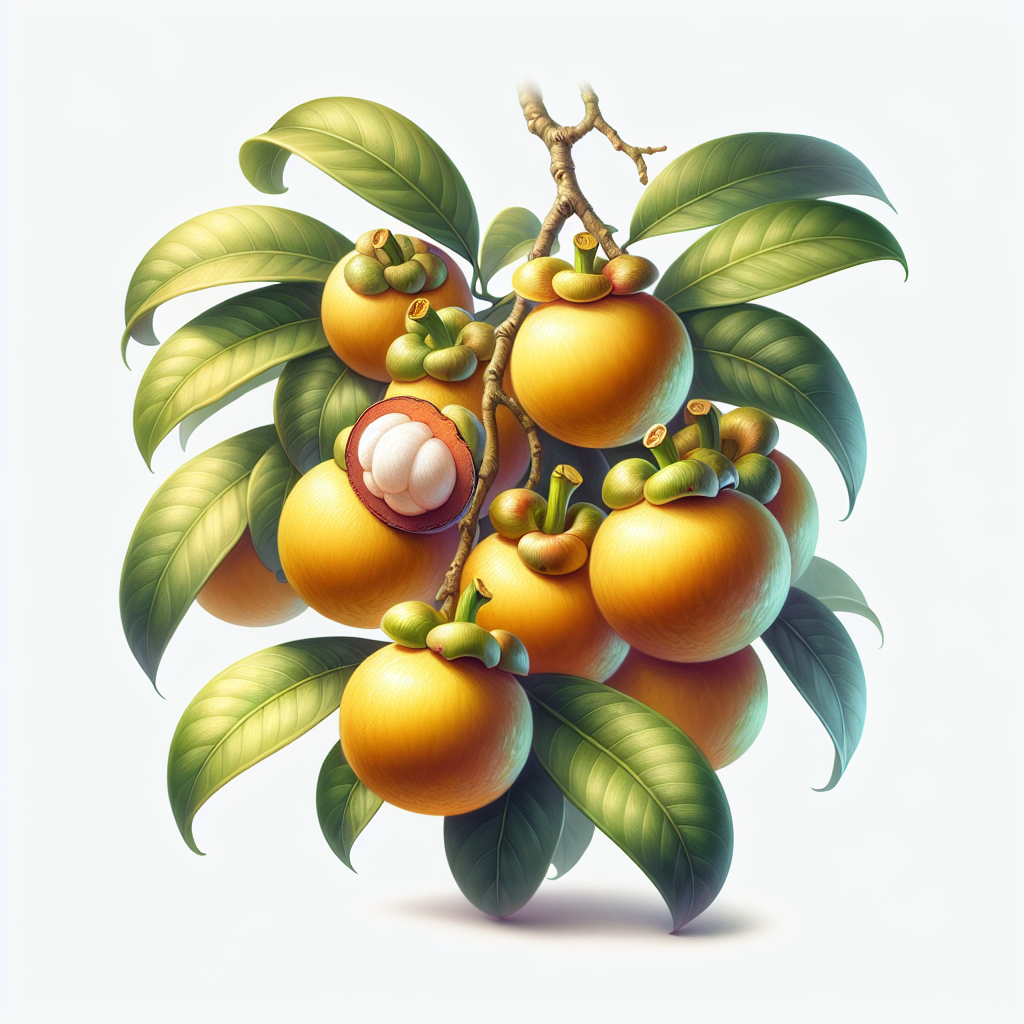
Lemon Drop Mangosteen (Garcinia mangostana 'Lemon Drop') is an exquisite tropical fruit tree that blends the regal heritage of the classic mangosteen with vibrant citrus notes reminiscent of lemon varieties. Unlike the traditional purple-husked mangosteen, this cultivar produces small, golden-yellow fruits with a thin, edible rind that bursts with a unique lemony tang balanced by the creamy sweetness of its aril-like flesh. Native to Southeast Asian hybrids, Lemon Drop Mangosteen has gained popularity among specialty growers for its compact size, making it suitable for container cultivation or small orchards.
This deep-dive guide equips professional growers, home gardeners, and agricultural enthusiasts with comprehensive, practical advice on cultivating this premium crop. Expect yields of 20-50 fruits per mature tree annually, with fruits weighing 50-100g each, fetching premium market prices due to their rarity and gourmet appeal. Success hinges on mimicking humid tropical conditions, precise soil management, and vigilant pest control. For small farms battling pest issues, explore Why 90% of Small Farms Fail at Pest Management - And 8 Organic Fixes That Actually Work for proven strategies.
Botanical Profile of Lemon Drop Mangosteen
Lemon Drop Mangosteen belongs to the Guttiferae family, a slow-growing evergreen tree reaching 6-12 meters in height, though dwarf varieties top out at 3-4 meters, perfect for patios or greenhouses. Its glossy, lance-shaped leaves (15-25 cm long) form a dense canopy, providing dappled shade. Flowers are fragrant, hermaphroditic, and rose-tinted, blooming in clusters during the dry season.
Fruits develop 10-12 weeks post-bloom, featuring a bright yellow rind that's thinner and less bitter than standard mangosteen, enclosing 4-8 juicy segments of translucent, lemon-perfumed flesh. Seeds are viable but short-lived. The tree's mycorrhizal associations enhance nutrient uptake, while its deep taproot system demands unrestricted soil depth. Pollinators like bees are essential; hand-pollination boosts yields by 30% in enclosed spaces. Nutritionally, fruits boast high vitamin C (twice that of oranges), antioxidants, and anti-inflammatory xanthones, positioning it as a superfood crop.
Soil, pH, and Climate Requirements for Lemon Drop Mangosteen
Lemon Drop Mangosteen thrives in deep, well-draining loamy soils rich in organic matter, with pH 5.5-6.5—slightly acidic to replicate rainforest floors. Avoid heavy clays or sands; amend with 30-40% compost, perlite, and pine bark for containers. Soil organic content above 5% prevents root issues; test annually and maintain with mulch.
Climate is non-negotiable: USDA zones 10b-12, temperatures 24-32°C daytime, never below 4°C. High humidity (70-90%) and 2000-3000 mm annual rainfall, evenly distributed, are ideal. Protect from winds exceeding 20 km/h, which desiccate leaves. In subtropical areas, use shade cloth (50% shade) during peak sun. For heatwave-prone farms, check Why Summer Heatwaves Are Silently Killing Small Farm Yields - And 7 Organic Strategies to Fight Back. Elevations below 600m suit best; frost kills buds instantly.
Step-by-Step Planting & Propagation
Propagation: Seed propagation yields variable offspring; use fresh seeds sown 1 cm deep in 50% peat-perlite mix at 25-28°C. Germination: 20-30 days, 70% success. For true-to-type, air-layer (marcotting) branches in June: girdle 5 cm wide, apply rooting hormone (IBA 2000 ppm), wrap in moist sphagnum. Roots form in 8-12 weeks. Grafting onto Garcinia mangostana rootstock (cleft or veneer) in spring achieves 90% take.
Planting: Select 1-2 year seedlings (30-50 cm). Dig holes 60x60x60 cm, spaced 4-6m apart. Incorporate 10 kg compost, 200g rock phosphate, 100g wood ash per hole. Plant at soil level, water deeply. Mulch 10 cm thick with cocoa husks or leaves. Stake young trees. Initial spacing: 3m for dwarfs. Transplant in rainy season; survival rate >95% with consistent moisture.
Care & Maintenance regimes for Lemon Drop Mangosteen
Watering: Keep soil moist but not waterlogged—1-2 inches weekly, more in fruiting. Drip irrigation optimal; deficit triggers fruit drop.
Fertilization: NPK 10-5-20 monthly during growth, reduce to 6-6-6 in winter. Foliar spray micronutrients (Zn, Mn, B) biweekly. Compost tea every 3 months builds soil health.
Pruning: Annual light pruning post-harvest removes deadwood, opens canopy. Tip-prune for bushiness.
Training: Single trunk to 1.5m, then scaffold branches.
Monitor for root rot in overwatered soils. Yields peak at 8-10 years with diligent care.
Pests, Diseases & Organic Management
Common pests: Mealybugs, scale insects, and aphids suck sap, causing sooty mold. Scout undersides; blast with water, apply neem oil (2% weekly). Fruit flies target ripening fruit—use protein baits or kaolin clay barriers.
Diseases: Phytophthora root rot from poor drainage; ensure elevation. Anthracnose causes fruit spotting—copper fungicide preventatively. Powdery mildew rare but treat with potassium bicarbonate.
Organic IPM: Introduce ladybugs for aphids, Bacillus thuringiensis for caterpillars. Reflective mulches deter thrips. Sanitize prunings. Rotate with Thai basil to suppress nematodes.
Harvesting, Curing & Optimal Storage
Harvest when rind turns deep yellow and yields to gentle pressure (12-16 weeks post-bloom). Clip with 2 cm stem to prevent rot. Yield: 10-20 kg/tree mature. Fruits don't ripen off-tree; consume fresh.
Curing: Shade-dry 2-3 days at 25°C, 85% humidity to enhance flavor. Store at 13-15°C, 90% RH for 3-4 weeks; ethylene sensitive—separate from bananas. Process into juices, jams, or freeze arils. Market fresh for $10-20/kg premium.
Companion Planting for Lemon Drop Mangosteen
Pair with pineapple for ground cover suppressing weeds, lemongrass (if available) repels insects. Nitrogen-fixers like pigeon pea enhance soil. Avoid nightshades to prevent disease crossover. Interplant marigold for nematode control. For mastery, see Why Companion Planting Feels Like Guesswork for Small Farms - And How AI Makes It Foolproof. Benefits: 20% pest reduction, improved microclimate.